It Best in category 2 results Operations Management AI Tool

Popular AI tools in the Operations Management field of It include ManageEngine、ClearFeed, etc., helping you quickly improve efficiency.

ClearFeed

ClearFeed

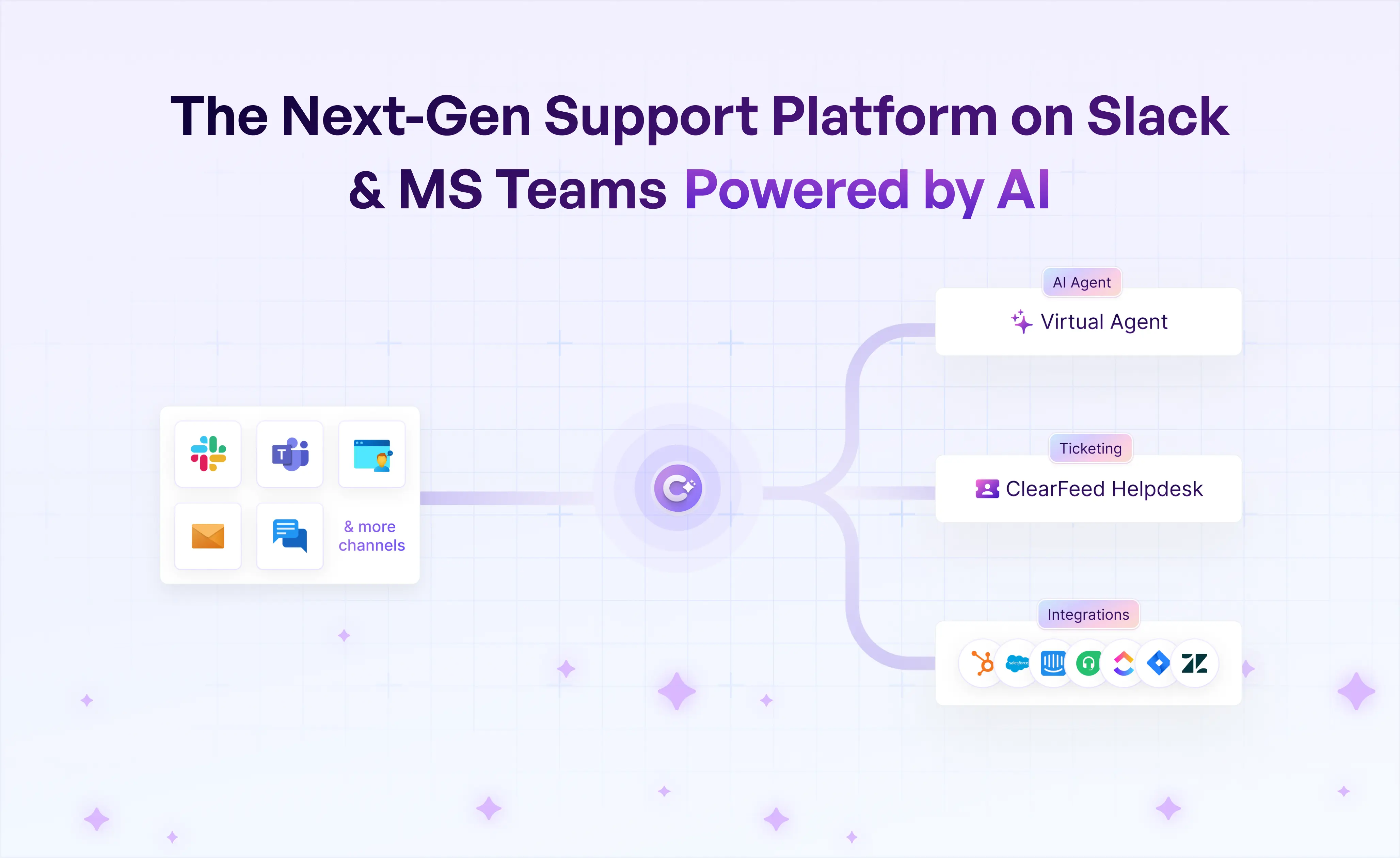
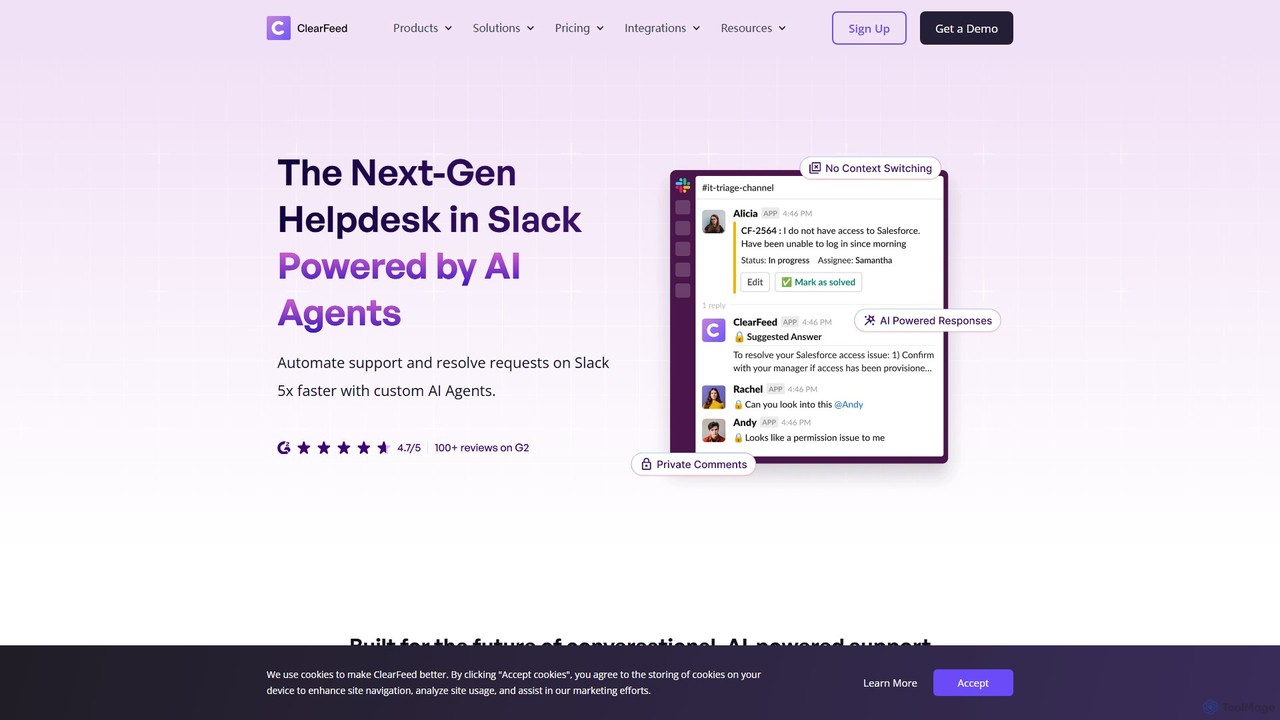
ClearFeed is an AI-powered conversational support platform designed to streamline customer and employee support directly within Slack and …

26.3K
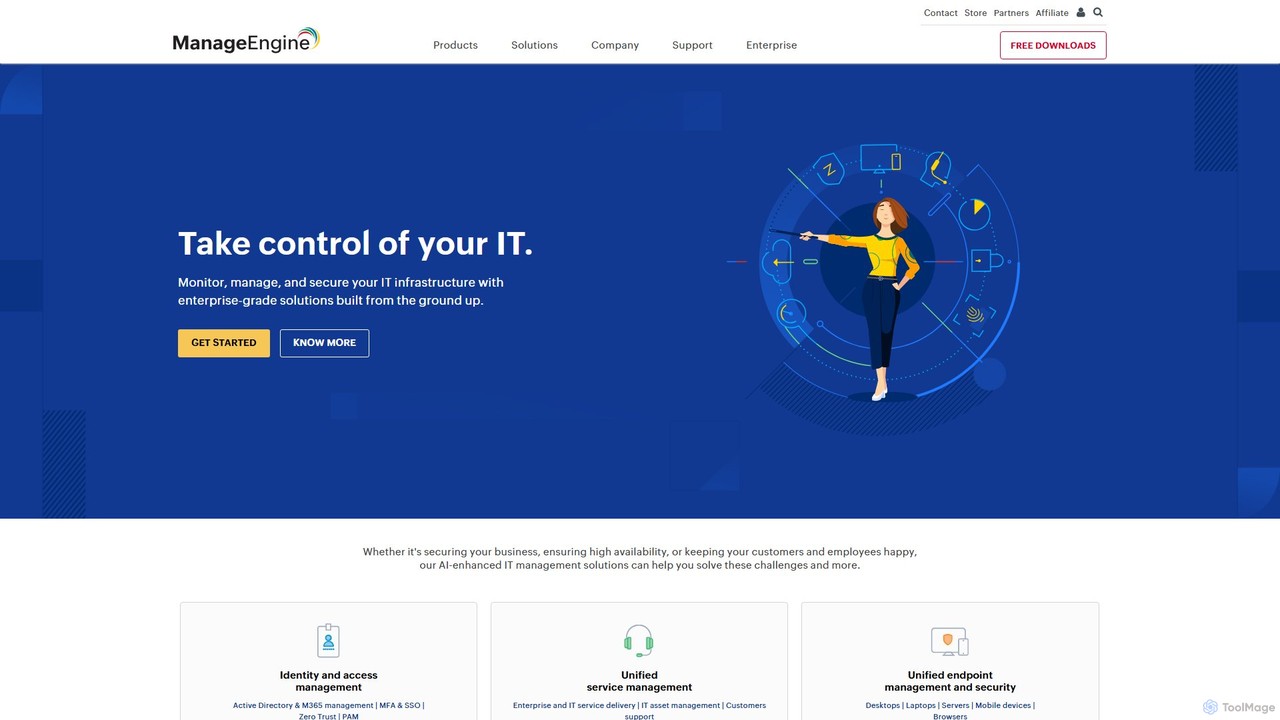
ManageEngine

ManageEngine

ManageEngine offers a comprehensive suite of enterprise IT management software. It integrates AI and machine learning for IT …

2.9M

About Operations Management

AI Operations Management tools are a specialized category of IT solutions that use machine learning and data analytics to automate and optimize business operations. They analyze vast amounts of operational data in real-time to predict issues, identify inefficiencies, and recommend improvements. These tools are crucial for managing complex systems like IT infrastructure, supply chains, and manufacturing processes, enhancing reliability and reducing costs. Unlike traditional management software, they offer proactive and predictive capabilities, shifting from reactive problem-solving to preventative optimization.

Core Features

  • Predictive Analytics: Forecasts potential system failures, demand fluctuations, or resource shortages based on historical data.
  • Automated Root Cause Analysis (RCA): Quickly identifies the underlying source of operational incidents without manual intervention.
  • Intelligent Process Automation: Automates routine tasks, workflows, and decision-making in operational processes.
  • Performance Monitoring & Anomaly Detection: Continuously tracks key performance indicators (KPIs) and alerts on unusual patterns that may indicate a problem.
  • Resource Optimization: Recommends the optimal allocation of resources, such as inventory, personnel, or server capacity.

Use Cases

These tools are widely used in IT Operations (AIOps), supply chain management, and advanced manufacturing. Roles such as IT Operations Managers, Site Reliability Engineers (SREs), and Supply Chain Analysts rely on them to maintain system health, ensure service availability, and improve logistical efficiency. For example, an e-commerce company might use it to predict server load during a sales event, while a logistics firm uses it to optimize delivery routes.

How to Choose

When selecting an AI Operations Management tool, consider its integration capabilities with your existing systems (e.g., ERP, CRM, monitoring tools). Evaluate its scalability to ensure it can handle the volume and velocity of your operational data. Also, assess the tool's domain specificity—whether it's a general-purpose platform or specialized for your industry, such as AIOps or logistics. Finally, determine the level of automation required, from simple alerts to fully automated remediation actions.

Operations ManagementUse Cases

1

Proactive IT Infrastructure Monitoring (AIOps)

An IT Operations team manages a large-scale cloud infrastructure. Instead of manually sifting through thousands of alerts, they use an AI Operations Management tool. The tool ingests logs and metrics from all services, detects subtle performance degradations, and correlates disparate events to pinpoint the root cause of a potential outage. For example, it might identify a memory leak in a specific microservice that would lead to a crash in several hours. It then automatically creates a high-priority ticket with all contextual data, allowing engineers to fix the issue proactively before any users are impacted, significantly improving system reliability.

2

Optimizing Supply Chain Demand Forecasting

A retail company's supply chain manager needs to predict demand for thousands of products across hundreds of stores. Using an AI tool, they analyze historical sales data combined with external factors like holidays, local events, and competitor promotions. The AI model generates highly accurate, granular forecasts for each product at each location. This allows the manager to optimize inventory levels, reducing both stockouts of popular items and overstocking of slow-moving goods. The result is improved sales, lower carrying costs, and higher customer satisfaction.

3

Automated Quality Control in Manufacturing

A quality assurance engineer on a high-speed production line uses an AI-powered visual inspection system. Cameras capture images of each product as it passes. The AI tool, trained on thousands of images of good and defective products, analyzes each new image in milliseconds. It instantly identifies subtle defects like scratches, misalignments, or color inconsistencies that are difficult for the human eye to catch consistently. When a defect is found, the system automatically diverts the faulty item from the line and alerts the operator, ensuring high product quality and reducing manual inspection costs.

4

Intelligent Incident Management and Response

A Site Reliability Engineer (SRE) is on-call when a critical service alert fires. An AI Operations tool automatically groups hundreds of related alerts into a single incident, reducing alert noise. It enriches the incident with data from logs, metrics, and past similar incidents, suggesting a probable root cause. The tool can also trigger automated diagnostic scripts or recommend a specific remediation action from a knowledge base. This allows the SRE to diagnose and resolve the issue much faster, significantly reducing the Mean Time to Resolution (MTTR) and minimizing business impact.

5

Optimizing Fleet and Logistics Routing

A logistics coordinator for a delivery company uses an AI tool to plan daily routes for a fleet of 50 vehicles. The system analyzes all delivery addresses, vehicle capacities, delivery time windows, and real-time traffic data. It calculates the most efficient multi-stop route for each driver, considering factors that a human planner might overlook. The AI can also dynamically re-route drivers during the day if unexpected traffic or delays occur. This results in significant fuel savings, a higher number of on-time deliveries, and improved driver productivity.

6

Optimizing Energy Consumption in Facilities

A facility manager for a large office building uses an AI operations tool to reduce energy costs. The system integrates with the building's management system (BMS) and IoT sensors that track occupancy, temperature, and light levels. The AI learns the building's usage patterns and predicts energy needs based on the time of day, weather forecasts, and meeting schedules. It then automatically adjusts HVAC and lighting systems in real-time to optimize energy use without compromising occupant comfort. For instance, it might pre-cool a conference room just before a scheduled meeting, rather than cooling it all day.

Operations ManagementFrequently Asked Questions