ReAlign
ReAlign is a dedicated digital companion designed to support individuals managing scoliosis. It aims to help users achieve …
ReAlign is a dedicated digital companion designed to support individuals managing scoliosis. It aims to help users achieve and maintain a state of "100% aligned" through its specialized approach, providing readiness and guidance for their health journey.
AVA
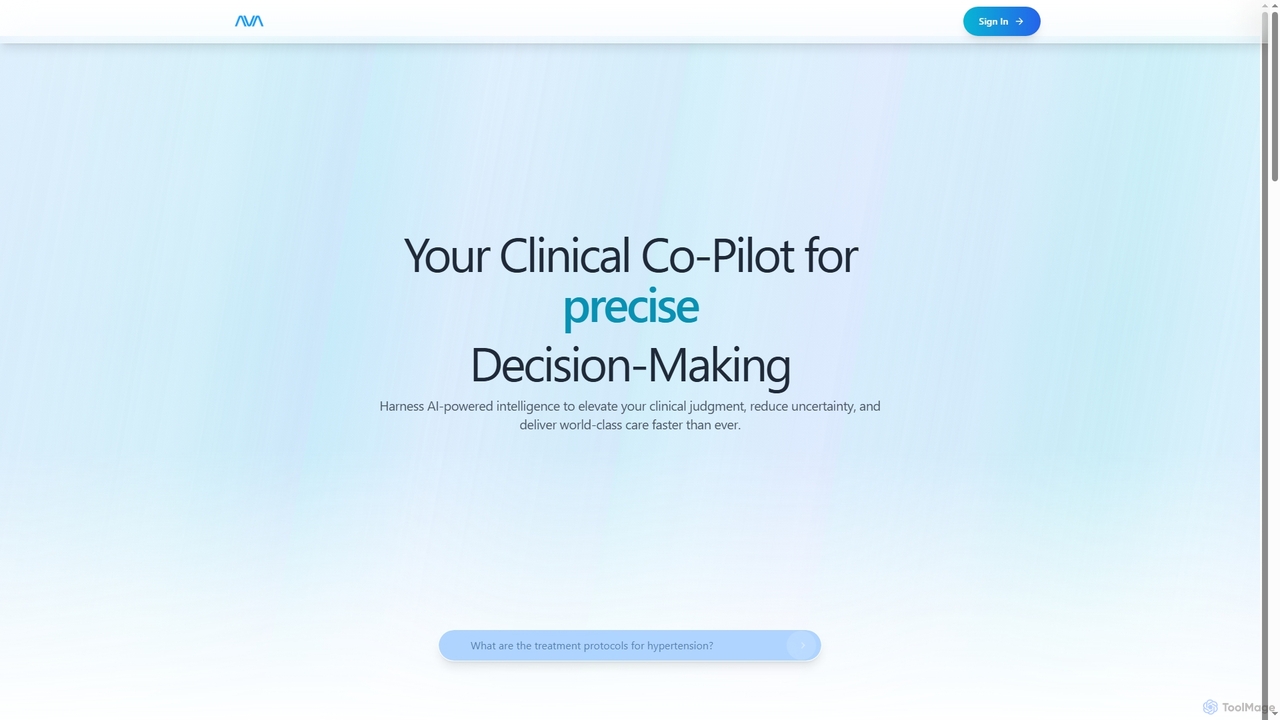
AVA is an AI-powered clinical co-pilot designed for medical professionals to enhance decision-making with intelligent, evidence-based, and precise …
AVA is an AI-powered clinical co-pilot designed for medical professionals to enhance decision-making with intelligent, evidence-based, and precise insights. It synthesizes the latest medical literature from trusted sources, providing instant support for diagnostics, treatment protocols, and personalized patient care.
Report Rad
Report Rad is an AI-powered radiology reporting platform designed to help radiologists and teleradiologists generate comprehensive, professionally formatted …
Report Rad is an AI-powered radiology reporting platform designed to help radiologists and teleradiologists generate comprehensive, professionally formatted reports up to 95% faster. It combines advanced medical voice recognition with generative AI to streamline workflows, reduce burnout, and enhance patient care.
Aihairtransplant
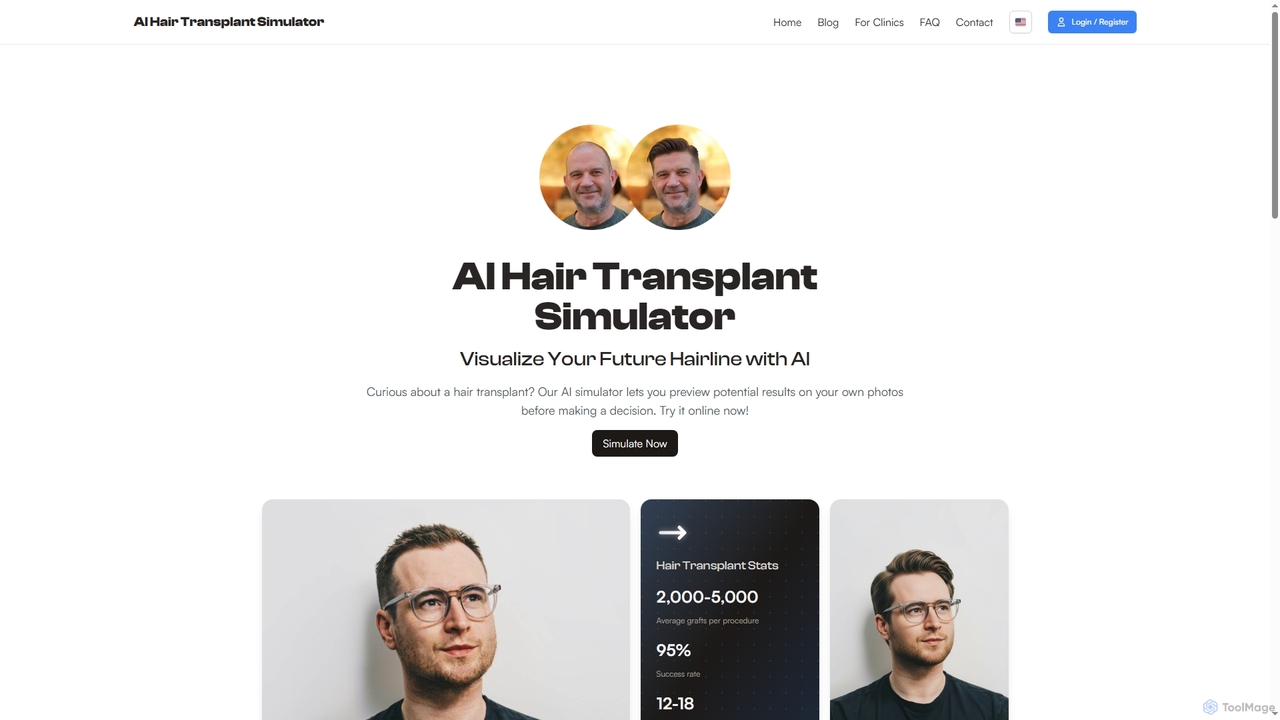
Aihairtransplant is an AI-powered simulator that allows individuals to visualize potential hair transplant results on their own photos. …
Aihairtransplant is an AI-powered simulator that allows individuals to visualize potential hair transplant results on their own photos. It also offers a robust solution for hair transplant clinics to engage website visitors, capture qualified leads, and convert them into consultation bookings by integrating the simulator directly onto their sites.
Aii
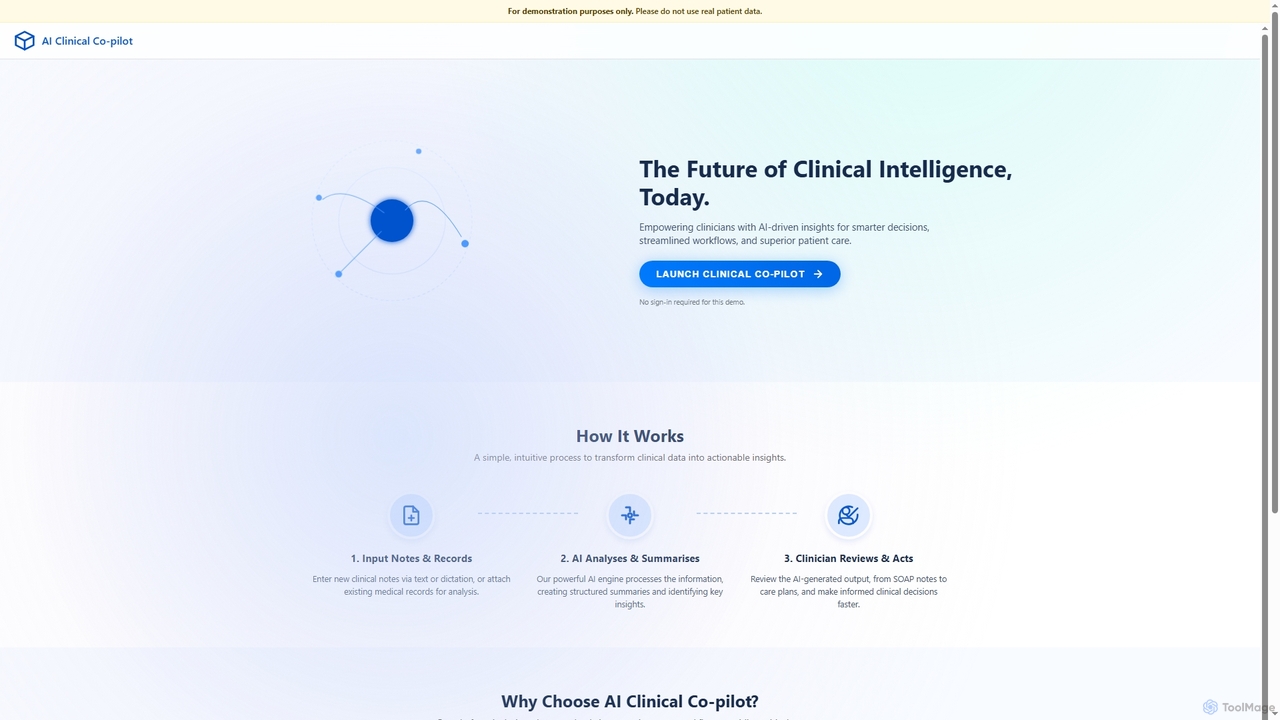
Aii is an AI Clinical Co-pilot designed to empower healthcare professionals with intelligent insights, streamline workflows, and enhance …
Aii is an AI Clinical Co-pilot designed to empower healthcare professionals with intelligent insights, streamline workflows, and enhance patient care. It rapidly processes clinical notes and medical records, generating structured summaries, offering diagnostic guidance, and automating documentation to reduce administrative burden and improve patient engagement.
Researchthegap
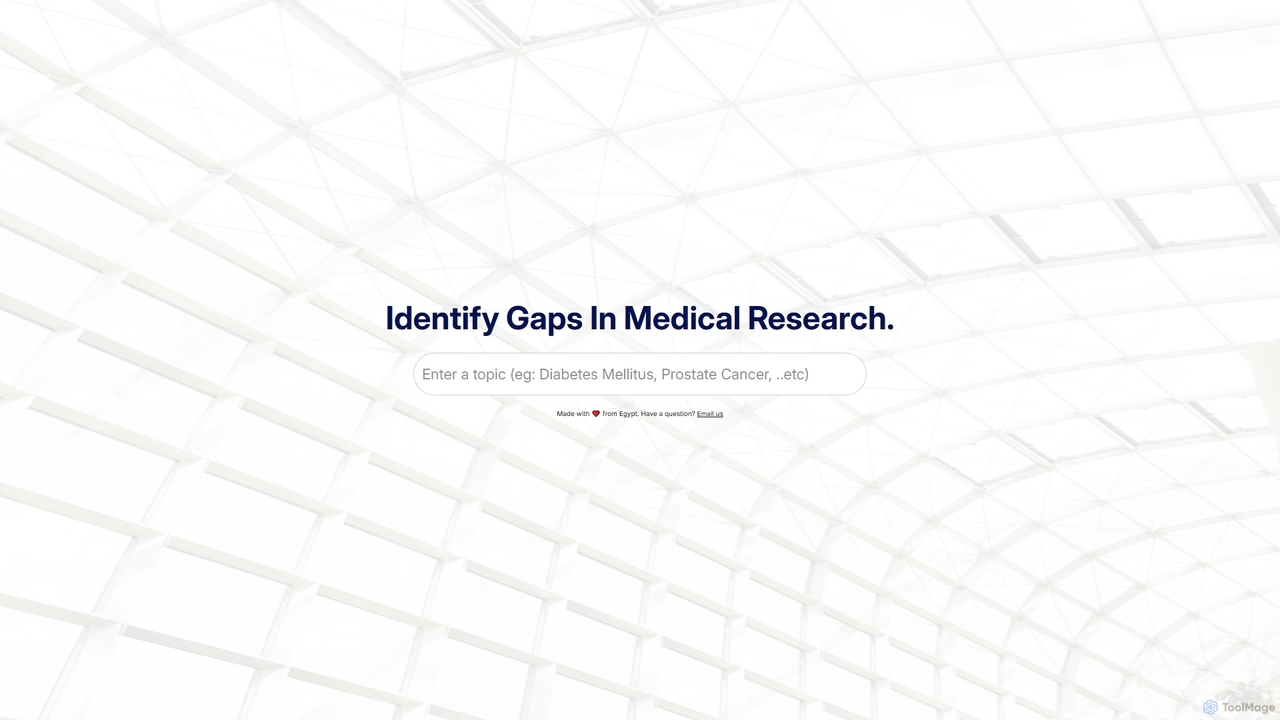
A specialized tool designed for medical researchers, academics, and students to efficiently identify gaps in existing medical research, …
A specialized tool designed for medical researchers, academics, and students to efficiently identify gaps in existing medical research, streamlining the process of finding novel areas for study and innovation.
Claio
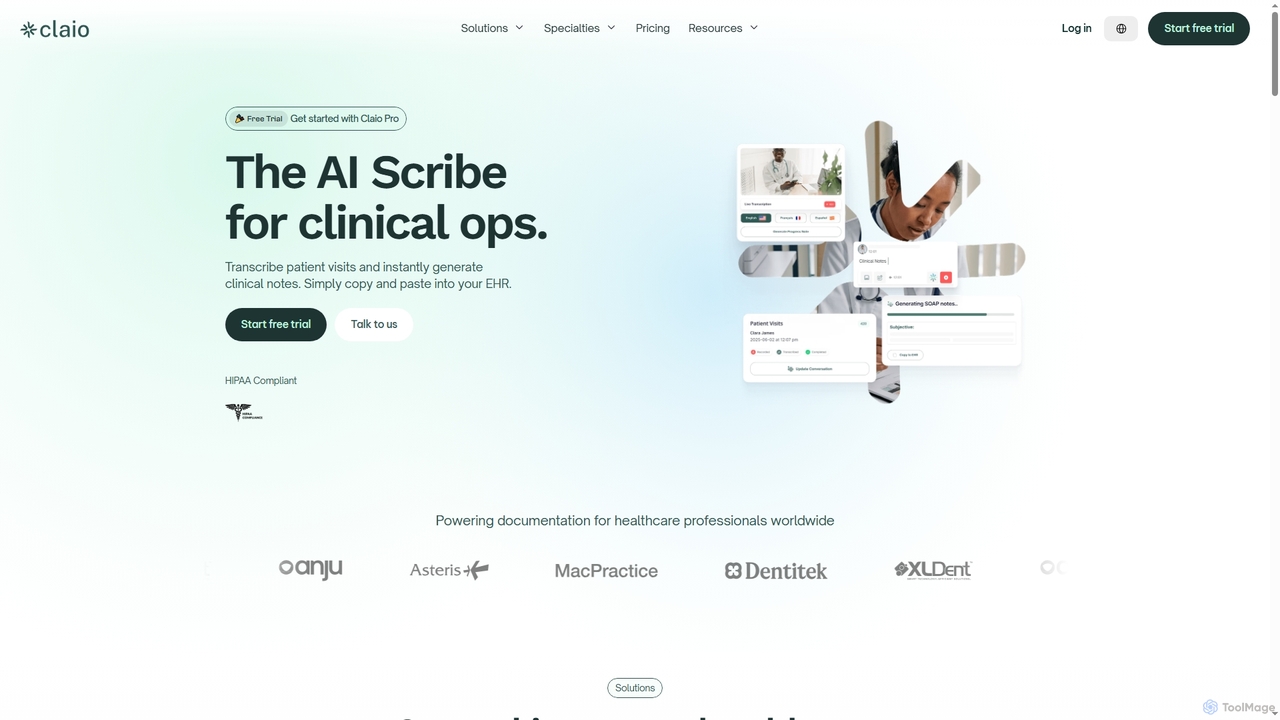
Claio is an AI-powered scribe designed for healthcare professionals to streamline clinical documentation. It transcribes patient visits in …
Claio is an AI-powered scribe designed for healthcare professionals to streamline clinical documentation. It transcribes patient visits in real-time, generates accurate clinical notes and billing codes, and integrates seamlessly with existing EHRs via copy-paste, ensuring HIPAA compliance and reducing administrative burden.
My Mediktor
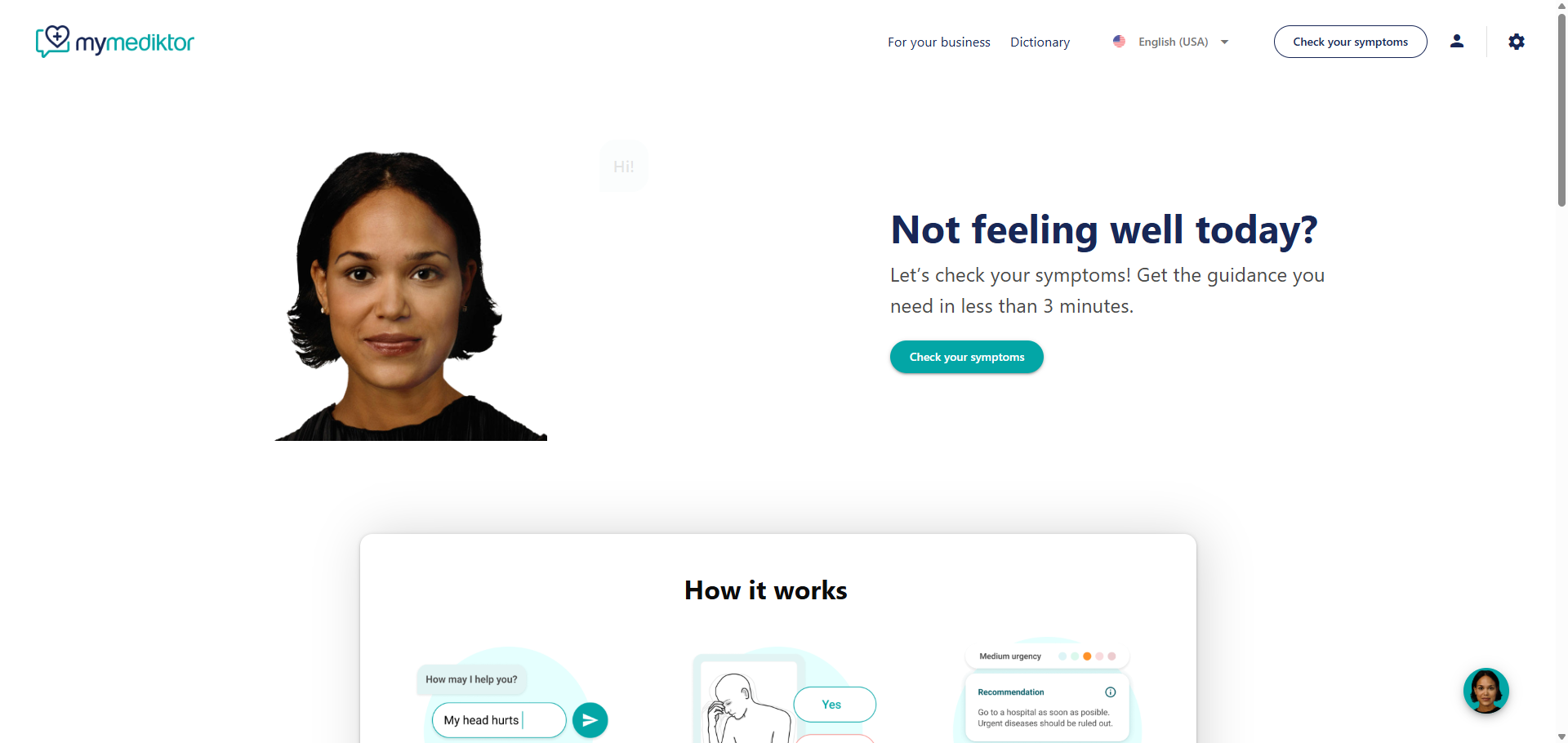
My Mediktor is an advanced AI-powered symptom checker that provides a personalized pre-diagnosis and recommends the appropriate level …
My Mediktor is an advanced AI-powered symptom checker that provides a personalized pre-diagnosis and recommends the appropriate level of care. By engaging in a natural, conversational chat, users can understand their symptoms, explore potential causes, and make informed decisions about their health. It is a clinically validated tool designed for accuracy and user safety.
Najva
Najva is a free, native macOS app that combines offline, on-device speech recognition with advanced AI models like …
Najva is a free, native macOS app that combines offline, on-device speech recognition with advanced AI models like GPT-4 and Claude 3. It instantly transforms your voice into intelligent text, offering unparalleled privacy and productivity for writers, developers, and professionals. It features context awareness, screenshot integration, and support for numerous AI providers.
x_doc
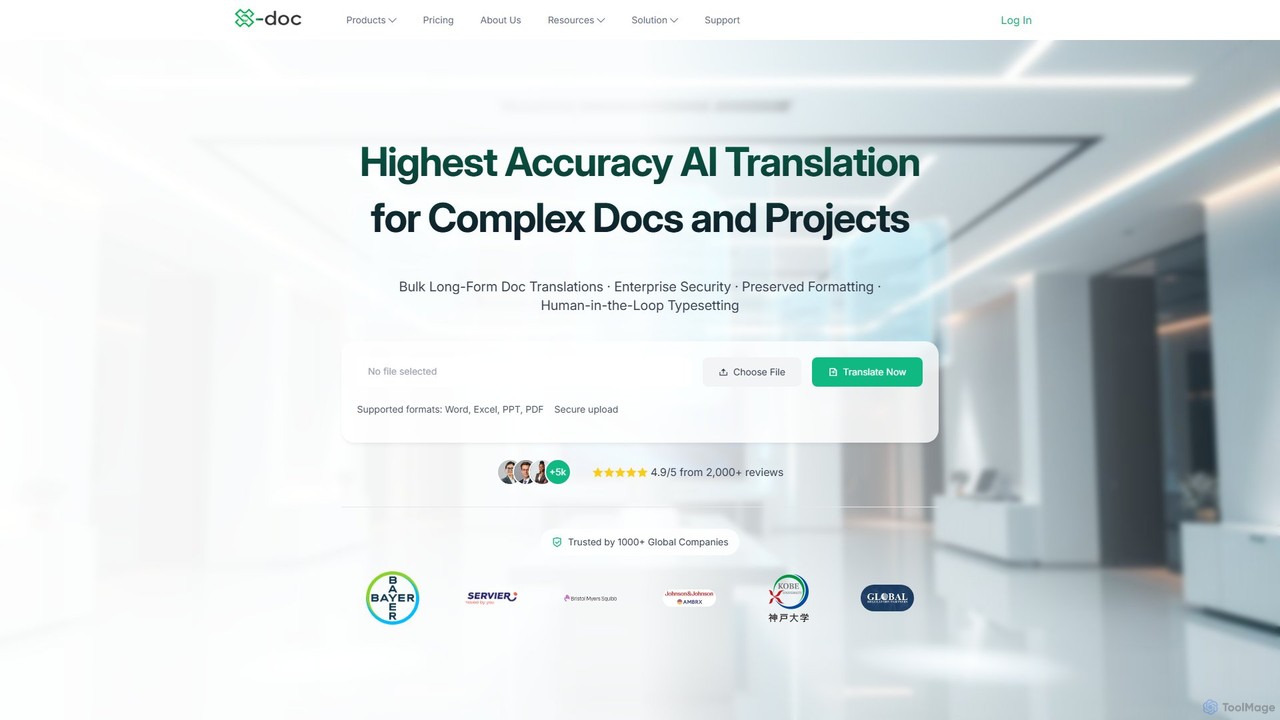
x_doc is a specialized AI translation platform designed for high-accuracy translation of technical and professional documents. Leveraging advanced …
x_doc is a specialized AI translation platform designed for high-accuracy translation of technical and professional documents. Leveraging advanced generative AI and deep industry expertise, particularly in pharmaceuticals and life sciences, it offers up to 99% accuracy. It supports over 108 languages, provides enterprise-grade security (SOC2, ISO27001), and features like terminology management and translation memory to ensure consistency and quality for complex projects.
About Medical
Medical AI tools are AI-powered solutions designed to enhance various aspects of healthcare, from diagnostics and treatment to drug discovery and patient management. These tools leverage advanced machine learning, natural language processing, and computer vision to analyze vast amounts of medical data, identify patterns, and provide actionable insights. They aim to improve clinical outcomes, streamline operations, and personalize patient care, ultimately transforming the efficiency and effectiveness of medical practices worldwide.
Core Features
- Diagnostic Assistance: AI algorithms analyze medical images (X-rays, MRIs) and patient data to assist clinicians in detecting diseases earlier and more accurately.
- Drug Discovery & Development: Accelerate the identification of potential drug candidates, predict molecular interactions, and optimize clinical trial design.
- Personalized Treatment: Utilize genomic data, medical history, and real-time patient monitoring to recommend tailored treatment plans and predict responses.
- Predictive Analytics: Forecast disease outbreaks, patient deterioration, or readmission risks, enabling proactive interventions.
- Automated Administration: Streamline tasks like medical coding, record keeping, and appointment scheduling, reducing administrative burden.
Use Cases
Medical AI tools are indispensable across various healthcare settings. Clinicians use them for enhanced diagnostic accuracy and personalized treatment planning, while researchers leverage AI to accelerate drug discovery and optimize clinical trials. Hospitals deploy AI for operational efficiency, predictive patient management, and automating administrative workflows, leading to improved patient outcomes and resource allocation.
How to Choose
Selecting the right Medical AI tool requires careful consideration of several factors. Evaluate its clinical validation and regulatory compliance, ensuring accuracy and safety. Assess its integration capabilities with existing electronic health records (EHR) systems and workflows. Consider the specific problem it solves, the level of explainability (interpretability) of its AI models, and the vendor's support and data security protocols. Finally, evaluate the cost-effectiveness and scalability for your institution's needs.
MedicalUse Cases
AI-Assisted Medical Imaging Diagnosis
Radiologists utilize AI tools to analyze complex medical images such as CT scans, MRIs, and X-rays for subtle anomalies. The AI can highlight suspicious areas, quantify changes over time, and provide a second opinion, significantly improving the speed and accuracy of early disease detection, like identifying cancerous lesions or neurological conditions, thereby reducing diagnostic errors and improving patient prognosis.
Accelerating Drug Discovery and Development
Pharmaceutical researchers employ AI platforms to sift through vast chemical libraries, predict drug-target interactions, and design novel molecules. This drastically reduces the time and cost associated with traditional drug discovery. AI can also optimize clinical trial design by identifying suitable patient cohorts and predicting trial outcomes, leading to faster development of new therapies for various diseases.
Personalized Oncology Treatment Planning
Oncologists use AI to create highly personalized treatment plans for cancer patients. By integrating genomic data, tumor characteristics, patient history, and real-world evidence, AI can predict how a patient will respond to different therapies. This enables clinicians to select the most effective treatment regimen, minimize side effects, and improve survival rates, moving towards truly precision medicine.
Predictive Analytics for Hospital Readmission Risk
Hospitals implement AI systems to analyze patient data upon discharge, identifying individuals at high risk of readmission. The AI considers factors like comorbidities, socioeconomic status, and post-discharge care plans. This allows care coordinators to intervene proactively with targeted support, follow-up appointments, or home care services, reducing readmission rates and improving patient recovery post-hospitalization.
Automating Electronic Health Record (EHR) Data Entry
Healthcare providers leverage AI-powered natural language processing (NLP) tools to automate the extraction and entry of critical information from unstructured clinical notes into structured EHR fields. This reduces the administrative burden on doctors and nurses, minimizes data entry errors, and ensures more comprehensive and accurate patient records, freeing up time for direct patient care.
Virtual Health Assistants for Chronic Disease Management
Patients with chronic conditions like diabetes or hypertension interact with AI-powered virtual assistants for daily monitoring and support. These assistants can track vital signs, remind patients about medication, answer common health questions, and provide personalized health tips. They can also alert healthcare providers to concerning trends, facilitating timely interventions and empowering patients in managing their health.