ToolMage
Sign in

Best 4 Security Information AI tools for Privacy

Popular Security Information AI tools in Privacy include Memoriq, Waylight, Focus Patrol, and AIGOSEARCH, helping you work more efficiently.

Memoriq
Freemium

Memoriq

Memoriq is a private, encrypted memory vault for AI conversations. It saves and organizes chats from platforms like ChatGPT, Claude, and Gemini into a searchable archive under your control.

Open Source
Visits 7.9KFavorites 61Likes 45
Focus Patrol
Free

Focus Patrol

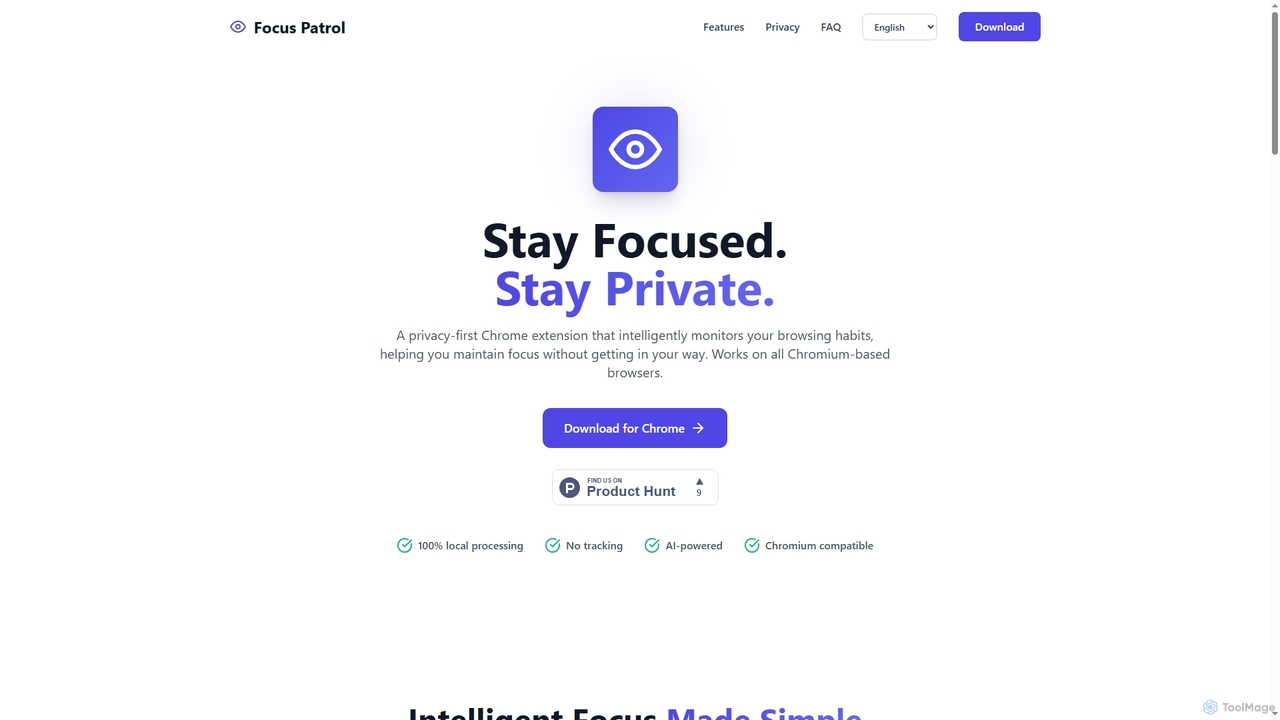
Focus Patrol is a privacy-first Chrome extension that uses on-device AI to intelligently monitor your browsing habits. It helps you maintain focus by identifying and categorizing distractions without your data ever leaving your computer.

Focus
Visits 7.4KFavorites 165Likes 153
Waylight

Waylight

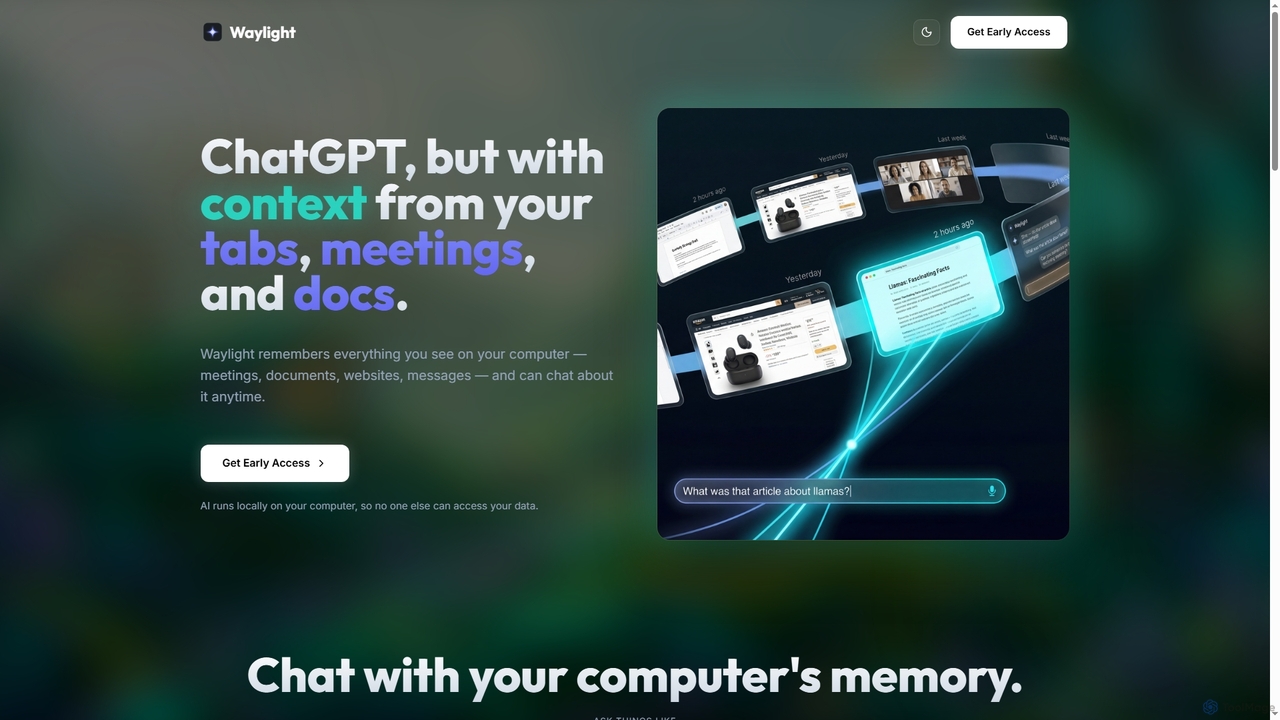
Waylight is a privacy-first AI assistant that runs locally on your computer. It remembers everything you see—meetings, documents, and websites—creating a searchable memory you can chat with, without ever uploading your data to the cloud.

Desktop Assistant
Visits 7.8KFavorites 108Likes 104
AIGOSEARCH
Free

AIGOSEARCH

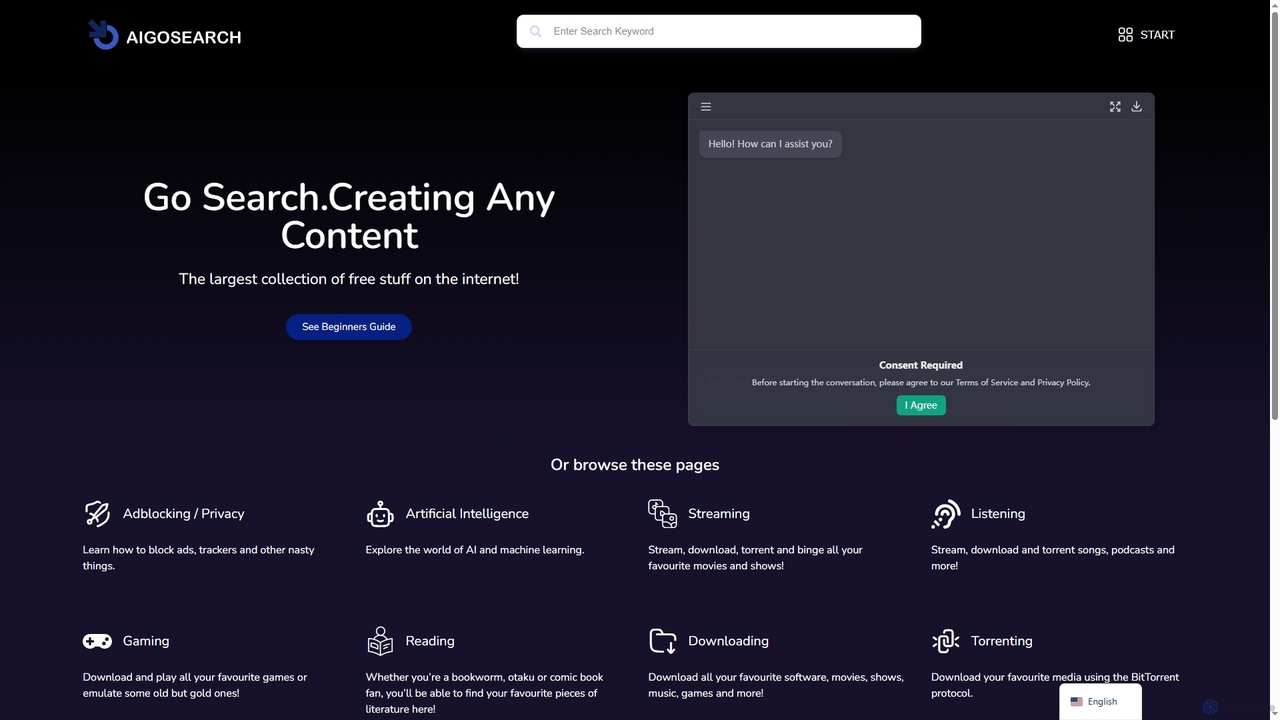
AIGOSEARCH is a comprehensive online hub providing access to a vast collection of free tools, utilities, and digital resources. It serves as an all-in-one platform for discovering guides, software, media, and educational content across various categories, designed for students, developers, designers, and curious internet users alike.

Ai Resource Hub
Visits 7.3KFavorites 133Likes 128

About Security Information

Security Information tools are AI-powered solutions designed to collect, analyze, and manage data crucial for maintaining robust cybersecurity postures. These tools leverage advanced algorithms to process vast amounts of security-related data, identifying patterns, anomalies, and potential threats. They provide actionable insights that enable organizations to proactively protect their digital assets and ensure compliance within the broader context of privacy. This category focuses on the intelligence derived from security data, rather than general privacy management.

Core Features

  • Threat Intelligence Aggregation: Gathers and correlates threat data from various global sources to provide real-time insights into emerging cyber threats.
  • Vulnerability Management: Identifies, assesses, and prioritizes software and system vulnerabilities, offering remediation guidance.
  • Security Log Analysis: Processes and analyzes security event logs from diverse systems to detect suspicious activities and potential breaches.
  • Compliance Monitoring: Automates the tracking and reporting of security controls against regulatory requirements and internal policies.
  • Incident Response Support: Provides data and intelligence to aid in the rapid detection, analysis, and containment of security incidents.

Use Cases

Security Information tools are vital for cybersecurity teams, IT managers, and compliance officers across all industries. They are used to enhance an organization's defensive capabilities by providing a clear, data-driven view of its security landscape, enabling proactive threat mitigation and efficient incident management.

How to Choose

When selecting Security Information tools, consider the breadth of threat intelligence sources, the depth of vulnerability scanning capabilities, and seamless integration with existing security infrastructure (SIEM, SOAR). Scalability, real-time processing, the clarity of reporting for compliance, and the ability to customize alerts are also crucial for effective deployment and maximizing security posture.

Security Information use cases

1

Proactive Threat Detection and Prevention

Cybersecurity analysts utilize AI-powered Security Information tools to aggregate global threat intelligence feeds, analyze attack patterns, and identify indicators of compromise specific to their industry. This enables them to deploy preventative measures and update security policies before an attack materializes, significantly reducing the risk of data breaches and system downtime by staying ahead of emerging threats.

2

Automated Vulnerability Assessment and Prioritization

IT security teams leverage Security Information tools to continuously scan their network infrastructure, applications, and cloud environments for known and zero-day vulnerabilities. The tools automatically prioritize vulnerabilities based on severity and exploitability, providing detailed remediation steps. This streamlines patching efforts and strengthens the overall security posture by focusing resources on the most critical risks.

3

Real-time Security Event Monitoring and Alerting

Security Operations Center (SOC) personnel utilize Security Information platforms to ingest and analyze millions of security logs from firewalls, servers, endpoints, and applications. AI algorithms detect anomalous behavior, unauthorized access attempts, or malware activities in real-time, triggering immediate alerts. This enables rapid incident response to mitigate potential threats before they can cause significant damage, enhancing operational security.

4

Automated Regulatory Compliance Reporting

Compliance officers and auditors employ Security Information tools to monitor adherence to various data protection regulations like GDPR, HIPAA, or PCI DSS. The tools automatically collect evidence of security controls, generate audit trails, and produce comprehensive reports. This simplifies the compliance process, reduces manual effort, and demonstrates due diligence to regulators, ensuring the organization meets its legal obligations.

5

Enhanced Incident Response and Forensics

During a cyberattack, incident responders use Security Information tools to quickly gather context, analyze attack vectors, and understand the scope of the breach. The tools provide forensic data, threat actor profiles, and recommended containment strategies, accelerating the response time and minimizing the impact of security incidents. This data-driven approach ensures a more effective and efficient recovery process.

6

Secure Configuration Management and Auditing

System administrators use Security Information tools to ensure that all IT assets are configured according to security best practices and organizational policies. The tools continuously audit configurations, flag deviations, and suggest corrective actions. This prevents misconfigurations that could lead to security vulnerabilities and data exposures, maintaining a consistent and secure operational environment across the entire infrastructure.

Security Information FAQ

What are Security Information tools?

Security Information tools are AI-driven platforms that collect, process, and analyze vast amounts of data related to cybersecurity threats, vulnerabilities, and incidents. They provide actionable intelligence to help organizations detect, prevent, and respond to cyberattacks, forming a critical component of a comprehensive security strategy. These tools are essential for understanding and managing an organization's security posture.

How do Security Information tools differ from general Privacy tools?

While both contribute to data protection, Security Information tools focus specifically on the data and intelligence required to secure systems and information from threats (e.g., threat feeds, vulnerability data, security logs). Privacy tools, conversely, focus on managing personal data, user consent, and regulatory compliance to protect individual privacy rights (e.g., consent management, data anonymization). Security information is a means to achieve privacy, but not the entirety of it.

What are the key benefits of using AI in Security Information tools?

AI significantly enhances Security Information tools by enabling automated analysis of massive datasets, real-time threat detection, and predictive analytics for emerging threats. It reduces false positives, identifies complex attack patterns that human analysts might miss, and accelerates incident response. This leads to more efficient and effective cybersecurity operations, improving an organization's overall resilience against cyberattacks.

What types of data do Security Information tools typically analyze?

These tools analyze a wide array of data, including network traffic logs, system event logs, endpoint security data, vulnerability scan results, and threat intelligence feeds (e.g., IP blacklists, malware signatures). They also process user behavior analytics and compliance audit trails. This comprehensive data analysis provides a holistic view of an organization's security posture, enabling informed decision-making.

Who primarily benefits from using Security Information tools?

Security Information tools primarily benefit cybersecurity analysts, SOC teams, IT managers, compliance officers, and C-suite executives responsible for risk management. They empower these stakeholders with the intelligence needed to make informed security decisions, protect assets, and maintain regulatory compliance. Organizations of all sizes, from SMBs to large enterprises, can leverage these tools to enhance their defensive capabilities.