Productivity Best in category 1 results Audience Management AI Tool

Popular AI tools in the Audience Management field of Productivity include ConvertKit, etc., helping you quickly improve efficiency.

ConvertKit

ConvertKit

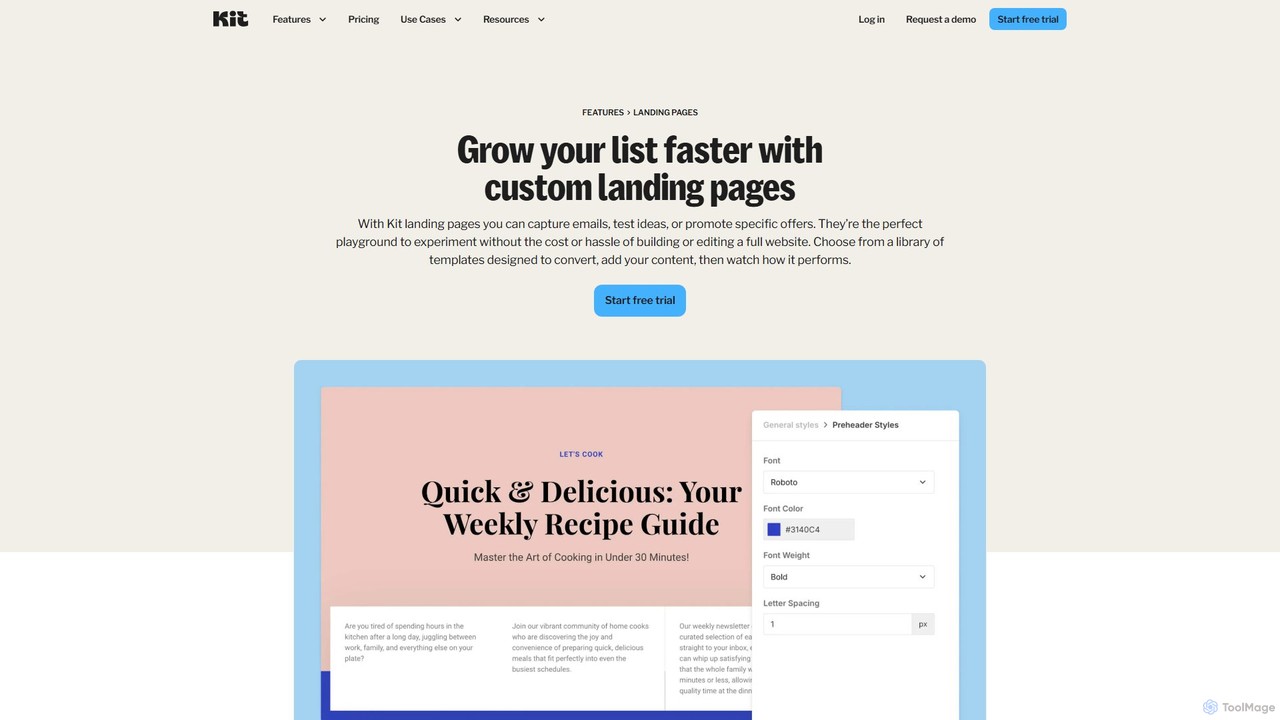
ConvertKit is an all-in-one marketing platform built for creators. It helps you grow your audience with beautiful landing …

9.2M

About Audience Management

Audience Management tools are platforms that use artificial intelligence to analyze, segment, and engage with customer or user groups. These tools leverage machine learning algorithms to process vast amounts of data, identifying patterns in behavior, preferences, and engagement levels. This enables businesses and creators to move beyond basic demographic segmentation and deliver highly personalized experiences at scale. By understanding audiences on a deeper level, these tools help optimize marketing campaigns, improve customer retention, and drive growth within the broader scope of productivity.

Core Features

  • AI-Powered Segmentation: Automatically groups audiences based on complex behaviors, predictive traits, and engagement patterns.
  • Personalization Engine: Dynamically tailors content, offers, and messaging for specific audience segments in real-time.
  • Audience Analytics & Insights: Provides deep, actionable insights into audience composition, preferences, and journey mapping.
  • Predictive Modeling: Forecasts future audience actions, such as churn risk, lifetime value (LTV), and conversion probability.
  • Cross-Channel Integration: Unifies audience data from various sources like CRM, email, and social media for a holistic view.

Use Cases

These tools are valuable for marketing teams, e-commerce businesses, SaaS companies, and content creators. For instance, an online retailer can use them to identify high-value customers for exclusive offers, while a SaaS provider can pinpoint users showing signs of churn and engage them with targeted support, boosting overall operational efficiency.

How to Choose

When selecting an Audience Management tool, consider its integration capabilities with your existing tech stack (e.g., CRM, email platform). Evaluate the depth of its analytics and the sophistication of its segmentation models. Also, assess the platform's ease of use and whether its pricing scales with your audience size and feature needs.

Audience ManagementUse Cases

1

Dynamic Segmentation for E-commerce Marketing

E-commerce managers use these tools to automatically segment customers beyond simple purchase history. The AI analyzes browsing behavior, cart abandonment rates, and engagement with past promotions. This creates dynamic segments like 'potential high-spenders,' 'discount-sensitive shoppers,' or 'at-risk of churn.' The platform can then trigger personalized email campaigns or on-site pop-ups with tailored product recommendations and offers, significantly increasing conversion rates and customer lifetime value.

2

Enhancing Subscriber Engagement for Content Creators

A newsletter author or YouTuber uses an AI audience tool to understand their subscriber base deeply. The system identifies the most engaged 'super-fans' by tracking open rates, click-throughs, and comment frequency. The creator can then create exclusive content or early access offers for this segment to foster loyalty. It also helps identify topics that resonate most with specific audience groups, allowing for more targeted content planning and improving overall subscriber retention.

3

Proactive Churn Prevention for SaaS Businesses

Customer success teams in SaaS companies integrate the tool with their product analytics. The AI monitors user activity, identifying patterns that correlate with churn, such as decreased feature usage or infrequent logins. It automatically flags at-risk accounts and segments them for proactive outreach. The team can then engage these users with targeted tutorials, special offers, or direct support, reducing churn rates and preserving revenue.

4

Personalized Communication for Event Management

Event organizers leverage these tools to enhance the attendee experience. By analyzing registration data, past event attendance, and survey responses, the AI segments attendees based on interests (e.g., 'AI in Marketing,' 'Developer Workshops'). This allows for personalized email updates with relevant session recommendations, speaker highlights, and networking opportunities. Post-event, it helps tailor follow-up content and promotions for future events, increasing repeat attendance.

5

Optimizing Donor Outreach for Non-Profits

A non-profit organization uses an audience management platform to analyze its donor database. The AI segments donors based on giving frequency, donation size, and engagement with campaigns. This helps identify potential major donors for personalized outreach from the fundraising team. It also enables the creation of targeted campaigns for different segments, such as a re-engagement campaign for lapsed donors or a special appeal to first-time givers, maximizing fundraising effectiveness.

6

Targeted In-App Messaging for Mobile Apps

Mobile app developers and marketers use these tools to analyze user behavior within their application. The AI segments users based on actions, such as which features they use most, their progression level in a game, or their purchase history for in-app items. Based on these segments, the developer can send highly targeted push notifications or in-app messages with relevant tips, feature announcements, or special offers, improving user engagement and retention.

Audience ManagementFrequently Asked Questions