Productivity Best in category 4 results Auditing AI Tool

Popular AI tools in the Auditing field of Productivity include Copyright Check AI、Zenyt、a11yboost、ContractReader, etc., helping you quickly improve efficiency.

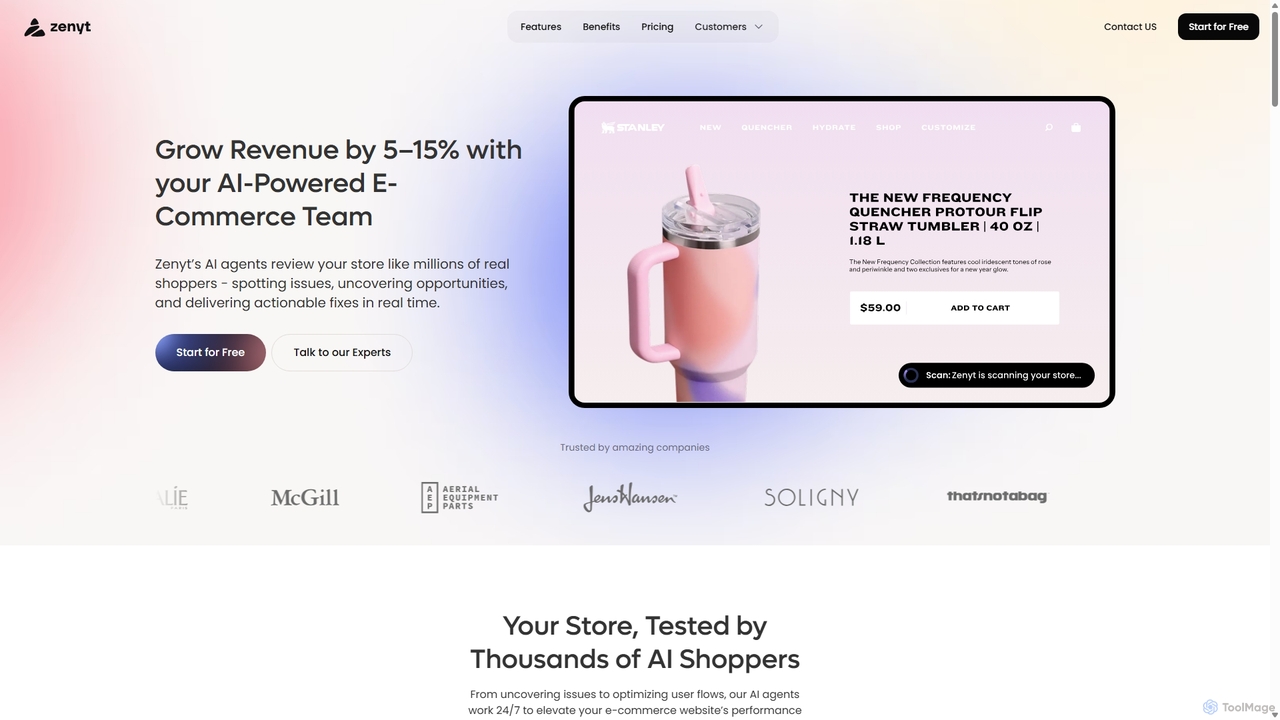
Zenyt

Zenyt

Zenyt is an AI-powered e-commerce optimization platform that uses AI agents to simulate millions of real shoppers. It …

2.4K
Free
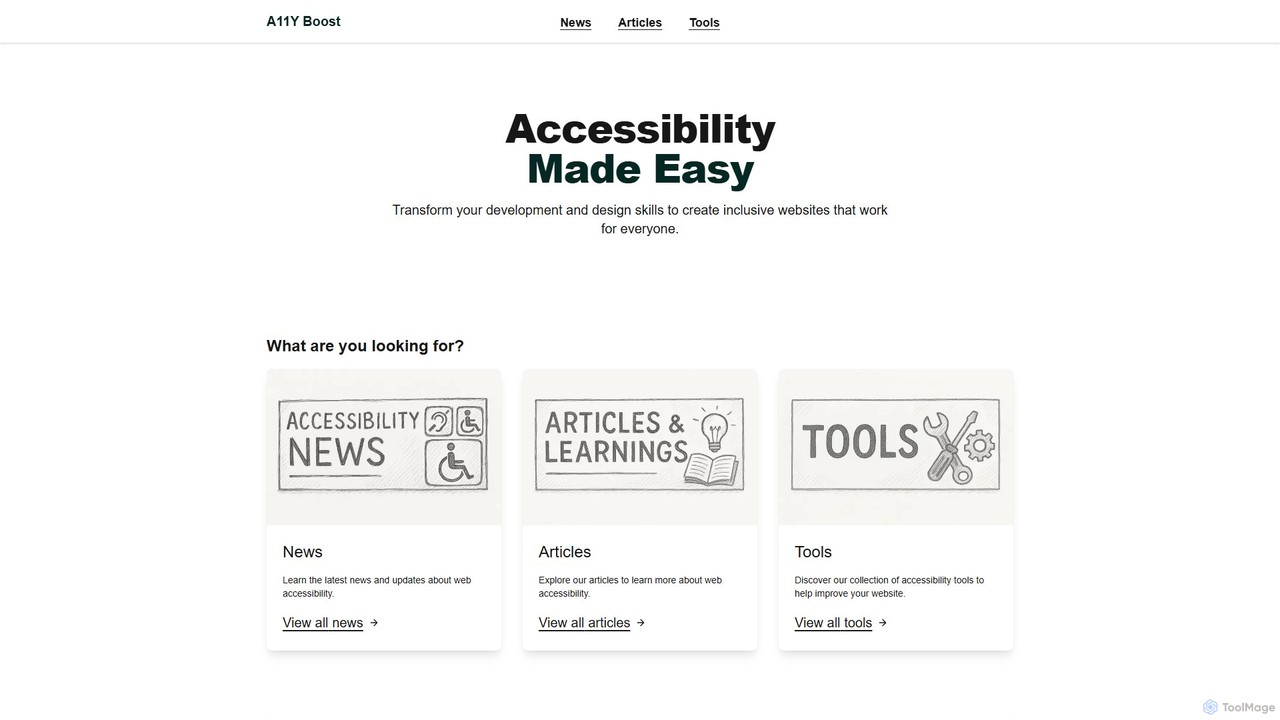
a11yboost

a11yboost

A comprehensive web accessibility platform offering free tools, articles, and news to help developers and designers create inclusive …

2.3K
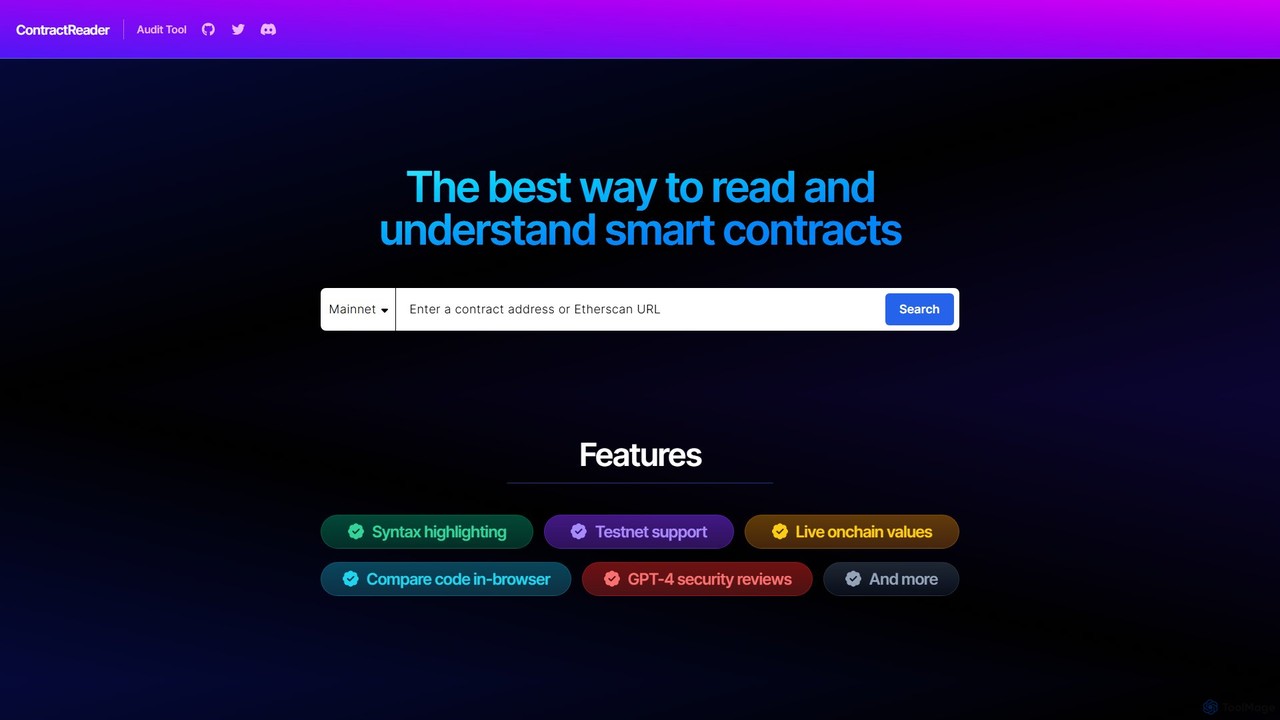
ContractReader

ContractReader

ContractReader is an AI-powered tool designed for developers, auditors, and crypto enthusiasts to read, understand, and audit blockchain …

2.3K
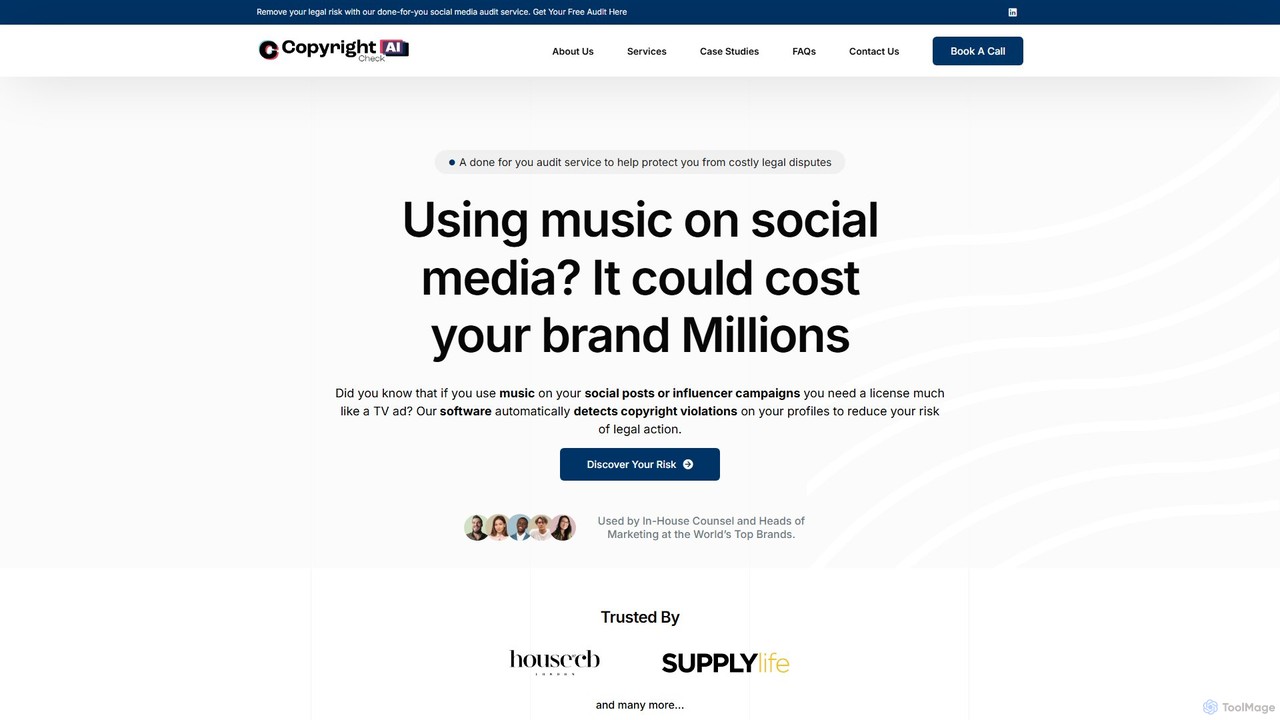
Copyright Check AI

Copyright Check AI

Copyright Check AI is an AI-powered service that protects brands from costly music copyright lawsuits. It audits social …

5.6K

About Auditing

AI Auditing tools are AI-powered solutions designed to automate and enhance the process of examining financial records, IT systems, operational processes, and compliance frameworks. Leveraging machine learning, natural language processing, and advanced data analytics, these tools efficiently process vast datasets to identify anomalies, assess risks, and ensure adherence to regulations. They significantly improve the accuracy, speed, and scope of audits, transforming traditional manual review into a more intelligent and proactive function within the broader productivity landscape.

Core Features

  • Automated Data Extraction: Automatically extracts and processes relevant information from diverse structured and unstructured data sources like documents, emails, and databases.
  • Anomaly Detection: Utilizes machine learning algorithms to identify unusual patterns, outliers, or suspicious activities that deviate from established norms, indicating potential fraud or errors.
  • Compliance Monitoring: Continuously monitors transactions and operations against predefined regulatory requirements, internal policies, and industry standards.
  • Risk Assessment & Prioritization: Analyzes data to quantify and prioritize potential risks, allowing auditors to focus on high-impact areas.
  • Intelligent Report Generation: Automatically compiles detailed audit findings, evidence, and recommendations into comprehensive, customizable reports.

Applicable Scenarios

AI Auditing tools are invaluable for financial institutions, large corporations, and regulatory bodies. They are used by internal and external auditors, compliance officers, and risk managers to streamline financial statement audits, conduct IT security assessments, and ensure continuous adherence to industry-specific regulations like GDPR or SOX.

How to Choose

When selecting an AI Auditing tool, consider its data integration capabilities with your existing systems, the accuracy and explainability of its AI models, and its ability to customize audit rules and reporting. Evaluate its scalability to handle growing data volumes, the robustness of its security features, and the level of technical expertise required for implementation and ongoing use.

AuditingUse Cases

1

Automate Financial Transaction Review for Anomaly Detection

Financial auditors or compliance officers in large enterprises use AI auditing tools to automatically scan millions of financial transactions daily. The AI identifies unusual spending patterns, duplicate payments, or transactions with high-risk flags, significantly reducing the time spent on manual review and pinpointing potential fraud or errors for further investigation. This enhances audit efficiency and accuracy.

2

Monitor IT Systems for Continuous Security Compliance

IT security teams leverage AI auditing tools to continuously monitor network activity, system configurations, and access logs against established security policies and regulatory frameworks (e.g., ISO 27001, NIST). The AI automatically flags deviations, unauthorized access attempts, or vulnerabilities in real-time, enabling proactive remediation and ensuring ongoing compliance without constant manual oversight.

3

Verify Contractual Obligations and Vendor Compliance

Legal and procurement departments utilize AI auditing to analyze complex contracts and vendor agreements. The tool extracts key clauses, payment terms, and performance metrics, then cross-references them with actual operational data to verify vendor compliance and identify any breaches or underperformance. This ensures contractual adherence and mitigates financial and legal risks.

4

Assess Internal Control Effectiveness Across Operations

Internal audit departments employ AI auditing to evaluate the effectiveness of internal controls across various business processes, from procurement to sales. The AI analyzes process data, identifies control weaknesses, and suggests improvements, providing data-driven insights into operational efficiency and risk exposure. This helps strengthen governance and reduce operational losses.

5

Validate Regulatory Reports and Public Disclosures

Compliance officers in regulated industries use AI auditing to review and validate the accuracy and completeness of regulatory filings and public disclosures. The AI cross-references reported data with underlying source documents and internal systems, ensuring consistency and compliance with reporting standards (e.g., SEC filings, environmental reports), thereby reducing the risk of penalties.

6

Audit Supply Chain for ESG Compliance and Risk

Sustainability and risk management teams apply AI auditing to assess environmental, social, and governance (ESG) compliance within their supply chain. The tool analyzes supplier data, certifications, and public records to identify potential risks related to labor practices, environmental impact, or ethical sourcing, providing a comprehensive overview for responsible sourcing decisions.

AuditingFrequently Asked Questions