ToolMage
Sign in

Best 3 Automotive AI tools for Productivity

Popular Automotive AI tools in Productivity include WrapStudio, Depix, and Car Part Identifier, helping you work more efficiently.

Car Part Identifier
Freemium

Car Part Identifier

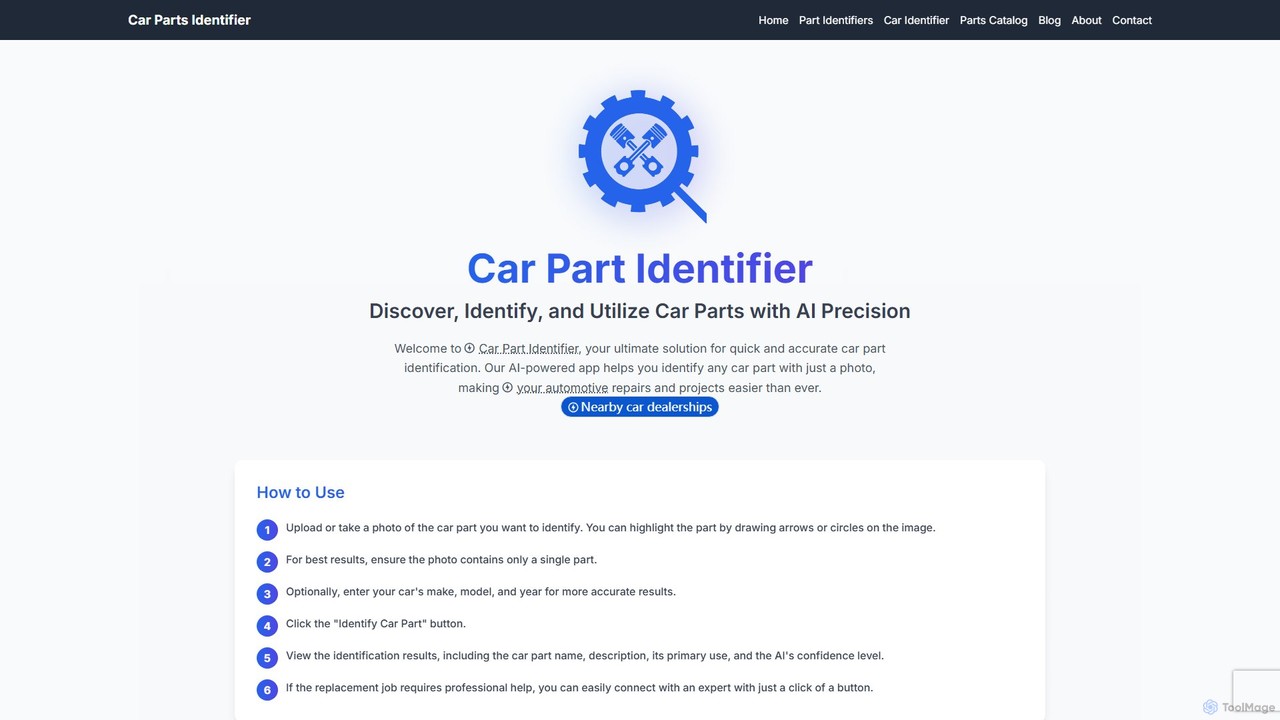
An AI-powered tool that accurately identifies car parts from a photo. Designed for mechanics, DIY enthusiasts, and automotive businesses, it provides part details, usage information, and direct links to purchase.

Diy
Visits 10.5KFavorites 107Likes 105
Depix
Paid

Depix

Depix is a professional AI design platform that transforms 2D sketches, 3D models, and physical prototypes into photorealistic renderings. It's tailored for automotive and product designers, accelerating workflows with advanced features like style transfer and brand-specific AI model fine-tuning.

3D
Visits 14KFavorites 121Likes 138
WrapStudio
Freemium

WrapStudio

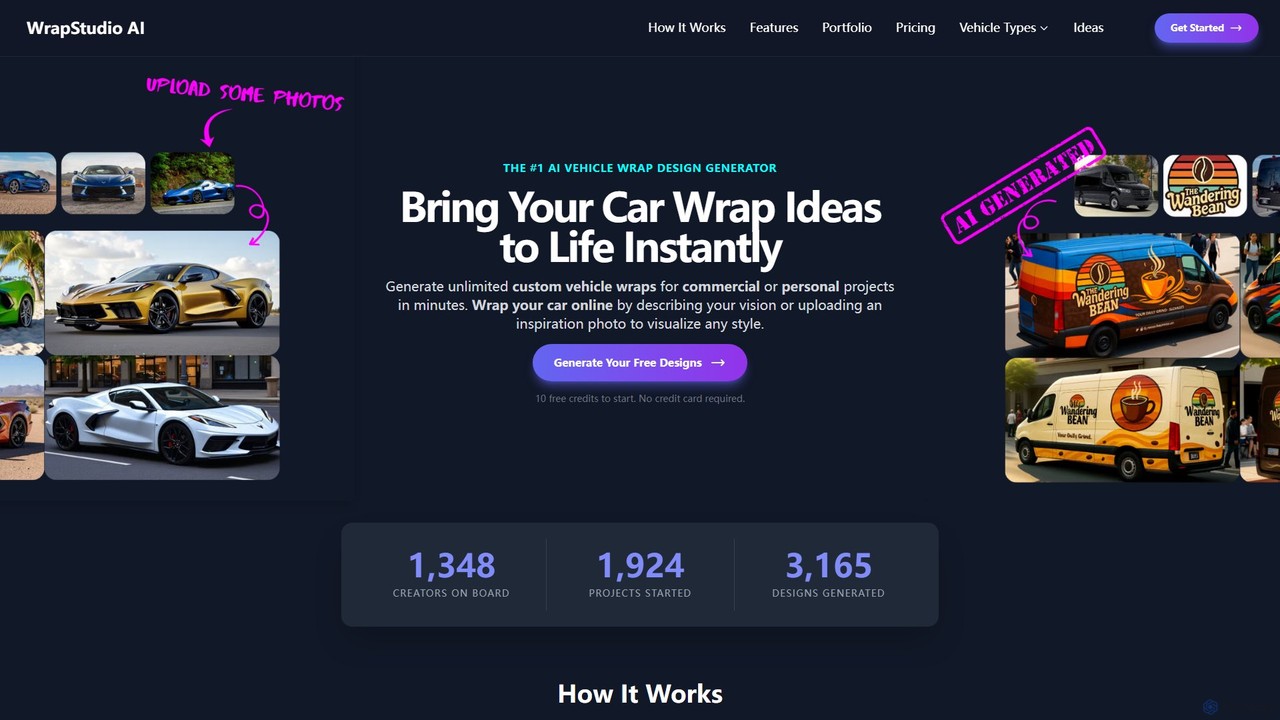
WrapStudio is the #1 AI-powered vehicle wrap design generator. Instantly create unlimited custom wraps for personal cars, commercial vans, and trucks in minutes. Describe your vision or upload an inspiration photo to visualize any style on a vast library of 3D and static vehicle models. Refine designs with simple text commands and get print-ready files, streamlining the entire creative process from concept to reality.

Image Generator
Visits 21.7KFavorites 151Likes 141

About Automotive

AI Automotive tools are a specialized category of software that apply artificial intelligence to enhance efficiency and innovation within the automotive industry. These tools leverage machine learning, computer vision, and predictive analytics to automate complex tasks, from vehicle design and manufacturing to diagnostics and fleet management. They empower engineers, technicians, and managers to make data-driven decisions, accelerating development cycles and improving vehicle performance and safety. The core value lies in their ability to process vast amounts of sensor and operational data to uncover insights and predict outcomes.

Core Features

  • Predictive Maintenance: Analyzes vehicle sensor data to forecast component failures before they occur, enabling proactive repairs.
  • Autonomous Systems Simulation: Creates realistic virtual environments to safely test and train self-driving algorithms and ADAS features.
  • AI-Powered Diagnostics: Identifies complex mechanical and electrical issues by analyzing error codes, performance data, and historical repair logs.
  • Manufacturing Quality Control: Utilizes computer vision to detect defects on assembly lines with superhuman accuracy, ensuring consistent product quality.
  • Fleet Management Optimization: Processes telematics data to optimize routes, monitor driver behavior, and manage fuel consumption for entire vehicle fleets.

Use Cases

These tools are widely used by automotive manufacturers for design validation and quality assurance. Engineering firms employ them for developing and testing autonomous driving systems. Modern repair shops and service centers rely on AI diagnostics for faster and more accurate troubleshooting, while large-scale fleet operators use them to minimize downtime and operational costs.

How to Choose

When selecting an AI Automotive tool, first consider its specific application—whether for design, manufacturing, diagnostics, or fleet management. Evaluate its data integration capabilities, ensuring it's compatible with your vehicle data protocols (e.g., CAN bus, OBD-II) and existing software. Assess the accuracy and reliability of its AI models, preferably through case studies or trials. Finally, consider the tool's scalability to handle the volume of data from a single vehicle to an entire fleet.

Automotive use cases

1

Predictive Maintenance for Fleet Vehicles

A fleet manager for a logistics company is responsible for minimizing vehicle downtime across hundreds of trucks. They use an AI automotive tool that connects to each truck's telematics system. The AI continuously analyzes data streams from the engine, transmission, and braking systems. It identifies subtle patterns that precede component failure and automatically generates a maintenance alert, specifying which truck needs service and which parts are at risk. This allows the manager to schedule repairs proactively during planned downtime, reducing roadside breakdowns by over 30% and cutting unexpected repair costs.

2

AI-Assisted Vehicle Diagnostics

An automotive technician at a busy repair shop faces a vehicle with a complex, intermittent electronic issue. Standard diagnostic tools show multiple, conflicting error codes. The technician uses an AI diagnostic platform that ingests the vehicle's live data, compares it with millions of historical repair cases, and analyzes manufacturer-specific data. The AI suggests the most probable cause is a faulty sensor wiring harness, not the expensive control module other tools pointed to. It also provides a step-by-step testing procedure to confirm the diagnosis, saving hours of troubleshooting and preventing the unnecessary replacement of a costly part.

3

Autonomous Driving Algorithm Simulation

An autonomous vehicle engineer needs to test how a new perception algorithm handles rare 'edge cases,' like an animal darting onto a highway at night. Physical testing is dangerous and impractical to replicate. The engineer uses an AI simulation platform to generate millions of virtual miles under these specific conditions. The platform can vary weather, lighting, and animal behavior to rigorously test the algorithm's limits. The AI logs every decision, allowing the team to identify failure points and retrain the model without ever putting a real vehicle at risk, drastically accelerating the development and validation process.

4

Quality Control on the Assembly Line

A quality control manager at an automotive plant needs to ensure every welded seam on a vehicle chassis meets precise specifications. Manual inspection is slow and prone to human error. They deploy a computer vision system powered by AI. High-resolution cameras capture images of each weld, and the AI model, trained on thousands of examples of good and bad welds, instantly flags any deviations in size, shape, or integrity. The system provides real-time feedback to robotic welders for immediate correction, achieving a 99.9% defect detection rate and improving the structural integrity of every vehicle.

5

Personalizing the In-Car Experience

A UX designer for a luxury car brand aims to create a truly adaptive cabin environment. They integrate an AI module into the infotainment system. This AI learns the driver's habits over time. It recognizes who is driving and automatically adjusts the seat position, mirrors, climate control, and favorite radio station. On a regular commute, it proactively suggests an alternate route to avoid traffic it has learned about from real-time data. It even learns the driver's music preferences for different times of day, creating a seamless and personalized experience that enhances driver comfort and satisfaction.

6

Optimizing Electric Vehicle (EV) Battery Management

An EV battery engineer is tasked with maximizing battery lifespan and providing accurate range predictions. They use an AI tool to analyze data from thousands of EVs in the field. The AI models how different charging habits (e.g., frequent fast charging vs. slow overnight charging), temperatures, and driving styles impact battery degradation. The system then provides drivers with personalized recommendations via the car's app to improve battery health. It also uses this data to create a highly accurate, real-time range prediction that adapts to the current driving conditions, building driver confidence and reducing range anxiety.

Automotive FAQ

What are AI Automotive tools?

AI Automotive tools are specialized software applications that use artificial intelligence, particularly machine learning and computer vision, to address challenges in the automotive industry. They analyze vast amounts of data from vehicles and manufacturing processes to perform tasks like predicting part failures, diagnosing complex engine problems, simulating autonomous driving scenarios, and ensuring quality control on assembly lines. Their primary goal is to increase efficiency, safety, and innovation in vehicle design, production, and maintenance.

How do I choose the right AI Automotive tool?

To choose the right tool, consider these factors:

  • Specific Need: Identify your primary goal. Do you need a tool for predictive maintenance, manufacturing quality control, ADAS simulation, or vehicle diagnostics?
  • Data Compatibility: Ensure the tool can integrate with your specific data sources, such as CAN bus data, telematics platforms, or factory floor sensors.
  • Model Accuracy: Look for evidence of the AI model's performance. Ask for case studies, accuracy metrics, or a trial period to validate its effectiveness for your use case.
  • Scalability and Support: Consider if the tool can scale from a pilot project to full deployment across a fleet or multiple factories, and evaluate the level of technical support provided.
What's the difference between AI Automotive tools and standard diagnostic software?

Standard diagnostic software typically operates on a rule-based system. It reads specific error codes (DTCs) from a vehicle's computer and matches them to a predefined list of potential problems. AI Automotive tools go a step further. They use machine learning to analyze patterns across vast datasets, including live sensor data, historical repairs, and data from similar vehicles. This allows them to identify complex issues that don't trigger a specific code, predict failures before they happen, and provide a more accurate, context-aware diagnosis rather than just a list of possibilities.

Who can benefit from using AI Automotive tools?

A wide range of professionals in the automotive ecosystem can benefit:

  • Automotive Engineers: For simulating and validating new designs, especially for autonomous systems and EV batteries.
  • Manufacturing Managers: To improve quality control, optimize assembly line efficiency, and reduce defects.
  • Mechanics and Technicians: To diagnose complex issues faster and more accurately, reducing repair times.
  • Fleet Operators: To minimize vehicle downtime, optimize maintenance schedules, and reduce operational costs through predictive analytics.
  • UX Designers: To create personalized and adaptive in-car experiences for drivers.
How does AI improve vehicle safety?

AI significantly enhances vehicle safety in several key ways. It is the core technology behind Advanced Driver-Assistance Systems (ADAS), using computer vision and sensors to detect obstacles, pedestrians, and other vehicles to enable features like automatic emergency braking and lane-keeping assist. In autonomous driving, AI is responsible for perceiving the environment and making critical driving decisions. Furthermore, AI-powered predictive maintenance can identify potential safety-critical failures, such as brake or tire issues, before they lead to an accident, making vehicles safer through proactive intervention.