ToolMage
Sign in

Best 4 Business AI tools for Productivity

Popular Business AI tools in Productivity include Looka, cards_ai, Opuna, and CaseGenius, helping you work more efficiently.

cards_ai
Free

cards_ai

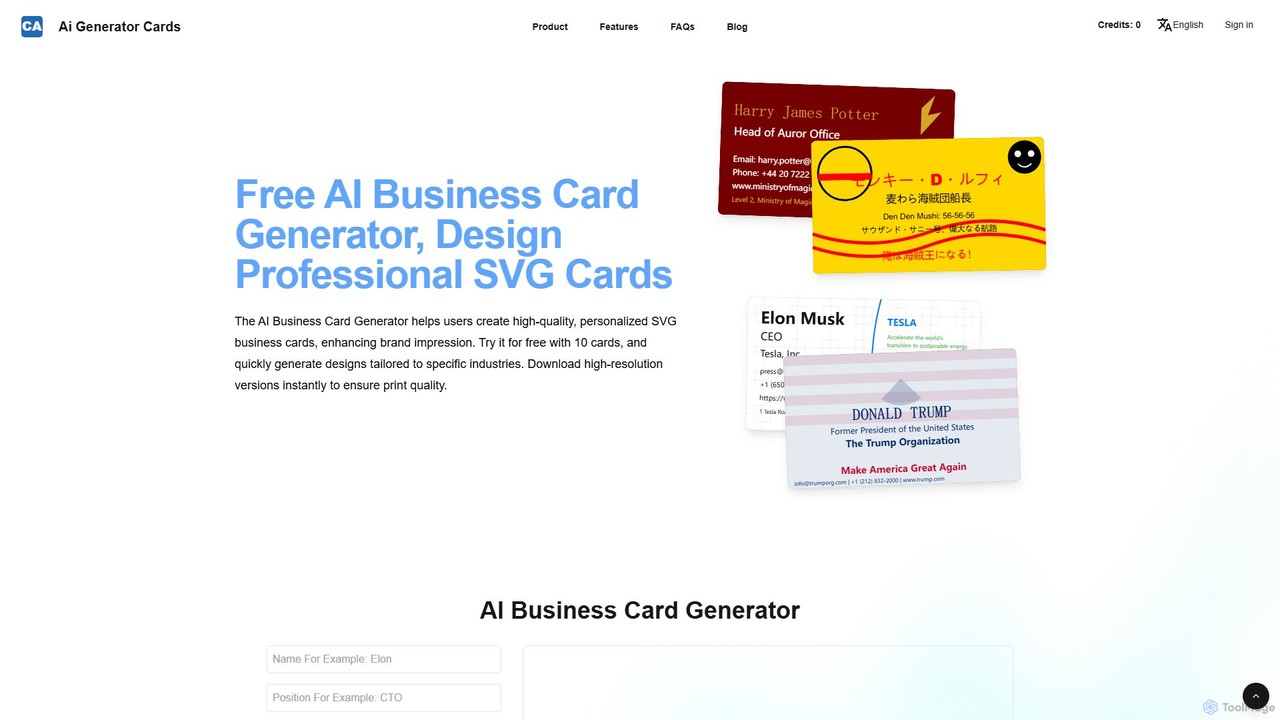
cards_ai is a free AI-powered tool that instantly generates professional, high-quality business cards. Users can create unique, customizable designs using AI prompts, access industry-specific templates, and download print-ready SVG files at no cost. It's a fast, efficient solution for creating stunning business cards without any design experience.

Branding
Visits 6.1KFavorites 129Likes 109
CaseGenius
Freemium

CaseGenius

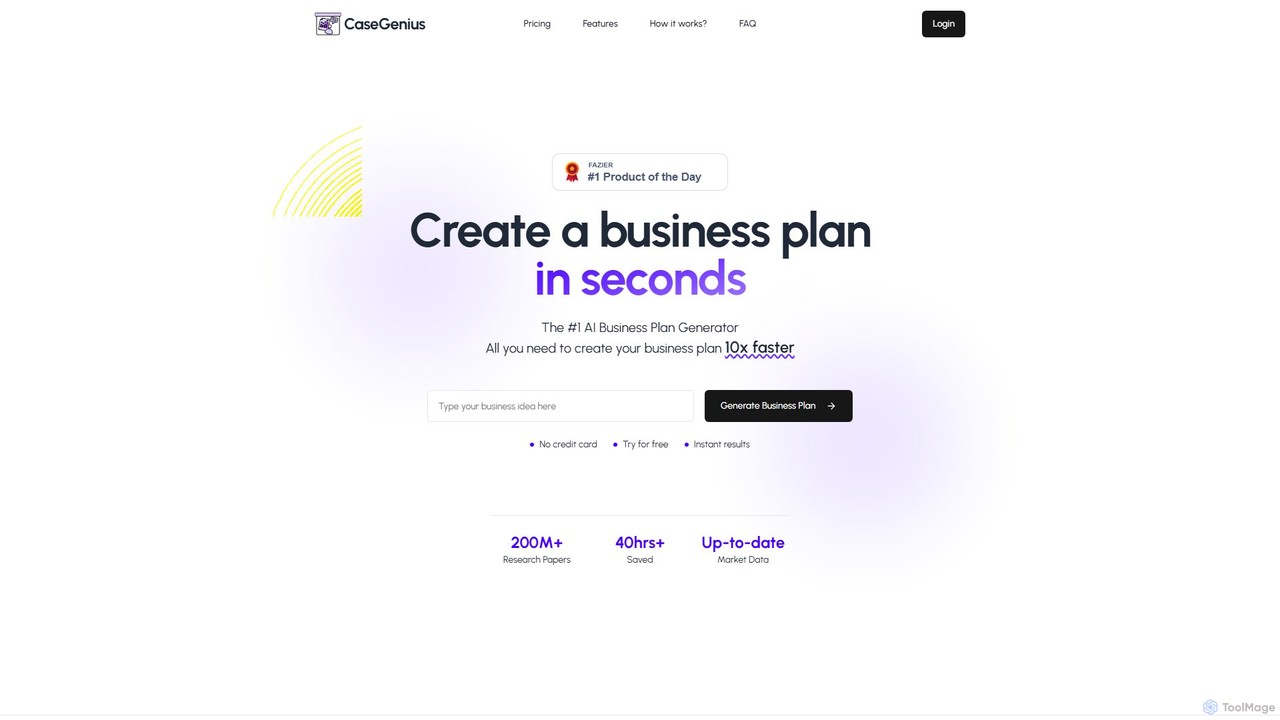
CaseGenius is an AI-powered business plan generator that creates comprehensive, data-backed business plans in minutes. It automates market research, financial analysis, and data visualization by leveraging real-time data from sources like SEC filings, academic papers, and market reports, saving users over 40 hours of manual work per plan.

Startups
Visits 5.4KFavorites 133Likes 140
Looka
Freemium

Looka

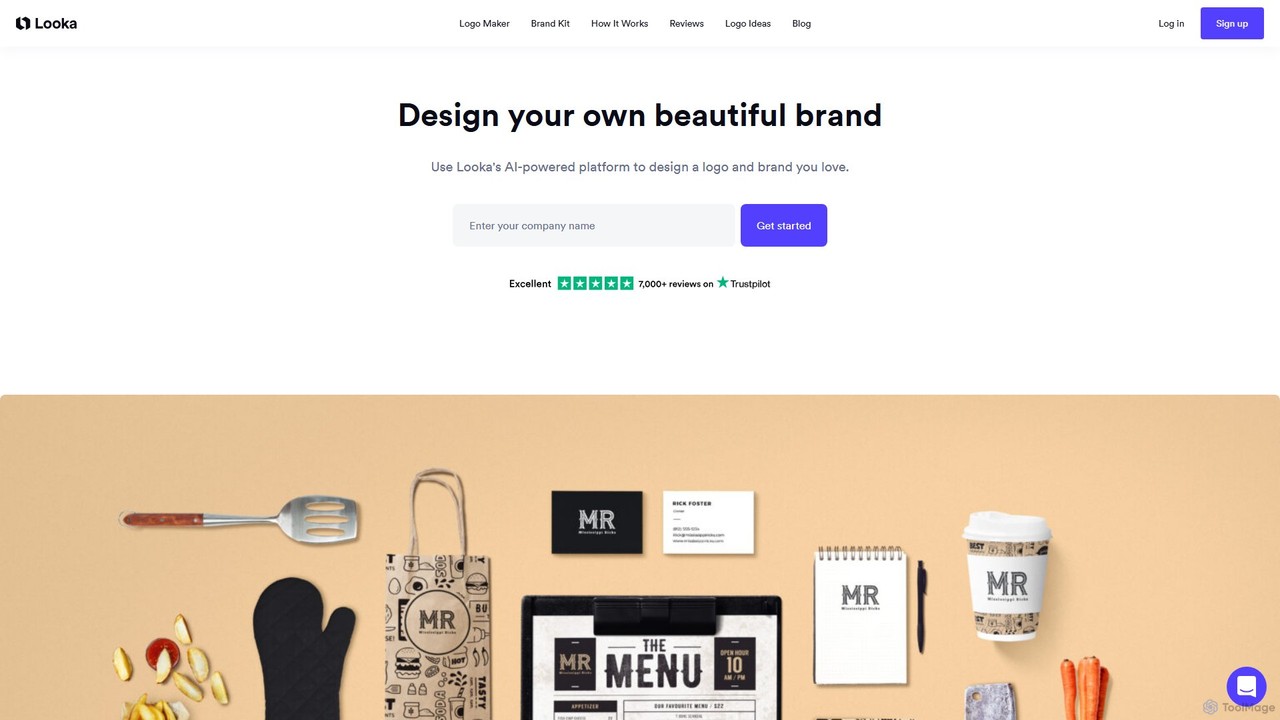
Looka is an AI-powered design platform that helps entrepreneurs create a professional logo and build a complete brand identity. Without needing any design skills, you can generate hundreds of unique logo options and customize them to match your vision. Looka also provides a comprehensive Brand Kit, which includes social media templates, business cards, and other marketing materials, making it easy to launch and market your business from day one.

Logo Generation
Visits 995.2KFavorites 130Likes 141
Opuna
Freemium

Opuna

Opuna is a specialized marketplace for AI-driven digital products. It empowers creators to sell AI tools, software, educational materials, and community memberships, while providing buyers with a curated platform to discover innovative solutions for business, marketing, creativity, and personal development.

Generative Ai
Visits 5.5KFavorites 158Likes 145

About Business

AI Business tools are a specialized category of software designed to automate, analyze, and optimize core operational processes within an organization. Leveraging machine learning and data analytics, these tools transform complex business data into actionable insights for strategic decision-making. They are primarily used to enhance functions like financial forecasting, customer relationship management, and market analysis. Unlike general productivity tools that focus on individual tasks, AI business tools address systemic, organization-wide challenges and integrate deeply with enterprise systems.

Core Features

  • Business Intelligence (BI): Automatically analyzes large datasets to identify trends, patterns, and performance metrics.
  • Process Automation: Automates repetitive workflows such as data entry, invoice processing, and customer support routing.
  • Predictive Analytics: Uses historical data to forecast future outcomes, such as sales trends, customer churn, or supply chain disruptions.
  • CRM Enhancement: Enriches customer relationship management systems with features like automated lead scoring and sentiment analysis.

Use Cases

These tools are widely adopted in departments like finance for automated reporting and fraud detection, marketing for market trend analysis and campaign optimization, and sales for accurate forecasting. Operations teams also use them to optimize supply chain logistics and inventory management, driving efficiency across the enterprise.

How to Choose

When selecting an AI Business tool, consider its integration capabilities with your existing systems (e.g., ERP, CRM). Evaluate its scalability to ensure it can grow with your company. Assess the tool's specific analytical models to confirm they align with your business objectives, and verify its data security and compliance with industry standards.

Business use cases

1

Automate Market Trend Analysis for Strategic Planning

A marketing strategist uses an AI business tool to continuously monitor and analyze millions of online data points, including news articles, social media posts, and competitor announcements. The platform identifies emerging consumer trends and sentiment shifts in real-time. It then generates a concise, data-driven report that highlights key opportunities and threats, allowing the strategy team to make agile decisions and shape the next quarter's marketing campaign with confidence, saving weeks of manual research.

2

Enhance Sales Forecasting Accuracy

A sales manager integrates an AI business tool with their company's CRM. The AI analyzes historical sales data, lead engagement scores, seasonality, and external market indicators. It generates a dynamic sales forecast with a higher degree of accuracy than traditional spreadsheet models. This allows the manager to set realistic targets, allocate sales resources more effectively, and provide senior leadership with reliable revenue projections for financial planning.

3

Optimize Supply Chain and Inventory Management

An operations manager for an e-commerce company uses an AI platform to optimize their supply chain. The tool analyzes real-time sales data, supplier lead times, and shipping logistics to predict demand for thousands of products. It automatically suggests optimal reorder points and quantities to prevent stockouts while minimizing excess inventory costs. The system also identifies potential disruptions, such as shipping delays, and recommends alternative suppliers or routes to maintain operational resilience.

4

Streamline Financial Reporting and Anomaly Detection

A finance department employs an AI business tool to automate the consolidation of financial data from multiple sources like ERPs, bank accounts, and payment gateways. The tool generates accurate monthly and quarterly reports in minutes instead of days. Furthermore, its machine learning algorithms continuously monitor all transactions, flagging unusual patterns or potential fraudulent activities in real-time. This enhances financial security, ensures compliance, and frees up a team's time for more strategic analysis.

5

Automate Customer Support Ticket Routing

A customer service department uses an AI tool that integrates with their helpdesk software. When a new support ticket arrives, the AI uses Natural Language Processing (NLP) to instantly analyze its content, determine the issue's category (e.g., billing, technical), and assess its urgency. It then automatically routes the ticket to the most qualified agent or department, bypassing manual triage. This significantly reduces first response times and ensures customers are connected with the right expert faster.

6

Facilitate Data-Driven Employee Performance Reviews

An HR department implements an AI business tool to gather and analyze performance data from various systems, including project management software, communication platforms, and sales CRMs. The tool provides managers with objective, quantitative insights into an employee's contributions, achievements, and areas for development. This data-driven approach reduces personal bias in performance reviews, facilitates more constructive feedback conversations, and helps in creating personalized development plans to foster employee growth.

Business FAQ

What are AI Business tools?

AI Business tools are specialized software applications that use artificial intelligence to analyze data, automate processes, and optimize operations for organizations. They are designed to handle complex, large-scale tasks such as financial forecasting, market analysis, and supply chain management. Unlike general productivity apps, these tools often integrate with core enterprise systems like CRMs and ERPs to provide deep, actionable insights that drive strategic business decisions.

How do AI Business tools differ from general Productivity tools?

The main difference lies in their scope and focus. General productivity tools (like note-takers or task managers) are designed to improve individual or small-team efficiency. AI Business tools, however, are built to address complex, organization-wide processes. They focus on strategic objectives like increasing revenue, optimizing supply chains, or analyzing market trends, and typically require integration with large-scale business systems like a CRM or ERP to function effectively.

How to choose the right AI Business tool for my company?

To choose the right tool, focus on these key factors:

  • Integration Capability: Ensure the tool can seamlessly connect with your existing software stack, such as your CRM, ERP, or marketing automation platforms.
  • Scalability: Select a solution that can handle your current data volume and grow with your business needs without significant performance degradation.
  • Industry Specialization: Look for tools designed for your specific industry or business function (e.g., finance, e-commerce, healthcare) as they often have more relevant features.
  • Data Security and Compliance: Verify that the tool adheres to industry-standard security protocols and complies with data privacy regulations like GDPR or CCPA.
What are the key functions of AI Business tools?

Most AI Business tools revolve around four core functions:

  • Business Intelligence (BI) and Analytics: Transforming raw data into understandable reports and dashboards to track performance and identify trends.
  • Business Process Automation (BPA): Automating routine, rule-based tasks like data entry, customer service routing, and invoice processing to increase efficiency.
  • AI-enhanced Customer Relationship Management (CRM): Using AI to score leads, predict customer churn, personalize marketing, and analyze customer sentiment.
  • Predictive Forecasting: Applying machine learning models to historical data to predict future outcomes, such as sales, demand, or market changes.
Which departments can benefit most from AI Business tools?

Virtually every department can benefit, but some of the most common adopters are:

  • Sales: For lead scoring, sales forecasting, and identifying upselling opportunities.
  • Marketing: For market trend analysis, customer segmentation, and personalizing campaigns at scale.
  • Finance: For automated financial reporting, fraud detection, and risk assessment.
  • Operations: For supply chain optimization, demand forecasting, and inventory management.
  • Human Resources: For streamlining recruitment, analyzing employee engagement, and predicting attrition.