Productivity Best in category 2 results Classroom Management AI Tool

Popular AI tools in the Classroom Management field of Productivity include Securly、CodeHS, etc., helping you quickly improve efficiency.

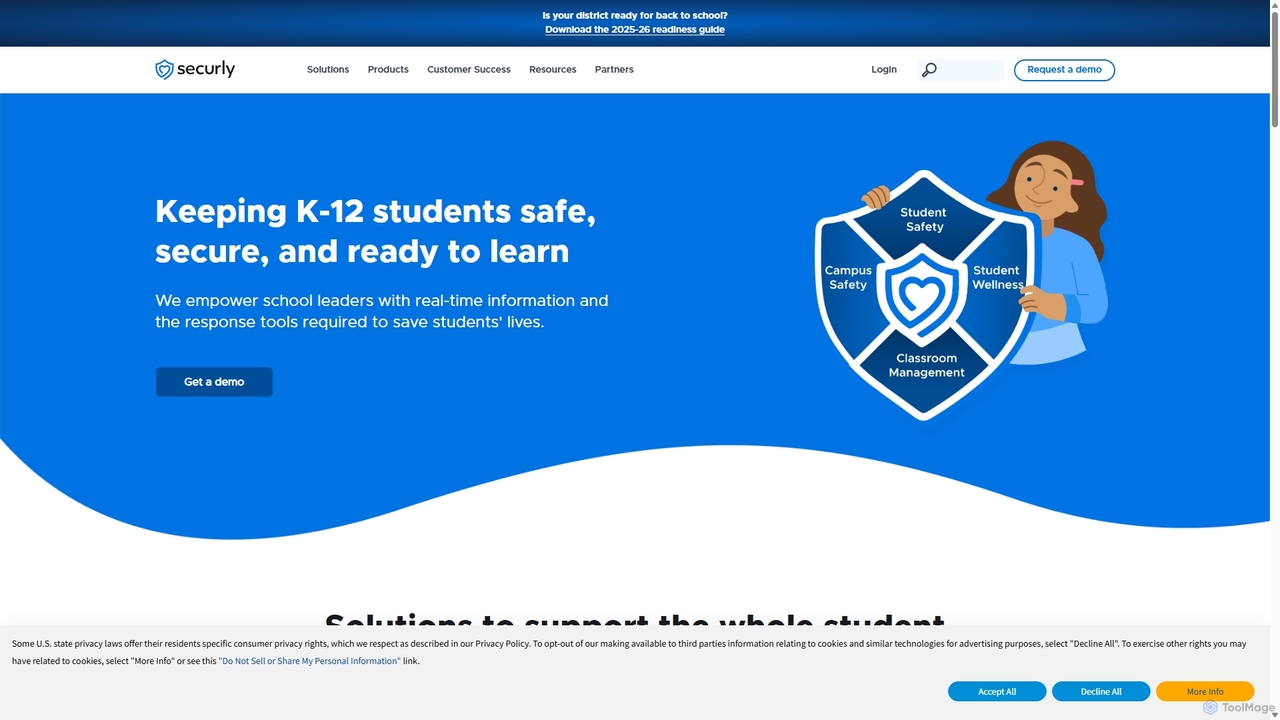
Securly

Securly

Securly is a comprehensive AI-powered student safety and wellness platform for K-12 schools. It provides web filtering, wellness …

24.5M
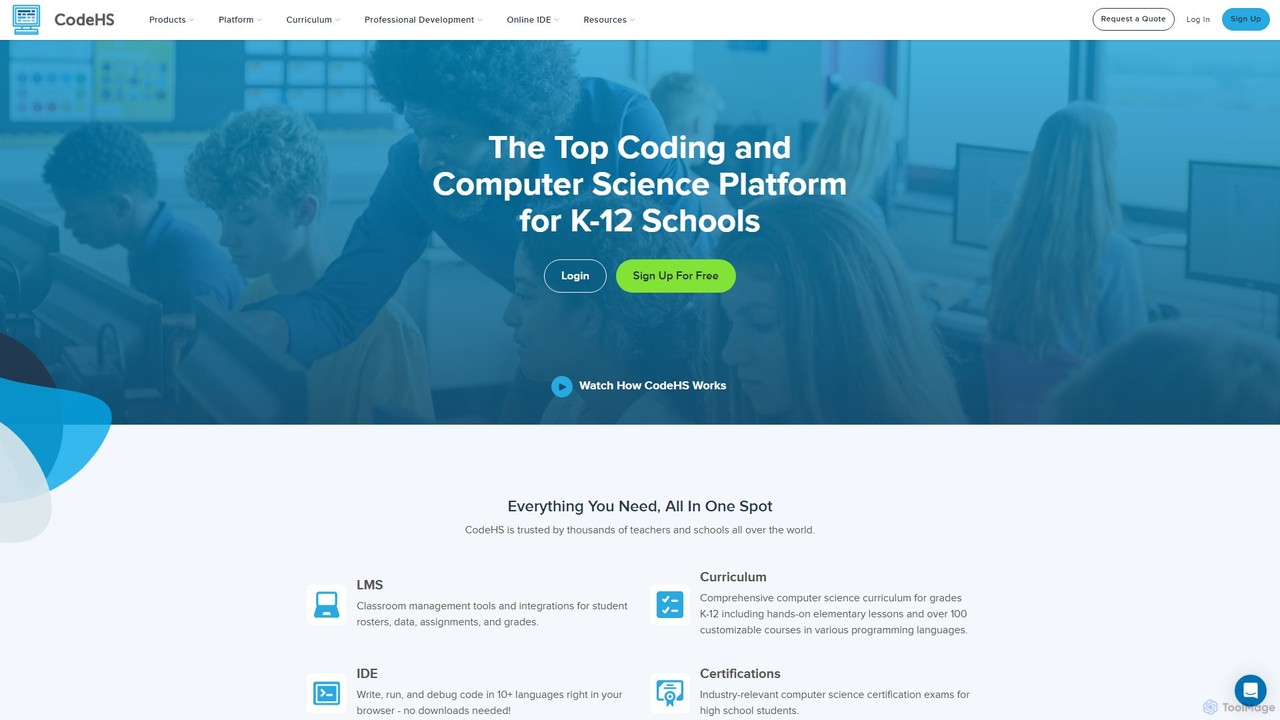
CodeHS

CodeHS

CodeHS is a comprehensive web-based platform for teaching computer science in K-12 schools. It provides an all-in-one solution …

1.8M

About Classroom Management

AI Classroom Management tools are specialized applications designed to help educators automate administrative tasks, monitor student engagement, and personalize learning experiences. These tools leverage artificial intelligence to analyze real-time classroom data, such as participation patterns and assignment performance. The primary value is to free up teachers from repetitive work, allowing them to focus on instruction and provide targeted support based on data-driven insights. They represent a focused application of productivity technology specifically tailored for the unique dynamics of educational environments.

Core Features

  • Automated Monitoring: Uses AI to track student attendance, on-screen activity, and participation levels in both physical and virtual classrooms.
  • Behavioral Analysis: Identifies patterns in student engagement or distraction, providing educators with alerts and summary reports.
  • Personalized Feedback & Assistance: Offers instant feedback on quizzes and assignments, and can suggest individualized learning resources based on performance.
  • Intelligent Grouping: Recommends student groupings for collaborative projects based on skill levels, learning styles, or social dynamics.
  • Task Automation: Automates routine tasks such as grading simple assessments, managing schedules, and sending reminders to students.

Applicable Scenarios

These tools are widely used across K-12 education, higher education, and corporate training settings. They are particularly effective in managing large classes, monitoring remote or hybrid learning environments, and implementing differentiated instruction strategies. For instance, a university professor can use it to track engagement in a 200-person lecture, while a corporate trainer can monitor progress in a self-paced online course.

Selection Criteria

When choosing an AI Classroom Management tool, consider its integration capabilities with your existing Learning Management System (LMS). Evaluate its data privacy and security policies to ensure compliance with regulations like FERPA or GDPR. Assess whether its feature set aligns with your pedagogical goals—whether you need behavior monitoring, automated grading, or personalization. Finally, consider the ease of use for both instructors and students to ensure smooth adoption.

Classroom ManagementUse Cases

1

Automating Attendance in Large University Lectures

A university professor teaching a course with over 200 students uses an AI classroom management tool to automate attendance tracking. Instead of spending the first 10 minutes of each lecture on a manual roll call, the system uses facial recognition via classroom cameras or analyzes student logins to the online portal. The professor receives an automated report after each class, saving significant time and providing an accurate record. This allows the lecture to start promptly and frees the professor to focus on engaging with students rather than on administrative tasks.

2

Monitoring Engagement in a Remote K-12 Classroom

A middle school teacher conducting a hybrid class uses an AI tool to monitor student engagement. The software analyzes which students have the lesson window active on their screens, tracks participation in polls, and measures speaking time during breakout sessions. The teacher receives real-time alerts if a student appears disengaged for an extended period, such as having another application open. This allows the teacher to privately message the student to offer help or gently redirect their attention, ensuring remote students receive the same level of support as those in person.

3

Providing Differentiated Assignments in a Mixed-Ability Class

An elementary school teacher uses an AI platform to deliver personalized math assignments. After the class completes a diagnostic quiz, the AI analyzes each student's results, identifying specific areas of strength and weakness. Based on this analysis, the system automatically generates a unique homework packet for each student. Struggling students receive more foundational problems and hints, while advanced students are given challenging extension problems. This automates the process of differentiation, saving the teacher hours of planning and ensuring every student works on material appropriate for their level.

4

Managing Online Discussion Forums for Corporate Training

A corporate trainer for a global company uses an AI tool to manage discussion forums for a mandatory compliance course. With hundreds of employees posting questions, the AI automatically categorizes posts by topic (e.g., 'Policy Questions', 'Technical Issues'). It also flags duplicate questions, directing users to existing answers, and identifies urgent or unanswered queries for the trainer's immediate attention. This system prevents the trainer from being overwhelmed and ensures all employees receive timely and consistent information, improving the effectiveness of the training program.

5

Identifying At-Risk Students Through Behavioral Analytics

A high school's student support team uses an AI management platform that integrates with their LMS. The system tracks multiple data points, including attendance, assignment submission timeliness, and participation in online forums. The AI establishes a baseline behavior for each student and flags significant deviations. For example, if a typically punctual student starts submitting work late and stops participating, the system alerts the support team. This proactive approach allows counselors to intervene early with support services before the student's grades drop significantly, fostering a more supportive learning environment.

6

Streamlining Lab Report Feedback with AI Assistance

A university biology instructor uses an AI tool to streamline the feedback process for student lab reports. Students submit their reports through the platform, which automatically checks for common issues like incorrect formatting, missing citations, and grammatical errors. The AI provides instant, formative feedback on these structural elements, allowing students to revise their work before the final submission. This frees up the instructor's time to focus on evaluating the scientific content, methodology, and critical analysis of the reports, leading to deeper and more meaningful feedback for students.

Classroom ManagementFrequently Asked Questions