Productivity Best in category 5 results Client Management AI Tool

Popular AI tools in the Client Management field of Productivity include Copilot、Clientjoy、Vibly、Hubflo、Retainr, etc., helping you quickly improve efficiency.

Copilot

Copilot

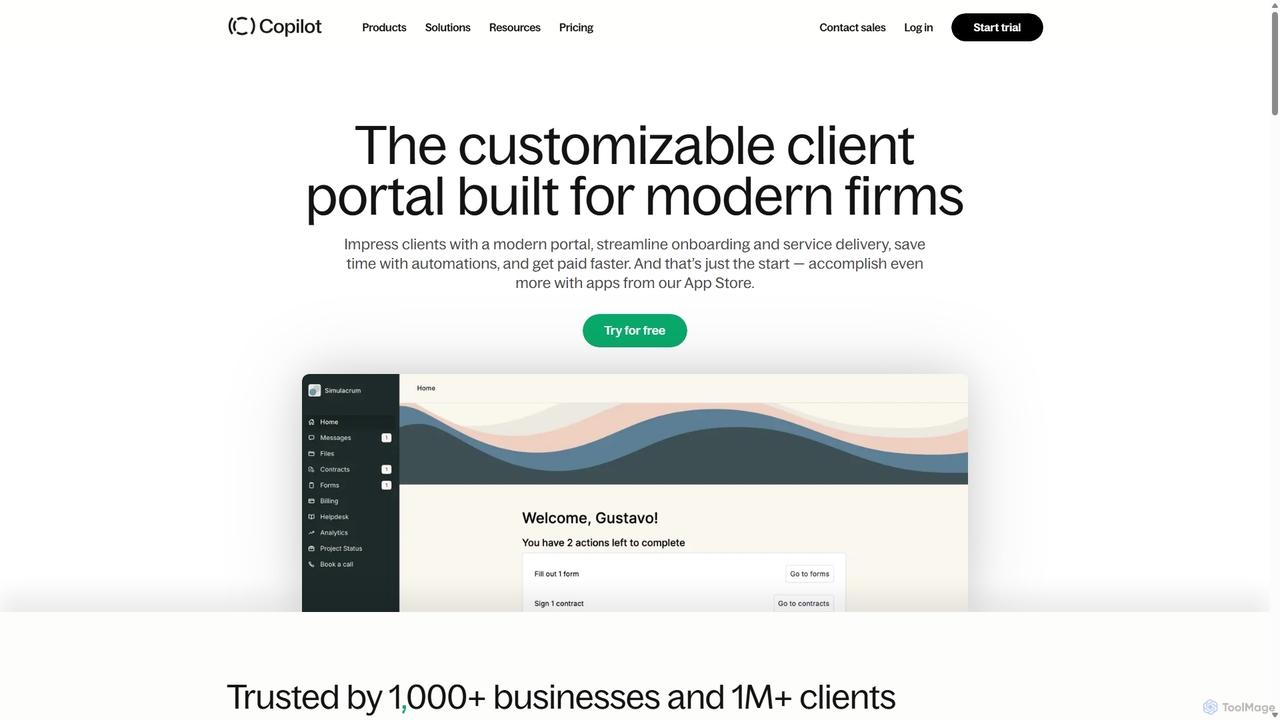
Copilot is a comprehensive client portal software designed for service-based businesses. It provides a white-label platform to streamline …

27.2K
Retainr

Retainr

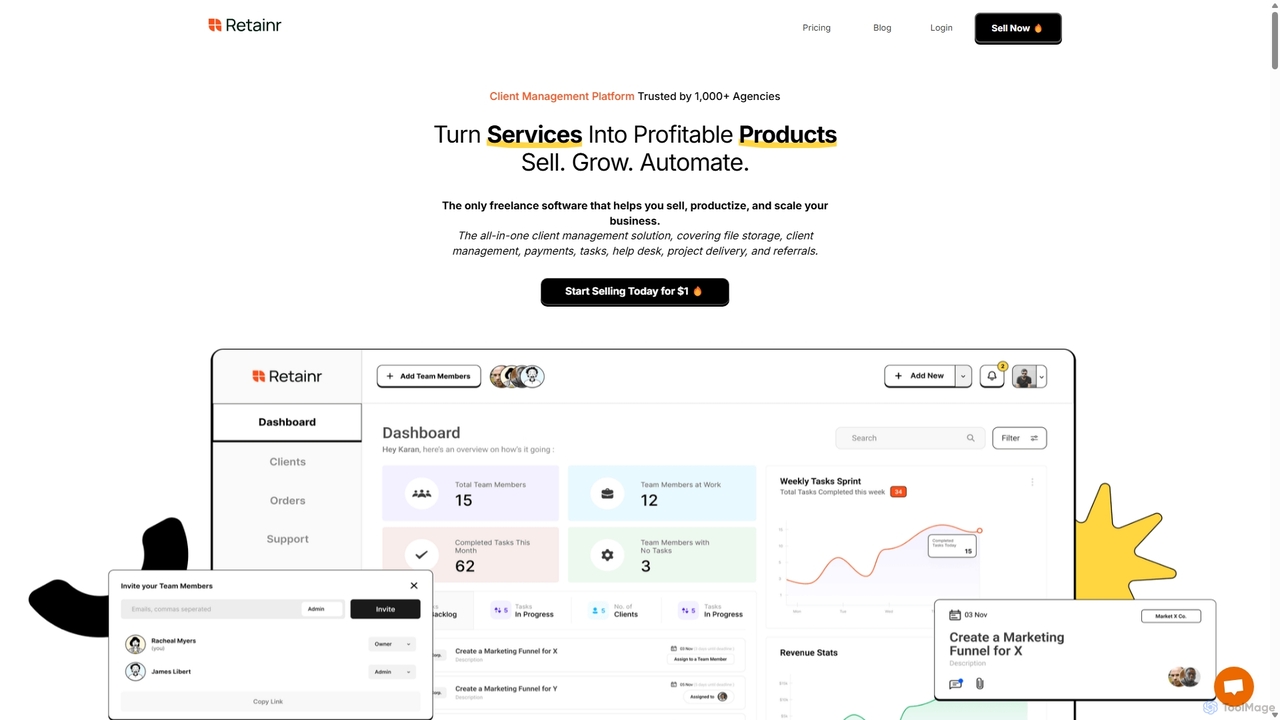
Retainr is an all-in-one client management platform designed for freelancers and agencies. It helps you productize your services, …

6.8K
Vibly

Vibly

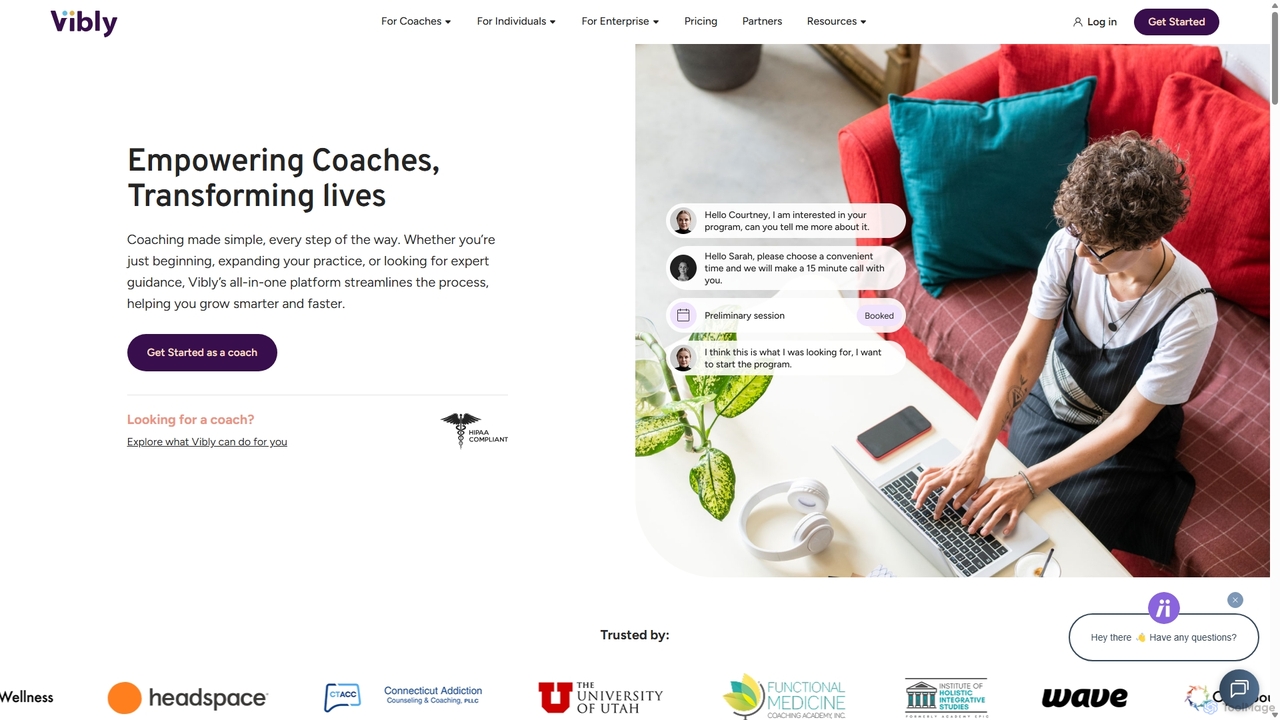
Vibly is an all-in-one, AI-powered client management platform designed for coaches. It streamlines every aspect of a coaching …

12.3K
Clientjoy

Clientjoy

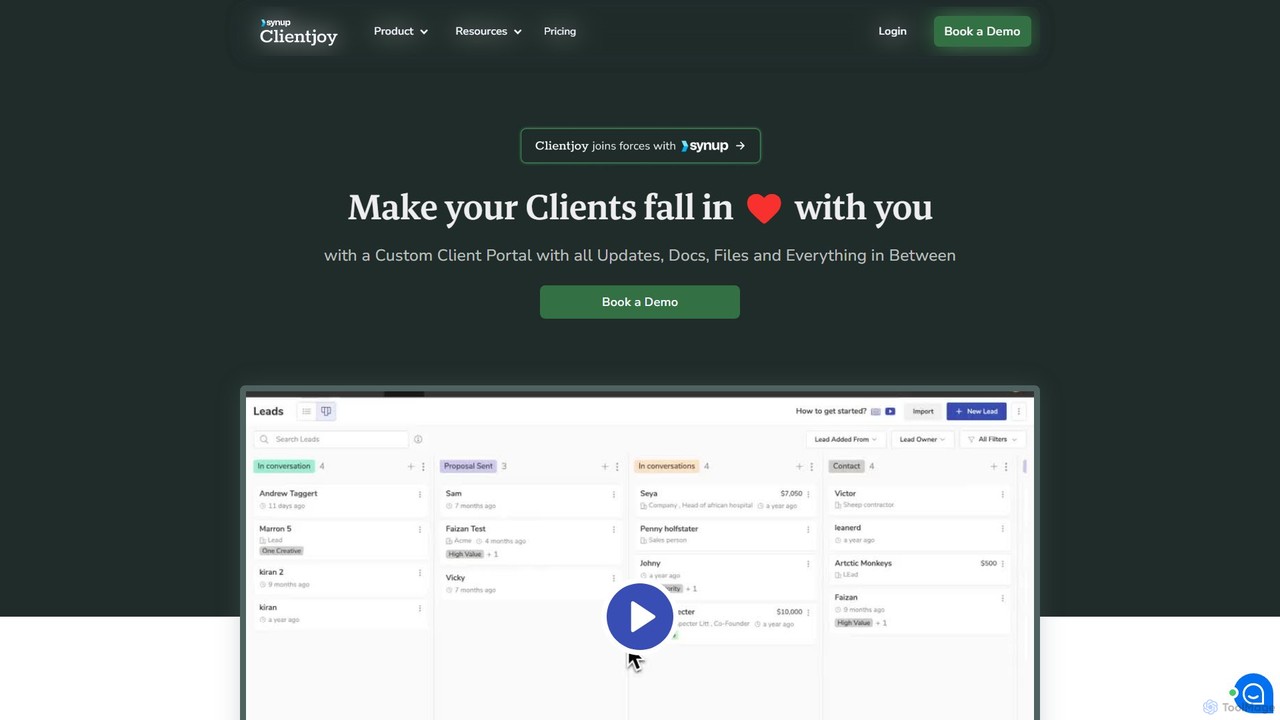
Clientjoy is an all-in-one operating system and CRM designed specifically for agencies and freelancers. It streamlines the entire …

13.9K
Hubflo

Hubflo

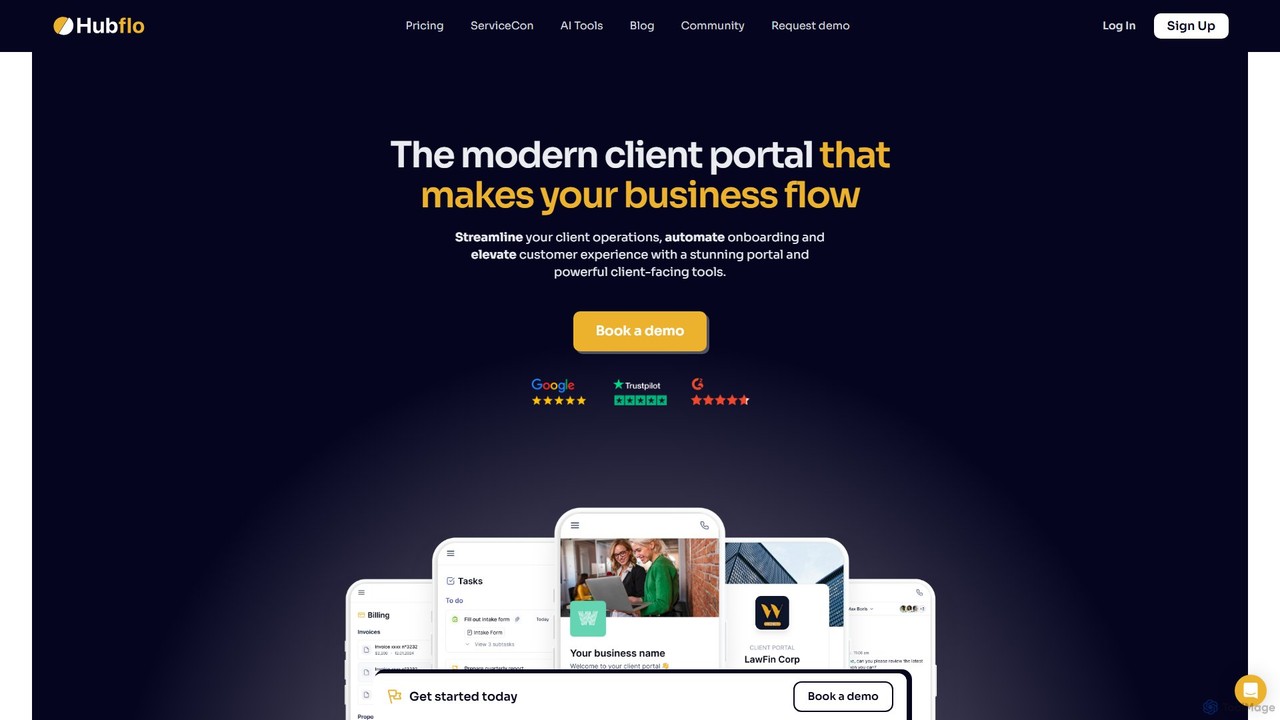
Hubflo is an all-in-one, AI-powered client portal designed for professional service businesses. It streamlines client operations, automates onboarding, …

11.8K

About Client Management

Client Management AI tools are a category of solutions that leverage artificial intelligence to optimize and automate various aspects of customer interaction and relationship management. These tools utilize AI for tasks such as predictive analytics, sentiment analysis, and intelligent automation, enabling businesses to enhance customer satisfaction, streamline workflows, and drive growth. They provide a sophisticated approach to understanding customer needs, personalizing engagement, and improving operational efficiency within the broader context of productivity.

Core Features

  • AI-Powered Lead Scoring: Automatically assesses and prioritizes leads based on their likelihood to convert, using historical data and behavioral patterns.
  • Automated Customer Communication: Generates personalized emails, messages, and responses using natural language processing, ensuring timely and relevant outreach.
  • Sentiment Analysis: Analyzes customer feedback from various channels to gauge sentiment, identify pain points, and proactively address issues.
  • Predictive Customer Churn: Identifies customers at risk of leaving by analyzing usage patterns and interaction history, allowing for targeted retention efforts.
  • Personalized Engagement Strategies: Recommends tailored product offerings, content, and support based on individual customer profiles and past interactions.

Applicable Scenarios

Businesses across various sectors, including sales, marketing, and customer service, utilize Client Management AI tools. Sales teams employ them for intelligent lead qualification and personalized outreach, while marketing departments use them for targeted campaign segmentation and customer journey optimization. Customer service operations benefit from automated support, sentiment monitoring, and proactive issue resolution, leading to improved service quality and reduced response times.

How to Choose

When selecting a Client Management AI tool, consider its integration capabilities with existing CRM systems and other business applications. Evaluate the depth of its AI features, such as the accuracy of its predictive models and the naturalness of its automated communication. Assess scalability to ensure it can grow with your customer base, and review data privacy and security protocols. Finally, compare pricing models and the level of customer support offered.

Client ManagementUse Cases

1

Optimizing Sales Lead Qualification

Sales teams utilize Client Management AI tools to automatically score and prioritize incoming leads based on their engagement, demographics, and behavioral data. This allows sales representatives to focus their efforts on prospects with the highest conversion potential, significantly reducing manual vetting time and improving the overall efficiency of the sales pipeline, leading to higher conversion rates.

2

Automating Personalized Customer Onboarding

Businesses deploy Client Management AI tools to create and send tailored onboarding sequences to new customers. These tools can provide relevant resources, answer common initial queries through chatbots, and guide users through product setup based on their specific needs. This ensures a smooth and efficient onboarding experience, reducing support tickets and increasing early customer engagement and satisfaction.

3

Proactive Customer Support and Issue Resolution

Customer service departments leverage Client Management AI tools with sentiment analysis capabilities to detect early signs of customer dissatisfaction from various communication channels. AI-driven alerts can then trigger proactive support interventions, such as personalized outreach or automated solutions, preventing potential churn and transforming negative experiences into positive ones, thereby improving customer loyalty and reducing reactive support load.

4

Enhancing Marketing Campaign Personalization

Marketing professionals utilize Client Management AI tools to dynamically segment customer bases and generate highly personalized content for email campaigns, social media ads, and website experiences. By analyzing past interactions, purchase history, and browsing behavior, AI enables marketers to deliver messages that resonate deeply with individual customers, significantly increasing engagement rates and campaign ROI.

5

Predicting and Preventing Customer Churn

Subscription-based services and SaaS companies employ Client Management AI tools to identify customers showing early signs of churn. By analyzing usage patterns, support interactions, and billing history, AI models can predict which customers are at risk. This enables businesses to launch targeted retention efforts, such as personalized offers, proactive support, or re-engagement campaigns, effectively reducing churn rates and preserving recurring revenue.

6

Streamlining Feedback Collection and Analysis

Companies use Client Management AI tools to automatically collect, categorize, and analyze customer feedback from various sources like surveys, social media, and review platforms. AI can identify key themes, sentiment, and emerging trends within large volumes of unstructured data. This streamlines the process of extracting actionable insights, enabling businesses to make data-driven decisions for product improvements, service enhancements, and overall customer experience optimization.

Client ManagementFrequently Asked Questions