ToolMage
Sign in

Best 28 Compliance AI tools for Productivity

Popular Compliance AI tools in Productivity include Lakera, PowerDMARC, accessiBe, Nightfall AI, AiPrise, Hawk, Skynet Technologies, Credo AI, Salt Security, and Mindgard, helping you work more efficiently.

Swift Security

Swift Security

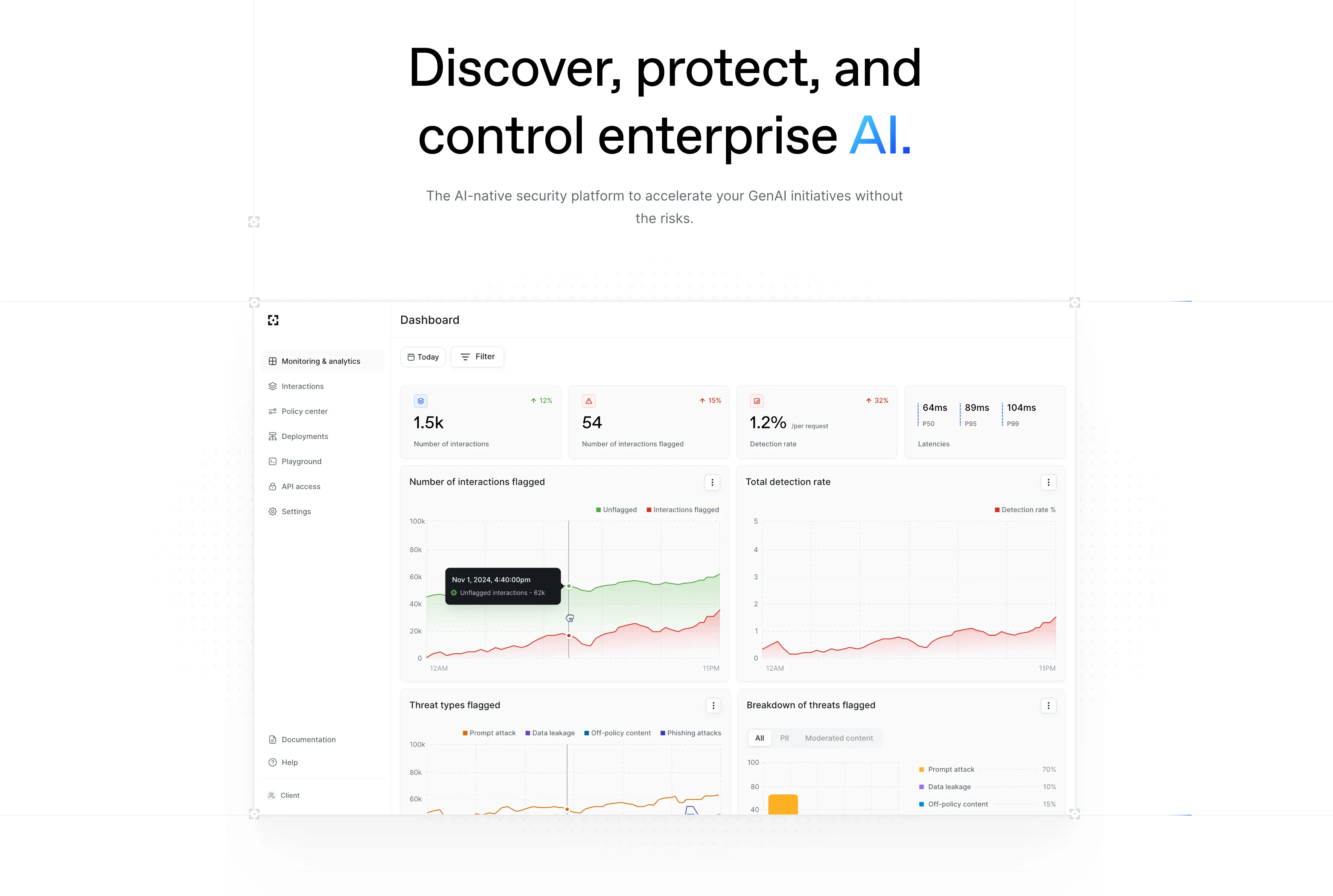
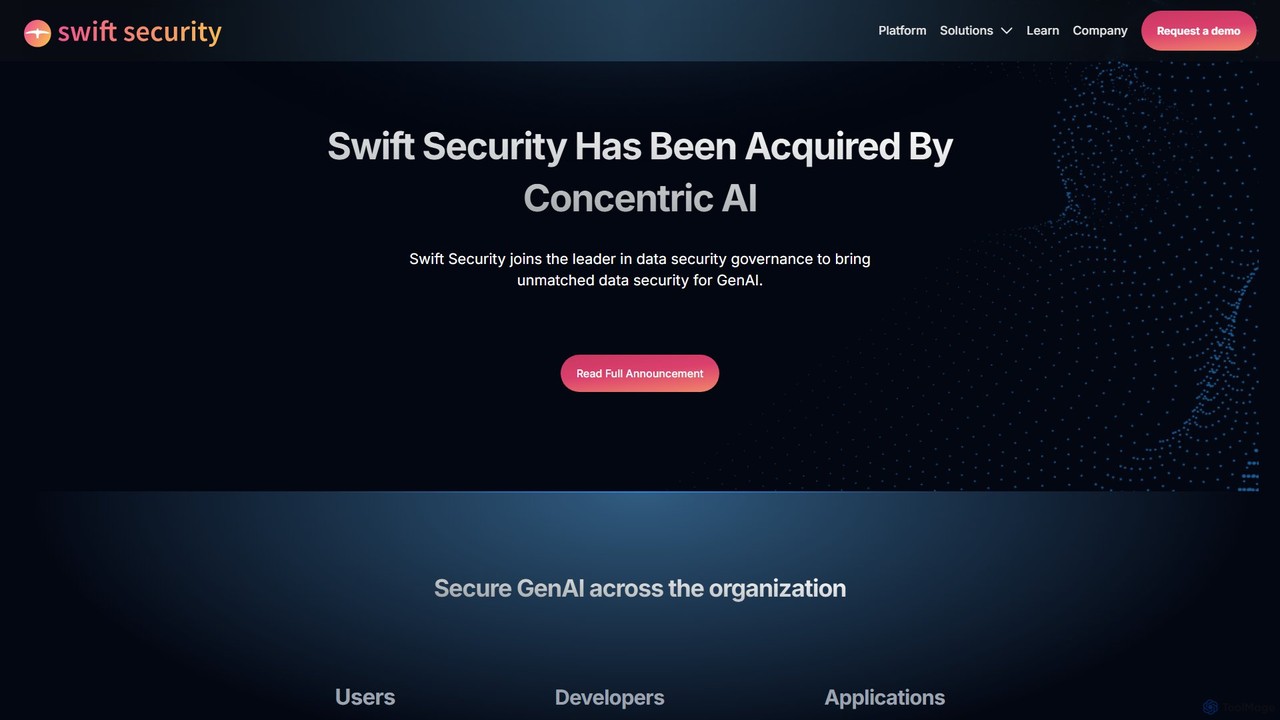
Swift Security, now part of Concentric AI, is an advanced enterprise platform for securing Generative AI. It provides real-time data classification, threat protection, and centralized control over public and private LLMs. The solution prevents sensitive data leakage, blocks risky AI usage, and mitigates threats like prompt injection, ensuring organizations can safely adopt AI technologies while maintaining compliance and security.

Enterprise Solutions
Visits 6.6KFavorites 152Likes 152
Nightfall AI
Paid

Nightfall AI

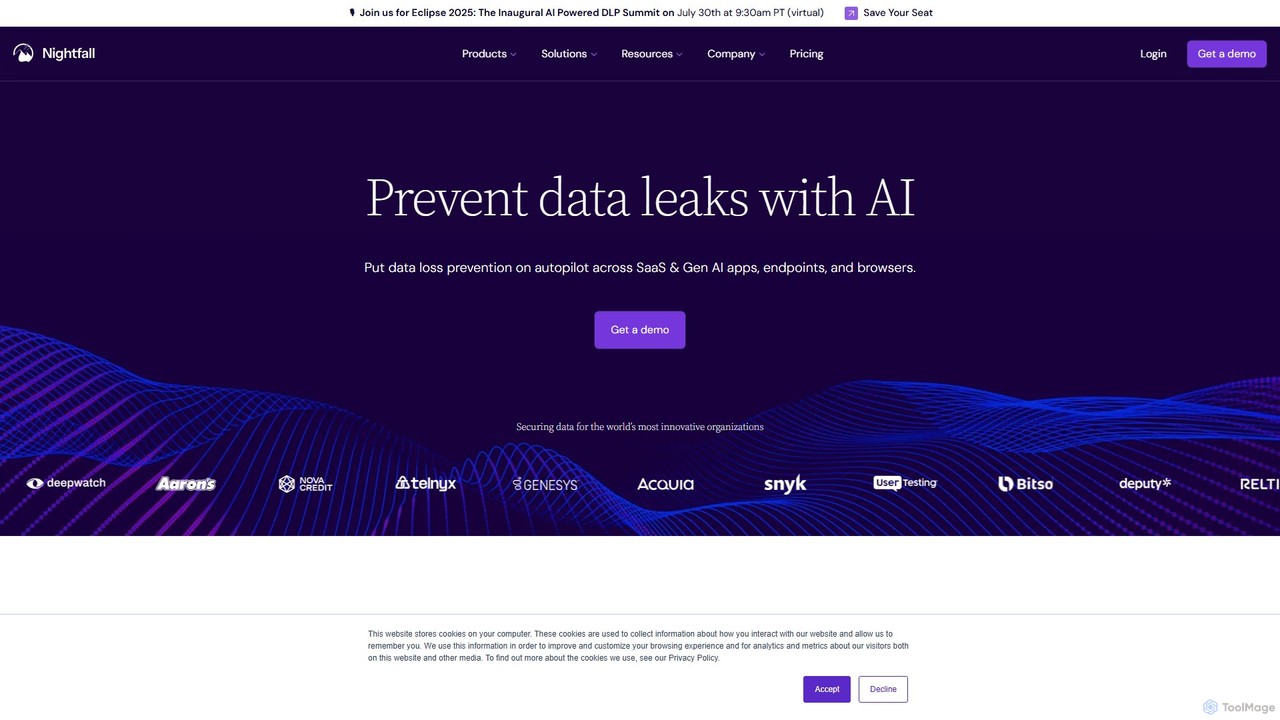
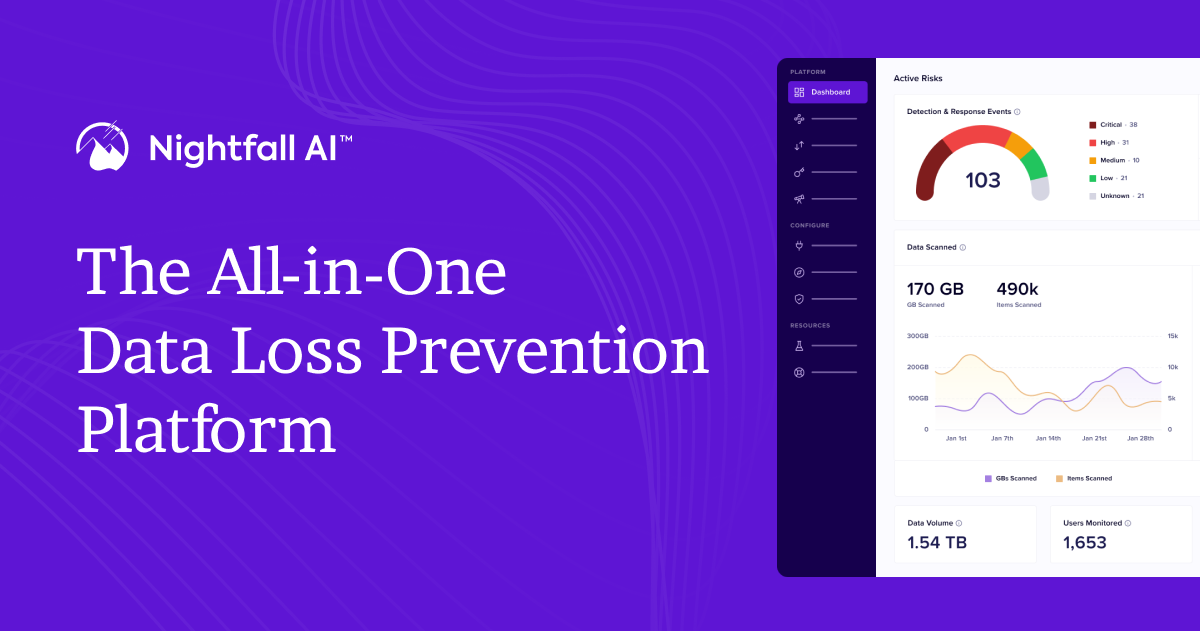
Nightfall AI is an all-in-one, AI-powered Data Loss Prevention (DLP) platform. It automatically discovers, classifies, and protects sensitive data across SaaS applications, GenAI tools, email, and endpoints, preventing data leaks and managing insider risks with high accuracy.

Api
Visits 112.8KFavorites 136Likes 118
Qualibooth
Freemium

Qualibooth

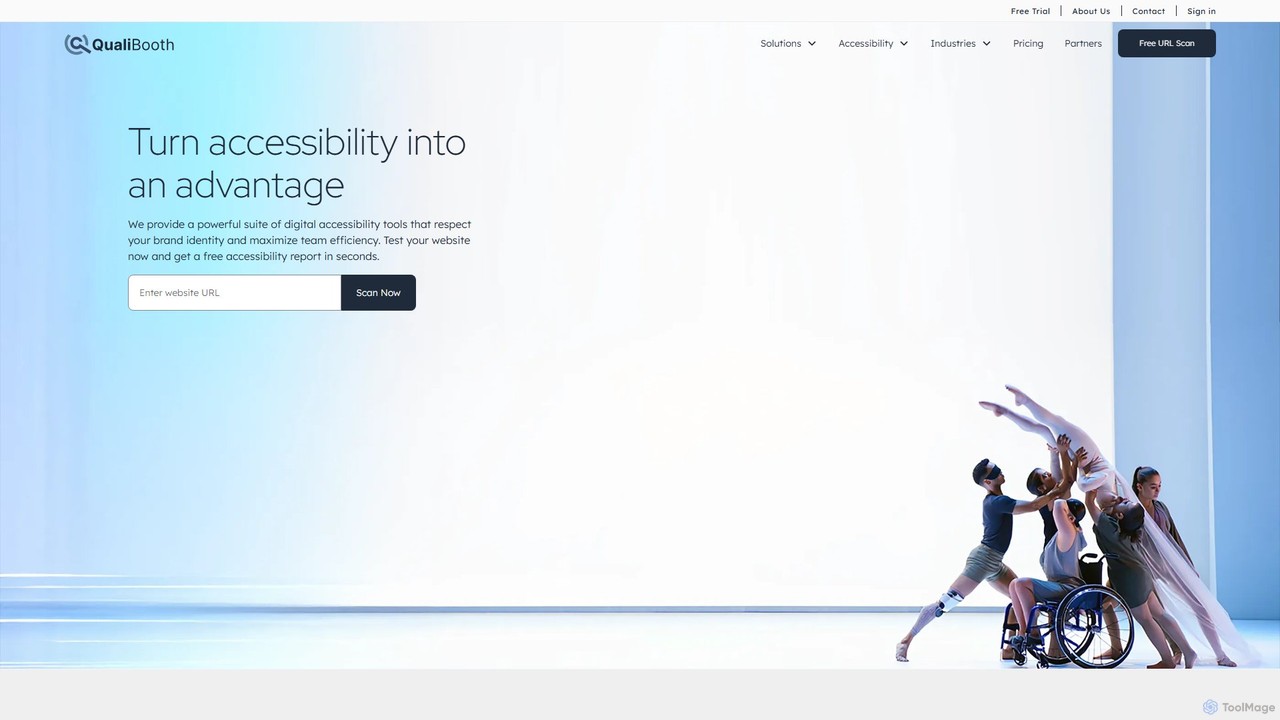
Qualibooth is an enterprise-grade web accessibility software suite. It uses AI-powered tools like the Agora workbench to help organizations test, monitor, and fix accessibility issues, ensuring compliance with standards like WCAG, ADA, and the European Accessibility Act (EAA). It's designed for developers, auditors, and content managers to integrate accessibility into their existing workflows seamlessly.

Testing
Visits 8KFavorites 152Likes 167
smarttrust
Paid

smarttrust

smarttrust is an AI-powered platform designed for digital trust and security. It offers a comprehensive suite of tools for identity verification (KYC/AML), real-time fraud detection, and brand safety monitoring. By leveraging advanced machine learning algorithms, smarttrust helps businesses secure their platforms, ensure regulatory compliance, and build a trustworthy environment for their users.

Compliance
Visits 5.8KFavorites 132Likes 135

About Compliance

Compliance AI tools are specialized artificial intelligence solutions designed to help organizations meet regulatory requirements, manage risks, and maintain ethical standards. These tools leverage machine learning, natural language processing, and data analytics to automate monitoring, identify potential violations, and streamline compliance workflows. By proactively detecting non-compliance and providing actionable insights, they significantly enhance an organization's ability to adhere to complex legal frameworks and industry standards, thereby boosting productivity in critical governance areas.

Core Features

  • Automated Policy Monitoring: Continuously scans internal documents and communications for adherence to company policies and external regulations.
  • Regulatory Change Tracking: Monitors legal and regulatory updates across jurisdictions, alerting organizations to relevant changes and their potential impact.
  • Risk Assessment & Prediction: Identifies potential compliance risks by analyzing data patterns, predicting areas of vulnerability, and suggesting mitigation strategies.
  • Data Privacy Management: Assists with GDPR, CCPA, and other data protection regulations by mapping data flows, managing consent, and automating data subject requests.
  • Audit Trail & Reporting: Generates comprehensive, immutable records of compliance activities, facilitating internal and external audits with detailed reports.

Applicable Scenarios

Compliance AI tools are crucial for sectors like finance, healthcare, and legal, where regulatory adherence is paramount. Data protection officers use them to manage privacy regulations, while compliance officers in financial institutions deploy them for anti-money laundering (AML) and know-your-customer (KYC) checks. Legal teams also benefit from automated contract analysis to ensure contractual obligations are met and risks are identified.

How to Choose

When selecting a Compliance AI tool, consider its regulatory scope and coverage for your specific industry and geographic regions. Evaluate its integration capabilities with existing enterprise systems, data security protocols, and the accuracy of its AI models in identifying risks. Scalability, ease of use, and the quality of reporting and audit trail features are also critical for long-term effectiveness and user adoption.

Featured tool rankings

Compliance use cases

1

Automating GDPR/CCPA Data Subject Request Fulfillment

Data privacy officers in e-commerce or healthcare organizations face a high volume of data subject access requests (DSARs) under regulations like GDPR or CCPA. AI compliance tools can automate the identification, retrieval, and redaction of personal data across disparate systems, significantly reducing the manual effort and time required to fulfill these requests accurately and within legal deadlines, ensuring adherence to privacy mandates.

2

Real-time Monitoring for Anti-Money Laundering (AML) Compliance

Financial institutions are mandated to prevent money laundering and terrorist financing. AI compliance platforms continuously monitor vast streams of transaction data, customer behavior, and global watchlists in real-time. They identify suspicious patterns and anomalies that human analysts might miss, flagging high-risk activities for further investigation and ensuring robust adherence to complex AML regulations like the Bank Secrecy Act (BSA).

3

Tracking and Adapting to Evolving Regulatory Changes

Legal and compliance departments in highly regulated industries, such as pharmaceuticals or energy, struggle to keep pace with constantly changing laws and regulations. AI tools can automatically scan legislative databases, news feeds, and legal publications for updates relevant to the organization's operations. They provide summarized insights and impact analyses, enabling proactive policy adjustments and minimizing the risk of non-compliance due to outdated practices.

4

Ensuring Employee Policy Adherence in Internal Communications

Large corporations need to ensure employees comply with internal policies, codes of conduct, and ethical guidelines, especially in sensitive areas like insider trading or harassment. AI-powered compliance monitoring solutions analyze internal communications (emails, chat platforms) for policy violations, inappropriate language, or suspicious activities. This helps identify potential issues early, enforce corporate governance, and mitigate reputational and legal risks.

5

Streamlining Environmental, Social, and Governance (ESG) Reporting

Companies increasingly face pressure to report on their ESG performance, requiring the collection and analysis of diverse data points from various departments. AI compliance tools can aggregate, validate, and structure ESG-related data from internal systems and external sources. They automate the generation of comprehensive ESG reports, ensuring accuracy, consistency, and adherence to reporting frameworks like GRI or SASB, saving significant manual effort.

6

Automated Contractual Obligation Monitoring and Risk Identification

Legal and procurement teams manage numerous contracts with complex terms and conditions. AI compliance tools can analyze contracts to extract key obligations, deadlines, and potential risk clauses. They then monitor performance against these terms, alerting stakeholders to upcoming deadlines or potential breaches. This ensures contractual adherence, reduces legal exposure, and optimizes operational efficiency by preventing missed obligations.

Compliance FAQ

What are AI Compliance tools?

AI Compliance tools are software solutions that use artificial intelligence, such as machine learning and natural language processing, to automate and enhance an organization's ability to meet regulatory requirements and manage risks. They proactively monitor data, identify potential violations, and streamline compliance workflows, making the process more efficient and accurate than traditional manual methods.

How do AI Compliance tools help with data privacy regulations like GDPR or CCPA?

AI Compliance tools significantly assist with data privacy by automating key tasks. They can map data flows, identify personal data across systems, manage consent records, and streamline the fulfillment of data subject access requests (DSARs). By continuously monitoring data usage and access, these tools help organizations maintain adherence to complex regulations like GDPR (General Data Protection Regulation) and CCPA (California Consumer Privacy Act), reducing the risk of non-compliance fines.

What are the main benefits of using AI for regulatory compliance?

The main benefits of using AI for regulatory compliance include enhanced accuracy in identifying risks and violations, significant time and cost savings through automation, and improved consistency in applying compliance rules. AI tools offer real-time monitoring capabilities, enabling proactive detection of issues, and provide comprehensive audit trails for easier reporting. This leads to stronger risk management and better overall governance.

How do AI Compliance tools differ from traditional compliance software?

Traditional compliance software often relies on rule-based systems and manual data input, requiring frequent updates and human oversight. AI Compliance tools, however, leverage machine learning to learn from data, adapt to new regulations, and identify complex patterns that might be missed by static rules. They offer predictive analytics, real-time monitoring, and automation capabilities that go beyond the scope of conventional systems, providing more dynamic and intelligent risk management.

What should I consider when choosing an AI Compliance solution for my business?

When choosing an AI Compliance solution, consider its ability to cover the specific regulations relevant to your industry and jurisdiction. Evaluate its integration capabilities with your existing IT infrastructure, the robustness of its data security features, and the transparency of its AI models. Also, assess its scalability, user-friendliness, and the quality of its reporting and analytics features to ensure it meets your organization's long-term compliance needs.