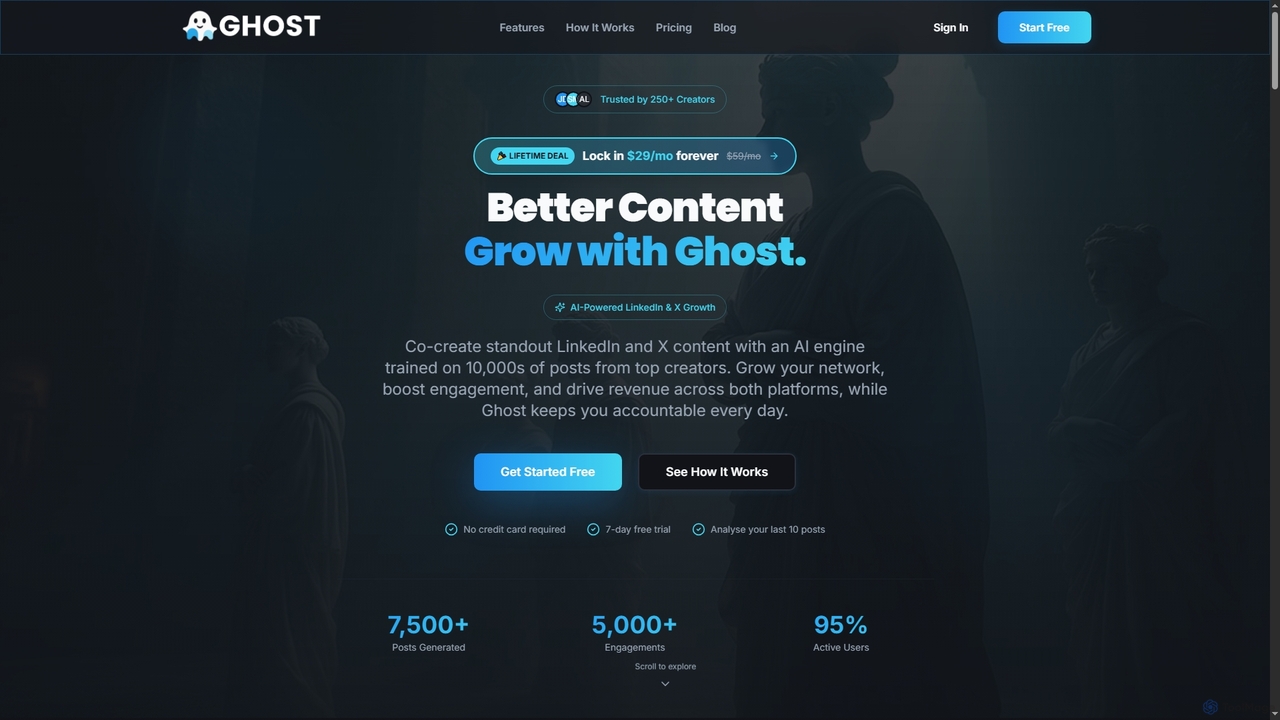
Content Strategy tools are AI-powered platforms designed to optimize the entire content lifecycle, from planning and creation to distribution and analysis. Leveraging advanced AI algorithms, these tools analyze market trends, audience behavior, and competitor strategies to provide data-driven insights and actionable recommendations. They empower businesses and creators to develop content that resonates with target audiences, enhances SEO performance, and achieves specific marketing and business objectives. By automating strategic analysis and planning, these solutions ensure content efforts are efficient, impactful, and aligned with overarching goals.
Core Features
- Audience & Market Analysis: Identify target audience demographics, interests, and content consumption patterns, alongside market trends.
- Keyword Research & SEO Planning: Discover high-ranking keywords, analyze search intent, and suggest content topics optimized for search engine visibility.
- Content Calendar & Ideation: Automate the generation of content calendars, propose topic ideas, and schedule content across various platforms.
- Competitor Content Benchmarking: Analyze competitors' successful content strategies, identifying their top-performing topics, formats, and distribution channels.
- Performance Prediction & Analytics: Forecast the potential reach and engagement of planned content and provide insights into post-publication performance.
Applicable Scenarios
Marketing teams utilize these tools to plan quarterly campaigns, ensuring content aligns with business goals and market demands. Content creators leverage them to refine their content strategy for improved SEO and audience engagement. Businesses launching new products depend on these platforms to develop comprehensive content rollout plans that maximize visibility and impact.
How to Choose
When selecting an AI Content Strategy tool, consider its scope of features, ensuring it covers planning, analysis, and optimization relevant to your needs. Evaluate its integration capabilities with your existing CMS, CRM, and analytics platforms for seamless workflows. Assess the data sources and AI models it uses for insights, prioritizing accuracy and relevance. Finally, consider its customization and scalability to adapt to your brand guidelines and growing content volume.