Productivity Best in category 1 results Copyright AI Tool

Popular AI tools in the Copyright field of Productivity include A.V. Mapping, etc., helping you quickly improve efficiency.

A.V. Mapping

A.V. Mapping

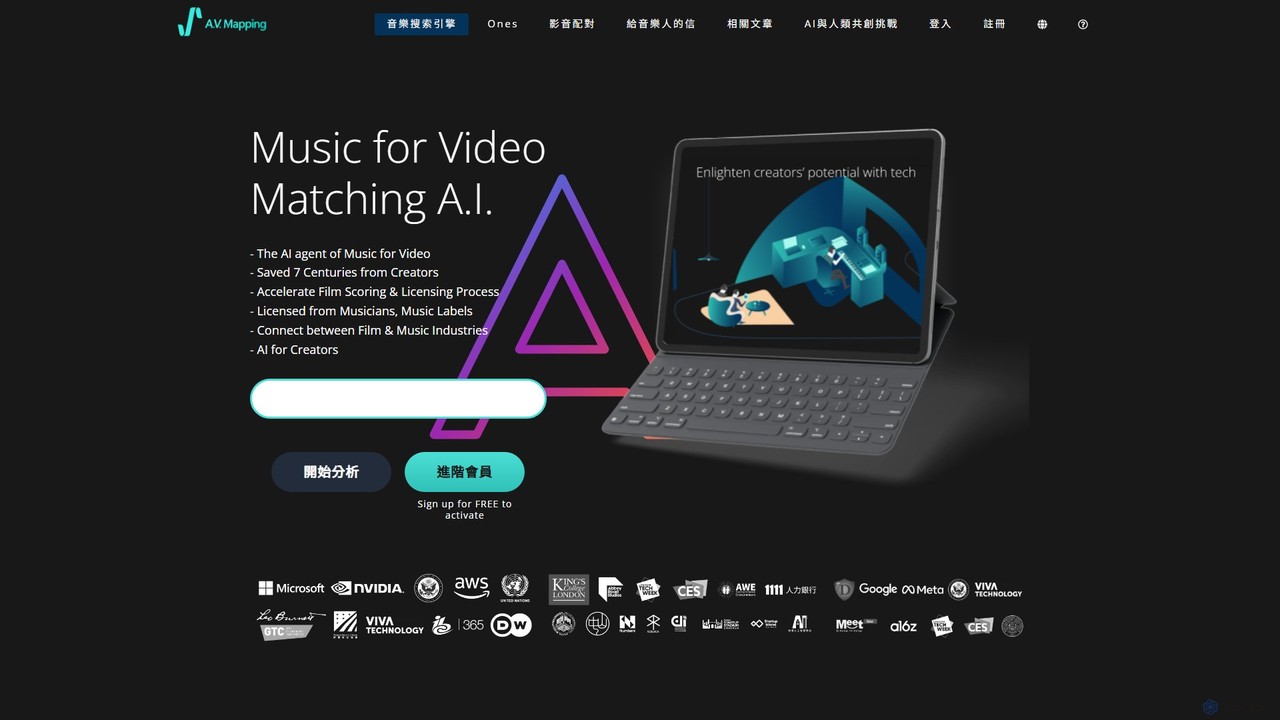
A.V. Mapping is an AI-powered, one-stop platform for video music matching and licensing. It intelligently analyzes video content …

5.0K

About Copyright

AI Copyright tools are specialized applications designed to protect and manage intellectual property using artificial intelligence. They leverage machine learning and pattern recognition to automatically scan vast digital platforms for unauthorized use of creative works. For creators, businesses, and legal professionals, these tools provide an efficient way to monitor for infringement, verify originality, and manage usage rights, significantly reducing the manual effort required for IP protection. This proactive approach helps safeguard revenue streams and maintain creative integrity in the digital age.

Core Features

  • Automated Infringement Detection: Scans the internet, social media, and marketplaces for illegal copies of your text, images, or music.
  • Digital Timestamping: Creates a verifiable, time-stamped proof of creation for your work, often using blockchain technology.
  • Plagiarism Analysis: Compares documents against a massive database to identify unoriginal content and potential academic dishonesty.
  • Rights Management: Helps track licenses, permissions, and royalties associated with your copyrighted assets.
  • Takedown Assistance: Streamlines the process of generating and sending DMCA takedown notices to infringing parties and platforms.

Use Cases

These tools are essential for content creators, photographers, writers, musicians, and software developers who publish their work online. Educational institutions use them to ensure academic integrity, while publishing houses and media companies rely on them to protect their digital assets at scale. Legal firms also utilize these tools to automate copyright monitoring for their clients.

How to Choose

When selecting an AI Copyright tool, consider the type of content you need to protect (e.g., image, text, audio). Evaluate the tool's detection scope and accuracy—does it cover the platforms where your work is most likely to be infringed? Also, assess its enforcement capabilities, such as automated takedown notice generation, and its integration options with your existing workflow or content management systems.

CopyrightUse Cases

1

Protect Digital Art and Photography Online

A freelance photographer regularly posts their portfolio on social media and their personal website. To prevent unauthorized use and sale of their images on stock photo sites or merchandise, they use an AI copyright tool. The tool continuously scans the web using image recognition to find copies of their work. When an infringement is detected, the photographer receives an alert with a link to the infringing site, allowing them to quickly initiate a DMCA takedown request through the tool's integrated workflow, protecting their income and artistic ownership.

2

Ensure Academic Integrity in Institutions

A university needs to verify the originality of thousands of student submissions, including essays and research papers, each semester. Manually checking is impossible. They integrate an AI-powered plagiarism checker into their learning management system (LMS). As students submit their work, the tool automatically scans it against a vast database of academic journals, websites, and past submissions. It generates an originality report for each paper, highlighting matching text and its source, enabling professors to efficiently uphold academic standards and educate students on proper citation.

3

Monitor and Enforce Music Copyrights

An independent musician distributes their tracks on various streaming platforms and uses them in social media videos. To ensure they are properly compensated, they employ an AI copyright tool that uses audio fingerprinting technology. The tool monitors platforms like YouTube, TikTok, and SoundCloud for unauthorized uploads or uses of their music. It can identify even short clips or remixed versions, providing the artist with data to claim ad revenue or issue takedown notices, thus securing their royalties and creative control.

4

Safeguard Written Content for Publishers

An online publisher produces hundreds of articles weekly and is concerned about other sites scraping and republishing their content without permission, which harms their SEO ranking and ad revenue. They use an AI copyright tool to monitor their entire article database. The tool automatically scans the web for duplicate text. When it finds a plagiarized article, it alerts the editorial team and can even auto-generate a cease and desist letter or a DMCA notice to be sent to the infringing website's host, automating a critical part of their content protection strategy.

5

Verify Originality Before Publishing

A content marketing agency works with multiple freelance writers to produce blog posts for clients. Before delivering the content, they must ensure it is 100% original to protect their clients from plagiarism penalties. They use an AI copyright tool as a final quality check. Every article is run through the system, which provides a detailed report on any non-original sentences or phrases. This allows the agency to request revisions before publication, maintaining their reputation for delivering high-quality, original content and avoiding legal issues.

6

Manage a Large-Scale Copyright Portfolio

A law firm specializing in intellectual property manages the copyright portfolios for numerous corporate clients. Manually tracking potential infringements for thousands of assets (software, brand materials, publications) is unfeasible. The firm uses an enterprise-grade AI copyright platform. They upload their clients' asset catalogs, and the AI continuously monitors global online activity. The platform aggregates all potential infringements into a single dashboard, prioritizes them by severity, and provides case management tools, enabling the legal team to efficiently manage enforcement actions at scale.

CopyrightFrequently Asked Questions