ToolMage
Sign in

Best 2 Corporate Communication AI tools for Productivity

Popular Corporate Communication AI tools in Productivity include Synthesia and Arist, helping you work more efficiently.

Arist
Paid

Arist

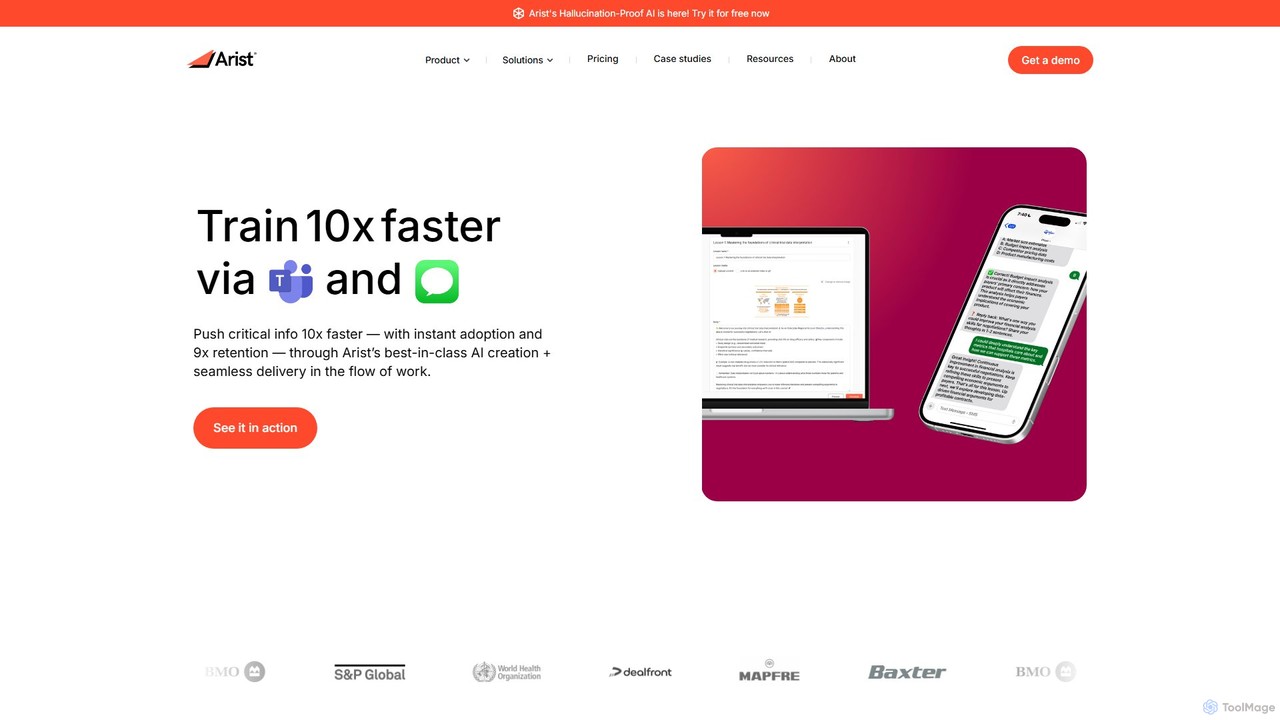
Arist is an AI-powered learning platform that transforms employee training by creating and delivering bite-sized courses through messaging apps like SMS, Slack, and Microsoft Teams. It's designed to increase engagement, knowledge retention, and performance by meeting employees in their flow of work.

Course Creation
Visits 12.5KFavorites 133Likes 138
Synthesia
Freemium

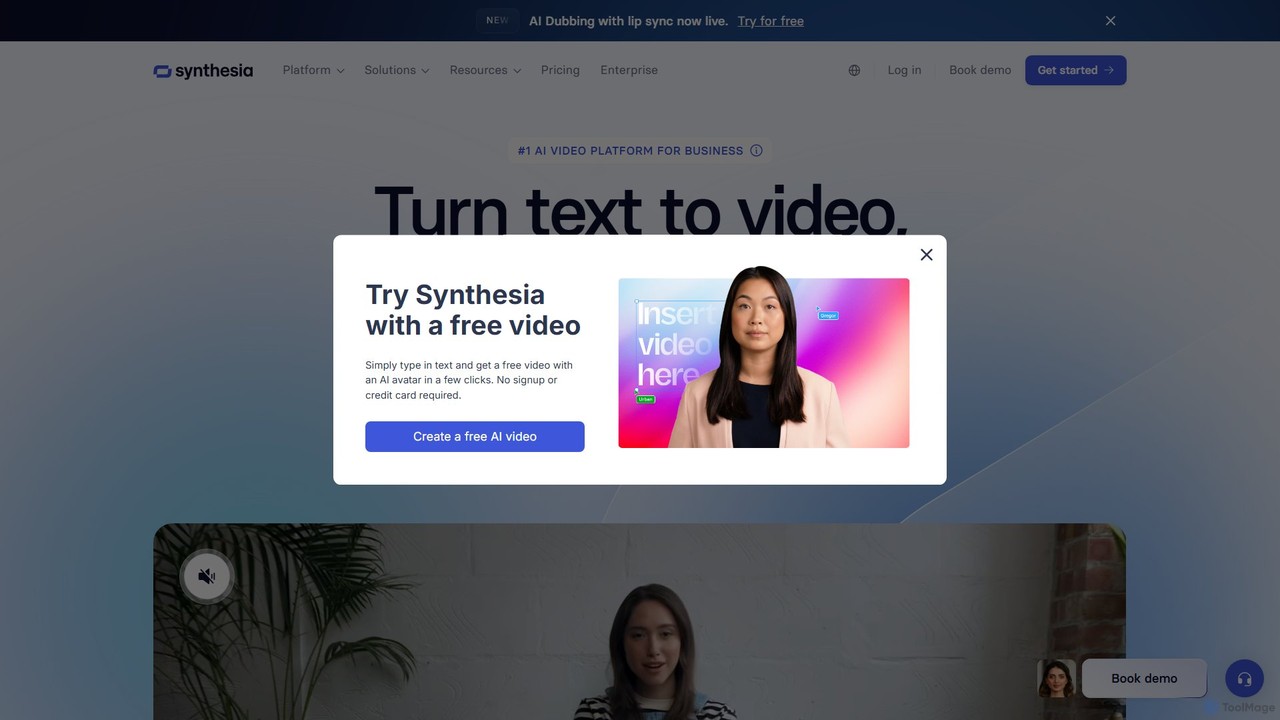
Synthesia

Synthesia is a leading AI video generation platform that enables users to create professional-quality videos with realistic AI avatars and voiceovers in over 140 languages. It eliminates the need for cameras, microphones, and studios, making video production scalable, affordable, and fast. Ideal for corporate training, marketing, and sales communications.

E Learning
Visits 1.9MFavorites 152Likes 145

About Corporate Communication

AI Corporate Communication tools are specialized platforms that use artificial intelligence to manage, automate, and analyze an organization's internal and external messaging. Leveraging natural language processing (NLP) and machine learning, these tools generate content, analyze sentiment, and personalize communications at scale. They help businesses maintain brand consistency, improve employee engagement, and manage public relations more effectively. As a key part of the Productivity suite, they focus specifically on streamlining the flow of critical business information.

Core Features

  • Content Generation & Automation: Draft press releases, internal announcements, and social media posts, and schedule their distribution.
  • Sentiment Analysis: Monitor employee feedback channels or public media to gauge audience mood and perception.
  • Personalized Messaging: Tailor communications to different employee groups, departments, or stakeholders based on data.
  • Crisis Management Support: Provide real-time alerts, communication templates, and analysis during critical events.
  • Multilingual Translation: Automatically translate key messages to ensure clear communication across a global workforce.

Use Cases

These tools are vital for Human Resources (HR), Public Relations (PR), and internal communications departments in mid-to-large enterprises. They are used for tasks like automating weekly employee newsletters, monitoring brand mentions during a product launch, or drafting consistent messaging for investor relations.

How to Choose

When selecting a tool, consider its integration capabilities with your existing platforms (e.g., Slack, Microsoft Teams). Evaluate its security protocols for handling sensitive data, the depth of its analytics and reporting features, and its ability to scale with your organization's growth.

Corporate Communication use cases

1

Automating Internal Company-Wide Announcements

An HR manager at a multinational corporation needs to send weekly updates and urgent announcements to over 5,000 employees across different time zones and languages. Using an AI Corporate Communication tool, they draft a single master announcement. The AI then automatically translates it, personalizes greetings for regional offices, and schedules delivery via preferred channels like email or Slack, ensuring timely and consistent messaging for everyone.

2

Monitoring Brand Sentiment During a PR Campaign

A public relations team launches a major campaign for a new product. They use an AI communication tool to monitor social media, news outlets, and forums in real-time. The tool's sentiment analysis feature categorizes mentions as positive, negative, or neutral, providing the team with an instant overview of public reception. This allows them to quickly address negative feedback and amplify positive stories, effectively managing the brand's reputation throughout the campaign.

3

Drafting Press Releases for Investor Relations

An investor relations specialist needs to draft a quarterly earnings press release. They input key financial data, executive quotes, and strategic highlights into an AI communication tool. The AI generates a professionally structured press release draft that adheres to company style guides and regulatory disclosure requirements. This accelerates the drafting process, reduces the risk of errors, and allows the specialist to focus on refining the strategic messaging and narrative for investors.

4

Personalizing Employee Onboarding Communication

To improve the new hire experience, an HR team uses an AI tool to personalize onboarding communications. Based on a new employee's role, department, and location, the AI system automatically sends a tailored welcome package of information. This includes a personalized welcome message from their manager, relevant policy documents, and a schedule for their first week. This level of personalization helps new hires feel more welcomed and prepared, improving engagement from day one.

5

Managing Communications During a Crisis

When a company faces a sudden crisis, such as a data breach, the communications team must act quickly and decisively. An AI tool can provide immediate support by monitoring social media for misinformation and tracking the spread of news. It can also offer pre-approved statement templates that can be quickly adapted and distributed across all channels (press, social media, internal email) to ensure a consistent, controlled, and timely response, helping to manage public perception and maintain trust.

6

Analyzing Employee Feedback from Annual Surveys

After conducting an annual employee engagement survey with thousands of open-ended responses, an HR team uses an AI communication tool to analyze the qualitative data. The AI identifies recurring themes, measures overall sentiment for different topics (like compensation or work-life balance), and highlights key concerns by department or region. This provides actionable insights much faster than manual analysis, enabling leadership to address critical issues and develop targeted improvement plans promptly.

Corporate Communication FAQ

What are AI Corporate Communication tools?

AI Corporate Communication tools are software platforms that use artificial intelligence to streamline how a company communicates internally and externally. Their primary function is to automate repetitive tasks, analyze communication effectiveness, and ensure message consistency. Key features often include AI-powered content writing for announcements, sentiment analysis of employee feedback, and personalized message distribution. They are distinct from general productivity tools by focusing specifically on managing corporate reputation and employee engagement through communication.

How to choose the right AI Corporate Communication tool?

To choose the right tool, evaluate these key factors:

  • Integration: Ensure it connects seamlessly with your existing systems like Slack, Microsoft Teams, or your HRIS platform.
  • Security and Compliance: Verify that the tool meets industry-standard data protection regulations (like GDPR) to handle sensitive company and employee information securely.
  • Analytics Depth: Assess whether its analytics go beyond simple metrics. Look for features like sentiment analysis, theme identification, and engagement tracking.
  • Scalability: Choose a solution that can grow with your company, capable of handling communications for both small teams and a large global workforce.
What's the difference between Corporate Communication and Marketing Automation tools?

The main difference lies in their target audience and goals. Corporate Communication tools focus on a broad range of stakeholders, including employees, investors, media, and the public. Their goal is to manage reputation, build culture, and ensure consistent messaging. Marketing Automation tools are customer-focused, designed to nurture leads and drive sales. While both may use AI for content and scheduling, corporate communication is about holistic brand management, whereas marketing automation is about driving revenue through the sales funnel.

How do these tools improve internal communication?

AI Corporate Communication tools enhance internal communication in several ways. They automate the distribution of routine information like newsletters, freeing up teams to focus on strategic initiatives. They can personalize messages for different departments or roles, making communication more relevant and engaging. Furthermore, by analyzing feedback from surveys or internal channels, they provide leadership with data-driven insights into employee sentiment, helping to identify and address concerns proactively, which can boost morale and retention.

Are AI Corporate Communication tools secure for sensitive information?

Reputable AI Corporate Communication tools prioritize security. They typically employ end-to-end encryption, robust access controls, and comply with international data privacy standards like GDPR and SOC 2. When choosing a tool, it's crucial to review their security policies, data handling procedures, and compliance certifications. For highly sensitive internal communications, look for providers that offer on-premise deployment options or specific guarantees about data residency and processing to ensure maximum control and security.