Revenly AI
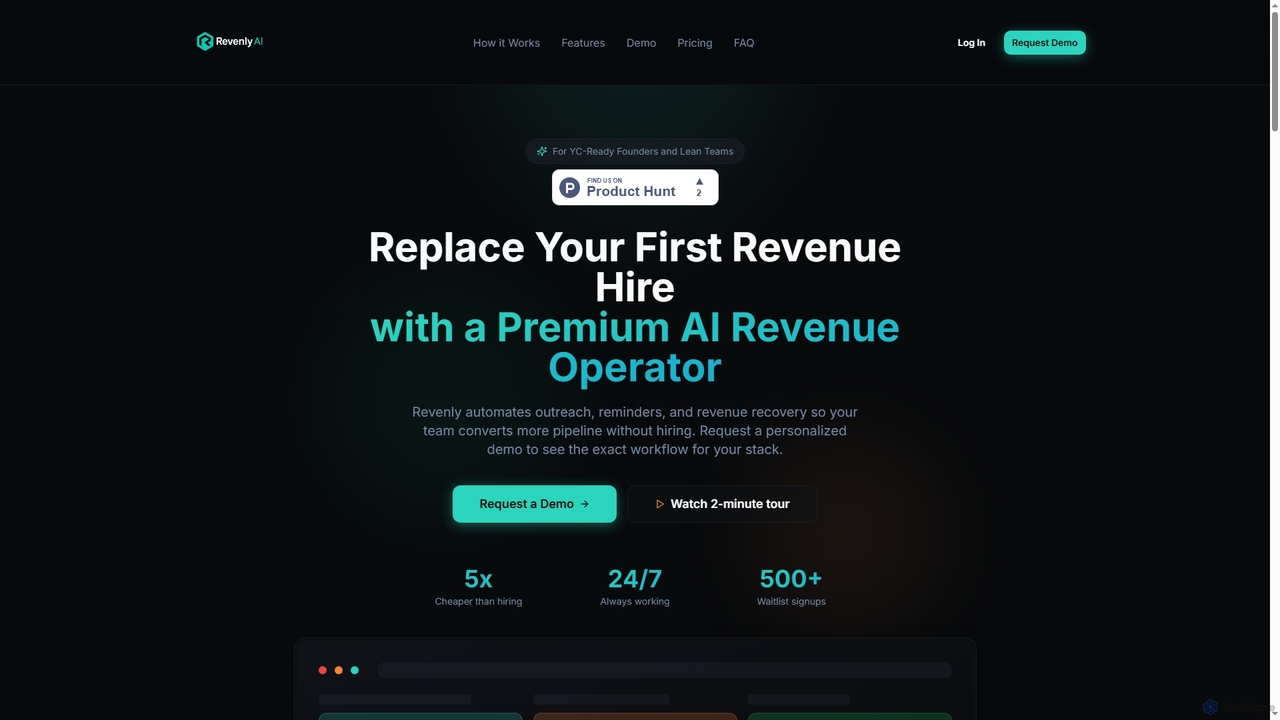
Revenly AI is an advanced AI Revenue Operator designed for YC-Ready Founders and lean teams. It automates critical …
Revenly AI is an advanced AI Revenue Operator designed for YC-Ready Founders and lean teams. It automates critical revenue-generating tasks like outreach, payment reminders, and pipeline nudges, effectively replacing a traditional first revenue hire to boost conversion rates and recover lost revenue without increasing headcount.
Libingo
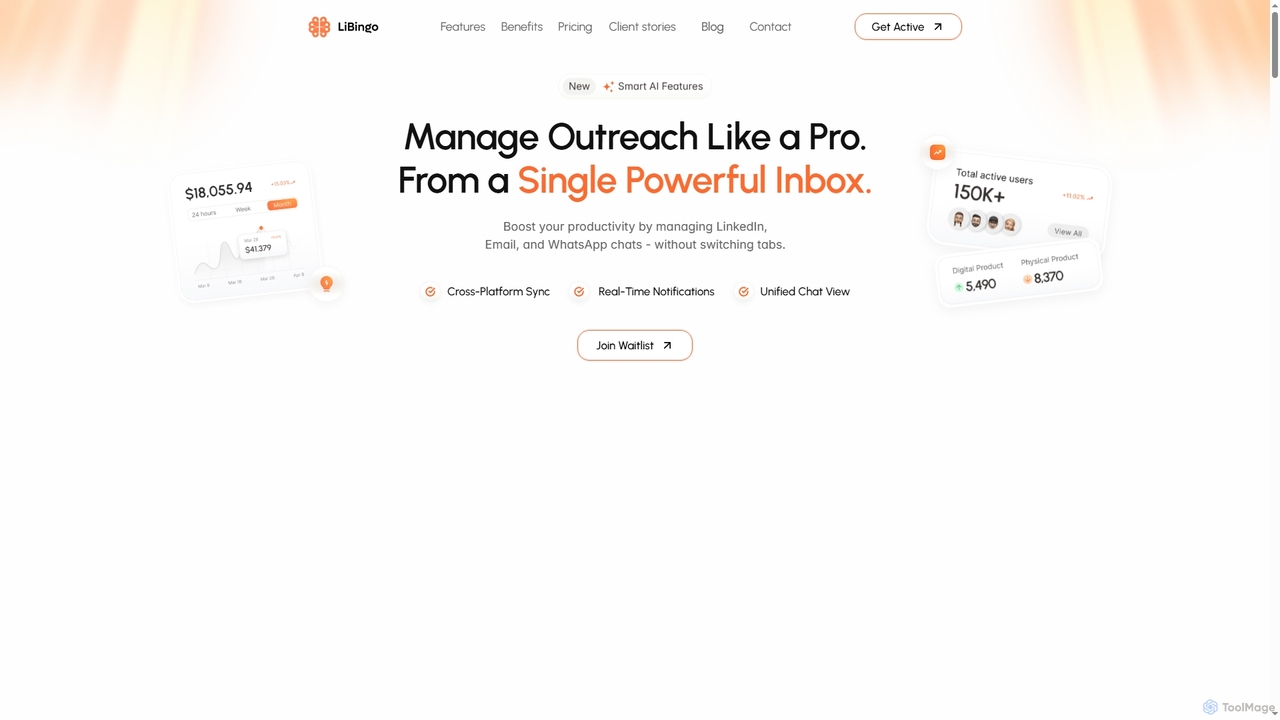
Libingo is an AI-powered multi-channel outreach platform that unifies LinkedIn, Email, and WhatsApp communications into a single smart …
Libingo is an AI-powered multi-channel outreach platform that unifies LinkedIn, Email, and WhatsApp communications into a single smart inbox. It helps teams automate personalized follow-ups, manage leads, track engagement, and collaborate efficiently to boost productivity and close more conversations.
About Crm Integration
CRM Integration refers to AI-powered tools that seamlessly connect and enhance Customer Relationship Management (CRM) systems with intelligent automation and data analysis capabilities. These tools leverage artificial intelligence to streamline sales, marketing, and customer service workflows, transforming raw customer data into actionable insights. By automating repetitive tasks and personalizing interactions, CRM integration solutions significantly improve customer engagement, operational efficiency, and ultimately, business growth within the broader productivity landscape.
Core Features
- Automated Data Sync: Real-time synchronization of customer data across various platforms (e.g., CRM, email, marketing automation) to ensure data consistency and accuracy.
- Intelligent Lead Scoring: AI algorithms analyze lead behavior and demographics to predict conversion likelihood, prioritizing high-value prospects for sales teams.
- Personalized Communication: AI-driven tools generate tailored email responses, chat messages, and content suggestions based on customer profiles and interaction history.
- Predictive Analytics: Forecasts customer churn, identifies upselling opportunities, and predicts future sales trends by analyzing historical CRM data.
- Workflow Automation: Automates routine tasks like data entry, follow-up scheduling, and report generation, freeing up sales and support staff.
Use Cases
Businesses across various sectors utilize CRM Integration to optimize their customer-facing operations. Sales teams benefit from automated lead qualification and personalized outreach, while marketing departments can execute highly targeted campaigns based on AI-driven customer segmentation. Customer service teams leverage integrated AI for faster, more accurate query resolution and proactive support, ensuring a consistent and enhanced customer experience.
How to Choose
When selecting a CRM Integration tool, consider its compatibility with your existing CRM system and other business applications. Evaluate the breadth and depth of its AI capabilities, such as lead scoring accuracy, personalization options, and predictive analytics features. Assess the ease of implementation, scalability, and the level of customization offered to align with your specific business processes and growth trajectory. Finally, review pricing models and customer support quality.

Crm IntegrationUse Cases
Automating Sales Lead Qualification
Sales teams use AI-powered CRM integration to automatically score incoming leads based on engagement, demographics, and historical data. This allows sales representatives to focus their efforts on the most promising prospects, reducing manual qualification time and improving conversion rates by ensuring timely follow-ups with high-potential leads.
Personalizing Customer Outreach at Scale
Marketing teams integrate AI tools with their CRM to analyze customer segments and interaction history. The AI then generates personalized email campaigns, product recommendations, or content suggestions for each customer, significantly increasing engagement and conversion rates compared to generic mass communications.
Enhancing Customer Service with AI Chatbots
Customer support departments deploy AI-driven chatbots integrated directly into the CRM system. These chatbots can handle routine inquiries, provide instant answers, and even log interactions directly into the customer's CRM profile, freeing up human agents for complex issues and improving overall response times and customer satisfaction.
Predicting Customer Churn and Retention Strategies
Businesses leverage CRM integration with predictive AI to identify customers at risk of churning. By analyzing usage patterns, support tickets, and engagement metrics, the AI flags at-risk accounts, allowing account managers to proactively intervene with targeted retention strategies, special offers, or personalized support.
Streamlining Post-Sale Onboarding and Support
After a sale, AI-integrated CRM tools can automate the onboarding process by triggering personalized welcome emails, tutorial recommendations, and follow-up tasks based on the customer's product or service. This ensures a smooth transition and proactive support, reducing early-stage churn and improving customer lifetime value.
Optimizing Marketing Campaign Performance
Marketing analysts use CRM integration to feed campaign performance data directly into AI models. The AI then analyzes which channels, messages, and offers resonate best with different customer segments, providing actionable insights to optimize future campaigns for better ROI and more efficient budget allocation.