Productivity Best in category 2 results Data Enrichment AI Tool

Popular AI tools in the Data Enrichment field of Productivity include Scalelist、CatalogIQ, etc., helping you quickly improve efficiency.

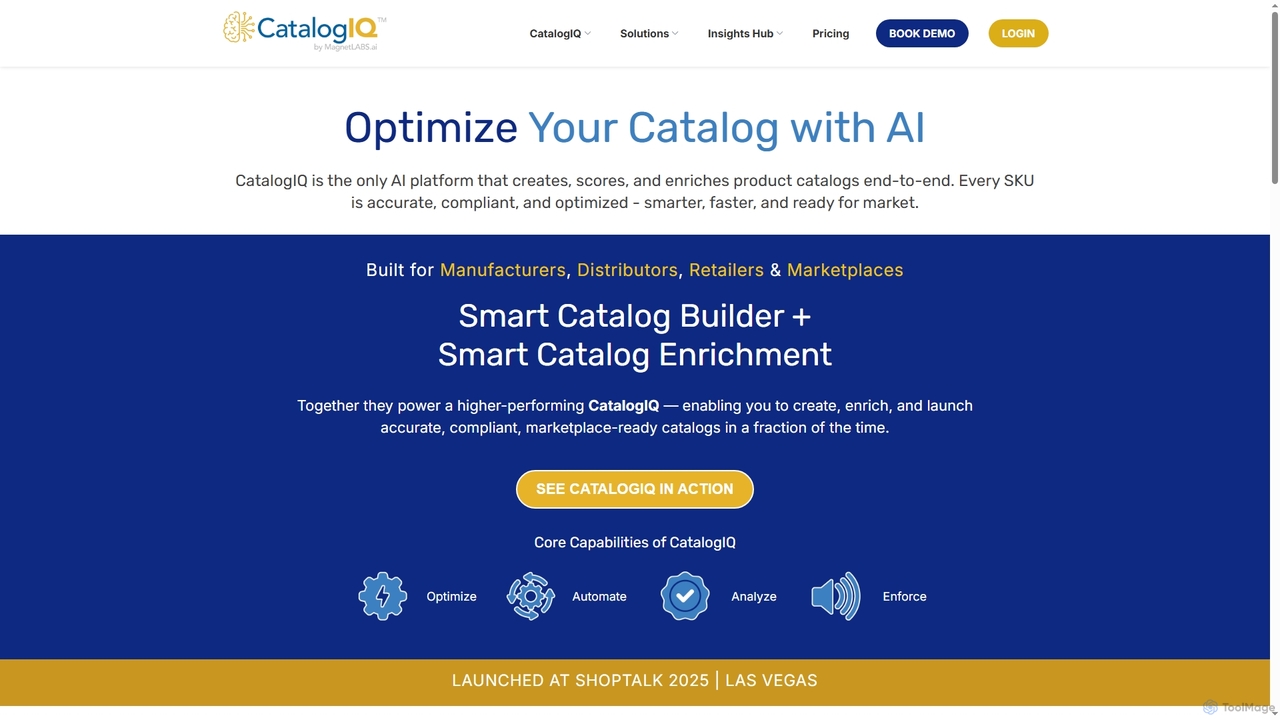
CatalogIQ

CatalogIQ

CatalogIQ is an AI-powered platform that optimizes e-commerce product catalogs by creating, scoring, and enriching product data end-to-end. …

4.5K
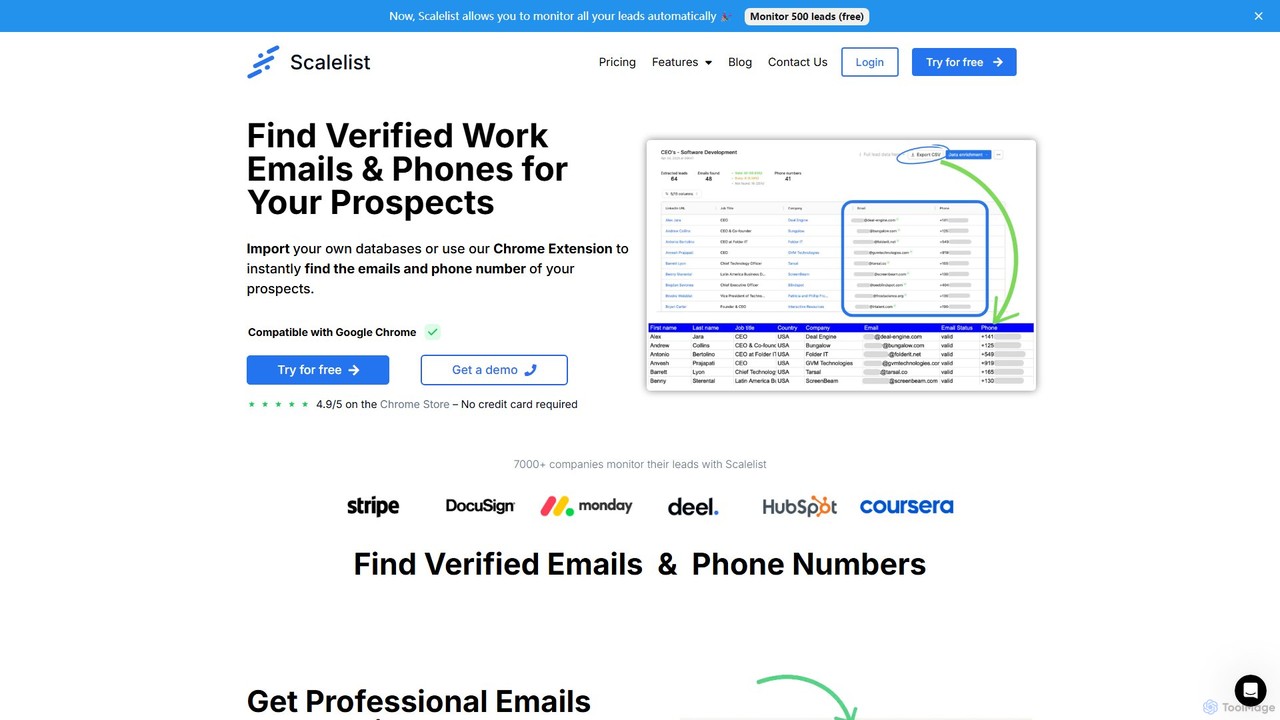
Scalelist

Scalelist

Scalelist is a sales intelligence platform designed to help you find verified work emails and phone numbers for …

45.0K

About Data Enrichment

Data Enrichment tools are AI-powered solutions designed to enhance the value and completeness of existing datasets by appending additional, relevant information from various sources. These tools leverage machine learning and vast data repositories to fill gaps, validate entries, and add context to raw data, transforming it into actionable intelligence. By providing a more comprehensive view of customers, leads, or market trends, Data Enrichment significantly boosts the effectiveness of marketing, sales, and business intelligence efforts, directly contributing to overall productivity.

Core Features

  • Data Appending: Automatically adds missing demographic, firmographic, or behavioral data to existing records.
  • Data Validation: Verifies the accuracy and currency of contact information, such as email addresses and phone numbers.
  • Contextualization: Enriches data with external insights like industry trends, social media activity, or geographic information.
  • Real-time Enrichment: Integrates with workflows to enrich data as it's collected, ensuring immediate access to comprehensive profiles.

Applicable Scenarios

Businesses across various sectors utilize Data Enrichment to gain deeper insights. Marketing teams enrich customer profiles to create highly personalized campaigns, while sales departments use it to qualify leads more effectively by understanding company size, industry, and decision-makers. Business intelligence analysts leverage enriched data to uncover hidden patterns and make more informed strategic decisions.

How to Choose

When selecting a Data Enrichment tool, consider its data sources and accuracy, ensuring they align with your specific needs. Evaluate its integration capabilities with your existing CRM, marketing automation, or BI platforms. Assess the level of data privacy and compliance (e.g., GDPR, CCPA) offered, and compare pricing models based on volume or features. Finally, consider the ease of use and the quality of support.

Data EnrichmentUse Cases

1

Enhancing Customer Profiles for Targeted Marketing

Marketing teams use Data Enrichment to augment existing customer records with demographic, psychographic, and behavioral data. For instance, an e-commerce marketer can enrich a customer's purchase history with their age, income bracket, and interests, enabling the creation of highly personalized product recommendations and segmented email campaigns that resonate more deeply, leading to increased conversion rates and customer loyalty.

2

Improving Lead Qualification and Sales Efficiency

Sales development representatives (SDRs) leverage Data Enrichment to gain a comprehensive understanding of new leads. By automatically adding firmographic data like company size, industry, revenue, and key decision-makers' roles to a raw lead list, sales teams can prioritize high-potential prospects, tailor their outreach messages, and shorten sales cycles. This ensures reps focus their efforts on the most promising opportunities, boosting overall sales productivity.

3

Validating and Cleansing Contact Information

Organizations utilize Data Enrichment tools to maintain the accuracy and hygiene of their contact databases. For example, a CRM administrator can run an enrichment process to verify email addresses, update outdated phone numbers, and correct mailing addresses for thousands of contacts. This reduces bounce rates in email campaigns, improves deliverability for direct mail, and ensures sales teams are reaching valid contacts, saving time and resources.

4

Personalizing User Experience on Digital Platforms

Digital product managers and UX designers employ Data Enrichment to create more personalized and engaging user experiences. By enriching user interaction data with external information like geographic location, device type, or browsing history, a streaming service can dynamically recommend content tailored to individual preferences. This leads to higher user engagement, longer session times, and improved satisfaction, making the platform more sticky.

5

Strengthening Fraud Detection and Risk Management

Financial institutions and online service providers use Data Enrichment to bolster their fraud detection capabilities. When a new account is opened or a transaction occurs, the system can enrich the provided data with external risk scores, identity verification details, or known fraud patterns. This allows for real-time assessment of potential risks, flagging suspicious activities more accurately and preventing fraudulent transactions before they cause significant losses.

6

Driving Deeper Business Intelligence and Market Insights

Business analysts and strategists apply Data Enrichment to combine internal operational data with external market intelligence. For instance, a retail chain can enrich its sales data with local demographic trends, competitor pricing, and seasonal weather patterns. This comprehensive dataset enables more accurate forecasting, identifies new market opportunities, and informs strategic decisions regarding product placement, promotions, and store expansion, leading to competitive advantage.

Data EnrichmentFrequently Asked Questions