ToolMage
Sign in

Best 3 Document Translation AI tools for Productivity

Popular Document Translation AI tools in Productivity include vidby, PDF Translator, and Braiv, helping you work more efficiently.

PDF Translator
Free

PDF Translator

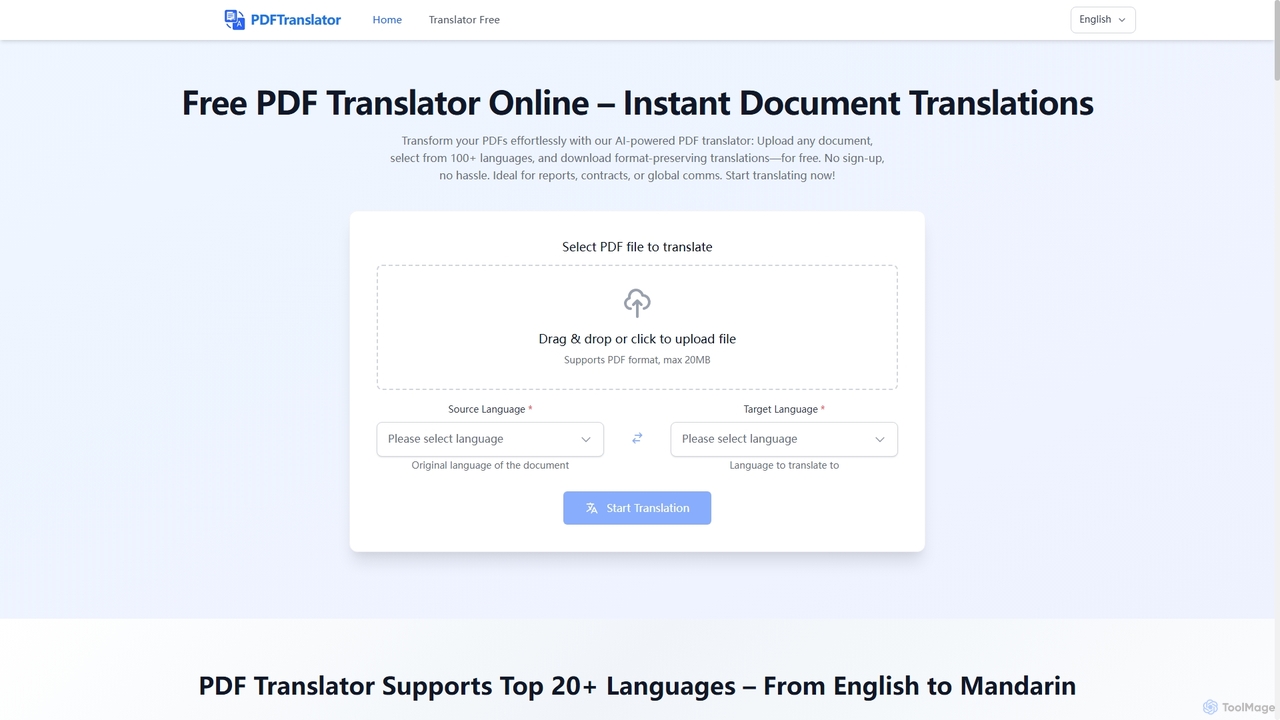
PDF Translator is a free, AI-powered online tool designed for instant and accurate translation of PDF documents into over 100 languages. It preserves the original formatting, layouts, tables, and images, ensuring professional results without requiring any sign-up or software installation. Ideal for various professional and personal documents, it offers secure, confidential, and unlimited translation services.

Global Communication
Visits 52.3KFavorites 139Likes 132
vidby
Freemium

vidby

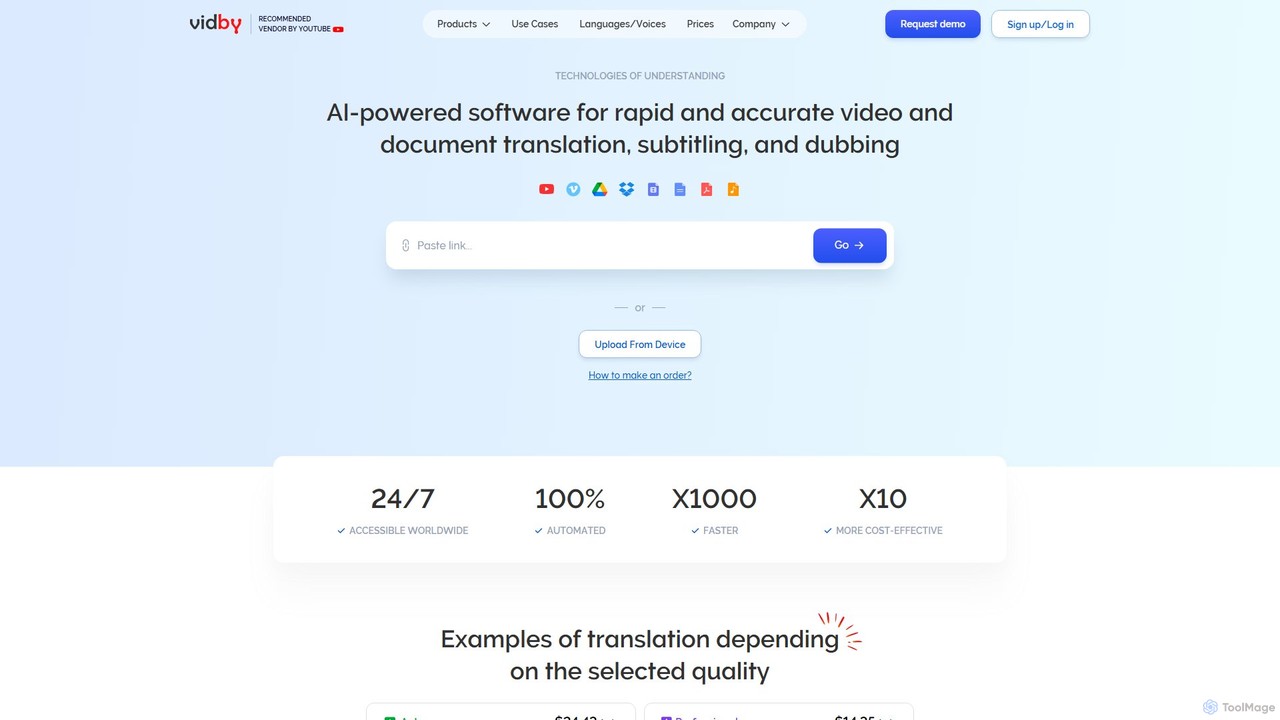
vidby is an advanced AI-powered platform for fast and accurate video translation, dubbing, subtitling, and voice cloning. It supports over 150 languages, offering features like lip-sync, real-time meeting translation, and document translation to help creators and businesses reach a global audience effortlessly.

Dubbing
Visits 75.6KFavorites 159Likes 152
Braiv
Freemium

Braiv

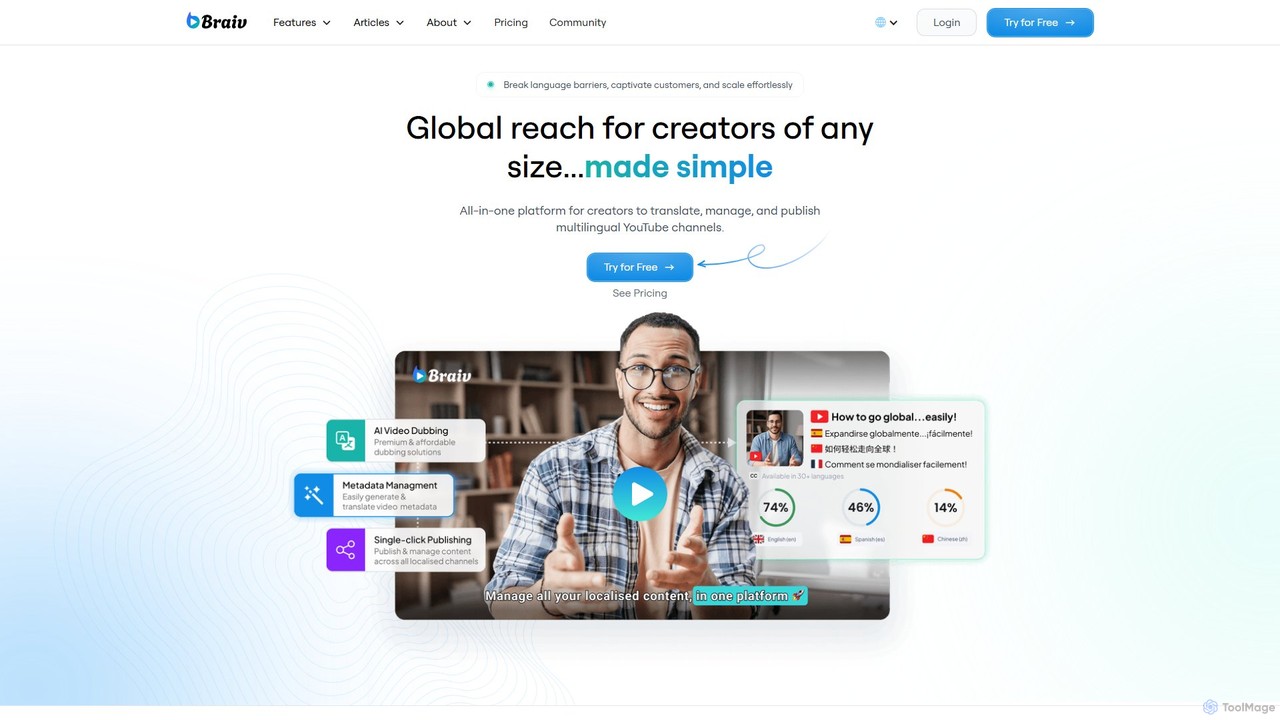
Braiv is an all-in-one AI platform for media translation, designed to help creators, educators, and marketers reach a global audience. It offers AI-powered video dubbing with voice cloning, animated captions, and document translation in over 29 languages. With its intuitive multi-language video player and automated workflows, Braiv simplifies the process of localizing content, making it easy to scale videos, courses, and marketing materials for international markets.

Dubbing
Visits 16.8KFavorites 135Likes 145

About Document Translation

Document Translation tools are AI-powered solutions specifically designed to translate entire documents while preserving their original formatting, layout, and structure. Leveraging advanced natural language processing (NLP) and machine learning, these tools enable users to convert text from one language to another across various file types. They significantly enhance productivity for global communication, content localization, and cross-border collaboration by automating the often complex and time-consuming process of translating large volumes of structured content.

Core Features

  • Batch Processing: Translate multiple documents simultaneously, saving considerable time and effort.
  • Format Retention: Automatically maintain the original document layout, fonts, images, and formatting (e.g., Word, PDF, Excel, PowerPoint).
  • Glossary and Terminology Management: Integrate custom glossaries and style guides to ensure consistent translation of specific terms and brand voice.
  • Security and Confidentiality: Offer robust data encryption and privacy protocols, crucial for sensitive business or legal documents.
  • Customizable Translation Models: Train AI models with industry-specific data to improve accuracy and relevance for specialized content.

Applicable Scenarios

These tools are indispensable for legal firms translating contracts and patents, global enterprises localizing product manuals and marketing materials, and academic institutions facilitating international research collaboration. They streamline workflows for compliance documentation, multilingual report generation, and efficient communication across diverse linguistic teams.

How to Choose

When selecting a Document Translation tool, consider its supported file formats and languages, the accuracy of its AI models for your specific content domain, and its ability to retain complex formatting. Evaluate security features for sensitive data, integration options with existing workflows, and the flexibility of its customization capabilities for terminology and style.

Featured tool rankings

Document Translation use cases

1

Translate Legal Contracts for Global Mergers

Legal professionals involved in international mergers and acquisitions can use Document Translation tools to quickly convert complex legal contracts, agreements, and due diligence documents between languages. This ensures all parties understand the terms, accelerates review processes, and reduces the need for costly manual translation, maintaining accuracy and confidentiality throughout the sensitive negotiation phase.

2

Localize Product Manuals for International Reach

Manufacturers and tech companies expanding into new markets require product manuals, user guides, and technical specifications in multiple languages. Document Translation tools automate this localization process, translating entire documents while preserving diagrams, formatting, and technical terminology. This ensures consistent, high-quality localized content, speeding up market entry and improving customer satisfaction globally.

3

Translate Research Papers for Academic Collaboration

Researchers and academics often collaborate internationally, requiring the translation of scientific papers, journals, and research findings. Document Translation tools enable quick and accurate conversion of these complex documents, preserving footnotes, citations, and specialized terminology. This facilitates knowledge sharing, accelerates peer review, and fosters broader scientific discourse without language barriers.

4

Analyze Multilingual Customer Feedback Documents

Customer service departments in global companies receive feedback, support tickets, and reviews in various languages. Document Translation tools can rapidly translate these documents into a common language for analysis, helping teams understand customer sentiment, identify recurring issues, and improve service quality across all regions. This ensures no valuable customer insight is lost due to language differences.

5

Translate Internal Policies for Global Teams

Multinational corporations need to ensure all employees understand company policies, HR documents, and training materials, regardless of their native language. Document Translation tools allow HR departments to translate these critical internal documents efficiently, maintaining consistent messaging and compliance across all global offices. This fosters a more inclusive work environment and ensures regulatory adherence.

6

Convert Financial Reports for International Investors

Publicly traded companies or startups seeking foreign investment often need to present financial reports, annual statements, and investor decks in multiple languages. Document Translation tools can accurately convert these complex financial documents, preserving tables, charts, and numerical data. This ensures transparency, builds trust with international stakeholders, and facilitates global investment opportunities.

Document Translation FAQ

What are AI Document Translation tools?

AI Document Translation tools are software applications that use artificial intelligence, specifically natural language processing (NLP) and machine learning, to translate entire documents from one language to another. Unlike basic text translators, they focus on preserving the original document's formatting, layout, and structure, making them ideal for professional and business use cases.

How do AI Document Translation tools differ from general machine translation?

While both use AI, Document Translation tools are specialized for handling entire files (e.g., PDFs, Word docs) and prioritize maintaining original formatting, images, and layout. General machine translation often focuses on translating plain text snippets or sentences, without considering document structure. Document translation tools also frequently offer features like glossary integration and custom model training for higher accuracy in specific contexts.

What file formats do AI Document Translation tools typically support?

Most AI Document Translation tools support a wide range of common file formats to cater to diverse professional needs. These typically include Microsoft Word (.doc, .docx), PDF (.pdf), Excel (.xls, .xlsx), PowerPoint (.ppt, .pptx), plain text (.txt), and sometimes more specialized formats like XML, HTML, or even subtitle files (.srt). Support for specific formats can vary by tool.

How accurate are AI Document Translation tools compared to human translation?

AI Document Translation tools have made significant advancements in accuracy, often achieving near-human quality for common languages and general content. However, for highly nuanced, creative, or specialized content (e.g., legal jargon, poetry, marketing slogans), human translators still offer superior contextual understanding and cultural adaptation. Many tools offer post-editing by humans to achieve perfect accuracy for critical documents.

What are the key benefits of using AI for document translation in a business context?

In a business context, AI document translation offers several key benefits: significantly increased speed and efficiency in processing large volumes of documents, cost reduction compared to manual translation, consistency in terminology through custom glossaries, and the ability to quickly enter new global markets. It also helps maintain data security and ensures compliance with international standards by providing rapid, accurate translations of critical documents.