
Productivity Best in category 1 results Employee Training AI Tool

Popular AI tools in the Employee Training field of Productivity include SC Training, etc., helping you quickly improve efficiency.

SC Training

SC Training

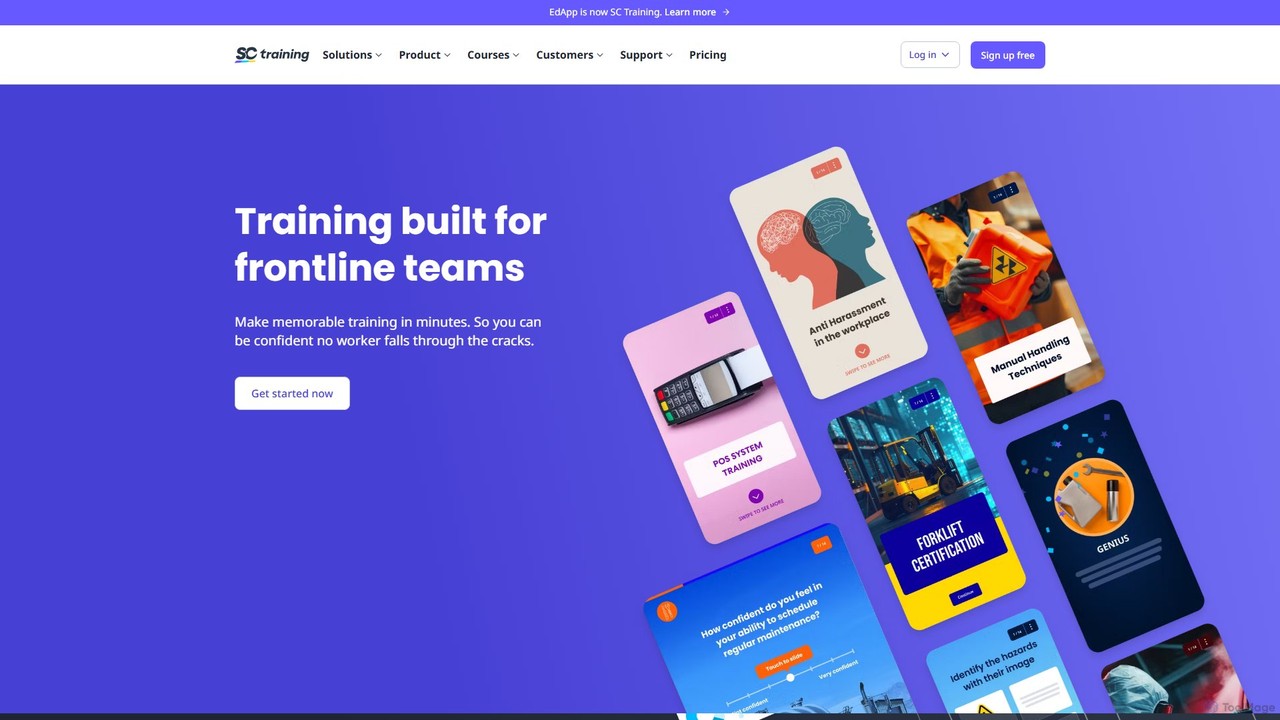
SC Training (formerly EdApp) is a mobile-first microlearning platform designed for frontline teams. It uses AI to create …

77.6K

About Employee Training

AI Employee Training tools are specialized platforms that use artificial intelligence to create, manage, and personalize corporate learning experiences. Leveraging technologies like natural language processing and machine learning, these tools automatically generate course content, design custom learning paths for each employee, and provide interactive simulations for skills practice. They enhance organizational productivity by making training more engaging, scalable, and directly tied to performance metrics, moving beyond traditional one-size-fits-all approaches.

Core Features

  • Personalized Learning Paths: Analyzes individual skill gaps and career goals to create unique training curricula.
  • Automated Content Generation: Instantly creates quizzes, summaries, and video scripts from existing company documents or web content.
  • Interactive Role-Playing: Simulates real-world scenarios like sales negotiations or customer support calls for hands-on practice.
  • Skills Gap Analysis: Tracks employee performance data to identify knowledge gaps across teams and the entire organization.
  • Intelligent Knowledge Base: Provides an AI-powered search for employees to get instant answers from internal documentation.

Use Cases

These tools are widely used by Human Resources (HR) and Learning & Development (L&D) departments in companies of all sizes. They are particularly effective for scaling new hire onboarding, delivering consistent compliance training across global teams, and upskilling employees in rapidly changing fields like technology and sales.

How to Choose

When selecting an AI Employee Training tool, consider its content creation capabilities—does it generate new material or organize existing assets? Evaluate its integration with your current HRIS or LMS. Also, assess the depth of its analytics for tracking progress and identifying skill gaps, and ensure its pricing model aligns with your company's growth.

Employee TrainingUse Cases

1

Automate New Hire Onboarding Process

HR managers in fast-growing companies use AI training tools to streamline the onboarding experience. Instead of manual sessions, the AI platform automatically assigns a personalized learning path to each new hire, covering company policies, role-specific software, and cultural values. The system can generate quizzes from policy documents to verify understanding and use AI chatbots to answer common new hire questions 24/7. This reduces the administrative burden on HR, ensures consistent training for all new employees, and helps them become productive faster.

2

Develop Personalized Sales Team Skills

A sales manager aims to improve their team's negotiation and product knowledge skills. Using an AI training tool, they can create interactive role-playing simulations where sales reps practice handling objections with an AI-powered 'client.' The AI provides instant feedback on their language, tone, and strategy. The platform also analyzes sales call recordings to identify common knowledge gaps and automatically suggests micro-learning modules on specific product features, ensuring training is targeted and relevant to each individual's needs.

3

Scale Compliance and Safety Training

For large enterprises in regulated industries like finance or manufacturing, ensuring company-wide compliance is critical. An L&D department can use an AI platform to deploy mandatory training modules to thousands of employees. The AI automatically tracks completion rates, sends reminders, and generates audit-ready reports. It can also adapt content for different regions and languages and create scenario-based assessments to test an employee's understanding of complex regulations, ensuring a higher level of comprehension and reducing corporate risk.

4

Enhance Customer Service Soft Skills

A customer support lead wants to improve their team's empathy and problem-solving abilities. They utilize an AI tool that offers realistic chat and call simulations. Agents interact with AI-driven customer personas presenting various issues, from simple inquiries to frustrated complaints. The system analyzes the agent's responses for tone, empathy, and adherence to company protocols, providing immediate, private feedback. This allows agents to practice difficult conversations in a safe environment, building confidence and improving customer satisfaction scores.

5

Create Dynamic Leadership Development Programs

L&D specialists are tasked with building a pipeline of future leaders. They use an AI training platform to design a development program that adapts to each aspiring manager's strengths and weaknesses. The AI curates content from various sources on topics like conflict resolution, strategic thinking, and team motivation. It then creates personalized challenges and business case simulations. The platform tracks progress and suggests mentorship pairings based on skill profiles, making leadership training a continuous and data-driven process rather than a one-time event.

6

Upskill Technical Teams with AI-Generated Content

A tech company needs to keep its software developers updated on the latest programming languages and frameworks. Instead of relying on external courses, they use an AI training tool that scans their internal code repositories and technical documentation. The AI automatically generates targeted tutorials, coding challenges, and documentation summaries based on the company's specific tech stack. This ensures the training is highly relevant and practical, accelerating the adoption of new technologies and reducing the time developers spend searching for information.

Employee TrainingFrequently Asked Questions