Productivity Best in category 2 results Expense Management AI Tool

Popular AI tools in the Expense Management field of Productivity include Aspire、Well, etc., helping you quickly improve efficiency.

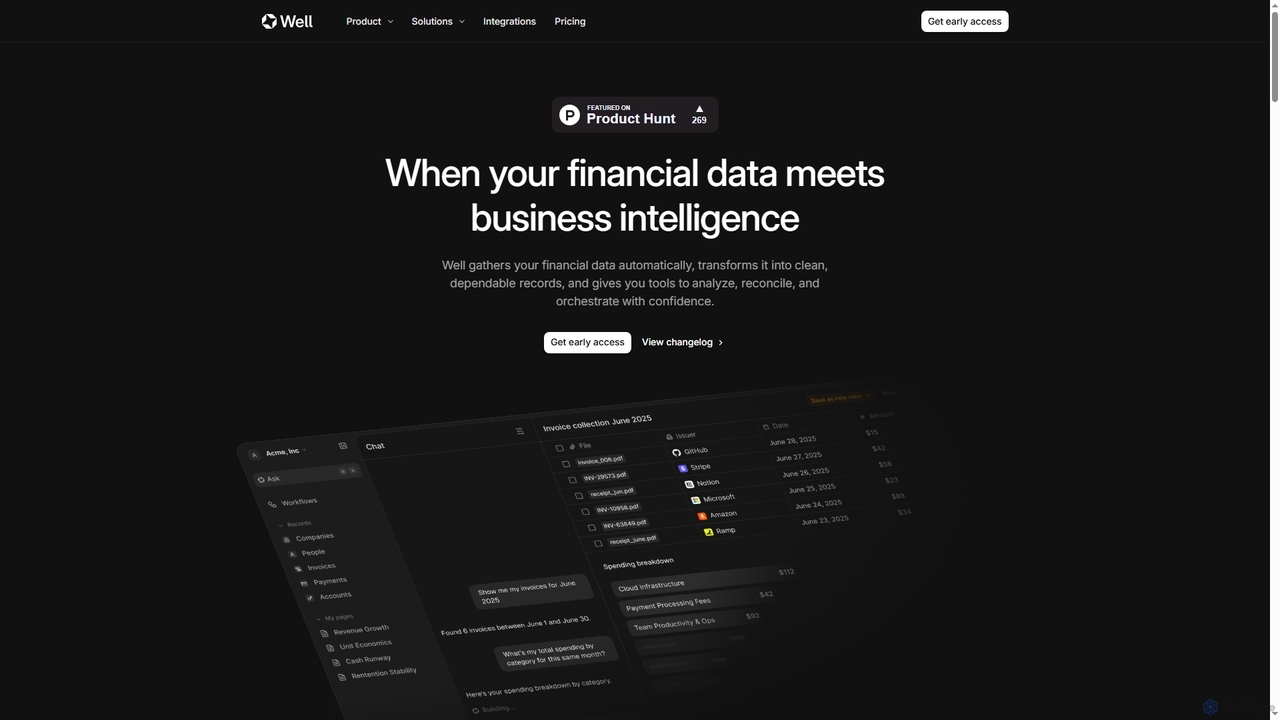
Well

Well

Well is an AI-native business intelligence platform designed for SMBs, automating financial data gathering, transformation, and analysis. It …

6.7K
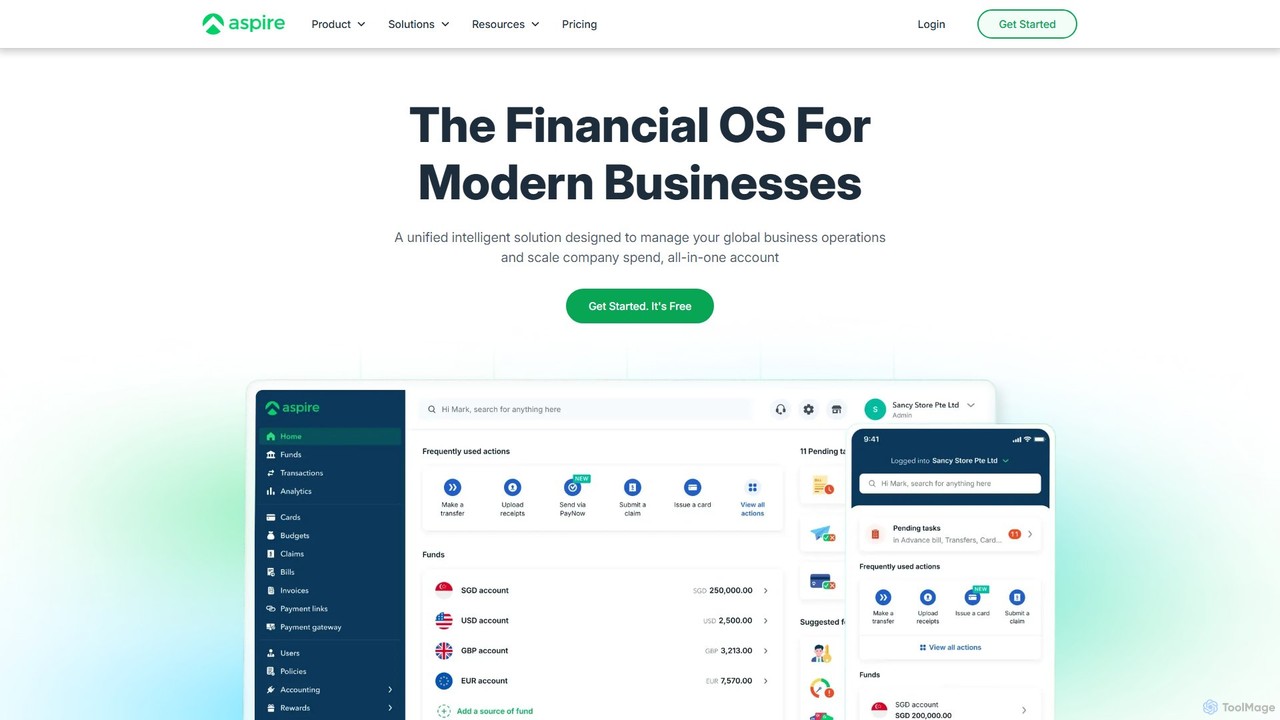
Aspire

Aspire

Aspire is an all-in-one financial operating system for modern businesses. It provides a unified solution for managing multi-currency …

275.0K

About Expense Management

Expense Management AI tools are a category within productivity solutions designed to automate and streamline the tracking, reporting, and analysis of business expenditures. Leveraging artificial intelligence, these tools can automatically categorize transactions, extract data from receipts, and enforce spending policies, significantly reducing manual effort and improving financial oversight. They provide real-time visibility into spending patterns, facilitate faster reimbursements, and ensure compliance with company policies and tax regulations.

Core Features

  • Automated Receipt Scanning: AI-powered OCR extracts data from receipts, eliminating manual entry.
  • Intelligent Categorization: Automatically assigns expenses to appropriate categories based on vendor, amount, and user history.
  • Policy Enforcement: Flags out-of-policy spending and ensures compliance with company guidelines.
  • Real-time Reporting: Provides instant insights into spending, budgets, and financial health.
  • Streamlined Reimbursements: Automates the approval and payment process for employee expenses.

Use Cases

These tools are invaluable for businesses of all sizes, from startups managing initial budgets to large enterprises handling complex global spending. They are particularly useful for sales teams on the road, project managers tracking project-specific costs, and finance departments seeking to optimize cash flow and audit readiness.

How to Choose

When selecting an Expense Management AI tool, consider its integration capabilities with existing accounting software, the accuracy of its AI-driven data extraction, scalability to accommodate growth, and the level of customization for policy rules. Evaluate user-friendliness for employees and robust reporting features for finance teams.

Expense ManagementUse Cases

1

Automating Employee Expense Reimbursements

For employees and finance teams, AI expense management tools simplify the entire reimbursement process. Employees can simply snap a photo of a receipt, and the AI automatically extracts details like vendor, amount, and date, pre-populating expense reports. This drastically reduces the time spent on manual data entry and review, accelerating approval workflows and ensuring timely payouts, leading to higher employee satisfaction and reduced administrative burden.

2

Real-time Project Budget Tracking

Project managers often struggle with keeping project costs within budget. AI expense management tools allow for expenses to be tagged to specific projects or clients at the point of entry. This provides real-time visibility into project spending against allocated budgets, enabling managers to identify overspends early, make informed adjustments, and ensure projects remain financially viable. It enhances financial transparency and accountability for each project.

3

Streamlining Travel & Entertainment (T&E) Expense Reporting

Business travelers frequently incur various expenses for travel, meals, and client entertainment. AI expense tools streamline T&E reporting by automatically capturing receipts, categorizing expenses, and flagging any spending that exceeds company policy limits. This reduces the time travelers spend on paperwork post-trip and empowers finance teams to quickly review and approve reports, ensuring compliance and accurate cost allocation for business trips.

4

Ensuring Compliance with Company Spending Policies

Companies have specific policies regarding what can be expensed, by whom, and up to what amount. AI expense management systems are configured with these rules, automatically detecting and flagging any expenses that violate policy, such as exceeding a meal allowance or purchasing from an unapproved vendor. This proactive enforcement minimizes non-compliant spending, reduces audit risks, and maintains financial integrity across the organization without manual oversight.

5

Simplifying Tax Preparation with Categorized Expenses

For businesses and individuals, accurate expense categorization is crucial for tax season. AI expense management tools automatically sort expenses into predefined or custom categories, making it easy to generate detailed reports for tax filings. This eliminates the tedious task of manually sifting through receipts and spreadsheets, ensuring all deductible expenses are captured accurately and efficiently, saving significant time and reducing the likelihood of errors during tax preparation.

6

Optimizing Vendor Spend Analysis

Finance departments and procurement teams can leverage AI expense data to gain deeper insights into vendor spending. By aggregating and analyzing expenses across different vendors, departments, and time periods, these tools help identify opportunities for cost savings, negotiate better deals with suppliers, and detect potential duplicate payments or fraudulent activities. This strategic analysis supports more informed purchasing decisions and overall financial optimization.

Expense ManagementFrequently Asked Questions