Productivity Best in category 4 results Financial Planning AI Tool

Popular AI tools in the Financial Planning field of Productivity include FinWise、Alphanso、FinancesBox、LoanSim, etc., helping you quickly improve efficiency.

FinancesBox

FinancesBox

FinancesBox is an AI-powered financial assistant designed to provide personalized advice, budget planning, investment strategies, and debt solutions. …

3.0K
Alphanso

Alphanso

Alphanso is an AI-powered wealth management platform that pairs clients with expert fiduciary advisors. It offers comprehensive financial …

7.7K
Free
LoanSim

LoanSim

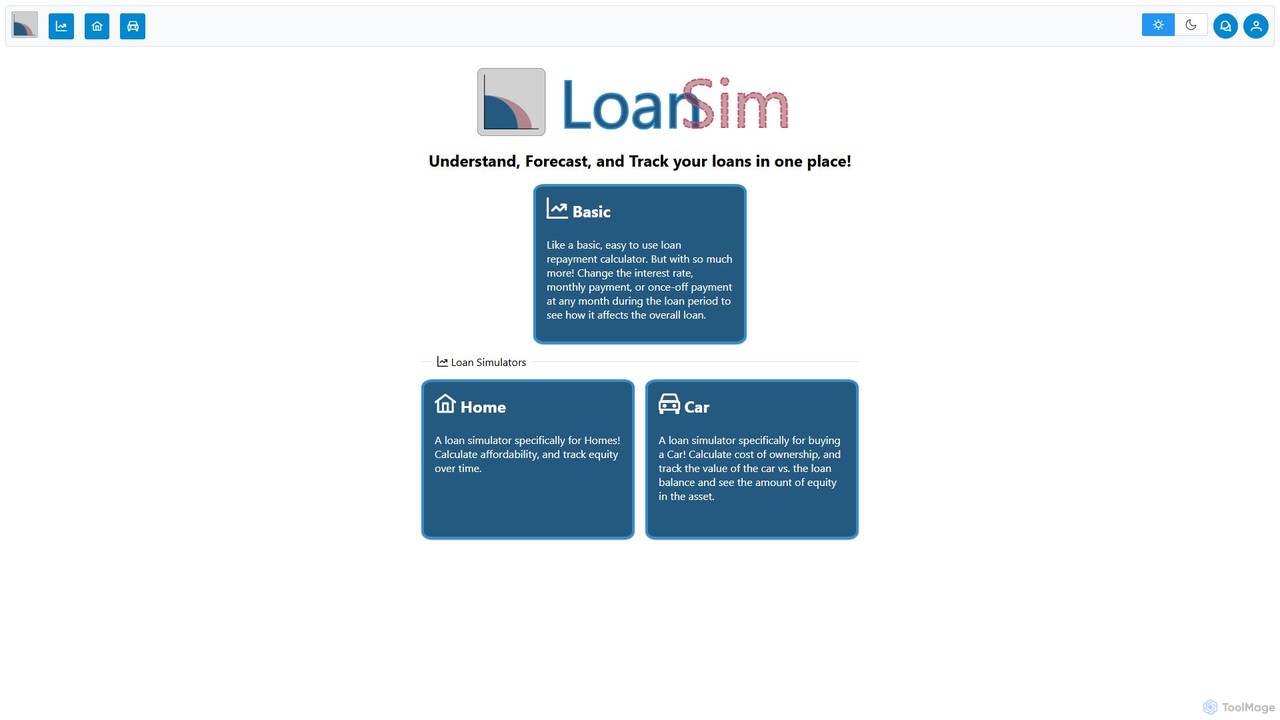
LoanSim is a dynamic financial simulator for understanding, forecasting, and tracking various loans. It offers specialized calculators for …

3.0K
FinWise

FinWise

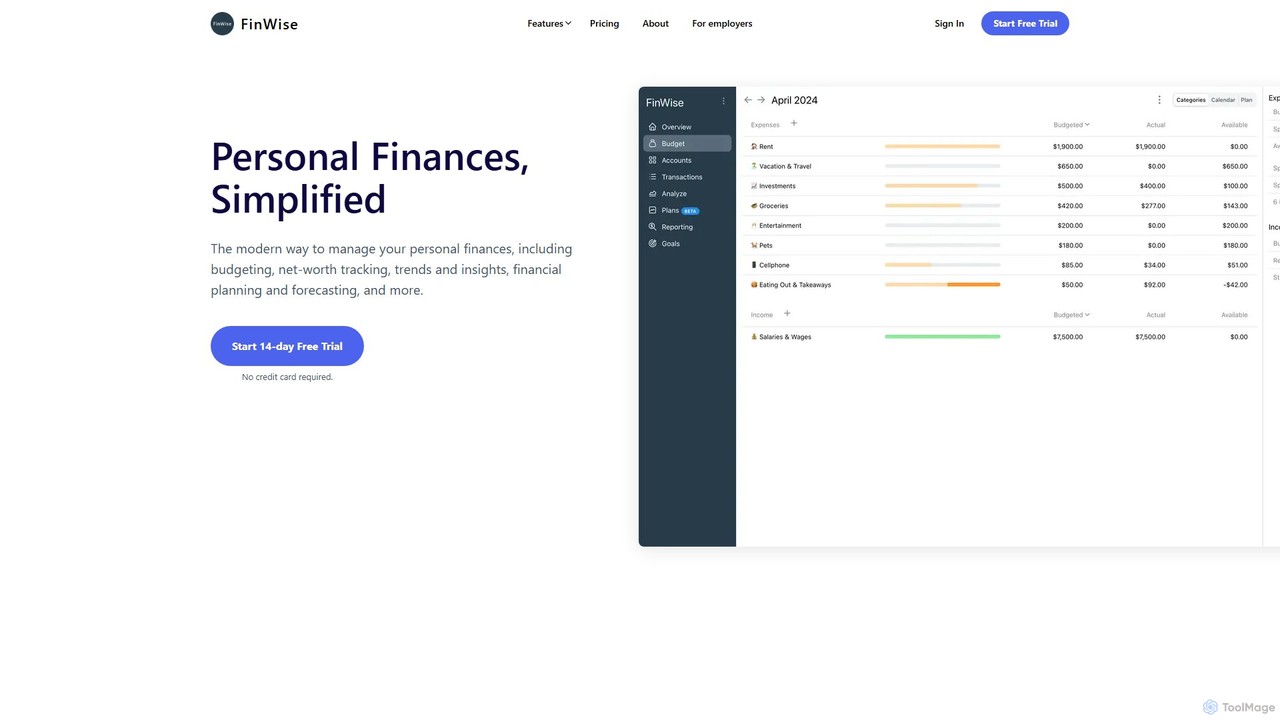
FinWise is a modern personal finance management platform designed to simplify your financial life. It provides a comprehensive …

29.9K

About Financial Planning

Financial Planning tools are AI-powered solutions designed to help individuals and businesses manage their finances, set monetary goals, and make informed investment decisions. These tools leverage machine learning to analyze financial data, predict market trends, automate budgeting, and personalize investment advice. They empower users to optimize spending, grow wealth, plan for significant life events like retirement, and mitigate financial risks. Falling within the broader category of productivity tools, they specifically enhance financial efficiency by automating complex tasks and providing clear, data-driven insights for better decision-making.

Core Features

  • Automated Budgeting & Expense Tracking: Automatically categorizes all financial transactions, monitors spending against predefined budgets, and proactively identifies areas for potential savings.
  • Investment Analysis & Portfolio Management: Provides in-depth evaluation of investment opportunities, tracks real-time portfolio performance, and suggests intelligent rebalancing strategies based on individual risk tolerance and market conditions.
  • Goal-Based Financial Planning: Assists users in setting clear financial objectives, such as retirement, home purchase, or education savings, and tracks progress with actionable insights and adjustments.
  • Risk Assessment & Mitigation: Analyzes overall financial health to identify potential vulnerabilities, like insufficient emergency funds or high debt, offering proactive strategies for mitigation and financial stability.
  • Tax Planning Assistance: Offers valuable insights and recommendations to optimize tax liabilities throughout the year by identifying eligible deductions, managing taxable events, and projecting tax outcomes.

Applicable Scenarios

These tools are invaluable across various sectors and personal situations. Individuals can use them for personal wealth building, retirement planning, and managing daily expenses. Small business owners benefit from streamlined cash flow management, expense tracking, and financial forecasting. Families can optimize household budgets, plan for children's education, or save for major purchases, gaining clarity and automation for diverse financial needs.

How to Choose

When selecting an AI financial planning tool, consider its comprehensive feature set, ensuring it covers your specific needs like budgeting, investment tracking, and tax planning. Evaluate its integration capabilities with your existing bank accounts, credit cards, and investment platforms for seamless data synchronization. Robust data security and privacy policies are paramount, so look for strong encryption and compliance certifications. An intuitive user interface and the ability to customize financial plans to your specific goals, risk tolerance, and life stage are also crucial for long-term usability and effectiveness.

Financial PlanningUse Cases

1

Personal Retirement Planning

Individuals use AI financial planning tools to project their retirement savings, model various investment scenarios, and adjust contribution strategies to meet long-term financial independence goals. The tool analyzes current assets, income, and desired retirement lifestyle to provide personalized recommendations, helping users stay on track and make informed decisions for their future.

2

Small Business Cash Flow Management

Small business owners leverage AI financial planning tools to forecast income and expenses, identify spending patterns, and optimize working capital for better financial stability. The tools provide real-time insights into cash flow, highlight potential shortfalls or surpluses, and suggest strategies for managing liquidity, enabling proactive financial decision-making and growth.

3

Family Budgeting & Expense Optimization

Households utilize AI financial planning tools to track shared expenses, categorize spending across various categories like groceries, utilities, and entertainment, and identify areas for potential savings. These tools help families create and stick to a budget, ensuring financial health for major purchases, children's education, or unexpected costs, fostering better financial communication and discipline.

4

Automated Investment Portfolio Rebalancing

Investors connect their brokerage accounts to AI platforms that continuously monitor market conditions and automatically suggest or execute portfolio adjustments. This ensures the portfolio maintains its desired asset allocation and risk levels, optimizing returns and minimizing manual intervention. The AI can identify when certain assets deviate from target percentages and recommend rebalancing actions efficiently.

5

Debt Management & Repayment Strategy

Individuals with multiple debts use AI tools to analyze interest rates, payment structures, and outstanding balances across all their liabilities. The tool then recommends the most efficient repayment strategies, such as the snowball or avalanche method, to minimize interest paid and accelerate debt freedom. It provides clear visualizations of progress and actionable steps to achieve financial liberation.

6

Real Estate Investment Analysis

Prospective property investors use AI financial planning tools to analyze market data, rental yields, property values, and potential returns on investment for various real estate opportunities. The tools can simulate different scenarios, assess risks, and provide data-driven insights to aid in informed decision-making for property acquisition, helping investors identify profitable ventures and optimize their real estate portfolios.

Financial PlanningFrequently Asked Questions