Productivity Best in category 4 results Gamification AI Tool

Popular AI tools in the Gamification field of Productivity include Group Chat Heroes Studio、purplepro、play2learn、ReviewElf, etc., helping you quickly improve efficiency.

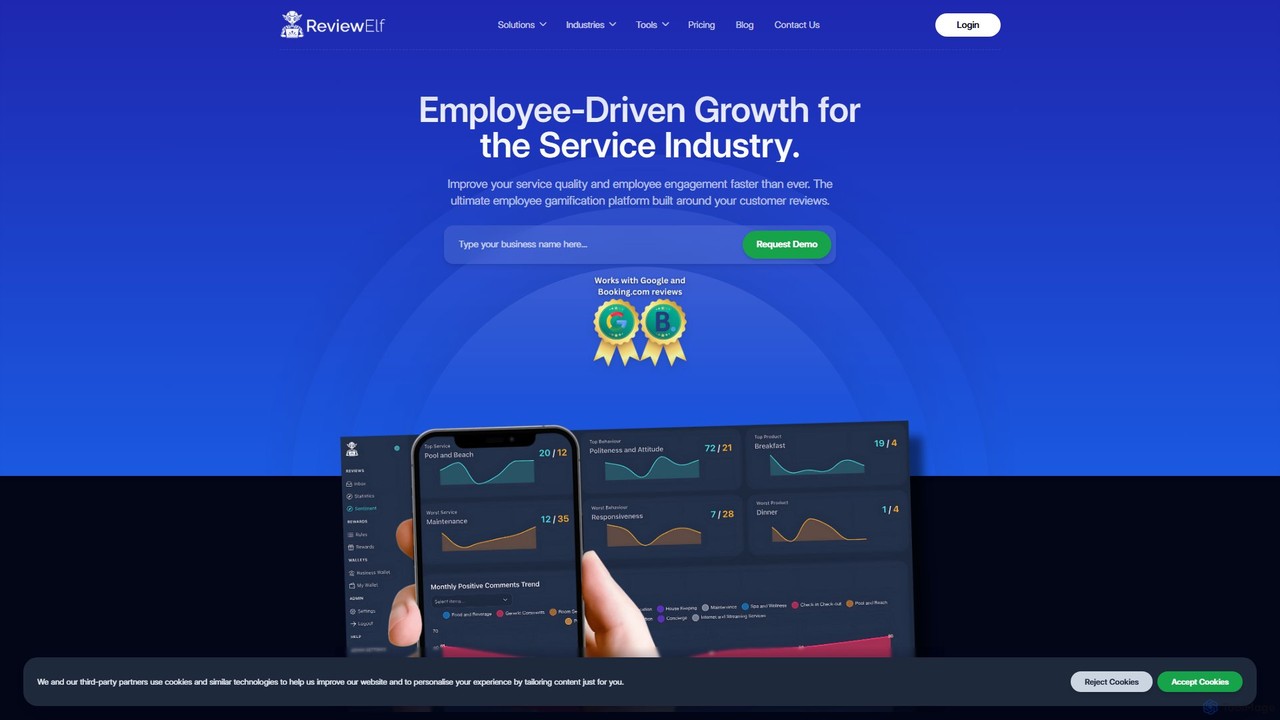
ReviewElf

ReviewElf

ReviewElf is an AI-powered platform that transforms customer reviews into actionable insights and employee motivation. It uses gamified …

2.5K
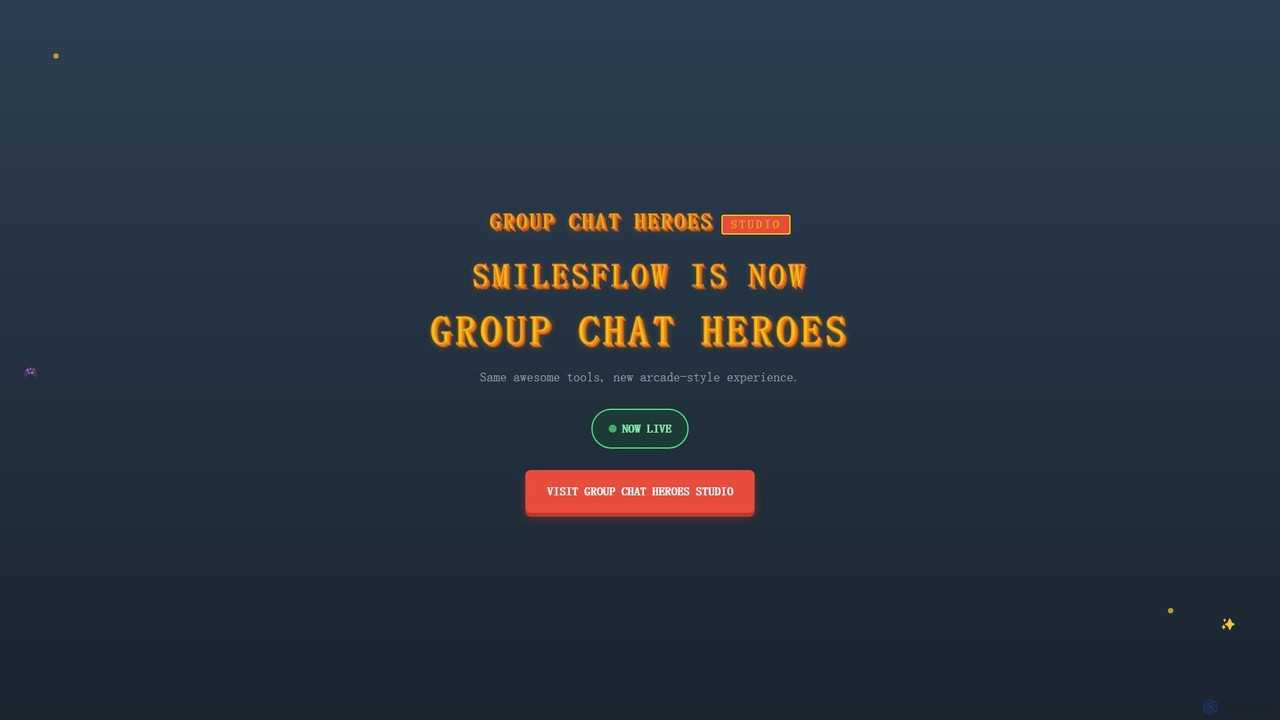
Group Chat Heroes Studio

Group Chat Heroes Studio

Group Chat Heroes Studio (formerly smilesflow) is a gamified AI content creation suite. It transforms content creation into …

3.2K
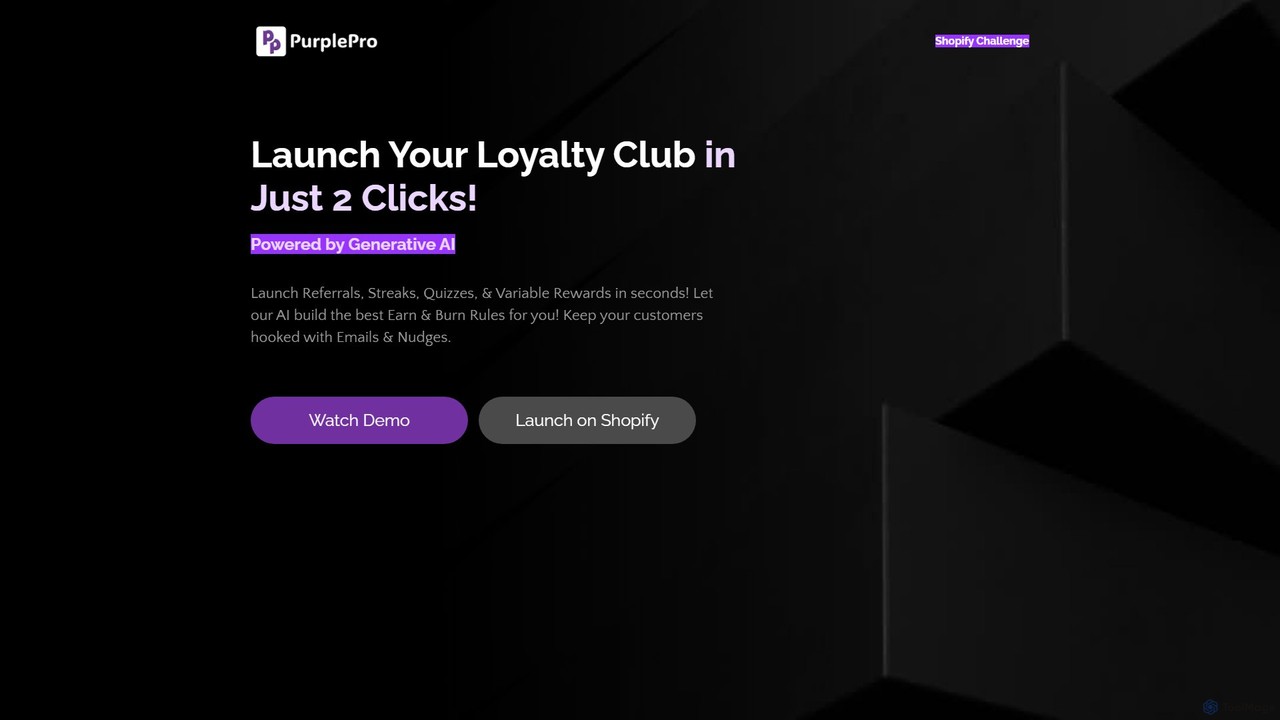
purplepro

purplepro

PurplePro is an AI-powered loyalty and rewards platform designed for D2C and Shopify brands. It enables businesses to …

2.6K
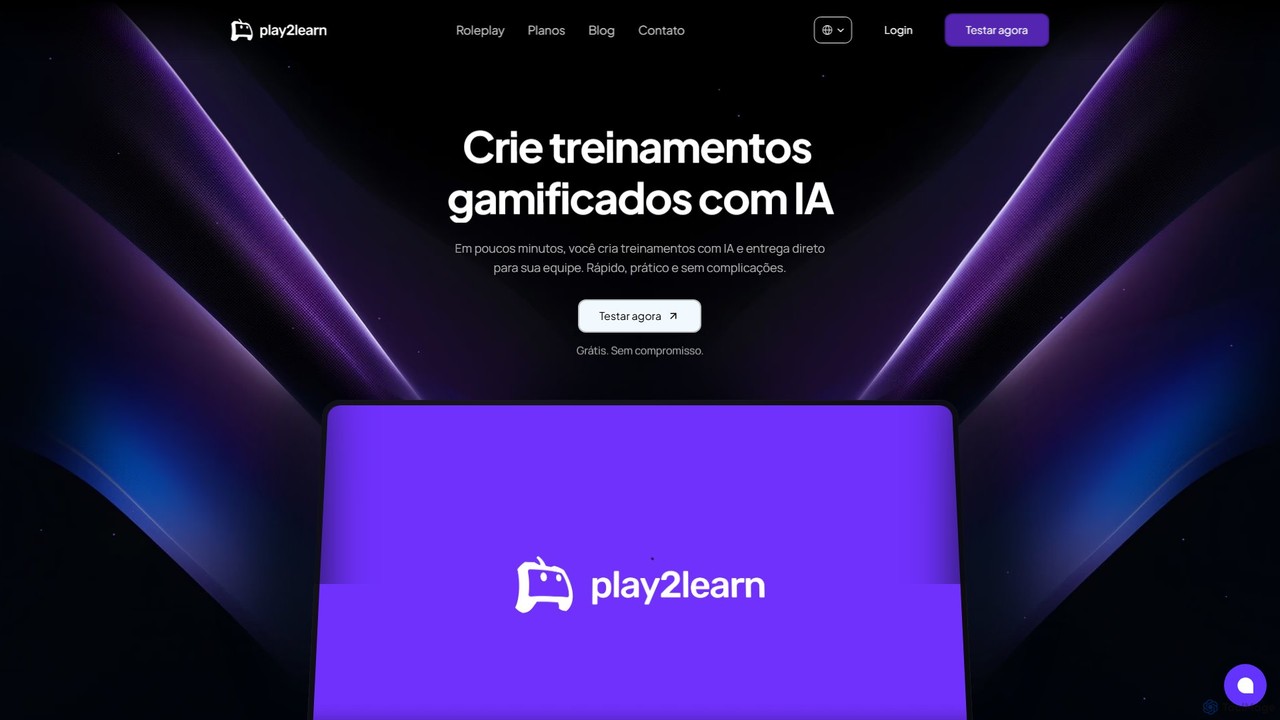
play2learn

play2learn

play2learn is an AI-powered platform that transforms corporate training by creating engaging, gamified experiences. In minutes, it converts …

2.6K

About Gamification

Gamification tools are AI-powered solutions that integrate game-like elements and design principles into non-game contexts to drive engagement, motivation, and desired behaviors. These tools leverage psychological triggers such as competition, achievement, and reward systems to transform mundane tasks into interactive experiences. Within the broader Productivity category, gamification specifically aims to make work, learning, or personal development more engaging, thereby enhancing focus, efficiency, and overall output.

Core Features

  • Points & Badges: Awarding virtual points for completing tasks and digital badges for achieving milestones.
  • Leaderboards: Displaying rankings among users or teams to foster healthy competition and recognition.
  • Progress Tracking: Visualizing user advancement through tasks, levels, or learning modules.
  • Challenges & Quests: Structuring objectives as engaging missions or time-bound challenges with clear goals.
  • Virtual Rewards & Currencies: Offering in-app items, unlockable content, or virtual currency for achievements.

Applicable Scenarios

Gamification tools are widely adopted across various sectors. They are used in corporate training to boost employee engagement and knowledge retention, in marketing to enhance customer loyalty programs and brand interaction, and in education to make learning more interactive and motivating for students. Individuals also use them for personal goal setting, habit formation, and fitness tracking.

How to Choose

When selecting a gamification tool, consider its alignment with your specific goals and target audience. Evaluate the range of game mechanics offered, such as points, badges, leaderboards, and customization options. Assess its integration capabilities with existing platforms (e.g., CRM, LMS) and the analytics features for tracking engagement and measuring impact. Finally, consider the user experience and ease of implementation.

GamificationUse Cases

1

Enhancing Employee Onboarding & Training

HR departments utilize gamification tools to transform traditional onboarding and training modules into interactive experiences. New hires earn points for completing compliance courses, unlock badges for mastering software skills, and compete on leaderboards for top performance, significantly boosting engagement and knowledge retention.

2

Boosting Customer Loyalty & Engagement

Businesses integrate gamified elements into their customer loyalty programs or mobile apps. Users receive points for purchases, referrals, or app usage, which can be redeemed for discounts or exclusive content. Daily challenges and tiered membership levels encourage repeat interactions and foster a stronger brand connection.

3

Motivating Sales Team Performance

Sales managers deploy gamification platforms to energize their teams. Sales representatives compete in real-time challenges to close deals, make calls, or achieve revenue targets, earning virtual trophies and climbing leaderboards. This fosters a competitive yet collaborative environment, driving higher sales figures.

4

Improving Educational Outcomes in E-learning

Educational institutions and e-learning platforms use gamification to make learning more captivating. Students progress through courses by completing quizzes (challenges), earning virtual stars for correct answers, and unlocking new modules. This approach increases motivation, reduces dropout rates, and improves academic performance.

5

Encouraging Healthy Habits & Personal Development

Individuals leverage gamified fitness or habit-tracking apps to achieve personal goals. Users earn streaks for consistent workouts, collect virtual rewards for reaching step counts, or compete with friends in health challenges. This transforms routine activities into rewarding achievements, promoting long-term adherence.

6

Driving User Adoption in Software Products

Software companies implement gamified onboarding flows to guide new users through their product's features. Users complete interactive tutorials, earn points for exploring different functionalities, and receive prompts to unlock advanced tools. This reduces the learning curve and encourages deeper engagement with the software.

GamificationFrequently Asked Questions