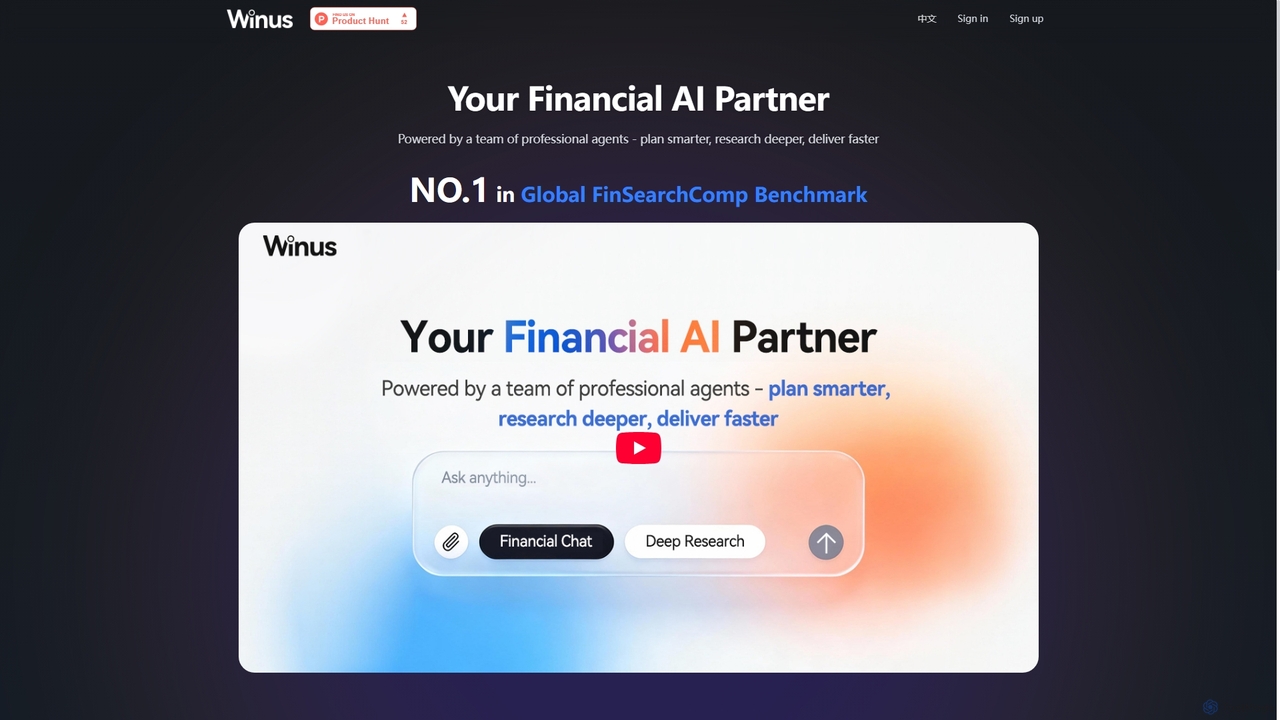
Intelligent Assistants are AI-powered software tools designed to streamline tasks, automate routines, and provide personalized support across various domains. Leveraging advanced natural language processing (NLP), machine learning, and contextual understanding, these assistants can interpret user requests, manage schedules, retrieve information, and even initiate actions on behalf of the user. They significantly enhance productivity by reducing manual effort and offering proactive assistance, making daily workflows more efficient and less burdensome.
Core Features
- Natural Language Interaction: Understands and responds to spoken or typed commands in a human-like manner.
- Task Automation: Automates repetitive tasks such as scheduling meetings, sending reminders, or managing emails.
- Information Retrieval: Quickly searches and synthesizes information from various sources to answer queries or provide summaries.
- Personalized Learning: Adapts to user preferences, habits, and context over time to offer more relevant and proactive assistance.
- Cross-Platform Integration: Connects with other applications and services (calendars, email, CRM) to perform actions seamlessly.
Use Cases
Intelligent assistants are widely adopted by professionals, students, and individuals seeking to optimize their daily routines. They are particularly valuable in scenarios requiring rapid information access, efficient task management, and personalized digital support, freeing up time for more complex or creative endeavors.
How to Choose
When selecting an Intelligent Assistant, consider its core functionalities, such as task automation capabilities and natural language understanding accuracy. Evaluate its integration ecosystem with your existing tools (e.g., calendar, email, project management). Assess the level of personalization and learning it offers, along with its data privacy policies and overall ease of use. Finally, compare pricing models and customer support options.