Productivity Best in category 2 results Inventory Management AI Tool

Popular AI tools in the Inventory Management field of Productivity include GearChain、Dashbe, etc., helping you quickly improve efficiency.

Dashbe

Dashbe

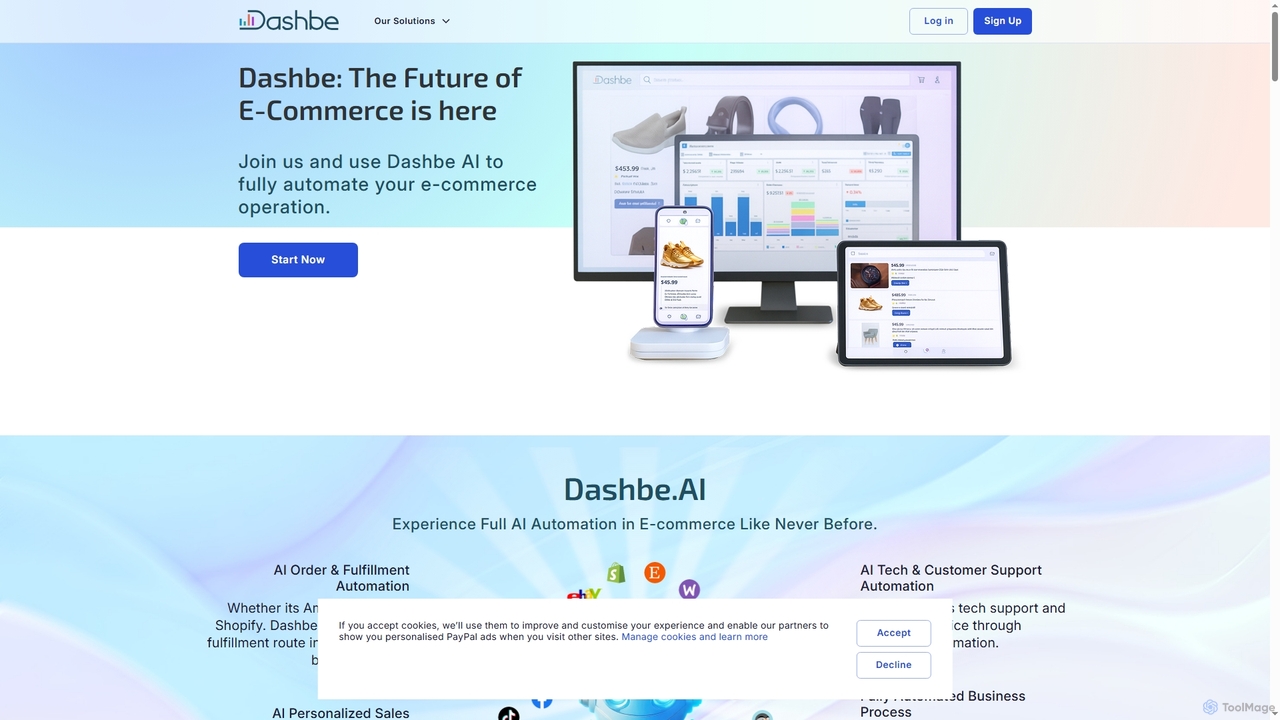
Dashbe is an AI-powered e-commerce automation platform designed to streamline and optimize online business operations. It offers comprehensive …

1.8K
GearChain

GearChain

GearChain is an AI-powered, no-code platform for inventory and asset tracking. It simplifies management with features like AI …

5.8K

About Inventory Management

Inventory Management tools are AI-powered solutions designed to automate and optimize the tracking, control, and forecasting of stock levels. These tools leverage machine learning and data analytics to provide real-time visibility into inventory, predict demand fluctuations, and streamline supply chain operations. They help businesses minimize carrying costs, prevent stockouts, and enhance overall operational efficiency within the broader context of productivity enhancement.

Core Features

  • Real-time Tracking: Monitors stock levels, movement, and location across multiple warehouses or sales channels instantly.
  • Demand Forecasting: Utilizes historical data and AI algorithms to predict future demand, optimizing reorder points and quantities.
  • Automated Reordering: Automatically generates purchase orders or alerts when stock falls below predefined thresholds.
  • Warehouse Optimization: Suggests optimal storage locations and picking routes to improve efficiency and reduce labor costs.
  • Supplier Management: Integrates with supplier systems to streamline procurement and improve communication.

Use Cases

Businesses across retail, manufacturing, e-commerce, and logistics sectors utilize AI inventory management to gain a competitive edge. For instance, an e-commerce retailer can use these tools to manage stock across online stores and physical warehouses, ensuring popular items are always available while reducing excess inventory. Manufacturing companies apply them to optimize raw material procurement and finished goods distribution, preventing production delays and improving delivery times.

How to Choose

When selecting an AI inventory management tool, consider its integration capabilities with existing ERP or e-commerce platforms, the accuracy of its demand forecasting models, and its scalability to handle future growth. Evaluate the level of automation offered, from basic alerts to fully automated reordering, and assess the user interface for ease of use. Finally, compare pricing structures and ensure the tool provides robust reporting and analytics features to support strategic decision-making.

Inventory ManagementUse Cases

1

Optimizing E-commerce Stock Levels

An online retailer uses AI inventory management to analyze sales trends, seasonal demand, and marketing campaign impacts. The tool automatically adjusts stock levels across multiple fulfillment centers, predicts optimal reorder points for fast-moving products, and identifies slow-moving items for promotional strategies, significantly reducing stockouts and overstocking.

2

Streamlining Manufacturing Raw Material Procurement

A manufacturing plant integrates AI inventory tools to monitor raw material consumption rates, supplier lead times, and production schedules. The system forecasts future material needs, automatically generates purchase requisitions, and alerts procurement teams to potential supply chain disruptions, ensuring continuous production without costly delays or excessive inventory holding.

3

Enhancing Multi-Location Retail Inventory Accuracy

A retail chain with numerous physical stores deploys AI inventory management to maintain accurate stock counts and transfer goods efficiently between locations. The tool uses sales data and inter-store transfer patterns to recommend optimal stock distribution, minimize shrinkage, and ensure product availability at each store, improving customer satisfaction and sales.

4

Automating Warehouse Picking and Putaway

A logistics company implements AI-driven inventory management to optimize warehouse operations. The system analyzes product dimensions, order frequency, and historical picking paths to suggest the most efficient storage locations (putaway) and generate optimized picking routes for warehouse staff, drastically reducing order fulfillment times and labor costs.

5

Predicting Seasonal Demand for Perishable Goods

A grocery distributor leverages AI inventory management to forecast demand for perishable goods with high accuracy, considering factors like holidays, weather, and local events. This enables precise ordering from suppliers, minimizing spoilage and waste while ensuring fresh products are consistently available on shelves, leading to higher profitability.

6

Managing Spare Parts for Equipment Maintenance

A heavy equipment service provider uses AI inventory management to track and predict the need for spare parts across its service centers. The tool analyzes equipment usage, maintenance schedules, and failure rates to ensure critical parts are always in stock, reducing equipment downtime and improving service response times for clients.

Inventory ManagementFrequently Asked Questions