ToolMage
Sign in

Best 1 Life Assistant for Productivity

Popular Life Assistant in Productivity include UPLOAD.food, helping you work more efficiently.

UPLOAD.food
Paid

UPLOAD.food

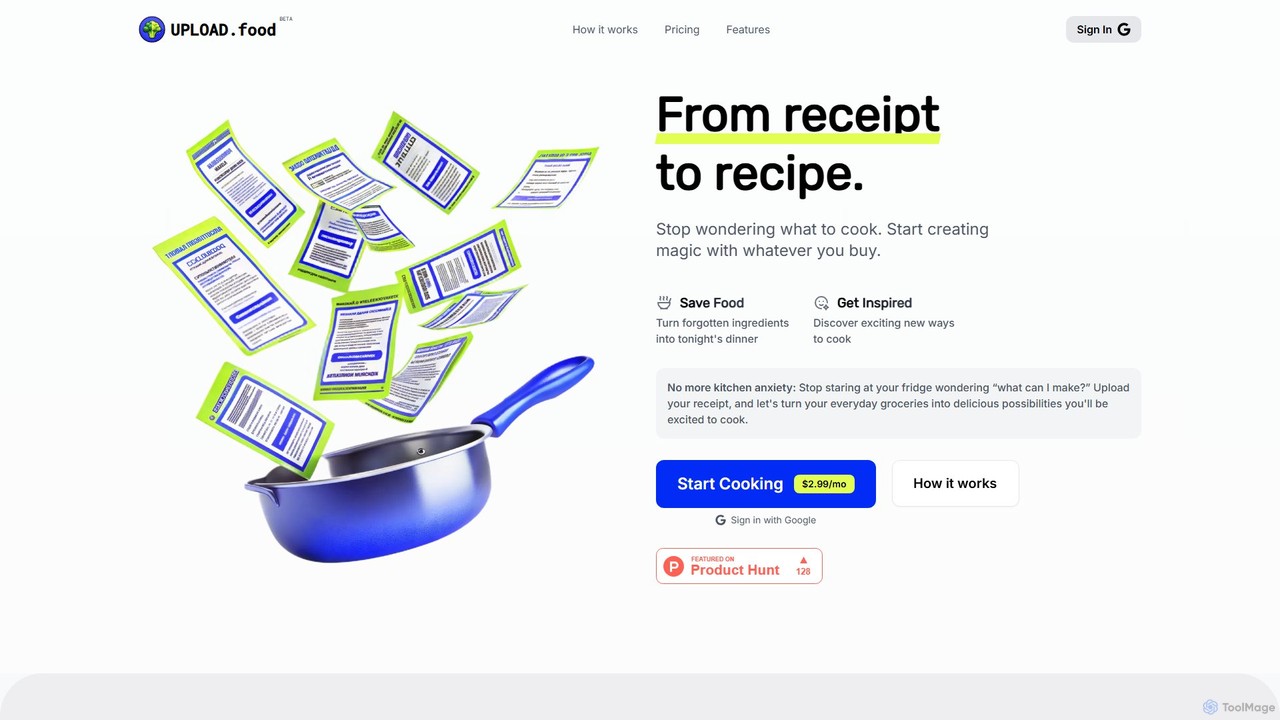
UPLOAD.food is an AI-powered recipe generator that transforms your grocery receipts into delicious, personalized meal plans. Simply upload a photo of your receipt, and the AI creates recipes based on the ingredients you own, helping you reduce food waste, save money, and eliminate kitchen anxiety.

Meal Planning
Visits 5.5KFavorites 114Likes 127

About Life Assistant

AI Life Assistant tools are applications designed to help individuals manage personal tasks, schedules, and daily routines. These tools leverage natural language processing and machine learning to understand user requests, automate planning, and provide personalized support. Their primary value is in streamlining personal organization, reducing mental load, and freeing up time for more important activities. As a specialized category within Productivity, they focus specifically on individual and non-corporate life management, distinct from team-based project tools.

Core Features

  • Intelligent Scheduling: Automatically finds time slots for appointments, sets smart reminders, and manages personal or family calendars.
  • Task and Habit Management: Allows users to create dynamic to-do lists, track progress on habits, and receive motivational prompts.
  • Personalized Recommendations: Suggests meals, workouts, books, or activities based on user preferences, history, and stated goals.
  • Information Consolidation: Acts as a central hub for notes, shopping lists, and personal information, accessible through simple commands.
  • Smart Device Integration: Connects with wearables, smart home devices, and other personal apps to create a cohesive automated environment.

Use Cases

AI Life Assistants are particularly useful for busy professionals balancing work and personal life, parents coordinating complex family schedules, and students organizing study plans and deadlines. They also serve individuals focused on personal development, such as building new habits, learning new skills, or managing health and wellness goals.

How to Choose

When selecting an AI Life Assistant, consider its platform compatibility (iOS, Android, web, smart speakers) and its integration ecosystem—can it connect to your existing calendar, email, and health apps? Evaluate its natural language understanding capabilities for ease of use. Finally, carefully review the privacy policy to understand how your personal data is managed and secured.

Life Assistant use cases

1

Automating Daily Routine Planning

A freelance professional aims to structure their day for maximum productivity and well-being. Using an AI Life Assistant, they define their ideal morning routine: wake up at 6 AM, 15 minutes of meditation, a 30-minute workout, and a 10-minute news briefing. The assistant automates this by integrating with various apps. It sets a smart alarm, automatically plays a guided meditation track on a smart speaker, suggests a workout video based on their fitness goals, and then reads a personalized news summary from their preferred sources. This eliminates decision fatigue and ensures a consistent, productive start to every day.

2

Managing Complex Family Schedules

A parent needs to coordinate the schedules of two children, including school, soccer practice, music lessons, and doctor's appointments, along with their own work meetings. They use an AI Life Assistant with a shared family calendar feature. By speaking or typing commands like "Schedule Tim's dental check-up next Tuesday afternoon," the AI finds a free slot that doesn't conflict with other activities and adds it to the calendar. It automatically sends reminders to relevant family members via text message a day and an hour before each event. This centralizes all family planning and reduces the risk of missed appointments or scheduling conflicts.

3

Tracking Personal Health and Fitness Goals

An individual is focused on improving their health by drinking more water, exercising three times a week, and meditating daily. They use an AI Life Assistant to track these habits. Each day, they can simply say, "I just drank a glass of water" or "I finished my workout." The assistant logs this data and provides a visual dashboard of their progress. It can also provide proactive support, sending a reminder if they haven't logged any water intake by the afternoon or offering encouragement when they maintain a consistent streak. This simplifies the tracking process and provides motivation to stay on course with their wellness journey.

4

Streamlining Shopping and Meal Planning

A user wants to make grocery shopping and weekly meal prep more efficient. Throughout the week, as they notice items running low, they tell their AI Life Assistant, "Add milk and eggs to the shopping list." Before heading to the store, they ask the assistant to organize the list by category (e.g., produce, dairy, pantry). They can also ask, "What can I make with chicken and broccoli?" The assistant searches for recipes and can add the missing ingredients to the shopping list. This creates a seamless workflow from identifying needs to planning meals and executing the shopping trip, saving time and reducing food waste.

5

Organizing Personal Learning Projects

A lifelong learner wants to learn Spanish. They use their AI Life Assistant to structure their learning plan. They set a goal: "Achieve conversational fluency in 6 months." The AI helps break this down into manageable weekly goals, such as "Learn 50 new vocabulary words" and "Practice speaking for 30 minutes daily." It schedules dedicated study blocks in their calendar, suggests relevant learning apps or YouTube channels, and quizzes them on vocabulary using spaced repetition. The assistant acts as a personal learning coach, keeping them organized, motivated, and on track to meet their long-term educational goal.

6

Planning and Booking Personal Travel

A user is planning a week-long vacation. They provide their AI Life Assistant with their destination, dates, and budget. The assistant researches and presents flight and hotel options that match the criteria, including user ratings and proximity to attractions. Once the user makes a choice, the assistant can navigate to the booking site or store the details. It then helps build an itinerary by suggesting popular activities, restaurants, and tours. All confirmations, tickets, and plans are automatically organized into a single trip folder, accessible anytime, simplifying the entire travel planning process from research to execution.

Life Assistant FAQ

What is an AI Life Assistant?

An AI Life Assistant is a software tool designed to help individuals manage their personal, non-work-related activities. Unlike general productivity tools that might focus on team projects or document creation, a Life Assistant specializes in personal organization. Key functions include managing schedules, tracking habits, setting reminders, planning meals, and consolidating personal information. They use AI to understand natural language commands and automate daily routines, aiming to reduce mental overhead and save time for the user.

How to choose the right AI Life Assistant?

Choosing the right AI Life Assistant depends on your specific needs and digital ecosystem. Consider these factors:

  • Platform Availability: Ensure the tool works seamlessly across all your devices, such as your smartphone (iOS/Android), computer, and smart speakers.
  • Integration Capabilities: Check if it can connect with your essential apps like Google Calendar, Outlook, Spotify, or health tracking apps. Deeper integration means more powerful automation.
  • User Interface and Ease of Use: The tool should be intuitive. A good assistant understands natural, conversational language without requiring rigid commands.
  • Privacy and Security: Since you'll be sharing personal data, review its privacy policy. Look for tools that offer end-to-end encryption or clear data control options.
What's the difference between a Life Assistant and a standard virtual assistant (like Siri or Google Assistant)?

The main difference lies in their scope and depth. Standard virtual assistants like Siri or Google Assistant are broad, general-purpose tools integrated into an operating system. They excel at quick, single-shot tasks like setting a timer, checking the weather, or making a call. An AI Life Assistant is a specialized, dedicated application focused on long-term personal management. It offers deeper features for complex tasks like multi-step routine automation, detailed habit tracking, and integrating information from various sources (calendars, notes, lists) into a single, cohesive system for holistic life organization.

Can AI Life Assistants help with mental well-being?

Yes, many AI Life Assistants can support mental well-being, although they are not a substitute for professional medical advice. They can help by:

  • Promoting Routine: Establishing consistent daily routines for sleep, meals, and exercise, which is beneficial for mental health.
  • Habit Tracking: Assisting in building positive habits like meditation, journaling, or mindfulness exercises.
  • Reducing Cognitive Load: By managing schedules and to-do lists, they free up mental energy, reducing feelings of being overwhelmed.
  • Goal Setting: Helping users break down large personal goals into smaller, achievable steps, which can boost confidence and motivation.

They act as organizational aids that can create a more structured and less stressful personal environment.

Who is the ideal user for an AI Life Assistant?

AI Life Assistants are beneficial for a wide range of individuals. The ideal user is anyone looking to bring more structure and efficiency to their personal life. This includes:

  • Busy Professionals: To manage personal appointments and tasks outside of work hours.
  • Parents and Guardians: To coordinate complex family schedules, activities, and household chores.
  • Students: To organize study schedules, track assignment deadlines, and manage personal projects.
  • Individuals Focused on Self-Improvement: To build and track new habits related to health, fitness, or learning.
  • Anyone Feeling Overwhelmed: To offload the mental task of remembering and organizing daily life, thereby reducing stress.