ToolMage
Sign in

Best 2 Operating System AI tools for Productivity

Popular Operating System AI tools in Productivity include FydeOS and Fydetab Duo, helping you work more efficiently.

FydeOS
Freemium

FydeOS

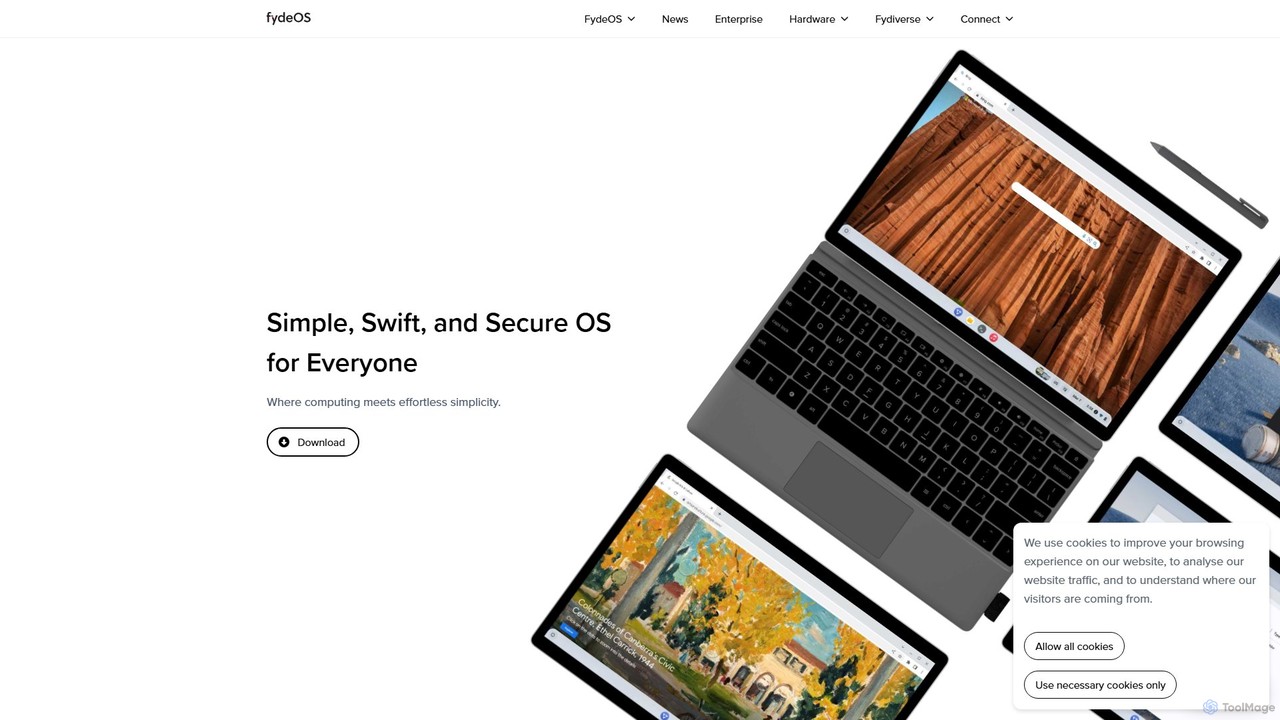
FydeOS is a fast, secure, and simple cloud-first operating system based on Chromium OS. It seamlessly integrates AI for a smarter user experience and supports Web, Android, and Linux applications. Ideal for revitalizing old hardware, enterprise device management, and privacy-conscious users seeking a ChromeOS alternative.

Device Management
Visits 293.6KFavorites 114Likes 124
Fydetab Duo
Paid

Fydetab Duo

Fydetab Duo is a high-performance, open-source 2-in-1 Linux tablet powered by FydeOS. It features a Rockchip RK3588S chip with a 6 TOPS AI NPU for on-device machine learning, a 12.35-inch 2K display, and a detachable keyboard with a stylus. It's designed for developers, tech enthusiasts, and productivity users seeking a versatile and customizable computing experience.

Embedded Systems
Visits 12.6KFavorites 100Likes 102

About Operating System

AI-enhanced Operating Systems are a class of software platforms that integrate artificial intelligence to optimize user experience, automate tasks, and boost productivity. These systems leverage machine learning algorithms to intelligently manage resources, personalize interfaces, and provide proactive assistance. They aim to transform the traditional computing environment into a more adaptive, efficient, and intuitive workspace, streamlining workflows for individuals and businesses alike.

Core Features

  • Intelligent Resource Management: AI algorithms dynamically allocate CPU, memory, and network resources based on usage patterns and predictive analysis, ensuring smoother performance.
  • Personalized User Experience: Adapts interface layouts, suggests relevant applications, and prioritizes notifications based on user habits and context.
  • Integrated AI Assistants: Provides conversational AI for task automation, information retrieval, content generation, and system control directly within the OS environment.
  • Proactive Security Monitoring: Utilizes AI to detect and mitigate potential threats, identify anomalous behavior, and enhance system integrity in real-time.
  • Smart File & Data Organization: Automatically categorizes files, suggests optimal storage locations, and enables semantic search for faster information retrieval.

Use Cases

AI-enhanced operating systems are increasingly adopted by power users, developers, and creative professionals seeking to maximize their digital efficiency. They are particularly valuable in environments requiring dynamic resource allocation, personalized workflow automation, and advanced data management, helping users focus on core tasks rather than system maintenance.

How to Choose

When selecting an AI-enhanced operating system, consider the depth of AI integration, its compatibility with your existing hardware and software ecosystem, and the level of customization offered. Evaluate its performance optimization capabilities, security features, and the availability of developer tools for extending AI functionalities. User privacy policies and community support are also crucial factors.

Featured tool rankings

Operating System use cases

1

Automating Routine Administrative Tasks

For office professionals, AI in the OS can learn repetitive actions like organizing downloaded files, scheduling system updates, or managing email notifications, then automate them. This frees up time spent on mundane tasks, allowing focus on strategic work.

2

Optimizing Development Environments

Developers can benefit from AI-powered resource allocation that prioritizes active development tools, predictive code completion suggestions integrated at the OS level, and intelligent debugging assistance, leading to faster iteration cycles.

3

Enhancing Creative Workflow Efficiency

Graphic designers and video editors can leverage AI-enhanced OS features for intelligent asset management, automatic background process optimization to ensure smooth rendering, and AI-driven suggestions for relevant tools or plugins based on project type.

4

Personalizing Learning & Research

Students and researchers can use AI-driven OS features to intelligently organize research papers, summarize documents, suggest related content based on browsing history, and adapt the workspace for focused study sessions, improving information retention.

5

Proactive Cybersecurity Management

Small business owners can rely on AI-enhanced OS security features that proactively identify and neutralize emerging threats, detect unusual network activity, and automate security patch management, reducing the risk of data breaches without constant manual oversight.

6

Streamlining Customer Support Operations

For call center agents, an AI-integrated OS can provide real-time contextual information from CRM systems, suggest relevant knowledge base articles during calls, and automate post-call summary generation, significantly improving response times and service quality.

Operating System FAQ

What are AI-enhanced Operating Systems?

AI-enhanced Operating Systems integrate artificial intelligence and machine learning directly into their core functionalities to provide a more intelligent, adaptive, and efficient computing experience. They go beyond traditional OS by offering features like predictive resource management, personalized user interfaces, and integrated AI assistants, aiming to automate tasks and optimize performance based on user behavior and system needs.

How do AI features in OS improve productivity?

AI features in operating systems boost productivity by automating repetitive tasks, optimizing system resources for peak performance, and personalizing the user experience. This includes intelligent file organization, proactive security alerts, adaptive UI adjustments, and AI assistants that can handle scheduling, information retrieval, and content drafting, allowing users to focus on higher-value work.

What's the difference between a traditional OS and an AI-enhanced OS?

A traditional operating system primarily manages hardware and software resources, providing a stable platform for applications. An AI-enhanced OS builds upon this by embedding AI capabilities to learn from user interactions, predict needs, and autonomously optimize system functions. The key difference lies in the proactive, adaptive, and intelligent automation offered by AI integration, moving beyond static resource management.

What should I look for when choosing an OS with AI capabilities?

When choosing an OS with AI capabilities, prioritize the depth and breadth of its AI integration, ensuring it aligns with your specific productivity needs. Look for robust AI-driven resource management, effective personalized features, strong data privacy controls, and seamless integration with your existing software ecosystem. Also, consider the system's overall performance, security features, and the availability of developer tools for customization.

Are AI-powered OS more secure?

AI-powered operating systems can significantly enhance security by leveraging machine learning for proactive threat detection, anomaly identification, and automated response. They can analyze vast amounts of data to spot emerging malware, phishing attempts, or unusual system behavior in real-time, often before traditional signature-based methods. However, like any complex system, their security also depends on proper configuration, regular updates, and user vigilance.