Thumbnail Test
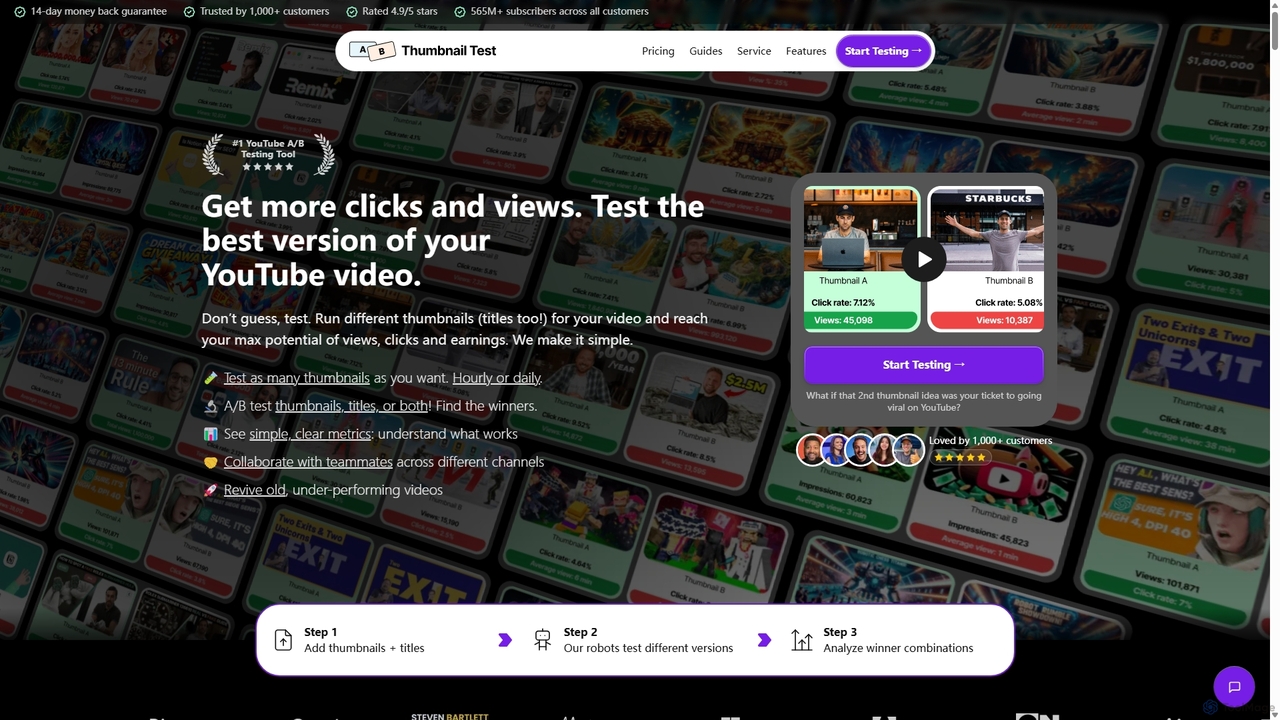
Thumbnail Test is a powerful A/B testing tool for YouTube creators designed to optimize video thumbnails and titles. …
Thumbnail Test is a powerful A/B testing tool for YouTube creators designed to optimize video thumbnails and titles. It helps you move beyond guesswork by providing data-driven insights to identify the best-performing combinations, ultimately increasing click-through rates (CTR), views, and earnings.
Prompt Picker
Prompt Picker is an AI-powered tool for developers and users to optimize generative AI prompts. It enables A/B …
Prompt Picker is an AI-powered tool for developers and users to optimize generative AI prompts. It enables A/B testing of multiple system prompts or custom instructions in parallel. Through a double-blind experimental setup and an ELO rating system, it scientifically ranks prompts to find the most effective and cost-efficient options, enhancing user experience and reducing operational costs.
Not Diamond
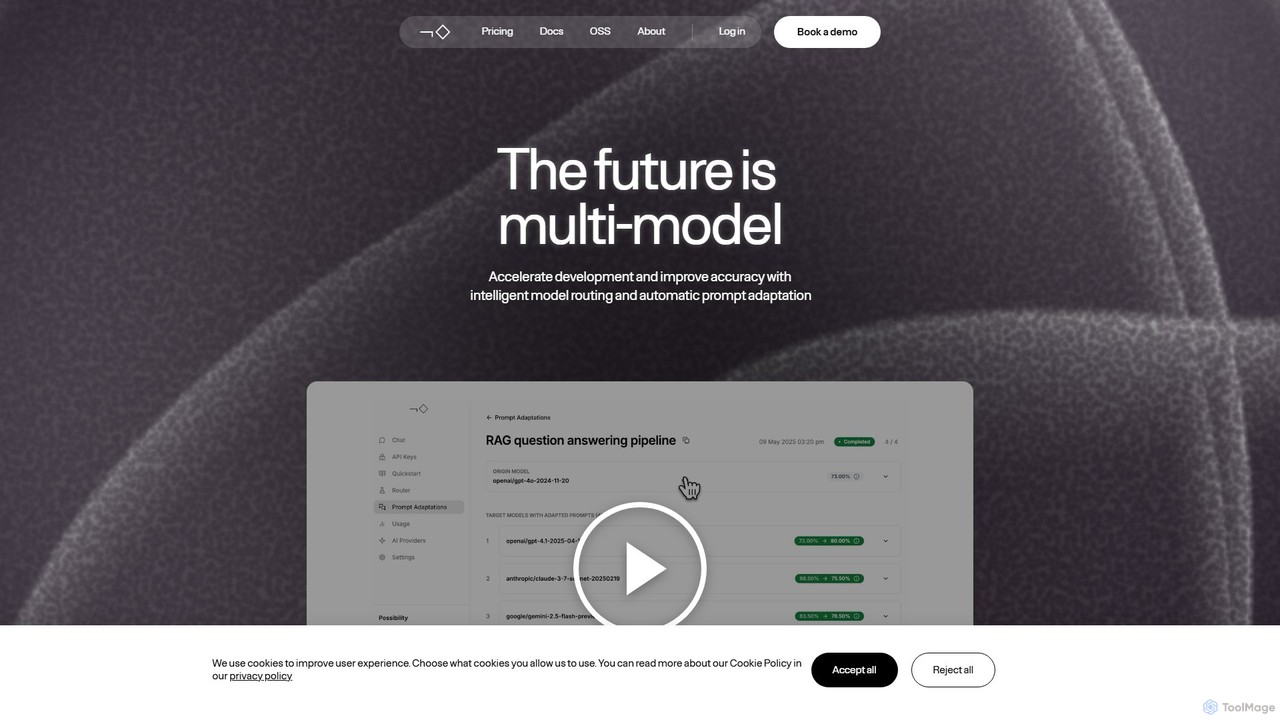
Not Diamond is an intelligent multi-model infrastructure for developers. It uses predictive model routing and automatic prompt adaptation …
Not Diamond is an intelligent multi-model infrastructure for developers. It uses predictive model routing and automatic prompt adaptation to help teams accelerate development, improve AI accuracy, and optimize costs by dynamically selecting the best large language model (LLM) for any given task.
twitter_algorithm
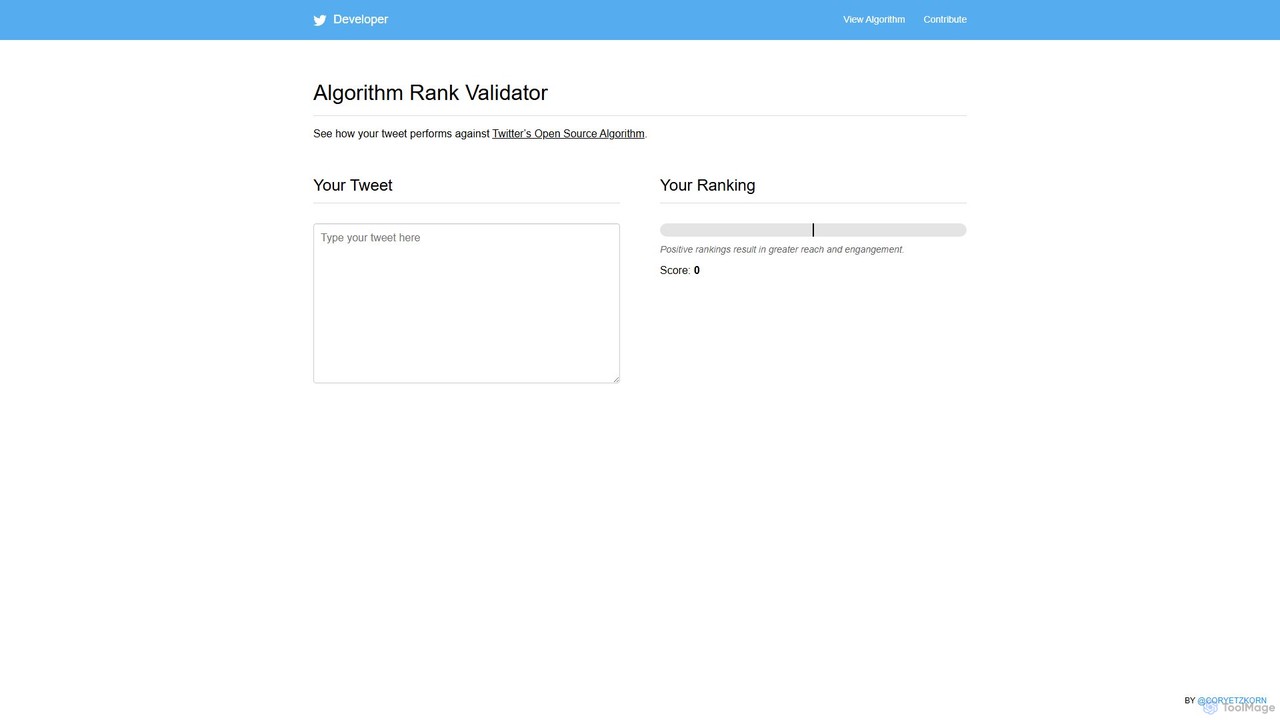
An AI-powered validator that scores your tweets against Twitter's (X) open-source algorithm. Get instant feedback to understand how …
An AI-powered validator that scores your tweets against Twitter's (X) open-source algorithm. Get instant feedback to understand how your tweet will perform, helping you optimize for greater reach and engagement before you post.
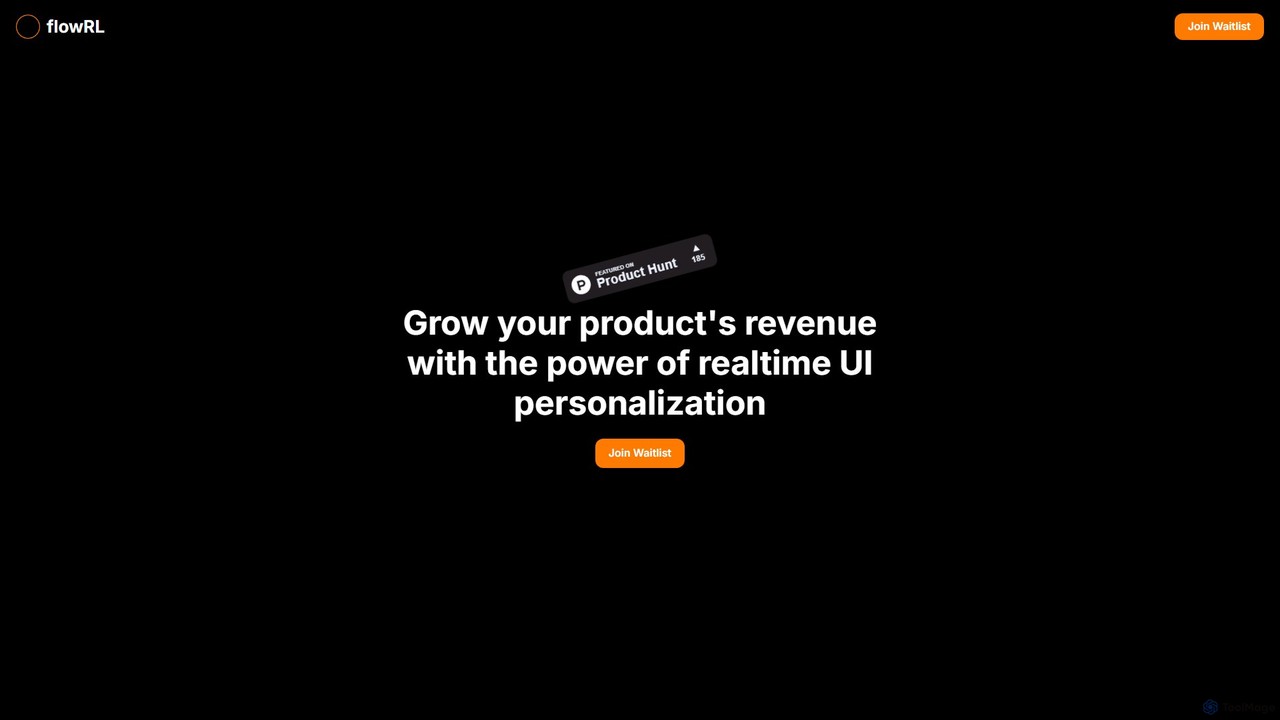
flowRL
flowRL is an AI-powered platform that delivers real-time UI personalization to boost product revenue and user engagement. Using …
flowRL is an AI-powered platform that delivers real-time UI personalization to boost product revenue and user engagement. Using advanced Reinforcement Learning, it automatically adapts the user interface for each individual, moving beyond traditional A/B testing to achieve up to 2-3x uplift in key metrics like conversion, retention, and LTV.
About Optimization
AI Optimization tools are a specialized category of AI-powered software designed to enhance the efficiency, performance, and resource allocation across various business processes and tasks. Leveraging advanced machine learning algorithms, data analytics, and predictive modeling, these tools identify inefficiencies, suggest improvements, and automate adjustments to achieve superior outcomes. They are crucial for businesses and individuals aiming to maximize output, minimize costs, and make data-driven decisions within the broader scope of productivity.
Core Features
- Predictive Analytics: Forecasts future trends and outcomes based on historical data to inform proactive optimization strategies.
- Resource Allocation: Intelligently distributes assets, personnel, or budget to maximize utilization and achieve specific goals.
- Process Automation & Refinement: Identifies bottlenecks in workflows and automates repetitive tasks while suggesting improvements for overall process flow.
- Performance Monitoring & Adjustment: Continuously tracks key metrics and automatically adjusts parameters to maintain optimal performance.
- A/B Testing & Experimentation: Automates the design, execution, and analysis of experiments to find the most effective strategies.
Applicable Scenarios
These tools are invaluable in diverse settings. Marketing teams use them to optimize ad spend and campaign performance by predicting audience responses. Supply chain managers deploy them to streamline logistics, reduce inventory costs, and improve delivery times. Operations departments leverage AI optimization for workforce scheduling, energy management, and equipment maintenance to ensure peak operational efficiency.
How to Choose
Selecting the right AI Optimization tool involves evaluating several factors. Consider its data integration capabilities with your existing systems, the specific optimization algorithms it employs (e.g., linear programming, genetic algorithms), and its scalability to handle growing data volumes. Ease of use, customization options for your unique business logic, and the level of technical support are also critical for successful implementation and adoption.

OptimizationUse Cases
Optimizing Digital Marketing Campaigns
Marketing managers often struggle with allocating budget effectively across various digital channels to maximize ROI. AI Optimization tools analyze past campaign data, audience behavior, and real-time market trends to predict the most effective ad placements, bidding strategies, and content variations. This enables marketers to automatically adjust campaigns, ensuring optimal spend and significantly higher conversion rates, saving hours of manual analysis and A/B testing.
Streamlining Supply Chain Logistics
Logistics and supply chain professionals face complex challenges in managing inventory, routing deliveries, and forecasting demand. AI Optimization tools process vast amounts of data on historical sales, weather patterns, traffic conditions, and supplier performance. They then recommend optimal inventory levels, efficient delivery routes, and production schedules, leading to reduced operational costs, minimized waste, and improved on-time delivery rates.
Enhancing Website Conversion Rates
E-commerce businesses and online service providers constantly seek to convert more visitors into customers. AI Optimization tools analyze user behavior on websites, including click-through rates, scroll depth, and interaction patterns. They can then dynamically personalize content, optimize call-to-action placements, and suggest A/B tests for landing page elements, leading to a measurable increase in conversion rates and revenue.
Automating Workforce Scheduling and Resource Allocation
Operations managers in service industries or manufacturing often spend considerable time creating complex staff schedules or allocating machinery. AI Optimization tools take into account employee skills, availability, demand forecasts, and regulatory requirements to generate optimal schedules. This ensures adequate staffing levels, minimizes overtime costs, and maximizes resource utilization, freeing up managers for more strategic tasks.
Refining Content for SEO Performance
Content creators and SEO specialists aim to produce content that ranks high in search engine results. AI Optimization tools analyze existing content, competitor strategies, and search query data to identify gaps and opportunities. They suggest improvements for keywords, readability, structure, and topic coverage, helping to refine content for better search engine visibility and organic traffic without extensive manual research.
Optimizing Software Code and System Performance
Software developers and IT operations teams are always looking to improve application speed, efficiency, and resource consumption. AI Optimization tools can analyze code for inefficiencies, identify performance bottlenecks in systems, and suggest refactorings or configuration changes. This leads to faster application response times, reduced infrastructure costs, and a more stable user experience by proactively addressing performance issues.