Cramly.ai
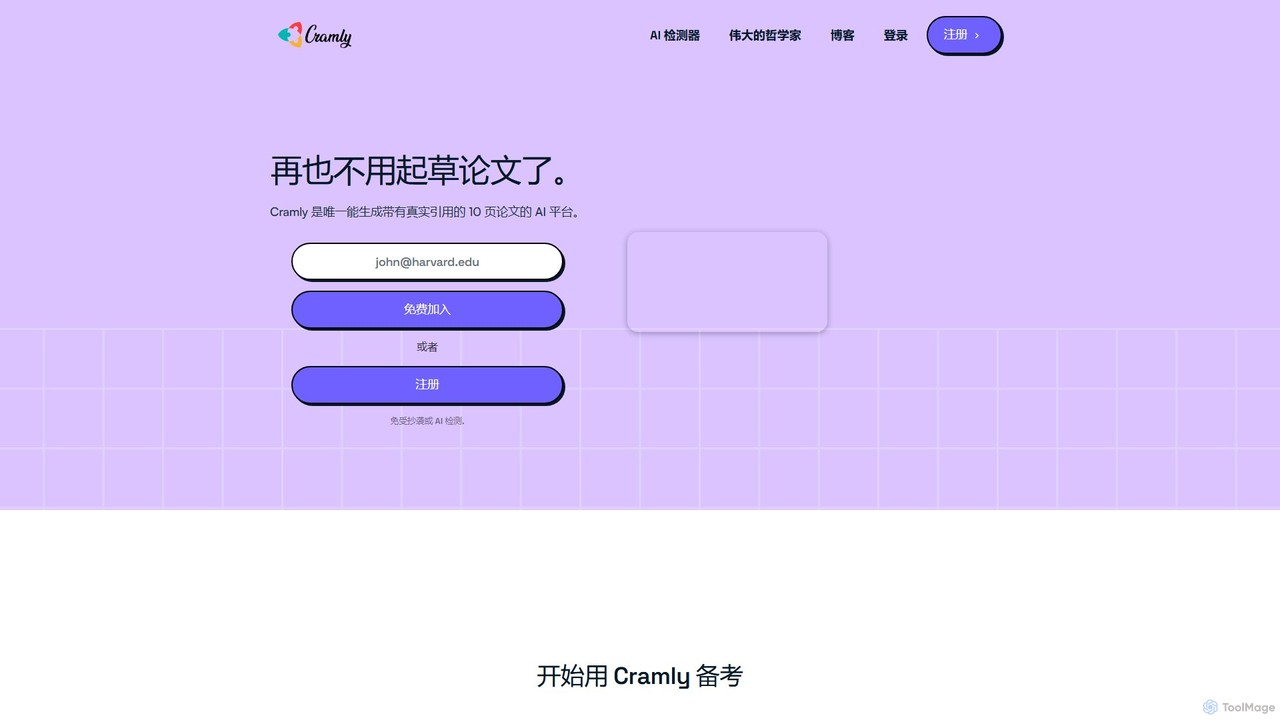
Cramly.ai is a comprehensive AI-powered academic assistant designed for students. It offers a suite of tools including an …
Cramly.ai is a comprehensive AI-powered academic assistant designed for students. It offers a suite of tools including an essay writer, a paraphraser, an AI content detector, and a unique philosopher Q&A feature to help streamline homework, improve writing, and ensure academic integrity.
Detect.ai
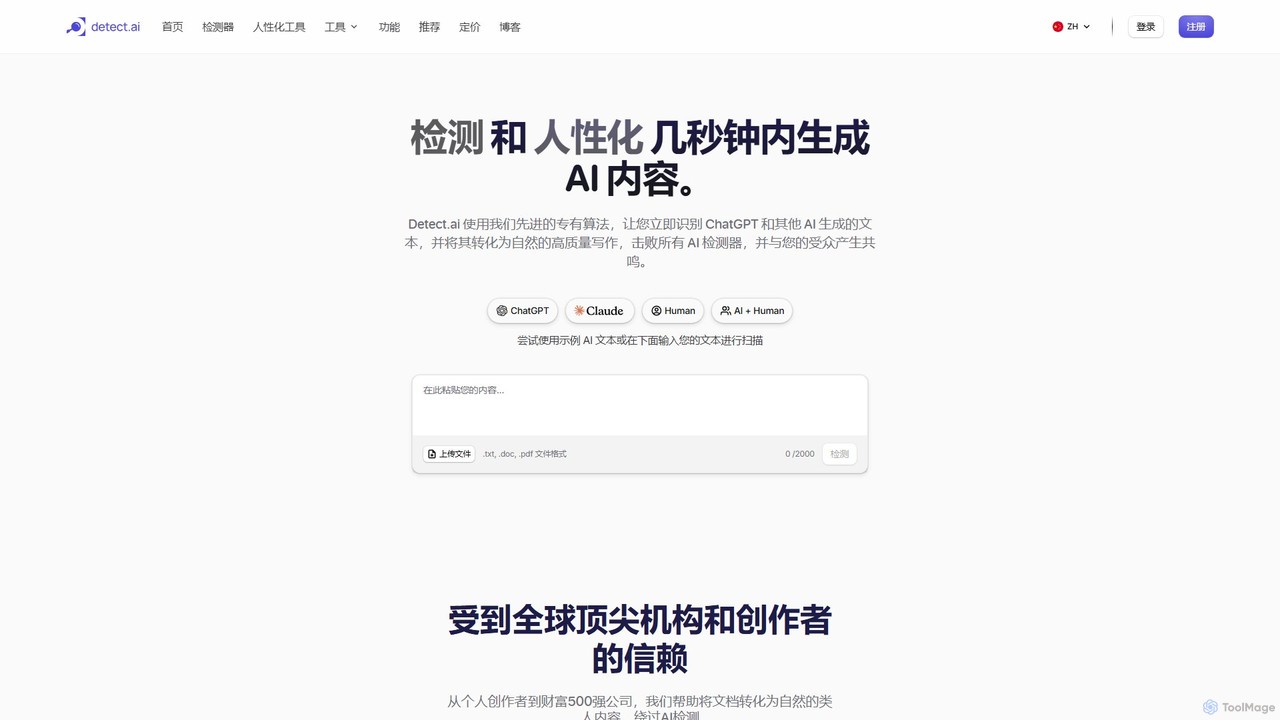
Detect.ai is a powerful suite featuring an advanced AI detector and content humanizer. It identifies AI-generated text from …
Detect.ai is a powerful suite featuring an advanced AI detector and content humanizer. It identifies AI-generated text from models like ChatGPT with high accuracy and rewrites it to sound natural and authentic, ensuring it bypasses all AI detection systems while preserving the original meaning and tone.
About Paraphrasing
AI Paraphrasing tools are applications that use natural language processing to rewrite text while preserving its original meaning. These tools leverage advanced algorithms to understand context, syntax, and semantics, enabling them to replace words, restructure sentences, and adjust tone. This process helps users avoid plagiarism, improve clarity, and adapt content for different audiences or platforms. Unlike simple synonym finders, modern paraphrasing tools can handle complex sentences and offer multiple stylistic variations, from formal to casual.
Core Features
- Sentence Restructuring: Reorganizes sentence structure and syntax to create unique variations without altering the core message.
- Tone Adjustment: Modifies the writing style to be more formal, casual, professional, or creative to suit different contexts.
- Synonym & Phrase Replacement: Intelligently substitutes words and phrases with contextually appropriate alternatives.
- Clarity Enhancement: Simplifies complex sentences and jargon to make the text more readable and understandable.
- Plagiarism Prevention: Generates original text from existing content to help users avoid accidental plagiarism in academic and professional writing.
Use Cases
Paraphrasing tools are widely used by students, content creators, marketers, researchers, and business professionals. For example, a student might use it to rephrase source material for an essay, while a marketer could adapt a single blog post into multiple social media updates. They are also valuable for simplifying technical documents for a general audience.
How to Choose
When selecting a paraphrasing tool, consider the quality and accuracy of the output to ensure the original meaning is preserved. Evaluate the range of customization options, such as different rewriting modes and tone controls. Check for integrations with your existing workflow, like browser extensions or Google Docs add-ons. Finally, assess the usage limits and pricing to find a plan that matches your needs.

ParaphrasingUse Cases
Academic Writing and Plagiarism Avoidance
For students and researchers, maintaining academic integrity is crucial. When writing essays or research papers, they often need to incorporate information from various sources without committing plagiarism. A paraphrasing tool allows them to input a sentence or paragraph from a source, and it generates multiple alternative versions. By selecting an 'Academic' or 'Formal' tone, the tool rephrases the content using appropriate vocabulary and sentence structures, ensuring the original idea is credited but expressed uniquely. This significantly reduces the risk of accidental plagiarism and helps refine their own writing style.
Repurposing Marketing Content for Different Channels
A content marketer creates a detailed blog post but needs to promote it across various platforms like Twitter, LinkedIn, and an email newsletter. Each channel requires a different tone and length. Instead of rewriting manually, they use a paraphrasing tool. They can shorten key paragraphs for Twitter, adopt a professional tone for LinkedIn, and create a conversational, engaging summary for the newsletter. This allows them to efficiently generate multiple pieces of high-quality, platform-specific content from a single source, maximizing reach and engagement with significantly less effort.
Enhancing Clarity in Business Communication
A project manager needs to send a critical update to stakeholders, including both technical and non-technical team members. The initial draft is filled with jargon and complex sentences. To ensure everyone understands the message clearly, the manager uses a paraphrasing tool with a 'Simplify' or 'Clarity' mode. The tool rephrases the technical terms into simpler language and breaks down long sentences into more digestible ones. The result is a clear, concise, and universally understandable message that reduces ambiguity and prevents miscommunication, ensuring the project stays on track.
Overcoming Writer's Block and Finding New Phrasings
A copywriter is working on a new ad campaign but feels stuck, repeatedly using the same phrases. To break the creative block, they input their draft sentences into a paraphrasing tool and explore the different variations it suggests. The tool offers alternative vocabulary, sentence structures, and stylistic approaches. This process not only helps them find the perfect wording for the ad but also sparks new creative ideas for the entire campaign. It acts as a brainstorming partner, providing fresh perspectives and helping the writer move past the block to produce compelling copy.
Refining Translations to Sound More Natural
An international company uses machine translation to localize its website content. While grammatically correct, the initial translation often sounds stiff or unnatural to native speakers. A localization specialist then uses a paraphrasing tool on the translated text. The tool helps adjust idioms, phrasing, and sentence flow to better match the nuances of the target language. This 'polishing' step transforms a literal translation into fluent, natural-sounding prose that resonates more effectively with the local audience, improving user experience and brand perception.
Improving SEO by Creating Content Variations
An SEO specialist needs to create multiple unique descriptions for similar products on an e-commerce site to avoid duplicate content penalties. Manually writing hundreds of descriptions is time-consuming. By using a paraphrasing tool, they can input a base product description and instantly generate several distinct versions. The tool alters sentence structures and swaps keywords with relevant synonyms, creating unique content that search engines favor. This practice helps improve the SEO ranking for each product page while saving a massive amount of time and resources.