ToolMage
Sign in

Best 3 Personal Analytics AI tools for Productivity

Popular Personal Analytics AI tools in Productivity include WHOOP, Gyroscope, and GitFit, helping you work more efficiently.

GitFit

GitFit

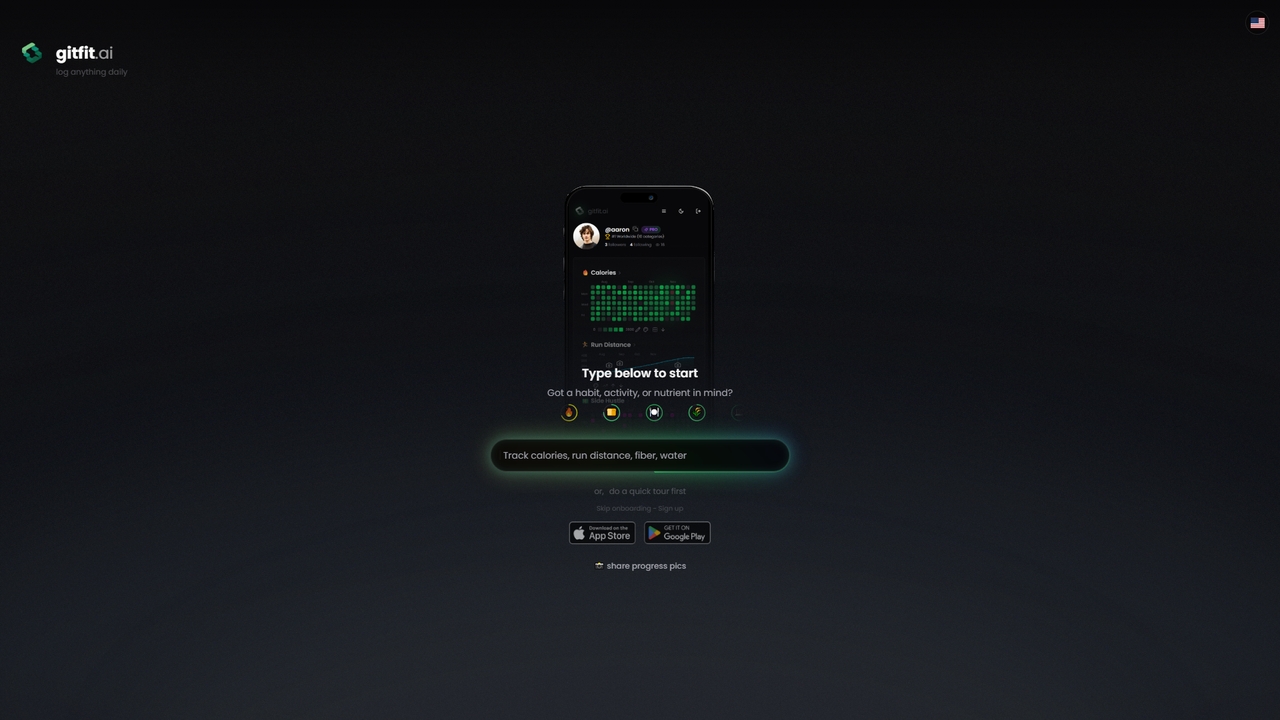
GitFit is an AI-powered fitness and habit-tracking application that combines calorie counting, activity logging, and progress visualization. It allows you to track any custom metric using AI scanning, featuring a clean interface inspired by GitHub commit charts. Your data is fully encrypted and exportable, ensuring privacy and flexibility.

3D
Visits 4.2KFavorites 17Likes 16
Gyroscope
Freemium

Gyroscope

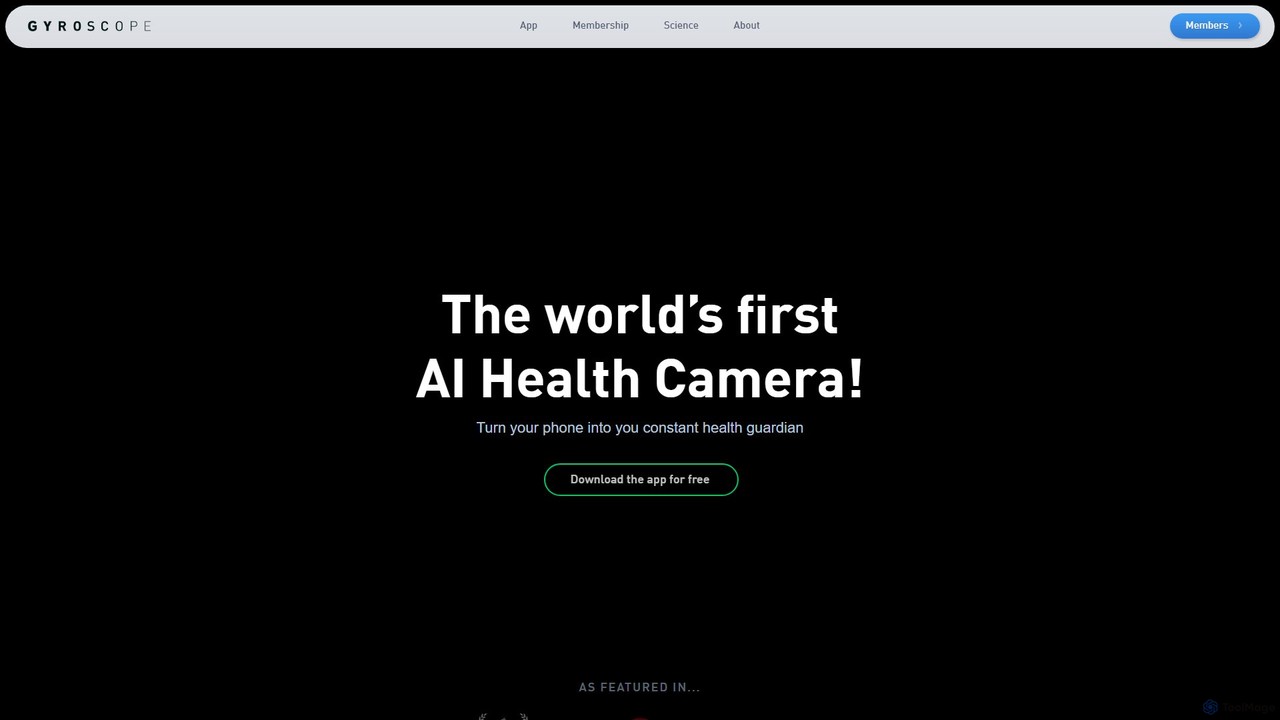
Gyroscope is an AI-powered health coach that acts as a new operating system for your body. Using its pioneering 'AI Health Camera' and 'Food XRAY' feature, you can simply photograph your meals for instant, detailed nutritional analysis. It integrates with wearables and health data to provide personalized coaching on nutrition, fitness, sleep, and stress, helping you achieve goals like fat loss, muscle gain, and improved longevity.

Nutrition Tracker
Visits 18.2KFavorites 93Likes 93
WHOOP
Paid

WHOOP

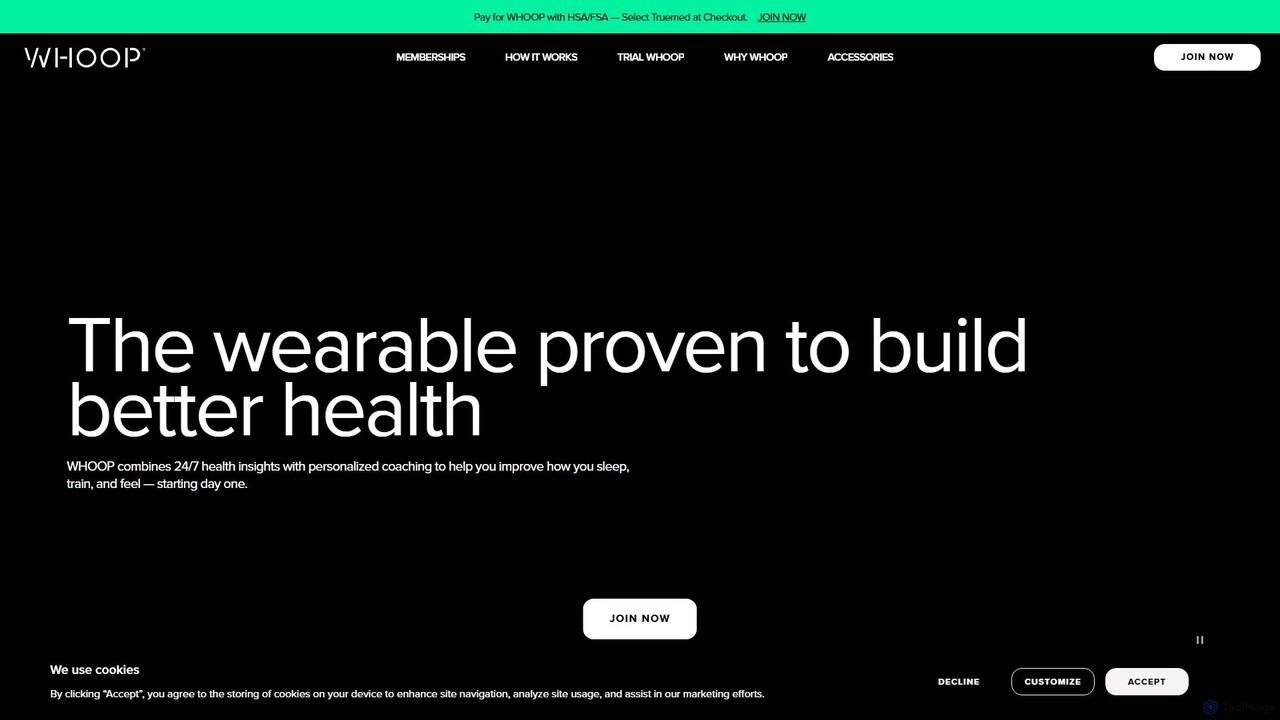
WHOOP is a 24/7 wearable health and fitness coach that provides personalized insights into your sleep, strain, stress, and recovery. It combines a screen-free device with a powerful app to help you optimize performance, improve health, and extend your healthspan with actionable data and AI-powered coaching.

3D
Visits 6.2MFavorites 108Likes 138

About Personal Analytics

Personal Analytics tools are AI-driven platforms that collect and analyze your digital footprint to provide deep insights into your productivity, habits, and well-being. By integrating with calendars, communication apps, and project management software, these tools automatically track how you spend your time and attention. The primary value lies in transforming raw activity data into actionable recommendations, helping you identify inefficiencies, optimize your schedule, and achieve a better work-life balance. They offer a quantitative look at your personal and professional life to foster data-informed self-improvement.

Core Features

  • Data Aggregation: Automatically syncs data from various sources like calendars, email, messaging apps, and fitness trackers.
  • Pattern Recognition: Uses AI to identify recurring behaviors, productivity peaks, and potential burnout indicators.
  • Actionable Insights: Provides personalized reports and suggestions for improving focus, managing meetings, and protecting personal time.
  • Privacy-First Design: Emphasizes user control over data, often processing information locally or with strong anonymization techniques.

Use Cases

These tools are particularly valuable for knowledge workers, freelancers, managers, and anyone looking to optimize their performance and well-being. They help professionals identify time-wasting activities, enable teams to understand collaboration patterns without micromanagement, and support individuals in building healthier digital habits.

How to Choose

When selecting a Personal Analytics tool, prioritize its integration capabilities with your existing software stack. Evaluate its privacy policy and data security measures carefully. Consider the depth and actionability of the insights provided—does it offer simple time tracking or sophisticated behavioral analysis? Finally, assess the user interface and ease of use to ensure it fits seamlessly into your routine.

Featured tool rankings

Personal Analytics use cases

1

Optimize a Knowledge Worker's Focus Time

A software developer connects their calendar, code editor, and communication tools to a personal analytics platform. The AI analyzes their daily patterns and identifies that meetings scheduled in the late morning consistently break up their most productive coding blocks. Based on this insight, the tool suggests blocking out a recurring 'deep work' session from 9 AM to 12 PM and provides data to help the developer confidently decline or reschedule conflicting meeting requests, ultimately increasing their output of high-quality code.

2

Improve Work-Life Balance for Remote Workers

A remote manager notices they feel constantly overworked. They use a personal analytics tool to track their activity across work and personal applications. The tool generates a report showing they average over 1.5 hours of work-related communication after 7 PM each day. With this clear data, they set a goal within the tool to reduce after-hours work. The tool helps by sending gentle reminders and tracking progress, enabling the manager to establish healthier boundaries and reduce the risk of burnout.

3

Analyze Communication Patterns for Team Leads

A team lead wants to reduce meeting fatigue for their engineers. They use a personal analytics tool that aggregates calendar and Slack data. The analysis reveals that the team spends 30% of its week in recurring meetings, with significant communication overhead on Slack for topics already discussed. The lead uses this insight to consolidate two recurring meetings into one, introduce an asynchronous update system, and encourage more focused communication channels. This leads to more uninterrupted time for the team and higher overall productivity.

4

Boost a Freelancer's Billable Hours

A freelance designer struggles to accurately bill clients and feels their income doesn't reflect their effort. By using a personal analytics tool integrated with their project management software, they automatically track time spent on specific client tasks versus non-billable administrative work like invoicing and emails. The data reveals they spend nearly 25% of their time on admin. This insight empowers them to adjust their rates to account for this overhead and to adopt batching techniques for admin tasks, increasing their effective billable hours.

5

Enhance Well-being by Correlating Data

An individual connects their fitness tracker, digital journal, and calendar to a personal analytics app. The AI identifies a strong correlation between days with less than 6 hours of sleep and days where they log a low mood in their journal. It also highlights that on days with a 30-minute morning walk, their focus time, as measured by app usage, increases by an average of 20%. These data-driven connections provide tangible evidence of how lifestyle choices impact their mental and productive state, motivating them to prioritize sleep and exercise.

6

Track Study Habits for Academic Success

A university student uses a personal analytics tool to monitor time spent on different subjects and digital platforms. The tool reveals a pattern of procrastination, where most study time for difficult subjects is pushed to late-night hours, resulting in lower retention. It also shows that significant time is spent on social media during designated study blocks. The student uses these insights to implement the Pomodoro Technique for difficult subjects earlier in the day and uses a site blocker during study sessions, leading to more effective learning and better grades.

Personal Analytics FAQ

What are AI Personal Analytics tools?

AI Personal Analytics tools are applications that automatically collect data about your digital activities to provide insights into your personal productivity and well-being. Unlike manual tracking, they use AI to connect to your various apps (calendar, email, etc.), identify patterns in your behavior, and offer data-driven recommendations. The goal is to help you understand how you spend your time and energy so you can make informed decisions to improve your focus, work-life balance, and overall effectiveness.

How to choose the right Personal Analytics tool?

Choosing the right tool depends on your specific goals. Consider these factors:

  • Integrations: Ensure the tool connects seamlessly with the apps you use most, such as Google Workspace, Microsoft 365, Slack, or Jira.
  • Privacy Policy: Carefully review how your data is collected, stored, and used. Look for tools that prioritize user privacy, offer data anonymization, or process data locally.
  • Depth of Insight: Decide if you need simple time tracking or advanced behavioral analysis. Some tools offer high-level summaries, while others provide granular, actionable recommendations.
  • User Experience: The tool should be intuitive and easy to use, so it becomes a helpful part of your routine rather than another task to manage.
What's the difference between Personal Analytics and a time tracker?

The key difference is analysis versus logging. A standard time tracker simply logs how much time you spend on tasks, often requiring manual input. A Personal Analytics tool goes much further. It automatically collects data from multiple sources and uses AI to analyze that data, identify patterns, and provide actionable insights. For example, a time tracker might tell you that you worked 8 hours, while a personal analytics tool might show that 4 of those hours were fragmented by constant context switching, and then suggest ways to create longer focus blocks.

Is my data safe with Personal Analytics tools?

Data privacy is a primary concern for this category of tools. Reputable providers address this in several ways. Many tools perform analysis directly on your local machine, so your raw data never leaves your device. Others use strong end-to-end encryption and data anonymization, meaning the company cannot access your personal information. It is crucial to read the privacy policy of any tool you consider. Look for transparency about what data is collected, how it is stored, and who has access to it. Choose tools that give you clear control over your data.

Who can benefit from using Personal Analytics tools?

A wide range of individuals can benefit from these tools. Key groups include:

  • Knowledge Workers & Developers: To optimize focus time, manage meeting load, and identify productivity patterns.
  • Freelancers & Entrepreneurs: For accurate time tracking, improving work-life balance, and understanding business overhead.
  • Managers & Team Leads: To understand team collaboration patterns and meeting culture without micromanaging individuals.
  • Students: To track study habits, manage time across different subjects, and avoid procrastination.
  • Anyone focused on self-improvement: To gain a data-driven understanding of their habits, health, and overall well-being.