
Productivity Best in category 1 results Point Of Sale AI Tool

Popular AI tools in the Point Of Sale field of Productivity include chatQR.ai, etc., helping you quickly improve efficiency.

chatQR.ai

chatQR.ai

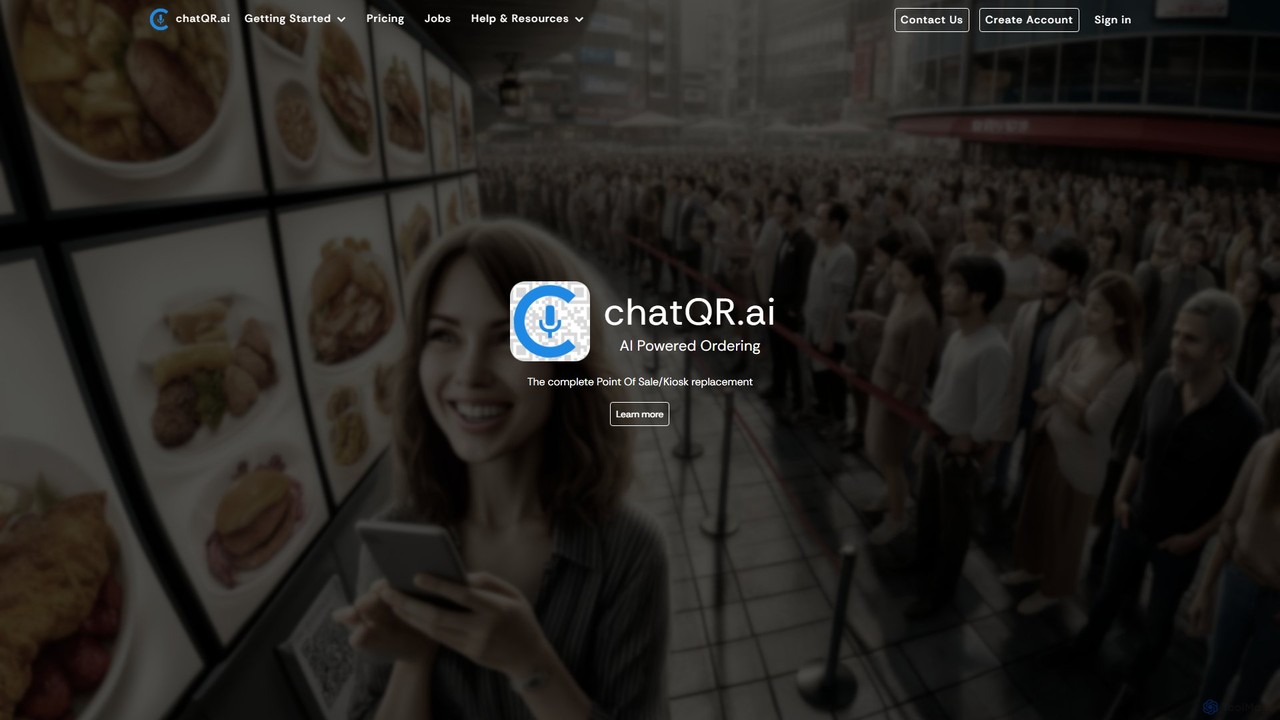
chatQR.ai is an AI-powered ordering system that replaces traditional POS and kiosks. It uses voice recognition and LLMs …

3.7K

About Point Of Sale

Point Of Sale (POS) AI tools are intelligent systems designed to streamline and enhance retail and service transactions. Leveraging artificial intelligence, these solutions automate sales processes, manage inventory, and provide data-driven insights, significantly improving operational efficiency and customer experience. They integrate seamlessly into various business environments, from small boutiques to large enterprises, transforming how businesses handle sales and customer interactions within the broader context of productivity tools.

Core Features

  • AI-Powered Inventory Management: Automatically tracks stock levels, predicts demand, and generates reorder alerts to minimize overstocking and stockouts.
  • Predictive Sales Analytics: Analyzes historical data to forecast sales trends, identify best-selling products, and optimize pricing strategies.
  • Personalized Customer Recommendations: Uses purchase history and browsing behavior to offer tailored product suggestions, enhancing cross-selling and customer satisfaction.
  • Automated Checkout & Payment: Facilitates faster transactions through self-service options, contactless payments, and integrated loyalty programs.
  • Fraud Detection & Security: Monitors transaction patterns for anomalies, flagging suspicious activities to prevent financial losses and enhance security.

Applicable Scenarios

AI Point Of Sale tools are invaluable for businesses seeking to modernize their transaction processes and gain competitive advantages. Small retail businesses can automate inventory and personalize customer interactions, while restaurants and cafes can streamline order processing and payment. Large enterprises benefit from advanced analytics and fraud prevention across multiple locations.

How to Choose

When selecting an AI POS tool, prioritize solutions that offer robust integration with existing CRM/ERP systems, ensuring data consistency. Evaluate its scalability to accommodate future business growth and transaction volume. Consider the depth of its AI features, such as predictive analytics and personalization, and assess the user-friendliness of its interface for staff training. Finally, review the vendor's support and security protocols.

Point Of SaleUse Cases

1

Optimizing Inventory Management in Retail

A boutique owner uses an AI POS system to automatically track stock levels in real-time, predict demand for seasonal items based on historical sales data, and generate reorder alerts. This proactive approach minimizes instances of overstocking and stockouts, ensuring popular items are always available while reducing carrying costs and improving cash flow for the business.

2

Enhancing Customer Checkout Experience

A cafe manager deploys an AI POS with self-service kiosks and integrated mobile payment options. This allows customers to place and pay for orders quickly, reducing wait times during peak hours by up to 30%. The system also remembers past orders, offering personalized upsell suggestions like a favorite pastry or coffee blend, thereby improving customer satisfaction and average transaction value.

3

Personalized Product Recommendations

An electronics store utilizes an AI POS to analyze customer purchase history, browsing data, and even demographic information. When a customer checks out, the system provides sales associates with real-time, tailored product suggestions for accessories or complementary items. This leads to a 15-20% increase in cross-selling opportunities and significantly boosts customer satisfaction by offering relevant products.

4

Fraud Detection in High-Volume Transactions

A large department store implements an AI POS that continuously monitors transaction patterns for anomalies, such as unusually large purchases, frequent returns from the same card, or rapid successive transactions. The system flags suspicious activities in real-time, alerting staff to potential fraud and enabling immediate intervention, which can reduce financial losses by up to 25% annually and enhance overall security.

5

Streamlining Restaurant Order Processing

A restaurant uses an AI POS to manage table orders, send kitchen tickets digitally, and process payments efficiently. The system integrates with online ordering platforms, automatically updates menu availability, and handles split bills and loyalty program redemptions. This reduces order errors by 10% and speeds up table turnover by 15%, leading to higher customer satisfaction and increased revenue.

6

Data-Driven Sales Performance Analysis

A multi-store retailer employs an AI POS to aggregate sales data across all locations, providing managers with real-time dashboards and predictive analytics on best-selling products, peak hours, and staff performance. This enables data-driven decisions for merchandising, staffing, and promotional strategies, leading to a 20% improvement in overall sales efficiency and a better understanding of market trends.

Point Of SaleFrequently Asked Questions