ToolMage
Sign in

Best 3 Procurement AI tools for Productivity

Popular Procurement AI tools in Productivity include fratch, Vendra, and Meshworks, helping you work more efficiently.

Meshworks
Freemium

Meshworks

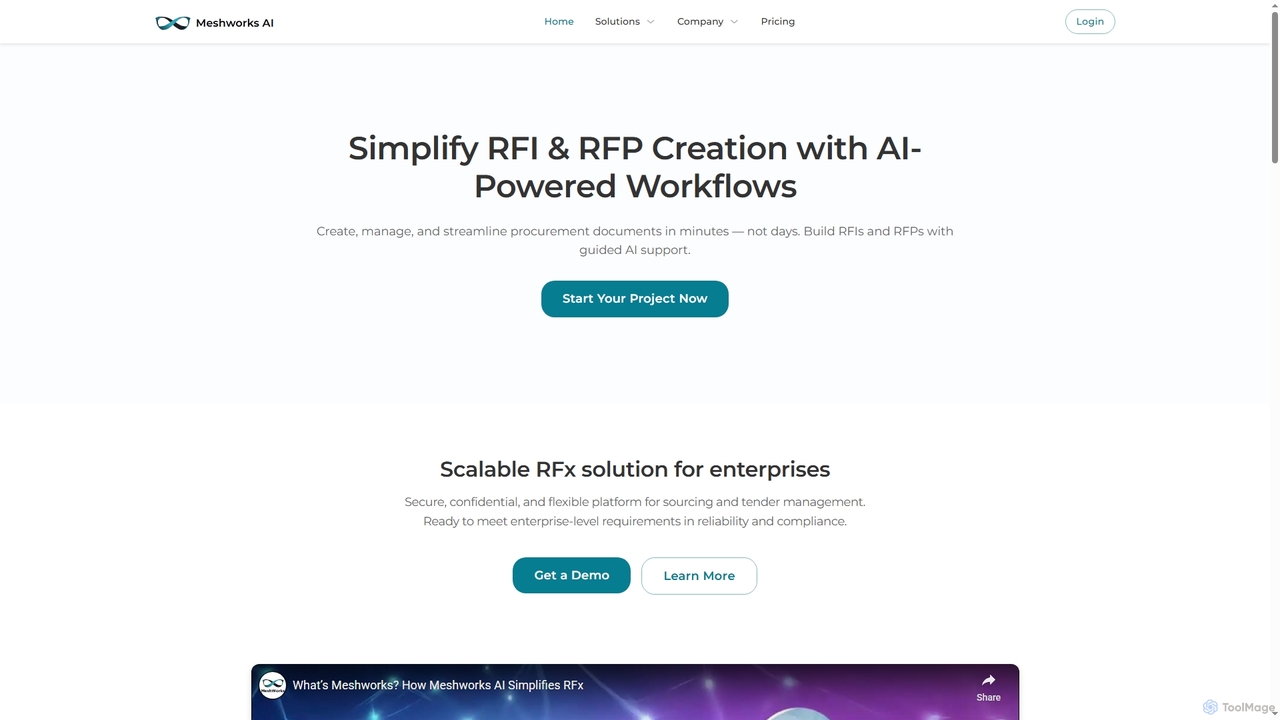
Meshworks is an AI-powered RFx orchestration platform designed to simplify and accelerate the procurement process. It enables businesses of all sizes to create, manage, and analyze RFI and RFP documents in minutes, leveraging AI for question generation, vendor discovery, and response analysis.

Document Generation
Visits 5.8KFavorites 90Likes 93
Vendra
Freemium

Vendra

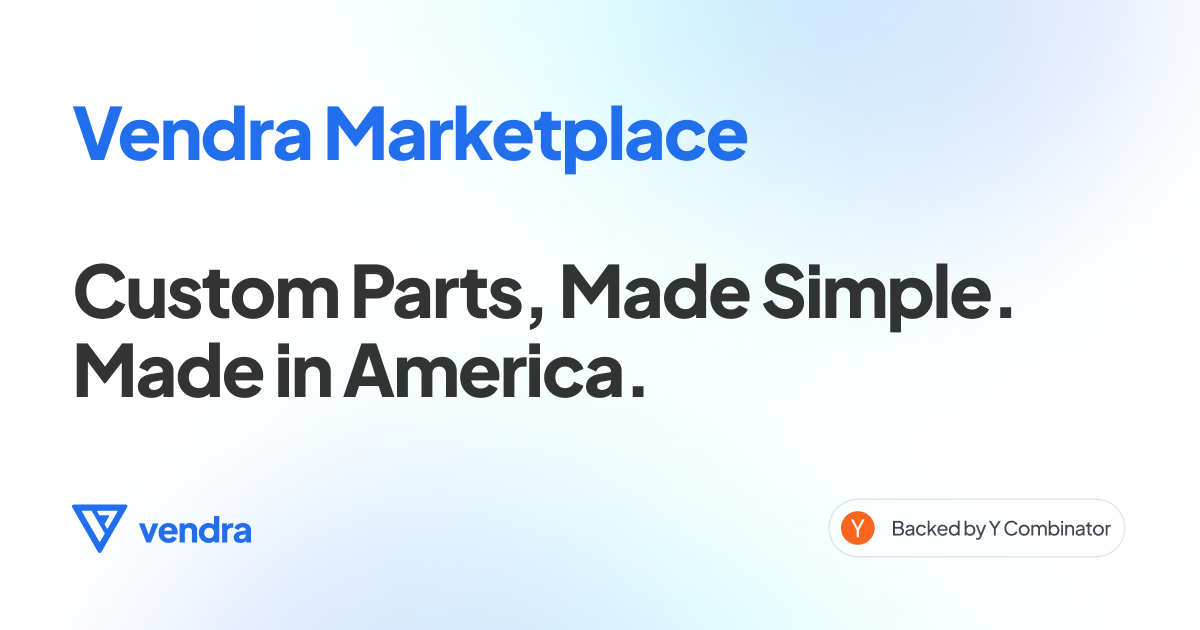
Vendra is an AI-powered marketplace that connects businesses with a network of verified American manufacturers for custom parts. It streamlines the entire procurement process, from automated RFQs and intelligent supplier matching to transparent production and end-to-end logistics.

Marketplace
Visits 9.8KFavorites 110Likes 122
fratch
Paid

fratch

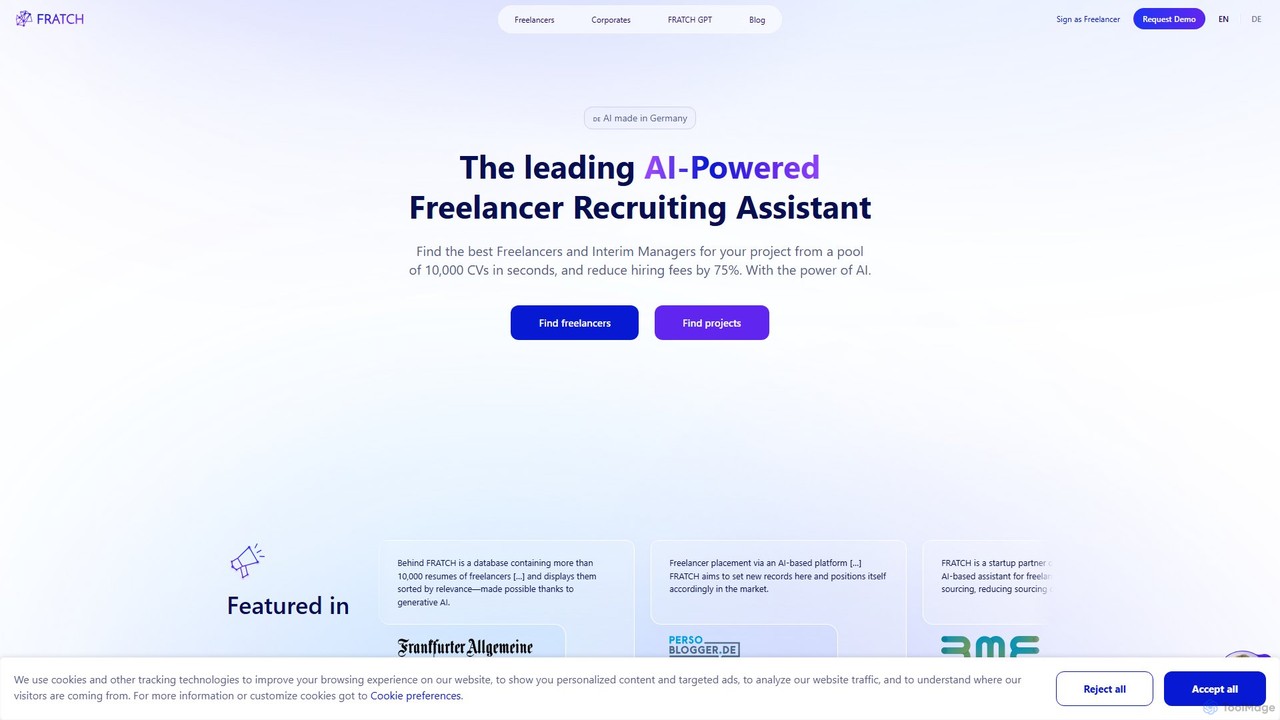
fratch is an AI-powered recruiting platform that connects companies with top-tier freelancers and interim managers. It uses intelligent matching and a guided procurement system to streamline the hiring process, reduce costs, and ensure compliance. The platform offers a fast, transparent, and efficient way to find specialized talent for various business needs.

Freelancer Marketplace
Visits 21.9KFavorites 97Likes 114

About Procurement

Procurement AI tools are specialized artificial intelligence applications designed to automate, optimize, and enhance various stages of the purchasing process. These tools leverage machine learning, natural language processing, and predictive analytics to transform traditional procurement into a more strategic and efficient function. They help organizations reduce costs, mitigate risks, improve supplier relationships, and ensure compliance, significantly boosting productivity within the procurement department.

Core Features

  • Automated Sourcing & Supplier Discovery: AI identifies, evaluates, and recommends potential suppliers based on predefined criteria and historical data.
  • Intelligent Spend Analysis: AI categorizes spending data, identifies patterns, and uncovers opportunities for cost savings and efficiency improvements.
  • Contract Management & Negotiation Support: Tools analyze contract terms, highlight key clauses, and provide data-driven insights to support negotiation strategies.
  • Risk Management & Compliance Monitoring: AI continuously monitors supplier performance, market fluctuations, and regulatory changes to proactively identify and mitigate supply chain risks.
  • Invoice Processing Automation: AI automates the matching of invoices with purchase orders and receipts, reducing manual errors and processing time.

Applicable Scenarios

Procurement AI tools are invaluable for large enterprises, manufacturing companies, retail chains, and public sector organizations with complex supply chains and significant spending. They are used by procurement managers, supply chain analysts, and finance professionals to streamline operations, gain deeper insights into spending, and make more informed purchasing decisions.

How to Choose

When selecting Procurement AI tools, consider their integration capabilities with existing ERP and financial systems, the breadth of features (e.g., sourcing, spend analysis, contract management), data security protocols, and scalability to meet future needs. Evaluate the vendor's expertise, implementation support, and the tool's ability to provide actionable insights tailored to your specific industry and procurement challenges.

Featured tool rankings

Procurement use cases

1

Optimizing Supplier Selection and Onboarding

A procurement manager uses AI tools to quickly identify and vet potential suppliers for a new product line. The AI analyzes vast datasets including financial health, past performance, compliance records, and sustainability ratings, providing a ranked list of suitable vendors. This streamlines the onboarding process, reducing the time from initial search to contract signing by up to 40% and ensuring selection of the most reliable and cost-effective partners.

2

Automating Invoice Processing and Reconciliation

A finance department leverages AI procurement tools to automate the matching of incoming invoices with corresponding purchase orders and goods receipts. The AI can identify discrepancies, flag potential fraud, and route exceptions for human review, significantly reducing manual data entry and processing errors. This leads to faster payment cycles, improved cash flow management, and a reduction in the time spent on reconciliation by 60%.

3

Predictive Spend Forecasting and Budget Management

A procurement analyst uses AI to forecast future spending patterns based on historical data, market trends, and economic indicators. The AI identifies potential budget overruns or savings opportunities, allowing the analyst to proactively adjust procurement strategies. This predictive capability enables more accurate budget allocation, reduces unexpected costs by 25%, and supports more strategic financial planning across the organization.

4

Enhancing Contract Compliance and Risk Mitigation

Legal and procurement teams utilize AI tools to monitor contract terms and conditions across their supplier base. The AI automatically flags deviations from agreed-upon terms, identifies potential compliance risks (e.g., expiring certifications, regulatory changes), and alerts relevant stakeholders. This proactive approach ensures adherence to contractual obligations, minimizes legal exposure, and reduces the risk of supply chain disruptions by 30%.

5

Streamlining RFQ/RFP Creation and Management

A buyer needs to issue a Request for Quotation (RFQ) for a complex component. Instead of manually drafting the document, they use an AI procurement tool that generates a comprehensive RFQ based on product specifications, historical purchasing data, and industry best practices. The AI also helps manage supplier responses, analyze bids, and identify the most competitive offers, reducing the RFQ cycle time by 50%.

6

Proactive Identification of Supply Chain Disruptions

A supply chain manager uses AI procurement tools to continuously monitor global events, weather patterns, geopolitical shifts, and supplier news feeds. The AI identifies potential disruptions (e.g., natural disasters, factory closures, trade disputes) that could impact their supply chain, providing early warnings and alternative sourcing recommendations. This enables proactive mitigation strategies, reducing the impact of unforeseen events on production schedules and delivery times by 20%.

Procurement FAQ

What are AI Procurement tools?

AI Procurement tools are software solutions that leverage artificial intelligence to automate, optimize, and enhance various aspects of the purchasing and supply chain process. They typically feature machine learning for data analysis, natural language processing for contract review, and predictive analytics for forecasting. Common use cases include automated supplier sourcing, intelligent spend analysis, and risk management, aiming to improve efficiency and reduce costs.

How do AI Procurement tools differ from traditional procurement software?

AI Procurement tools go beyond the automation offered by traditional software by incorporating advanced intelligence. While traditional systems manage transactions and enforce rules, AI tools can learn from data, identify patterns, make predictions, and even suggest strategic actions. They offer capabilities like predictive analytics for demand forecasting, intelligent contract analysis, and autonomous supplier discovery, providing deeper insights and more proactive decision-making compared to rule-based, reactive traditional systems.

What are the main benefits of using AI in Procurement?

Implementing AI in procurement offers several key benefits. Firstly, it significantly enhances efficiency by automating repetitive tasks like data entry and invoice processing, freeing up procurement professionals for strategic work. Secondly, it leads to substantial cost savings through intelligent spend analysis, identifying optimal pricing, and supporting better contract negotiations. Thirdly, AI improves risk management by proactively monitoring supplier performance and market conditions. Finally, it provides deeper insights and better decision-making through predictive analytics and comprehensive data analysis.

What should I consider when implementing AI Procurement solutions?

When implementing AI Procurement solutions, consider several key factors. First, assess your existing data quality and infrastructure, as AI relies heavily on clean, integrated data. Second, evaluate the solution's integration capabilities with your current ERP, financial, and supply chain management systems. Third, prioritize scalability and flexibility to adapt to evolving business needs. Fourth, consider the vendor's expertise, implementation support, and ongoing training. Finally, focus on user adoption by ensuring the tool is intuitive and provides clear value to your procurement team.

Can AI Procurement tools help with supplier relationship management?

Yes, AI Procurement tools can significantly enhance supplier relationship management. They do this by providing a comprehensive, data-driven view of supplier performance, including delivery times, quality, compliance, and responsiveness. AI can identify high-performing suppliers for strategic partnerships and flag underperforming ones for intervention. By automating routine communications and providing insights into supplier behavior, these tools enable procurement teams to focus on building stronger, more collaborative relationships, fostering trust and long-term value.