DiffusionArt.co
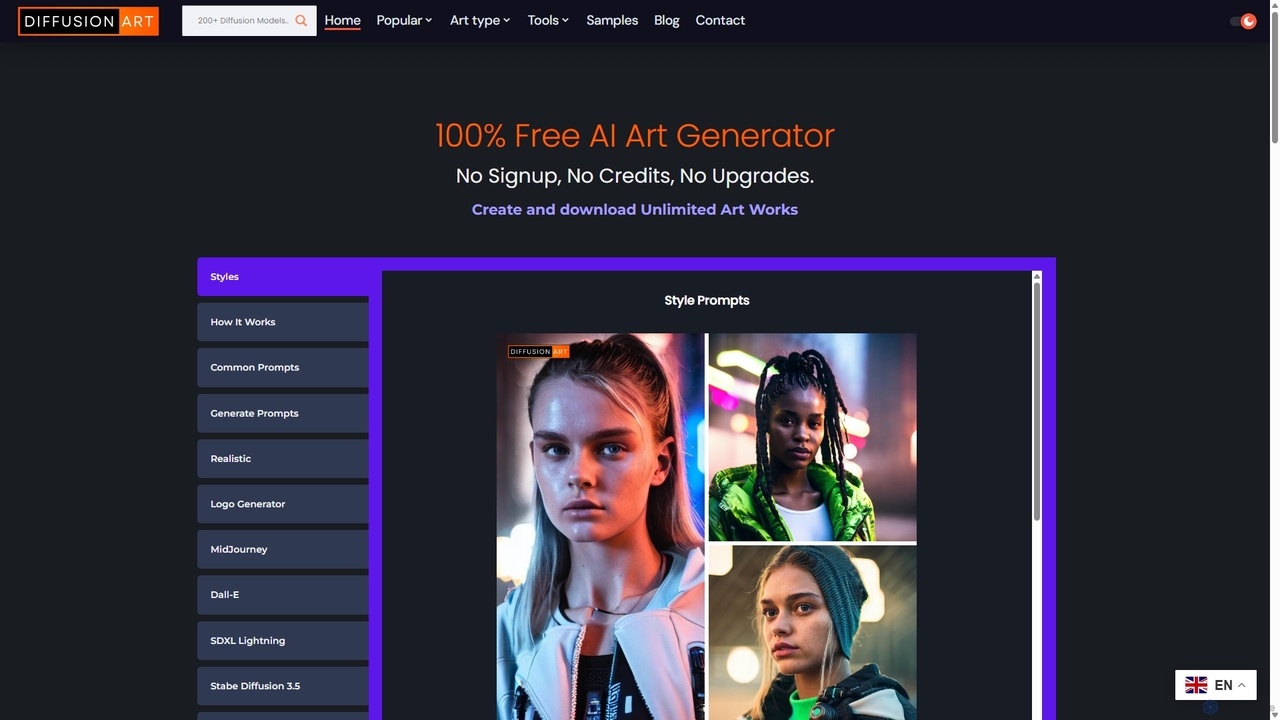
DiffusionArt.co is a 100% free AI art generator offering unlimited image creation without sign-ups or credits. It provides …
DiffusionArt.co is a 100% free AI art generator offering unlimited image creation without sign-ups or credits. It provides access to hundreds of hosted Stable Diffusion models for various styles like art, anime, and photorealism. Features include multi-model generation, prompt assistance, and integrated editing tools like upscaling and background removal, all accessible through a user-friendly web interface.
SDXL Turbo
SDXL Turbo is a real-time text-to-image AI generator that creates high-quality, detailed images from text prompts in a …
SDXL Turbo is a real-time text-to-image AI generator that creates high-quality, detailed images from text prompts in a single step. Powered by advanced Adversarial Diffusion Distillation (ADD) technology, it offers incredible speed and efficiency. The platform also includes a powerful prompt generator and supports the latest Stable Diffusion 3 model, making it ideal for artists, designers, and content creators.
genimg
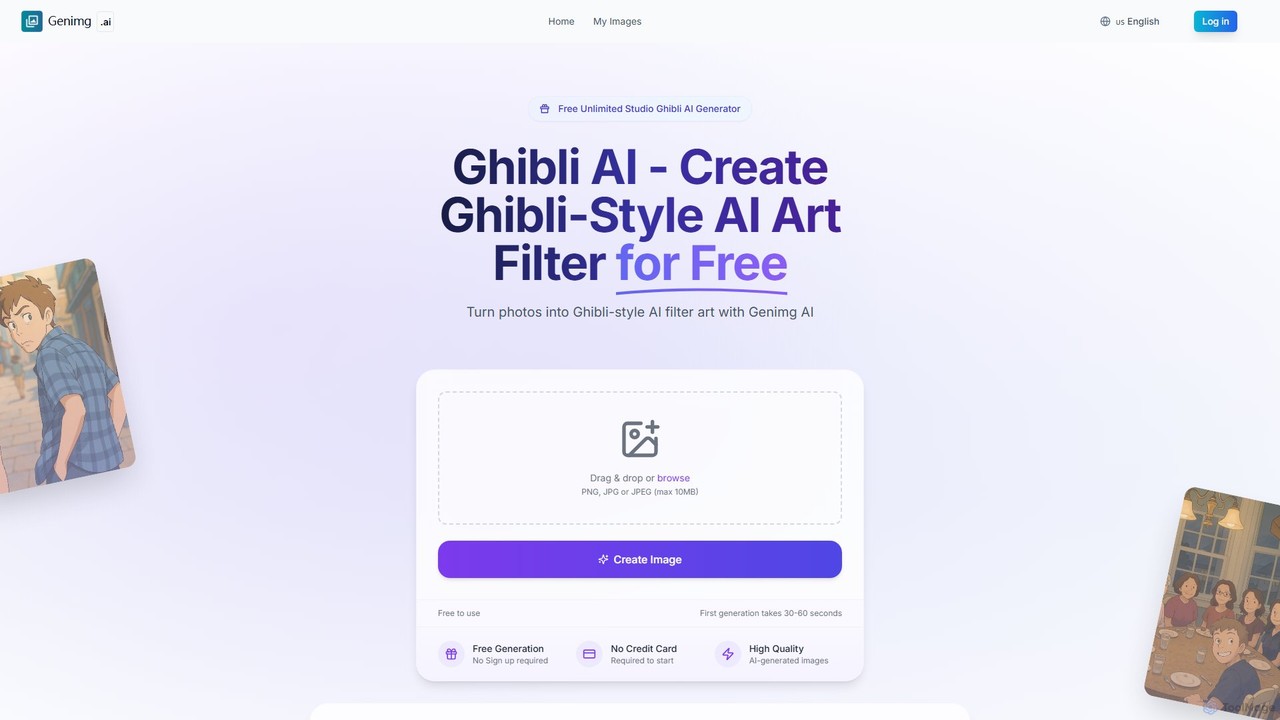
Genimg is a versatile and free AI image suite. It features a Ghibli-style art generator to transform photos, …
Genimg is a versatile and free AI image suite. It features a Ghibli-style art generator to transform photos, a powerful text-to-image generator (Image FX) powered by Google's Imagen 3, and an innovative image-to-prompt tool. Create unlimited, high-quality images without any registration or fees.
About Prompt Generation
Prompt Generation tools are AI-powered platforms designed to help users craft effective input queries for generative AI models. These tools leverage advanced algorithms to optimize prompts, ensuring higher quality and more relevant outputs across various AI applications like text, image, and code generation. They streamline the process of interacting with AI, making complex AI models more accessible and significantly boosting productivity for diverse creative and analytical tasks.
Core Features
- Prompt Templates: Provides pre-designed, customizable prompt structures for common tasks.
- Prompt Optimization: Analyzes and refines user prompts for clarity, specificity, and effectiveness.
- Multi-Modal Support: Generates prompts suitable for text, image, video, or code AI models.
- Prompt Management: Organizes, saves, and categorizes prompts for easy reuse and sharing.
- Keyword Integration: Helps embed relevant keywords and phrases to enhance AI output.
Applicable Scenarios
Content creators use these tools to generate diverse article ideas, social media captions, or marketing slogans. Developers leverage them to craft precise queries for AI code assistants, speeding up software development. Marketers utilize prompt generators to create compelling ad copy variations and campaign narratives.
How to Choose
Consider the range of AI models supported (e.g., text, image, code), the variety and customizability of prompt templates, and the sophistication of the optimization algorithms. Evaluate integration capabilities with existing workflows and the ease of prompt management features. User interface intuitiveness and pricing models are also crucial factors for selection.
Prompt GenerationUse Cases
Generate Diverse Marketing Copy Variations
Marketing specialists and copywriters use prompt generation tools to quickly produce multiple headlines, ad copy, or social media posts. By inputting core product features, target audience, and desired tone, they can generate diverse prompt variations that lead to a wide array of creative content options. This significantly reduces the time spent on manual brainstorming and preparing for A/B testing, allowing for more efficient campaign development and optimization.
Accelerate Design Concept Iteration for Artists
Digital artists, game designers, and illustrators leverage prompt generation tools to describe visual styles, themes, or specific objects for AI image generators. By refining and optimizing prompts, they can rapidly generate diverse concept art variations, character designs, or environmental elements. This accelerates the conceptualization phase of creative projects, allowing for quick exploration of multiple artistic directions and reducing the manual effort in early-stage design.
Refine Queries for AI Code Generation
Software developers and engineers use prompt generation tools to craft highly specific and effective queries for AI code assistants. By detailing programming languages, desired functionalities, error handling, and specific output formats, they can optimize prompts to generate more accurate, functional, and secure code snippets. This significantly reduces debugging time and accelerates the development lifecycle, allowing developers to focus on higher-level architectural challenges.
Craft Engaging Educational Content and Quizzes
Educators, trainers, and e-learning content creators employ prompt generation tools to create structured questions, lesson plans, or interactive exercises for AI chatbots and learning platforms. By specifying learning objectives, target audience knowledge levels, and desired response formats, they ensure the AI provides relevant, pedagogically sound, and engaging educational content. This enhances learning experiences and automates the creation of diverse teaching materials.
Optimize SEO Article Outlines and Content Briefs
Content strategists and SEO specialists utilize prompt generation tools to develop detailed outlines for articles, blog posts, and content briefs. By incorporating target keywords, desired subheadings, audience intent, and specific tone requirements, they can generate optimized prompts that guide AI writing tools to produce SEO-friendly content. This ensures that the generated content aligns with search engine best practices and user search intent, improving organic visibility and ranking potential.
Enhance Personalized Customer Service Responses
Customer support teams and service managers use prompt generation tools to create nuanced and empathetic prompts for AI assistants or chatbots. By providing context about customer issues, sentiment, and desired resolution, they can optimize prompts to generate highly personalized and accurate responses. This improves the quality of automated customer interactions, reduces the workload on human agents, and ensures consistent brand voice in service communications.