Productivity Best in category 4 results Research Tools AI Tool

Popular AI tools in the Research Tools field of Productivity include iMini、Coira、strawberyai、FlashPaper, etc., helping you quickly improve efficiency.

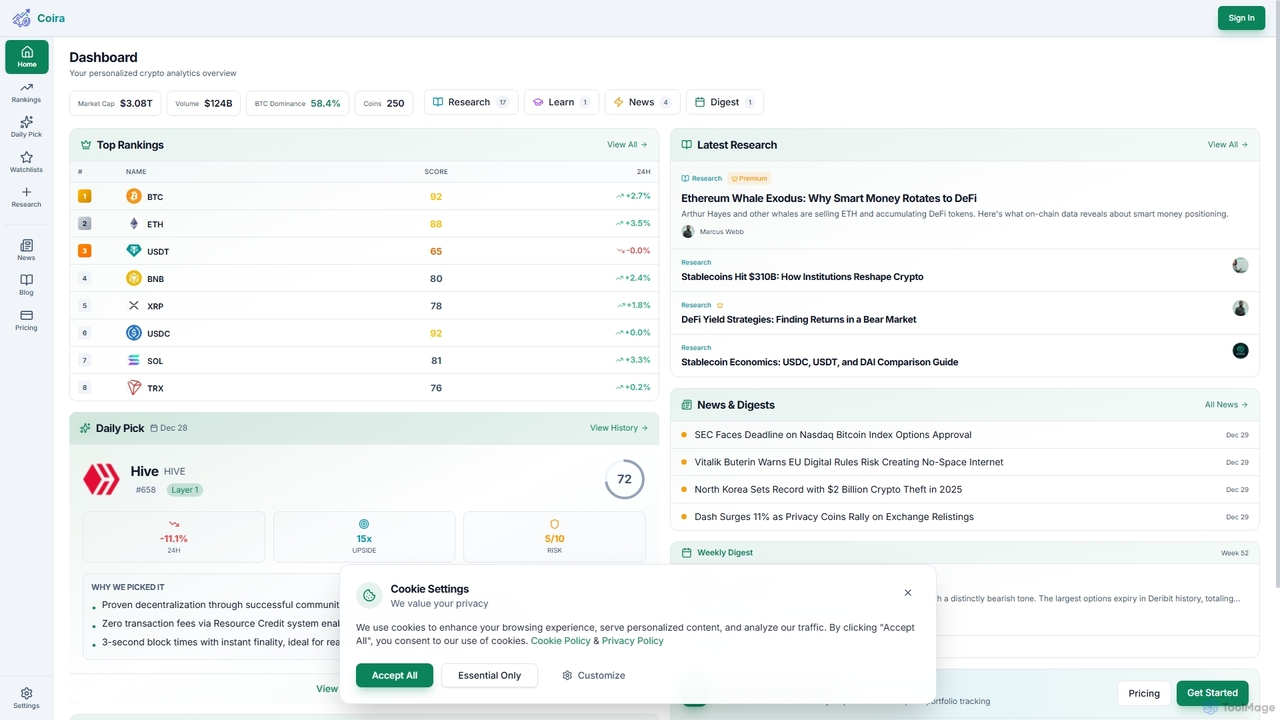
Coira

Coira

Coira is an AI-powered cryptocurrency analysis platform designed to democratize market intelligence for retail investors. It distills complex …

5.7K
Free
FlashPaper

FlashPaper

FlashPaper is a free AI-powered academic paper writer designed to help students and researchers generate high-quality academic content. …

2.8K
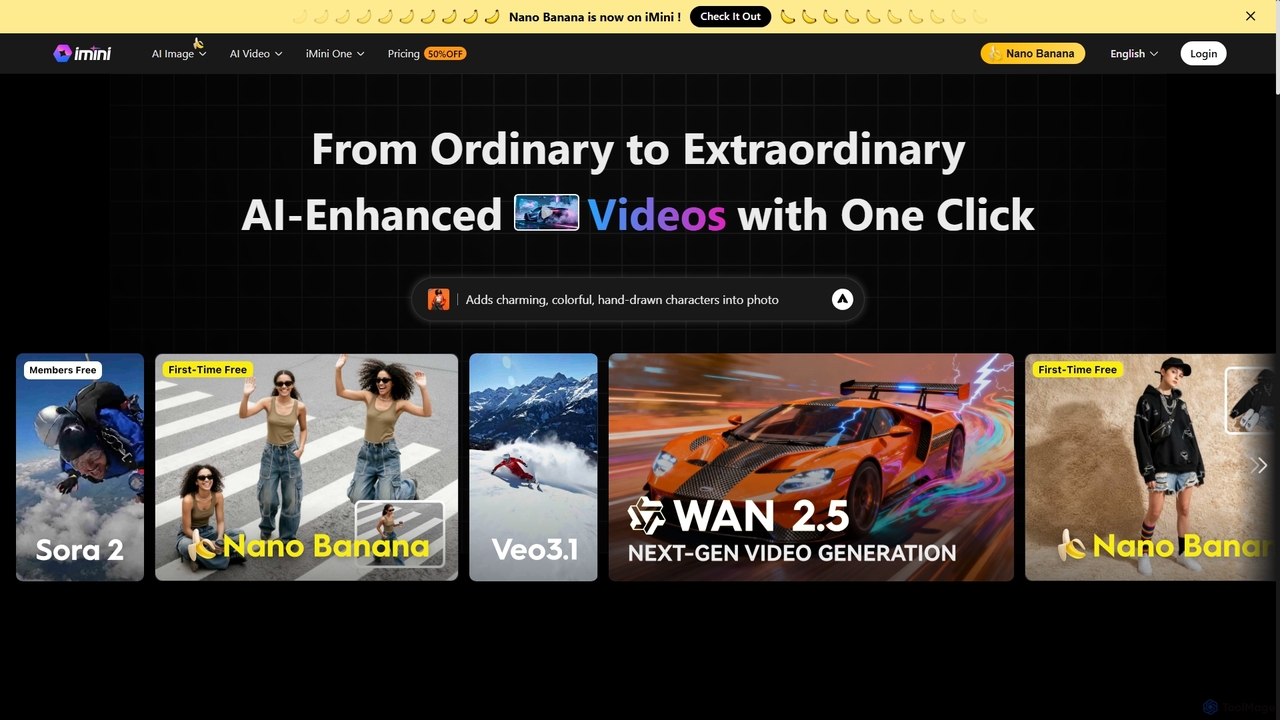
iMini

iMini

iMini is an all-in-one AI assistant and creation platform that integrates various AI agents for image generation, video …

111.9K
Free
strawberyai

strawberyai

An informational hub and waitlist for OpenAI's next-generation Strawberry model. Get the latest updates, in-depth analysis, and explore …

4.7K

About Research Tools

AI Research Tools are specialized applications that leverage artificial intelligence to streamline and enhance the entire research workflow. They utilize natural language processing, machine learning, and data analysis algorithms to process vast amounts of information. These tools significantly accelerate literature reviews, data extraction, qualitative and quantitative analysis, and the synthesis of complex information. By automating repetitive tasks, AI research tools allow researchers to focus on critical thinking and interpretation, fostering deeper insights and more robust findings.

Core Features

  • Automated Literature Review: Quickly scan, summarize, and identify key themes from vast academic databases and publications.
  • Data Extraction & Annotation: Efficiently extract specific data points, entities, or concepts from unstructured text, images, or documents.
  • Qualitative Data Analysis: Assist in coding, categorizing, and identifying patterns within interview transcripts or open-ended survey responses.
  • Research Question Generation: Suggest novel research questions or hypotheses based on existing literature and identified knowledge gaps.
  • Citation & Reference Management: Automate the organization, formatting, and generation of citations and bibliographies.

Applicable Scenarios

Academics and students use AI research tools to manage extensive literature for theses and dissertations, while market researchers apply them to analyze consumer feedback and market trends from diverse sources. Scientists leverage these tools for systematic reviews and meta-analyses of experimental data, accelerating discovery across various fields.

How to Choose

When selecting AI research tools, consider your specific research methodology (e.g., qualitative, quantitative) and the types of data you handle. Evaluate its compatibility with existing research software and its flexibility in data export. Prioritize tools that offer transparency in their AI models and allow for human oversight to ensure accuracy and validate results.

Research ToolsUse Cases

1

Automating Literature Review for Academic Papers

Academic researchers and PhD students can use AI research tools to rapidly scan thousands of scholarly articles, identify relevant papers, extract key findings, and summarize complex theories. This significantly reduces the time spent on initial literature searches, allowing more focus on critical analysis and synthesis for their dissertations or journal submissions, potentially saving hundreds of hours.

2

Extracting Insights from Customer Feedback

Market researchers or product managers can deploy AI research tools to analyze large volumes of customer reviews, social media comments, and survey responses. The tools automatically identify common themes, sentiment trends, and emerging pain points, providing actionable insights for product development and marketing strategies without manual sifting, improving decision-making speed by 50%.

3

Systematic Review for Medical Research

Medical researchers can utilize AI tools to conduct systematic reviews by screening vast databases of clinical trials and studies. The AI helps in identifying eligible studies, extracting specific patient outcomes, and flagging potential biases, thereby accelerating the evidence synthesis process for meta-analyses and clinical guideline development, reducing screening time by up to 70%.

4

Qualitative Data Coding and Theme Identification

Social scientists and qualitative researchers can use AI research tools to assist in coding interview transcripts or focus group discussions. The AI can suggest initial codes, identify recurring themes, and map relationships between concepts, providing a structured starting point for deeper human interpretation and theory building, enhancing coding consistency by 30%.

5

Competitive Analysis and Market Trend Monitoring

Business strategists and analysts can leverage AI research tools to monitor competitor activities, industry news, and emerging market trends. By processing vast amounts of public data, these tools can identify competitive advantages, potential threats, and new opportunities, informing strategic decision-making and innovation, leading to 25% faster market insights.

6

Generating Research Questions and Hypotheses

Early-career researchers or innovators can use AI research tools to explore existing knowledge gaps and generate novel research questions. By analyzing the current body of literature, the AI can highlight under-researched areas or suggest interdisciplinary connections, sparking new avenues for scientific inquiry and innovation, potentially leading to 15% more innovative research proposals.

Research ToolsFrequently Asked Questions