ToolMage
Sign in

Best 3 Resource Management AI tools for Productivity

Popular Resource Management AI tools in Productivity include Sooko, cAImpare, and Startupvisors, helping you work more efficiently.

Sooko

Sooko

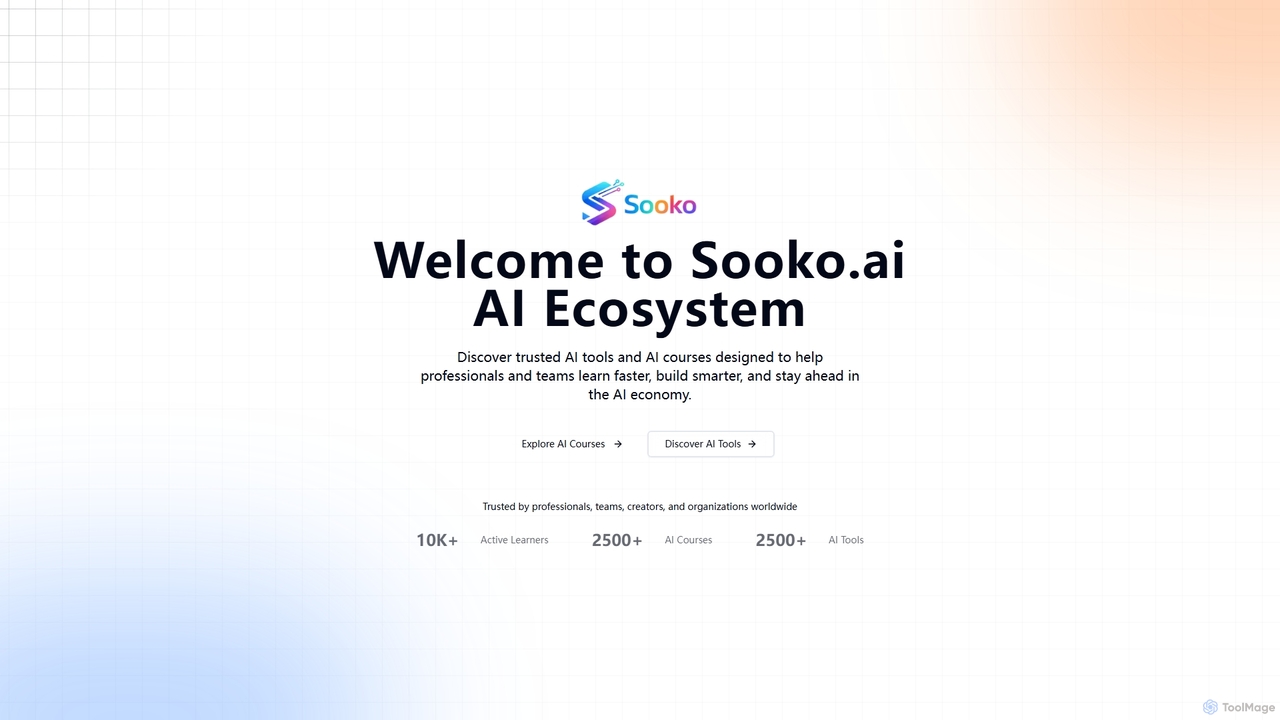
Sooko is an AI ecosystem discovery platform designed for professionals, teams, creators, and organizations. It offers a curated directory of trusted AI tools and comprehensive AI courses, helping users learn faster, build smarter, and stay competitive in the AI economy. With over 2500 AI tools and courses, Sooko aims to bring clarity to the complex world of artificial intelligence.

Ai Tool Directory
Visits 6.7KFavorites 27Likes 38
cAImpare

cAImpare

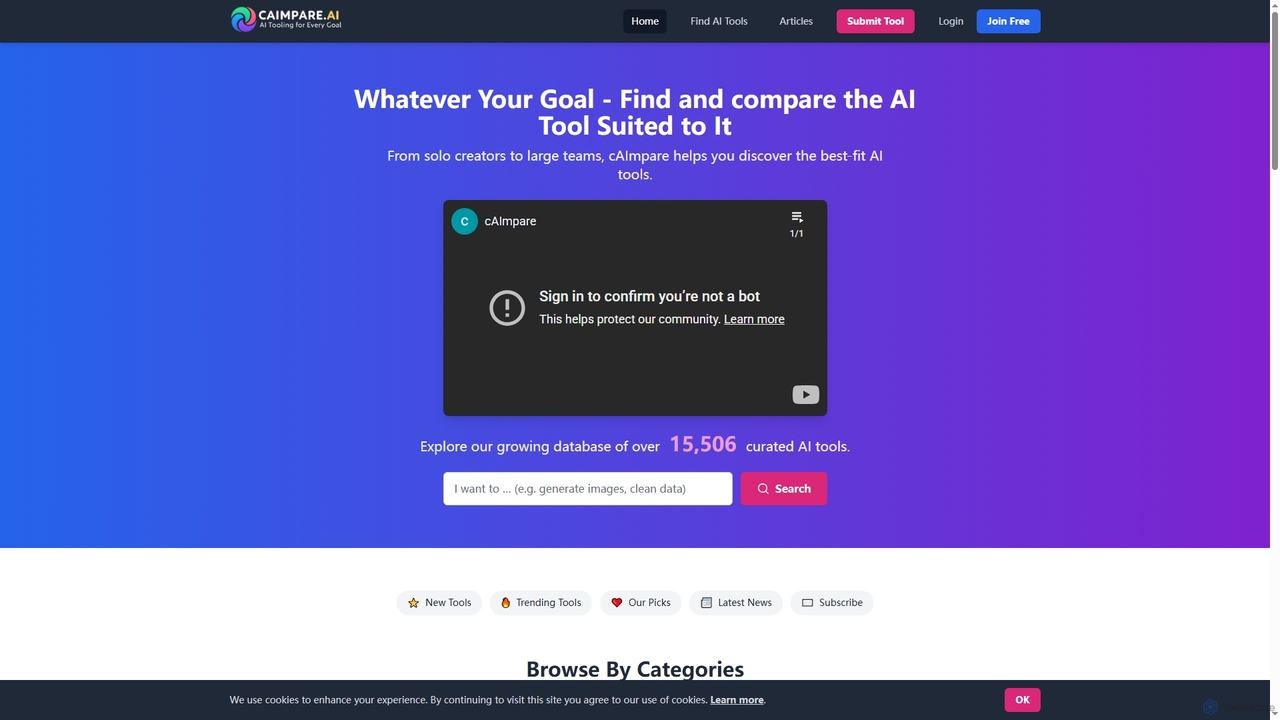
cAImpare is a leading AI tool discovery and comparison platform, offering a vast, curated database of over 20,000 AI tools. It helps individuals and teams efficiently find, evaluate, and select the best-fit AI solutions for any goal, from creative tasks to complex business operations, emphasizing real-world performance and practical applications.

Directory
Visits 5.2KFavorites 132Likes 124
Startupvisors
Paid

Startupvisors

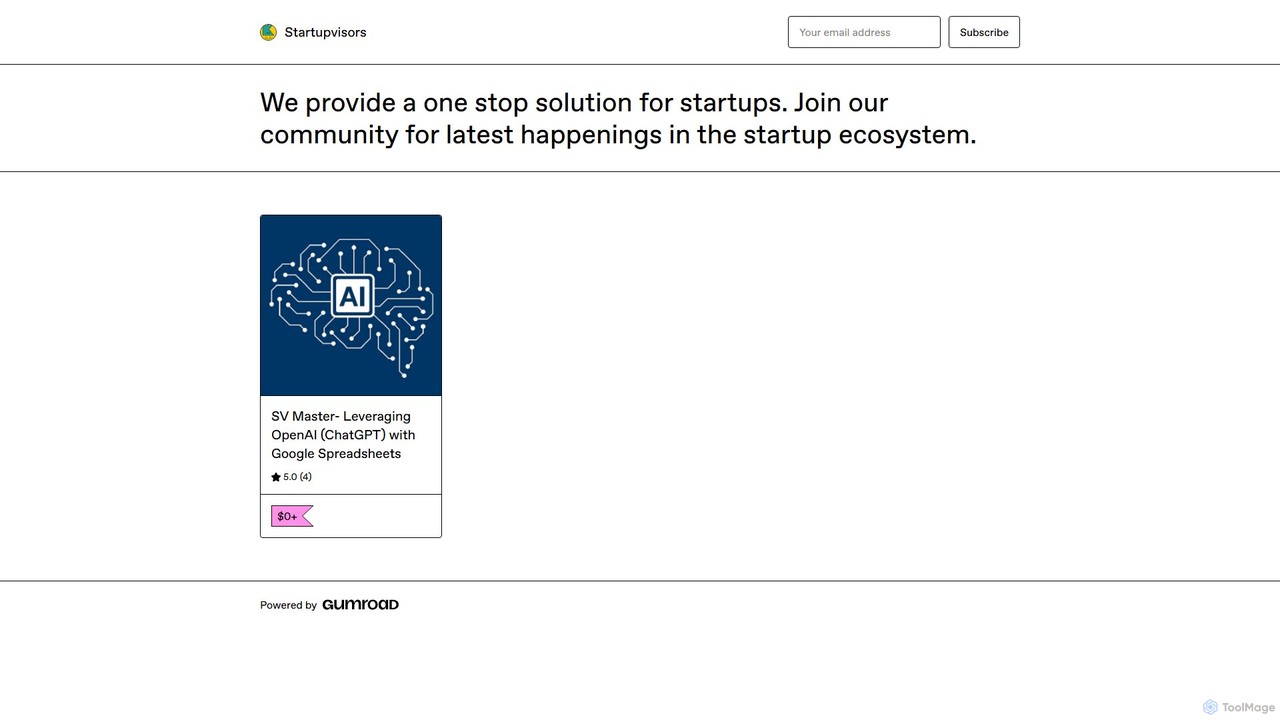
Startupvisors is the ultimate digital toolkit for entrepreneurs and startup founders. It provides a curated database of AI tools, actionable templates for business plans and pitch decks, and expert guides to accelerate your journey from idea to scale. A one-stop resource to build and grow your business efficiently.

Startup Tools
Visits 5.1KFavorites 141Likes 143

About Resource Management

AI Resource Management tools are specialized applications that automate and optimize the allocation, scheduling, and tracking of organizational assets. They use machine learning algorithms to analyze project requirements, team availability, and skill sets to recommend the most efficient resource distribution. This data-driven approach helps businesses prevent bottlenecks, reduce project delays, and maximize the utilization of their workforce and equipment. As a key part of the Productivity ecosystem, these tools transform static planning into a dynamic, predictive process.

Core Features

  • Predictive Allocation: Forecasts future resource needs based on historical data and project pipelines.
  • Automated Scheduling: Intelligently assigns tasks to the best-suited individuals based on skills, availability, and workload.
  • Utilization Monitoring: Provides real-time dashboards to track how resources are being used and identify underutilization or overloads.
  • Skill Mapping: Maintains a database of employee skills to quickly find the right person for a specific task.
  • Scenario Planning: Simulates the impact of different project decisions on resource capacity.

Use Cases

These tools are widely used by project managers, operations heads, and team leaders in sectors like IT, consulting, creative agencies, and engineering. For instance, a software development team can use it to assign engineers to sprints, while a consulting firm can allocate consultants to client projects based on expertise and availability, ensuring optimal team composition.

How to Choose

When selecting an AI Resource Management tool, consider its integration capabilities with your existing project management software (e.g., Jira, Asana). Evaluate its scalability to support your team's growth and the complexity of its analytical features. Also, assess the user interface for ease of use and the quality of its reporting dashboards for providing actionable insights.

Resource Management use cases

1

Optimizing Developer Allocation in Tech Sprints

A tech lead at a software company is responsible for planning a two-week sprint involving multiple features. Using an AI Resource Management tool, they input the required tasks and skill sets (e.g., 'Python', 'React', 'Database'). The AI analyzes the current workload, availability, and historical performance data of each developer. It then recommends an optimal allocation, assigning complex tasks to senior developers with relevant experience and simpler tasks to junior members, ensuring a balanced workload and preventing key personnel from becoming bottlenecks. This results in a more predictable sprint velocity and higher on-time completion rates.

2

Managing Creative Agency Project Staffing

An operations manager at a digital marketing agency juggles multiple client projects simultaneously. They use an AI Resource Management platform to staff these projects. For a new campaign, the system identifies available graphic designers, copywriters, and social media managers. It considers not only their availability but also their expertise with the client's industry and past performance on similar projects. The AI flags potential conflicts, such as a key designer being booked on two critical projects at once, and suggests alternative qualified staff. This prevents overbooking, improves project quality by matching the right talent, and provides clear visibility into future hiring needs.

3

Strategic Workforce Planning for Enterprise Growth

An HR director in a large consulting firm uses an AI Resource Management tool for long-term strategic planning. By analyzing the firm's project pipeline for the next 12-18 months, the AI forecasts demand for specific skills, such as 'cloud computing expertise' or 'financial modeling'. The system then compares this demand against the current workforce's skill inventory. It generates a report highlighting future skill gaps and surpluses, allowing the HR department to proactively plan for hiring, training, and reskilling initiatives. This data-driven approach aligns workforce capabilities with future business goals, reducing recruitment costs and ensuring the company has the right talent to win new business.

4

Coordinating Field Service Technician Dispatch

A logistics coordinator for a telecommunications company manages a team of field service technicians. They use an AI-powered resource management system to optimize daily dispatch schedules. When a new service request comes in, the AI considers multiple factors: the technician's location via GPS, their specific certifications (e.g., fiber optic repair), the current traffic conditions, and their existing appointment schedule. It automatically assigns the closest, most qualified, and available technician, plotting the most efficient route. This minimizes travel time, reduces fuel costs, and increases the number of service calls a technician can complete per day, significantly improving customer satisfaction.

5

Managing Equipment Rentals for Construction Projects

A project manager for a large construction company needs to schedule heavy equipment (like cranes and excavators) across multiple job sites. Using an AI Resource Management tool, they can view the real-time availability and location of all equipment. The AI helps in creating an optimized schedule that minimizes transportation costs and equipment downtime. It can also predict maintenance needs based on usage data, automatically scheduling service during planned idle periods. If an unexpected equipment failure occurs, the system instantly identifies the nearest available replacement and calculates the impact on the project timeline, allowing for rapid adjustments.

6

Balancing Nurse Staffing in a Hospital

A hospital administrator is tasked with creating weekly nursing schedules for different wards, such as the ICU and Emergency Room. They use an AI resource management system that analyzes patient admission forecasts, patient acuity levels, and staff qualifications (e.g., certifications, experience). The AI generates fair and compliant schedules that ensure adequate nurse-to-patient ratios at all times, while also accommodating staff leave requests and preventing burnout from excessive overtime. The system can also rapidly re-allocate staff in real-time during unexpected patient surges, ensuring critical areas are never understaffed.

Resource Management FAQ

What are AI Resource Management tools?

AI Resource Management tools are software applications that use artificial intelligence to optimize the allocation and scheduling of resources like personnel, equipment, and budgets. Unlike traditional spreadsheets or manual planning, they leverage machine learning to analyze data, predict future needs, and recommend the most efficient use of available assets. Key features often include automated scheduling, skill mapping, and real-time utilization tracking to help organizations improve productivity and reduce operational costs.

How do AI Resource Management tools differ from traditional project management software?

Traditional project management software (like Asana or Trello) focuses on organizing tasks, deadlines, and communication within a project. AI Resource Management tools are more specialized. Their primary function is not just to track resources, but to actively optimize their allocation. Key differences include:

  • Predictive vs. Reactive: AI tools forecast future resource needs, while traditional tools react to manually assigned tasks.
  • Optimization Engine: AI tools use algorithms to find the best possible resource assignment based on multiple constraints (skills, cost, availability), which traditional tools lack.
  • Automation: AI automates the complex scheduling process, whereas in project management tools, resource assignment is typically a manual task for a manager.
In short, project management tools help you manage the work, while AI resource management tools help you manage the people and assets doing the work most efficiently.

Who benefits most from using AI Resource Management tools?

While many can benefit, these tools are particularly valuable for organizations with complex resource allocation needs. Key users include:

  • Project-Based Businesses: Consulting firms, creative agencies, and software development houses that constantly juggle staff across multiple projects.
  • Operations Managers: Individuals responsible for maximizing the utilization of a large pool of shared resources, whether it's people, equipment, or facilities.
  • Enterprise HR and Planners: Teams focused on strategic workforce planning, identifying future skill gaps, and aligning talent with long-term business objectives.
Essentially, any organization where resource conflicts, underutilization, or poor forecasting are significant business challenges will see a substantial return on investment.

What key features should I look for in an AI Resource Management tool?

When evaluating these tools, focus on features that provide tangible optimization benefits. Key features to consider include:

  • Predictive Forecasting: The ability to analyze historical data and project pipelines to accurately predict future resource demand.
  • Automated Scheduling & Optimization: An intelligent engine that can automatically assign resources based on skills, availability, cost, and other custom constraints.
  • Real-Time Analytics & Dashboards: Clear, visual reports on resource utilization, project progress, and budget tracking.
  • Integration Capabilities: Seamless connection with your existing software stack, such as project management tools (Jira, Asana), HR systems, and accounting software.
  • Scenario Planning: The ability to model different scenarios (e.g., 'what if we win this new project?') to understand their impact on resource capacity.

Can AI Resource Management tools help prevent employee burnout?

Yes, significantly. One of the primary causes of burnout is a consistently high and unbalanced workload. AI Resource Management tools address this directly by providing managers with clear visibility into each team member's capacity and current assignments. The AI can flag individuals who are consistently over-allocated and suggest reassigning tasks to others with more availability. By ensuring a more equitable distribution of work and preventing chronic overwork, these tools play a crucial role in promoting a healthier work-life balance and improving employee retention.