Productivity Best in category 1 results Revenue Management AI Tool

Popular AI tools in the Revenue Management field of Productivity include Curear, etc., helping you quickly improve efficiency.

Curear

Curear

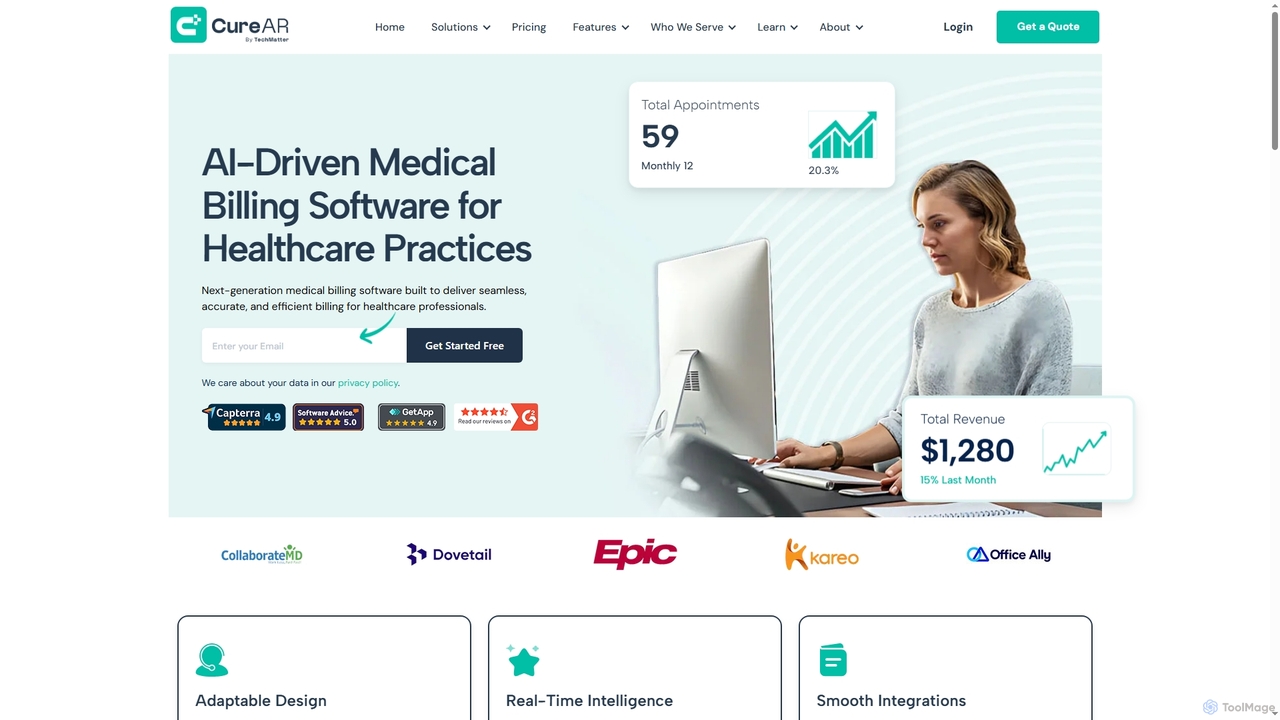
Curear is an AI-driven medical billing and revenue cycle management (RCM) software for healthcare providers. It automates the …

4.8K

About Revenue Management

Revenue Management tools are AI-powered platforms designed to optimize business income by strategically managing pricing and inventory. They utilize machine learning and predictive analytics to analyze vast datasets, including historical sales, market demand, competitor pricing, and customer behavior. This enables businesses to make data-driven decisions to maximize profitability, particularly in industries with perishable inventory like hospitality and travel. These tools automate complex pricing adjustments in real-time, ensuring optimal revenue generation under fluctuating market conditions.

Core Features

  • Dynamic Pricing: Automatically adjusts prices in real-time based on demand, seasonality, and competitor actions.
  • Demand Forecasting: Uses predictive models to accurately forecast future customer demand for products or services.
  • Inventory Optimization: Manages availability to prevent stockouts or overbooking while maximizing sales opportunities.
  • Competitor Analysis: Monitors and analyzes competitors' pricing strategies to maintain a competitive edge.
  • Reporting & Analytics: Provides detailed dashboards and reports on key revenue metrics like RevPAR, ADR, and yield.

Applicable Scenarios

These tools are essential for industries with variable demand and fixed capacity, such as hospitality (hotels, resorts), travel (airlines, cruises), car rentals, and event management. They are typically used by revenue managers, pricing analysts, and marketing teams to develop and execute strategies that balance occupancy, average rate, and overall revenue.

Selection Criteria

When choosing a Revenue Management tool, consider its integration capabilities with your existing systems (e.g., PMS, CRM). Evaluate the accuracy and transparency of its forecasting algorithms. Assess the level of customization available for pricing rules and strategies. Finally, examine the quality of its analytics and reporting features to ensure you can track performance effectively.

Revenue ManagementUse Cases

1

Hotel Room Price Optimization

A revenue manager for a city hotel needs to maximize occupancy and revenue for an upcoming major conference. Using an AI Revenue Management tool, they analyze real-time booking pace, flight arrival data, and competitor rates. The system automatically recommends and applies tiered pricing, increasing rates as the event nears and hotel availability decreases. This proactive strategy results in a significant lift in the Average Daily Rate (ADR) and Revenue Per Available Room (RevPAR) compared to static pricing.

2

Airline Fare and Yield Management

An airline pricing analyst is tasked with setting fares for a competitive route. The AI tool processes historical booking data, competitor schedules, and seasonality trends to forecast demand for different fare classes (e.g., economy, business). It simulates revenue outcomes for thousands of pricing scenarios, helping the analyst identify the optimal fare structure. This balances the need for a high load factor with the goal of maximizing yield from each seat sold.

3

E-commerce Dynamic Discounting

An e-commerce manager wants to clear seasonal apparel without deep, profit-eroding discounts. The Revenue Management tool segments customers based on their purchase history and price sensitivity. It then automates targeted promotions, offering a 15% discount to price-sensitive shoppers while showing full price to loyal customers likely to buy anyway. This approach maximizes sales volume for clearance items while protecting the overall profit margin.

4

Car Rental Fleet Utilization

A manager at a car rental agency aims to optimize pricing across multiple locations, especially during holidays and weekends. The AI system analyzes demand forecasts, fleet availability, and local event schedules. It automatically adjusts daily and weekly rates for different car models to match demand, preventing vehicle shortages during peak times and reducing idle cars during slow periods. This leads to higher fleet utilization and increased overall rental income.

5

Event and Venue Ticket Pricing

An event organizer for a music festival uses an AI tool to manage ticket pricing. The platform analyzes early sales velocity, social media engagement, and the pricing of similar past events. Based on this data, it implements a dynamic pricing strategy, gradually increasing ticket prices as tiers sell out and the event date approaches. This creates urgency, encourages early purchases, and ensures the event's revenue potential is fully realized.

6

Restaurant Table and Menu Optimization

A restaurant owner seeks to increase revenue during both peak and off-peak hours. An AI-powered tool analyzes reservation data, table turnover rates, and historical food orders. It suggests implementing a slightly higher 'prix fixe' menu for Friday night reservations and offering a happy hour discount on high-margin items during quieter weekday afternoons. This strategy helps maximize revenue per available seat hour (RevPASH) and smooths out daily demand.

Revenue ManagementFrequently Asked Questions