Link Shield API
Link Shield API is an AI-powered platform designed for developers to detect malicious URLs in real-time. It uses …
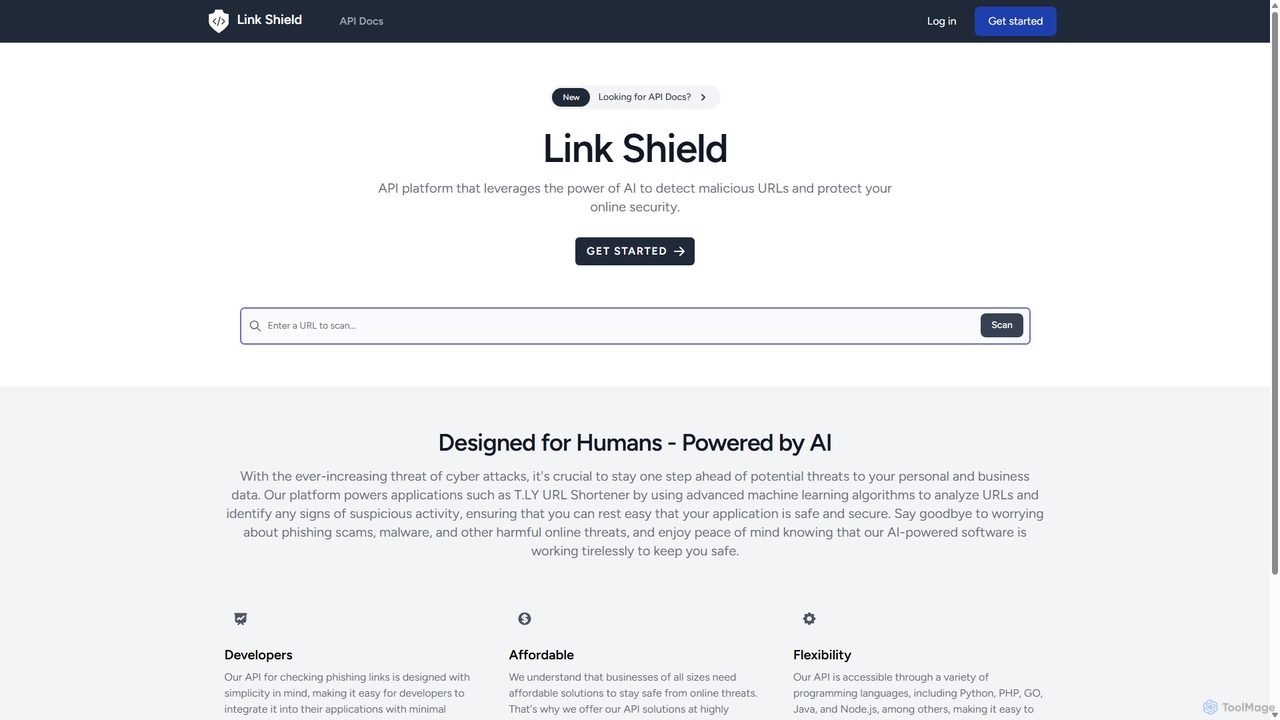
Link Shield API is an AI-powered platform designed for developers to detect malicious URLs in real-time. It uses advanced machine learning to identify phishing, malware, and other online threats, protecting applications and users. With a simple, flexible, and affordable API, it easily integrates into various platforms to ensure online security and build user trust.
AI Disturbance Overlay
AI Disturbance Overlay is a tool for artists to protect their work from AI style theft. It applies …
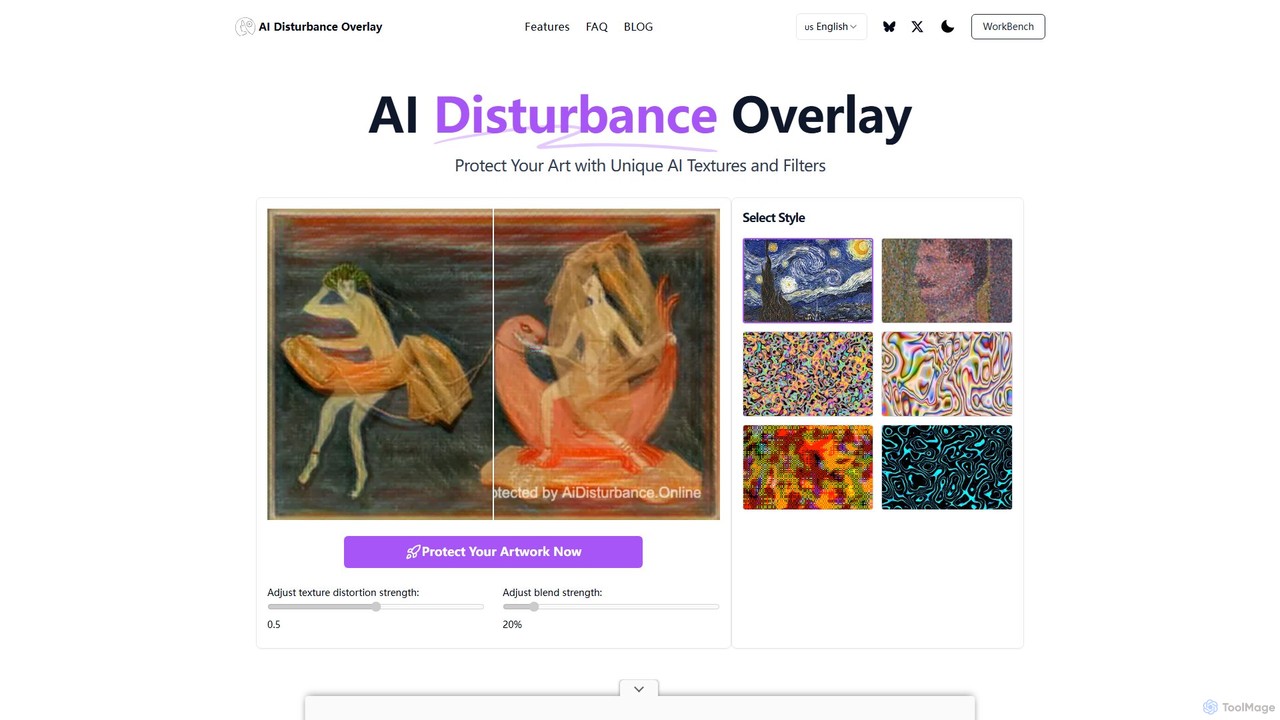
AI Disturbance Overlay is a tool for artists to protect their work from AI style theft. It applies a subtle, nearly invisible filter to images using adversarial techniques. This 'disturbance' layer disrupts AI models like MidJourney and Stable Diffusion, preventing them from learning or replicating the artist's unique style, even after screenshots or compression. It's a web-based solution designed to safeguard artistic sovereignty in the age of generative AI.
Invoxia
Invoxia offers a range of AI-powered GPS trackers for vehicles, valuables, pets, and people. These discreet devices provide …
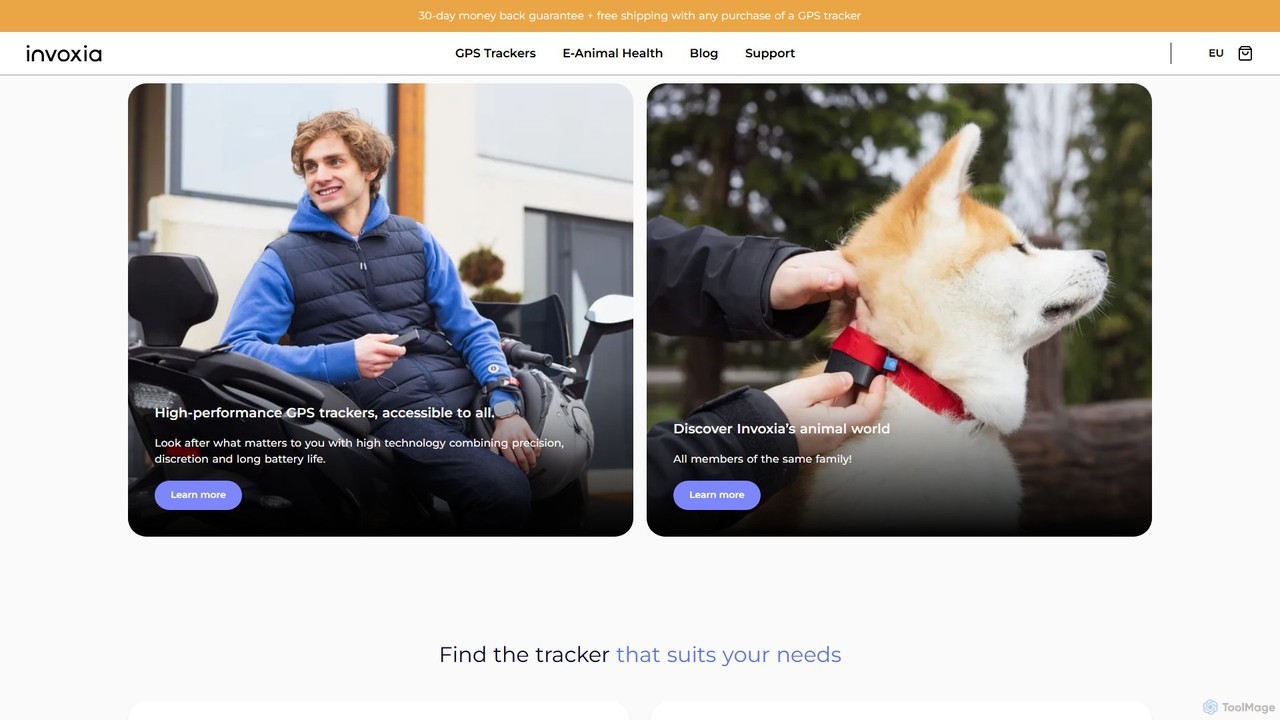
Invoxia offers a range of AI-powered GPS trackers for vehicles, valuables, pets, and people. These discreet devices provide real-time location tracking, intelligent anti-theft alerts, geofencing, and exceptional battery life, all managed through a user-friendly mobile app for ultimate peace of mind.
About Security
AI Security tools are a class of software that leverages artificial intelligence to proactively identify, predict, and respond to digital threats. These tools utilize machine learning models and anomaly detection algorithms to analyze vast amounts of data in real-time, uncovering patterns that traditional rule-based systems might miss. Their primary value lies in automating security operations, enhancing threat intelligence, and significantly reducing response times to incidents. By learning from new data continuously, they provide an adaptive defense mechanism against evolving cyberattacks, boosting the productivity and effectiveness of security teams.
Core Features
- Threat Detection & Response: Uses behavioral analysis to identify and neutralize malware, phishing, and zero-day exploits automatically.
- Vulnerability Scanning: Employs AI to scan code, applications, and networks for security weaknesses and prioritizes them by risk.
- Anomaly Detection: Monitors user and system behavior to flag suspicious activities that deviate from established baselines, indicating potential insider threats or account takeovers.
- Security Data Analysis: Processes and correlates massive volumes of log and event data from various sources to provide actionable security insights.
Use Cases
AI Security tools are critical for Security Operations Centers (SOCs), DevSecOps teams, and IT administrators. For instance, SOC analysts use them to automate threat hunting and incident response, while developers integrate them into CI/CD pipelines for secure code analysis. They are widely adopted in finance, healthcare, and e-commerce to protect sensitive data and comply with regulations.
How to Choose
When selecting an AI Security tool, consider its threat detection accuracy and false positive rate. Evaluate its integration capabilities with your existing security stack, such as SIEM and SOAR platforms. Assess the level of automation and whether it fits your team's workflow. Finally, consider the model's transparency and the vendor's expertise in handling security-specific data.
SecurityUse Cases
Automated Threat Hunting for Security Teams
A Security Operations Center (SOC) analyst is tasked with monitoring a vast corporate network for signs of compromise. Instead of manually sifting through millions of log entries, they use an AI Security tool. The platform continuously analyzes data from endpoints, firewalls, and cloud services, establishing a baseline of normal activity. When it detects a subtle sequence of events indicative of an advanced persistent threat (APT), it automatically raises a high-priority alert with correlated evidence and a proposed remediation plan. This allows the analyst to neutralize a threat in minutes that might have taken days to discover manually, drastically improving the team's productivity and security posture.
AI-Powered Secure Code Review
A software development team practices DevSecOps, aiming to integrate security into their CI/CD pipeline. They use an AI-powered Static Application Security Testing (SAST) tool. As a developer commits new code, the tool automatically scans it within the repository. It uses machine learning to identify complex vulnerabilities like SQL injection or cross-site scripting with a much lower false-positive rate than traditional scanners. The tool provides immediate feedback directly in the developer's IDE, explaining the vulnerability and suggesting a secure code fix. This 'shift-left' approach catches security flaws early, saving significant time and resources compared to fixing them in production.
Preventing Advanced Phishing Attacks
An organization's IT department is concerned about sophisticated spear-phishing emails targeting executives. Their traditional email filter struggles to catch these well-crafted attacks. They deploy an AI-powered email security gateway. This system analyzes not just keywords and sender reputation, but also the writing style, emotional sentiment, and contextual relationships within emails. It successfully flags an urgent wire transfer request seemingly from the CEO as anomalous because the tone and sentence structure deviate from the CEO's usual communication pattern. The email is quarantined, preventing significant financial loss and demonstrating a protective capability beyond simple rule-based filtering.
Detecting Insider Threats with Behavioral Analytics
A financial institution needs to protect sensitive customer data from both malicious insiders and compromised accounts. They implement an AI-driven User and Entity Behavior Analytics (UEBA) solution. The system learns the typical data access patterns for each employee and service account. One day, it detects that an accountant's account, which normally accesses financial reports during business hours from a corporate IP, starts downloading large volumes of customer records late at night from an unrecognized location. The AI immediately flags this as a high-risk anomaly, locks the account, and alerts the security team. This proactive response prevents a major data breach before it can escalate.
AI-Driven Vulnerability Management
A large enterprise's security team is overwhelmed by the sheer number of vulnerabilities identified by their network scanners. They adopt an AI-powered vulnerability management platform. This tool not only identifies weaknesses but also uses AI to analyze multiple factors: the vulnerability's severity (CVSS score), whether an exploit is available in the wild, the asset's business criticality, and its network exposure. The platform then generates a prioritized list of vulnerabilities that pose the most genuine risk to the organization. This allows the security team to focus their limited resources on patching the most critical issues first, moving from a reactive, volume-based approach to a proactive, risk-based strategy.
Automating Security Compliance Monitoring
A compliance officer at a healthcare organization must ensure continuous adherence to HIPAA regulations. Manually auditing system configurations and access logs is a time-consuming and error-prone process. They deploy an AI security tool specifically designed for compliance. The tool automatically maps regulatory requirements to the organization's technical controls. It continuously monitors systems for non-compliant configurations, such as improper access controls on patient data, and generates real-time alerts. The AI can also produce automated compliance reports, saving the officer hundreds of hours of manual work and providing verifiable proof of compliance during audits.