Productivity Best in category 1 results Social Media AI Tool

Popular AI tools in the Social Media field of Productivity include AirBrush, etc., helping you quickly improve efficiency.

AirBrush

AirBrush

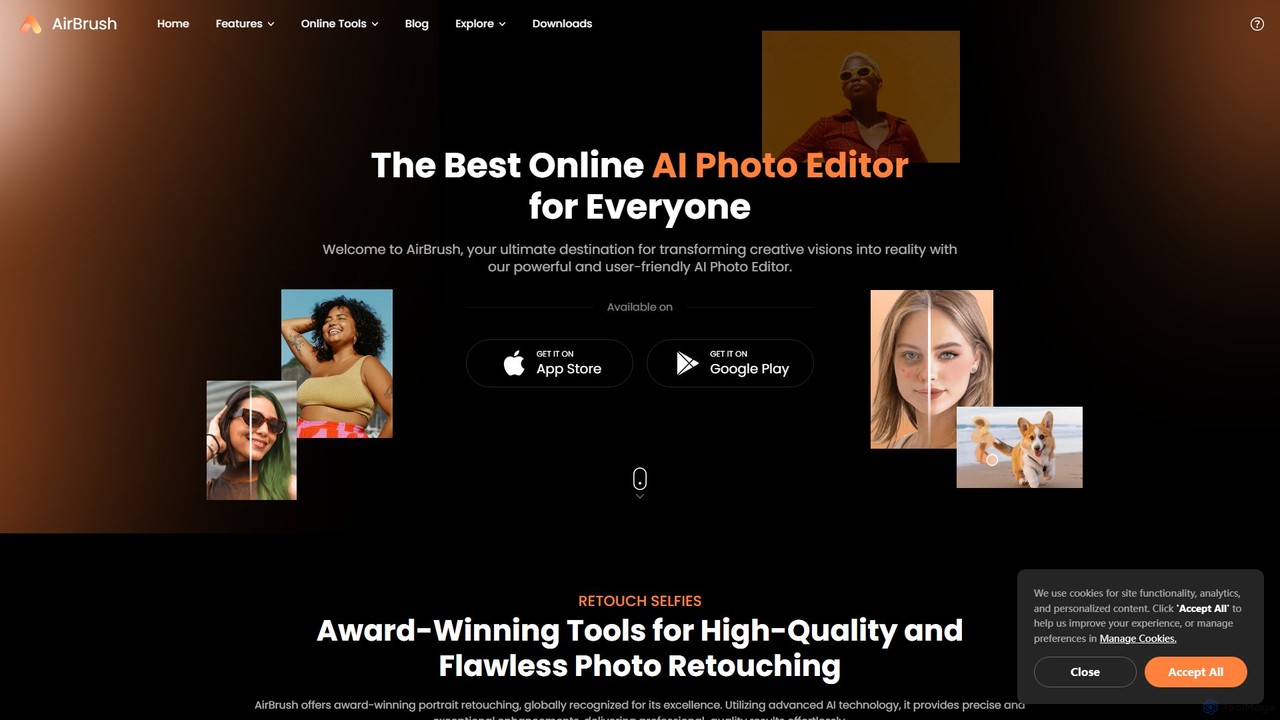
AirBrush is a comprehensive AI-powered photo and video editor available on web and mobile. It offers a wide …

3.9M

About Social Media

AI Social Media tools are applications that use artificial intelligence to automate, analyze, and optimize social media management. They leverage machine learning and natural language processing to generate content, schedule posts at optimal times, and analyze audience engagement. These tools empower marketers, creators, and businesses to save significant time, gain deeper audience insights, and enhance the effectiveness of their overall strategy. As a key part of the Productivity suite, they specifically target the complex and time-consuming workflows of social media marketing.

Core Features

  • AI Content Generation: Creates engaging posts, captions, and ideas tailored to different platforms and brand voices.
  • Smart Scheduling: Automatically determines and schedules posts for the best times to maximize reach and engagement.
  • Performance Analytics: Analyzes key metrics, tracks campaign performance, and generates insightful reports on audience behavior.
  • Sentiment Analysis: Monitors brand mentions and comments to gauge public opinion and identify customer service opportunities.
  • Hashtag & Trend Discovery: Identifies trending topics and suggests relevant hashtags to increase content visibility.

Use Cases

These tools are widely used by social media managers in marketing agencies, solo content creators managing multiple accounts, and small business owners handling their own online presence. Common applications include automating a full week's content calendar, analyzing the sentiment of brand mentions after a product launch, or identifying the best-performing content to inform future strategy.

How to Choose

When selecting an AI Social Media tool, consider the following: First, verify which platforms it supports (e.g., Instagram, TikTok, LinkedIn). Second, evaluate its feature set—do you need content generation, deep analytics, or an all-in-one solution? Third, assess the quality of its AI-driven insights and analytics. Finally, consider the user interface and pricing model to ensure it fits your team's workflow and budget.

Social MediaUse Cases

1

Automate Weekly Content Calendars

A social media manager for a startup needs to post three times a day across four different platforms. Using an AI tool, they input key weekly themes and product updates. The AI then generates a full week of draft posts, complete with engaging captions, relevant hashtags, and image suggestions. The manager can review, edit, and schedule all content in under an hour, saving approximately 8-10 hours of manual work each week and ensuring a consistent online presence.

2

Optimize Post Timing for Global Audiences

An e-commerce brand with customers worldwide uses an AI tool to analyze its audience's activity patterns across different time zones. The tool's smart scheduling feature automatically publishes content when specific audience segments (e.g., Europe, North America) are most active. This data-driven approach significantly increases engagement rates and click-throughs on product links, leading to higher international sales without manual time zone calculations.

3

Generate Engaging Captions and Post Ideas

A solo content creator experiencing writer's block uses an AI tool for inspiration. By providing a simple topic like 'healthy breakfast recipes,' the AI generates a list of post angles, catchy hooks, and several caption variations in different tones (e.g., humorous, informative, inspiring). This allows the creator to quickly produce fresh, high-quality content, maintain a consistent posting schedule, and avoid creative burnout.

4

Monitor Brand Reputation and Sentiment

A large corporation's public relations team uses an AI social media tool to track all mentions of their brand across the web in real-time. The tool's sentiment analysis feature automatically categorizes mentions as positive, negative, or neutral. This allows the team to quickly identify and address potential PR crises or customer service issues, as well as amplify positive feedback, helping to maintain a healthy brand image.

5

Analyze Competitor Social Media Strategies

A marketing analyst wants to understand a competitor's success on TikTok. They use an AI tool to analyze the competitor's posting frequency, top-performing content formats, hashtag strategy, and engagement metrics. The tool generates a comprehensive report with actionable insights, such as identifying that video posts under 15 seconds receive the highest engagement. This data helps them refine their own strategy to better compete in the market.

6

Create Platform-Specific Content Variations

A marketing team creates a single piece of core content, such as a detailed blog post. They use an AI tool to efficiently repurpose it for different social platforms. The tool automatically generates a professional, concise summary for LinkedIn, a short and punchy tweet with relevant hashtags for Twitter, and an engaging question-based post for a Facebook poll. This maximizes the value of each piece of content and ensures the messaging is tailored to each platform's audience and format.

Social MediaFrequently Asked Questions