
Productivity Best in category 1 results Symptom Checker AI Tool

Popular AI tools in the Symptom Checker field of Productivity include HeHealth, etc., helping you quickly improve efficiency.

HeHealth

HeHealth

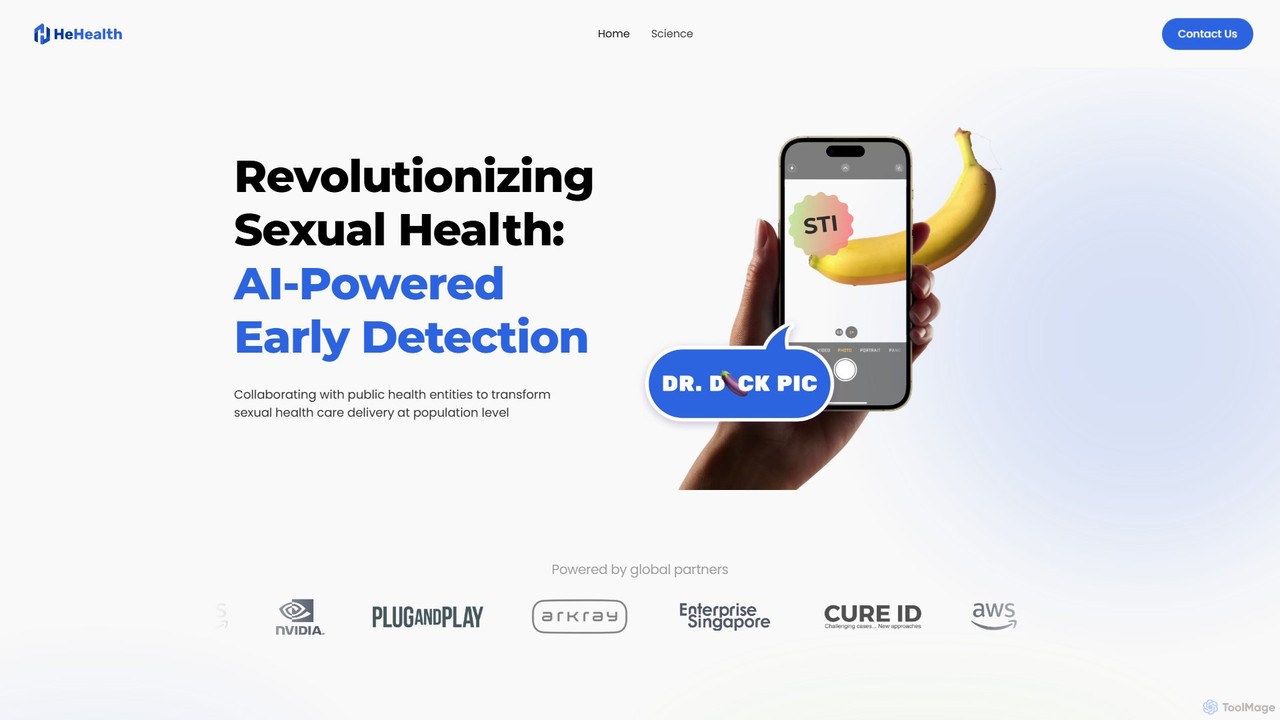
HeHealth is an AI-powered platform revolutionizing men's sexual health. It offers a discreet, accurate, and affordable way to …

3.2K

About Symptom Checker

AI Symptom Checkers are tools that use artificial intelligence to analyze user-provided health symptoms and suggest potential conditions or appropriate next steps. These applications leverage vast medical datasets and natural language processing to interpret symptom descriptions and identify patterns. Their primary value lies in providing users with immediate, accessible, and preliminary health information, helping to guide decisions about seeking professional medical care. While not a substitute for a doctor, they serve as a valuable first step in understanding health concerns, contributing to personal productivity by reducing uncertainty and saving time.

Core Features

  • Symptom Analysis Engine: Utilizes AI algorithms to process multiple symptoms, their severity, and duration to identify potential correlations.
  • Differential Diagnosis List: Generates a ranked list of possible medical conditions based on the input symptoms and user's demographic data.
  • Triage Recommendations: Provides guidance on the urgency of the situation, suggesting self-care, a doctor's visit, or emergency services.
  • Natural Language Interaction: Employs conversational interfaces, like chatbots, allowing users to describe their symptoms in their own words.
  • Personalized Risk Assessment: Considers factors such as age, gender, pre-existing conditions, and lifestyle to refine the analysis.

Applicable Scenarios

These tools are primarily used by individuals experiencing non-emergency symptoms who seek initial guidance. This includes parents assessing a child's illness, people trying to understand a new or persistent minor ailment before consulting a doctor, or users in remote areas with limited access to immediate medical advice. They help organize thoughts and prepare for a more effective doctor's appointment.

Selection Criteria

When choosing a Symptom Checker, prioritize tools backed by credible, peer-reviewed medical sources. Evaluate the clarity of the results and the transparency of its limitations. A user-friendly interface for inputting symptoms is crucial, as is a strong data privacy policy to protect sensitive health information. Always select a tool that clearly states it is for informational purposes only and not a replacement for professional medical diagnosis.

Symptom CheckerUse Cases

1

Initial Self-Triage for Common Illnesses

An office worker experiences a sudden onset of a cough, sore throat, and mild fever. Instead of immediately scheduling a doctor's appointment or worrying, they use an AI Symptom Checker. They input their symptoms, age, and note that they have no pre-existing respiratory conditions. The tool analyzes the combination and suggests a high probability of a common viral infection, like a cold or flu. It provides self-care recommendations such as rest, hydration, and over-the-counter medication, while also listing key warning signs (like difficulty breathing) that would warrant an immediate doctor's visit. This allows the user to make an informed decision, manage their condition at home, and avoid an unnecessary medical visit, thus saving time and resources.

2

Parental Guidance for a Sick Child

A parent is concerned about their young child who has developed a widespread rash and a low-grade fever. Unsure of the severity, they use an AI Symptom Checker designed with pediatric data. They input the child's age, symptoms, and describe the appearance of the rash. The AI cross-references this with common childhood illnesses, providing a list of possibilities ranging from a harmless viral rash to conditions requiring medical attention like measles. Crucially, it highlights specific symptoms that would necessitate an urgent care visit, such as a non-blanching rash. This provides the parent with structured information, reduces panic, and helps them decide whether to monitor the child at home or seek immediate medical care, ensuring a timely and appropriate response.

3

Exploring a Vague or Persistent Symptom

An individual has been experiencing intermittent dizziness for several weeks. The symptom isn't severe enough for an emergency room visit, but it's causing concern. They use an AI Symptom Checker to explore potential causes. The tool asks clarifying questions: Is it lightheadedness or vertigo? When does it occur? Are there other symptoms like headache or nausea? Based on the detailed input, the AI generates a list of possible categories, such as inner ear issues, blood pressure fluctuations, or anxiety. It doesn't provide a diagnosis but arms the user with relevant terminology and potential areas of concern. This helps them schedule an appointment with the right type of specialist and have a more focused, productive conversation with their doctor.

4

Preparing for a Doctor's Appointment

A patient with a chronic condition like IBS is preparing for a follow-up appointment. Over the past few months, they've experienced a variety of symptoms that come and go. To make the consultation more effective, they use an AI Symptom Checker as an organizational tool. They log their symptoms, frequency, and triggers over a week. The tool helps structure this information, potentially highlighting patterns or correlations the patient hadn't noticed. They can then print or save this summary. During the appointment, they present this clear, organized log to their doctor, enabling a more data-driven discussion about treatment adjustments. This transforms subjective recall into a structured report, maximizing the value of the limited consultation time.

5

Managing Health Anxiety with Data

An individual prone to health anxiety often worries excessively about minor physical sensations, sometimes leading to unnecessary stress. They decide to use an AI Symptom Checker as a rational first-line response. When they feel a minor chest pain, instead of immediately fearing the worst, they input the symptom along with context (e.g., 'after a heavy workout'). The tool provides a range of possibilities, often highlighting benign causes like muscle strain as most likely. Seeing a data-driven assessment that includes non-critical explanations helps to ground their anxiety. It acts as a buffer, encouraging a 'watch and wait' approach for minor issues, while still clearly outlining red-flag symptoms that would genuinely require medical attention, providing a balanced perspective.

6

Health Assessment While Traveling

A tourist traveling abroad develops an upset stomach and a mild fever. They are unfamiliar with the local healthcare system and face a language barrier. They use a globally accessible AI Symptom Checker on their phone. By inputting their symptoms, recent meals, and travel location, the AI can cross-reference this with common local ailments, such as traveler's diarrhea or region-specific viral infections. The tool provides immediate advice on hydration and diet, suggests locally available types of over-the-counter remedies, and clarifies the symptoms that would require finding a local clinic or hospital. This empowers the traveler to manage a common travel-related illness confidently and make an informed decision about seeking local medical help.

Symptom CheckerFrequently Asked Questions