ToolMage
Sign in

Best 4 Travel Planning AI tools for Productivity

Popular Travel Planning AI tools in Productivity include Flighty, Flyo, travelandz, and Citana Travel, helping you work more efficiently.

Citana Travel

Citana Travel

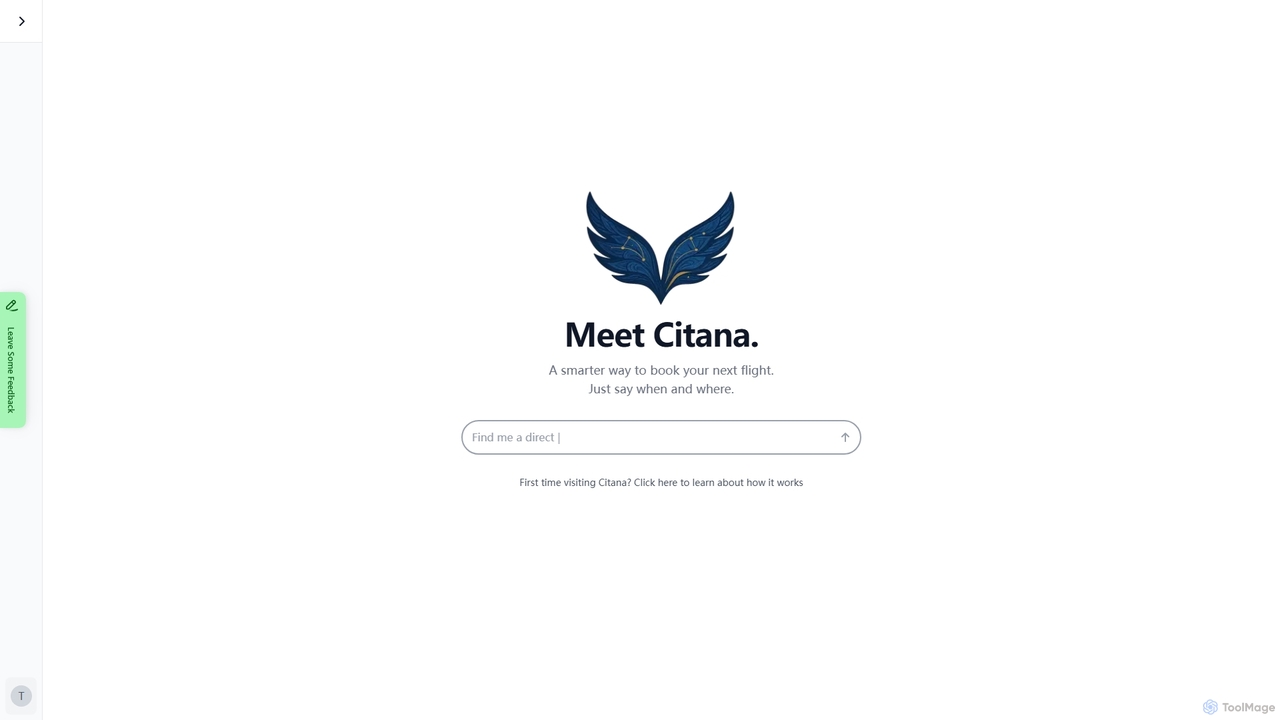
Citana Travel is an AI-powered conversational travel advisor designed to simplify flight booking. Users can interact by simply stating their travel needs, such as destination and dates, to find suitable flight options. Currently in private beta, it offers a smarter way to plan your next journey.

Conversational Ai
Visits 5.6KFavorites 143Likes 121
Flyo
Freemium

Flyo

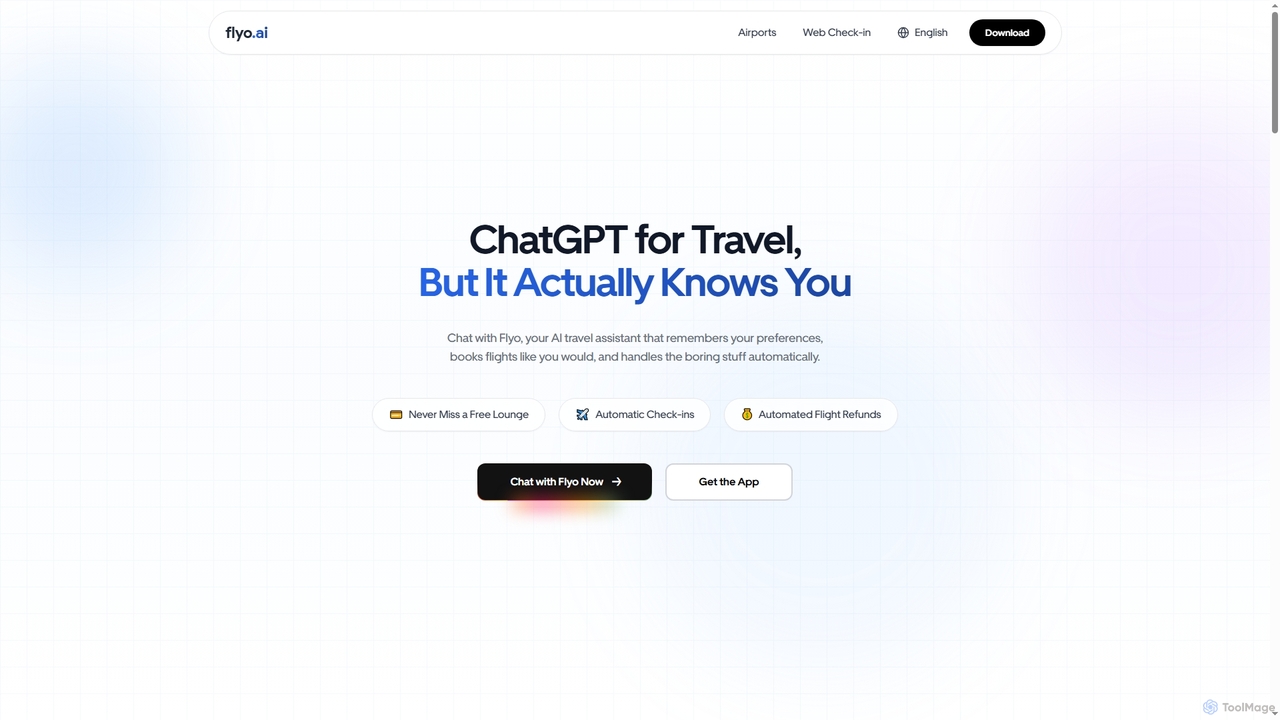
Flyo is an AI-powered travel assistant designed to automate the tedious aspects of travel, allowing users to focus on their journey. It offers features like natural language booking, automatic flight check-ins, real-time flight alerts, and personalized travel recommendations based on past preferences and history. Available on iOS and Android, Flyo aims to make travel stress-free and efficient.

Travel
Visits 23.1KFavorites 169Likes 167
Flighty
Freemium

Flighty

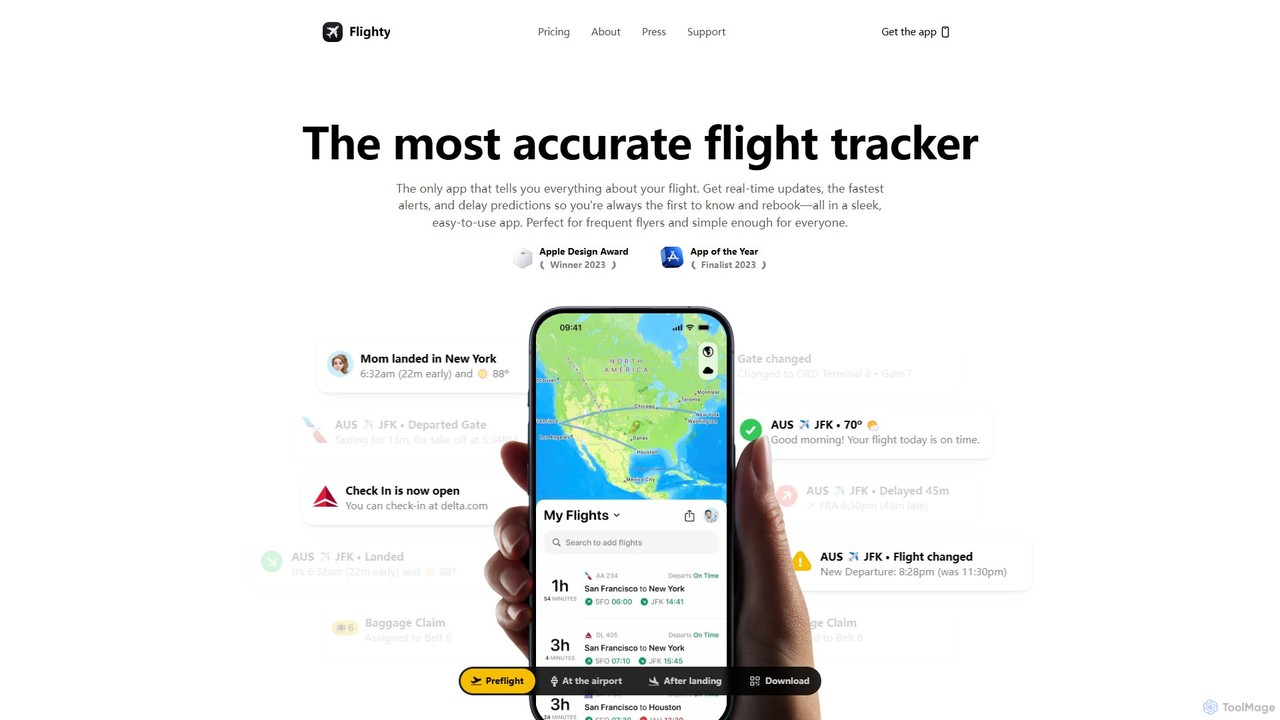
A powerful flight tracking app for iOS that provides real-time updates, the fastest alerts, and AI-powered delay predictions. It tracks inbound aircraft and ATC mandates to notify you of changes before the airline does, offering pilot-grade data in a beautifully designed, user-friendly interface.

Travel
Visits 295.2KFavorites 159Likes 152
travelandz
Freemium

travelandz

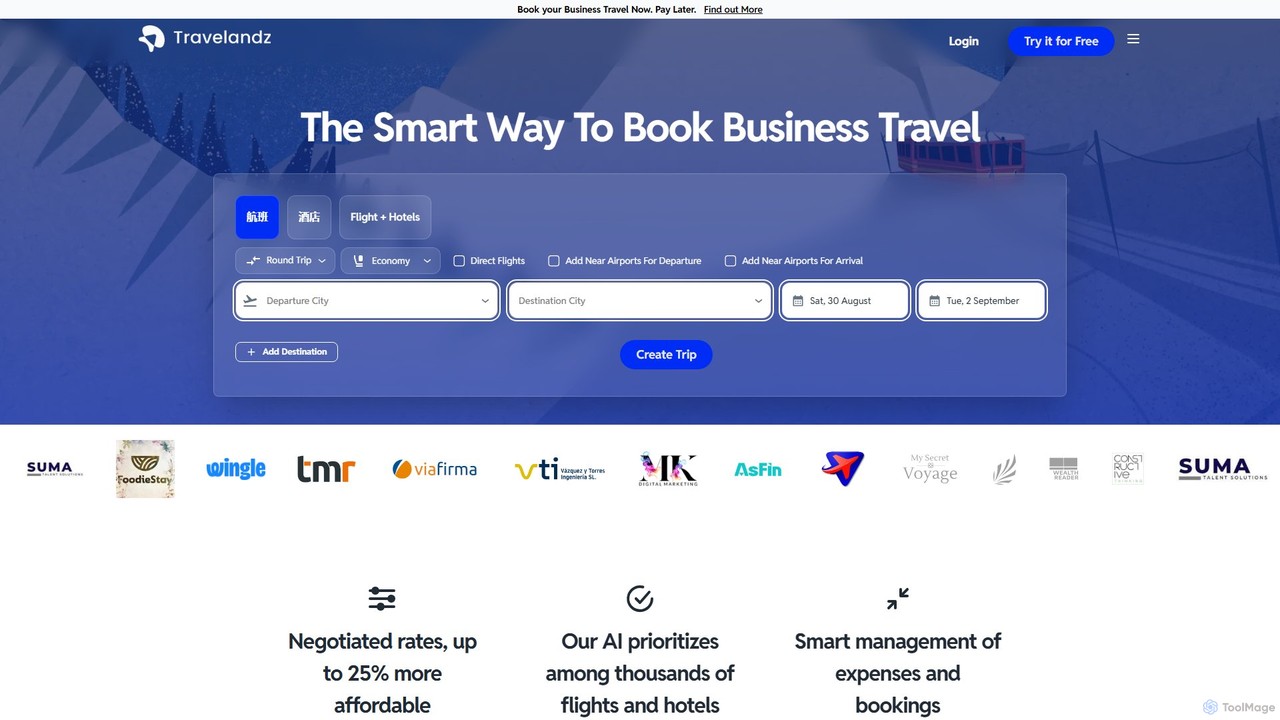
Travelandz is an AI-powered business travel management platform designed to simplify and optimize corporate travel. It offers intelligent flight and hotel booking, automated expense management, and customizable travel policies. By leveraging AI, Travelandz provides hyper-personalized itineraries, exclusive rates, and a centralized dashboard for seamless booking, tracking, and financial control, catering to both growing companies and travel agencies.

Corporate Travel
Visits 6.2KFavorites 126Likes 138

About Travel Planning

AI Travel Planning tools are applications that leverage artificial intelligence to create personalized, optimized, and comprehensive travel itineraries. These tools analyze user preferences, budget, travel dates, and interests to automatically generate detailed daily schedules, including routes, attractions, and dining suggestions. Their primary value lies in simplifying the complex process of trip planning, saving users hours of research while uncovering unique experiences tailored to their tastes. They effectively act as intelligent assistants for crafting seamless and memorable journeys.

Core Features

  • Personalized Itinerary Generation: Creates custom daily plans based on individual interests, travel pace, and budget constraints.
  • Route Optimization: Calculates the most efficient travel routes between locations, considering transport methods and timing.
  • Real-time Data Integration: Incorporates live information such as flight availability, hotel pricing, and weather forecasts into planning.
  • Budget Management: Tracks estimated expenses for flights, accommodation, and activities to help users stay within their budget.
  • Collaborative Planning: Allows multiple users to contribute to and edit a shared travel plan, ideal for group trips.

Use Cases

These tools are ideal for a wide range of travelers, from solo adventurers planning complex multi-city trips to families seeking kid-friendly activities. Travel agents also use them to quickly draft initial itineraries for clients. They are particularly useful for planning trips to unfamiliar destinations where local knowledge is limited, helping to build a structured yet flexible schedule.

How to Choose

When selecting an AI Travel Planning tool, consider the depth of personalization options and the range of destinations covered. Evaluate its integration capabilities with booking platforms for flights and hotels. Also, assess the user interface for ease of use and the availability of a mobile app with offline access, which is crucial for on-the-go adjustments during your trip.

Travel Planning use cases

1

Planning a Multi-City European Backpacking Trip

A solo backpacker wants to visit 5 European cities in 3 weeks on a tight budget. They input their destination cities, total budget, and interests like 'history museums' and 'street art'. The AI tool generates an optimized travel route, suggesting trains over flights to save money. It creates a day-by-day itinerary for each city, grouping nearby attractions to minimize travel time. The tool also recommends highly-rated hostels and free walking tours, providing booking links and estimated daily costs to ensure the trip stays within budget.

2

Organizing a Family Vacation with Diverse Interests

A family of four, with two young children, is planning a 10-day trip. The parents are interested in architecture, while the kids want theme parks and beaches. Using an AI planner, they input everyone's preferences and specify a 'family-friendly' pace. The AI constructs a balanced itinerary that alternates between adult-oriented activities like visiting a historic district in the morning and kid-focused fun like an afternoon at the beach. It also suggests family-friendly restaurants with specific menu options for children and calculates travel times between locations to avoid long, tiring journeys.

3

Streamlining a Complex Business Trip Itinerary

A consultant needs to attend meetings in three different cities over five days. They input their fixed meeting times and locations into an AI travel planner. The tool automatically finds the most logical flight sequence, books hotels close to the meeting venues to save commute time, and suggests rental car or ride-sharing options at each airport. It also fills the downtime in their schedule with recommendations for business-friendly restaurants for client dinners and identifies nearby coffee shops with Wi-Fi for working between appointments, creating a highly efficient and productive travel plan.

4

Discovering Hidden Gems for a Food-Focused Trip

A couple passionate about culinary travel wants to explore a region known for its food. They use an AI planner and specify their interests as 'local markets', 'cooking classes', and 'Michelin-starred restaurants'. The AI scours blogs, reviews, and local guides to create a gastronomic tour. The itinerary includes reservations at acclaimed restaurants, directions to bustling morning markets, and booking information for a hands-on pasta-making class. It even suggests specific local dishes to try in each town, creating a deeply immersive and delicious travel experience beyond typical tourist spots.

5

Crafting a Spontaneous Weekend Getaway

A user decides on a Thursday they want to go on a weekend trip, but has no destination in mind. They input their home airport, a budget of $500, and preferences for 'hiking' and 'craft breweries'. The AI travel planner scans for last-minute flight and hotel deals to destinations that match the criteria. It presents three distinct options: a mountain town, a coastal city, and a vibrant smaller city. For the chosen option, it instantly generates a 3-day itinerary complete with trail maps, a list of top-rated breweries, and public transport information, turning a vague idea into a fully planned trip in minutes.

6

Coordinating a Group Trip with a Shared Budget

A group of friends is planning a ski trip. Using a collaborative AI planner, the trip organizer invites everyone to the plan. Members can vote on accommodation options and suggest activities. The tool automatically finds lodging that can accommodate the entire group. A key feature is the shared budget tracker: as flights and lift passes are booked, individuals log their expenses. The AI calculates who owes whom in real-time, simplifying the often-complicated process of splitting costs and ensuring financial transparency for the entire group throughout the planning phase.

Travel Planning FAQ

What are AI Travel Planning tools?

AI Travel Planning tools are intelligent software applications designed to automate and personalize the process of creating a travel itinerary. Unlike traditional search engines or booking sites, they use artificial intelligence to understand your unique preferences, such as interests, budget, and travel pace. Based on this input, they generate a cohesive, day-by-day plan that includes optimized routes, activity suggestions, and booking recommendations, saving you significant time and effort in research.

How do I choose the right AI travel planner?

To choose the right AI travel planner, consider these factors:

  • Personalization Depth: Does the tool allow you to specify detailed interests (e.g., 'modern art' vs. just 'museums') and travel styles (e.g., 'relaxed' vs. 'fast-paced')?
  • Destination Coverage: Ensure it has comprehensive data for your intended destination, especially for less common locations.
  • Integration: Check if it integrates with or provides easy links to booking platforms for flights, hotels, and activities.
  • User Interface and Mobile App: The tool should be intuitive to use. A reliable mobile app with offline access is essential for using the itinerary on the go.
What's the difference between an AI travel planner and Google Maps?

The primary difference is their purpose. Google Maps is a navigation and search tool, excellent for finding directions from point A to point B and discovering nearby places. An AI travel planner is a comprehensive itinerary-building tool. It doesn't just show you how to get somewhere; it helps you decide where to go, in what order, and for how long, based on your interests and constraints. It pieces together multiple destinations, activities, and transport links into a logical, time-managed schedule, which is a task Google Maps is not designed for.

Can AI travel planners book flights and hotels directly?

This varies by tool. Some advanced AI travel planners have direct integration with booking systems and can facilitate the booking process within the app. However, many function as powerful recommendation engines. They find the best options for flights, hotels, and activities based on your itinerary and then provide deep links that take you directly to the booking page on the airline's or hotel's website. Their primary value is in the intelligent discovery and planning phase, rather than acting solely as a booking agent.

Who are AI Travel Planning tools best for?

AI travel planners are beneficial for a wide range of users. They are particularly useful for:

  • Busy Individuals: People who lack the time to spend hours researching destinations, flights, and hotels.
  • Inexperienced Travelers: Those who feel overwhelmed by the complexity of planning a trip and want a structured starting point.
  • Complex Itineraries: Anyone planning multi-city, multi-country, or long-duration trips where logistics can become complicated.
  • Group Coordinators: Organizers of trips for friends or family who need tools for collaboration and shared expense tracking.
  • Spontaneous Travelers: Users looking for data-driven suggestions for last-minute getaways based on their budget and interests.