Productivity Best in category 3 results Voice Generation AI Tool

Popular AI tools in the Voice Generation field of Productivity include TTSMaker、OpenAI.fm、text-speech.net, etc., helping you quickly improve efficiency.

TTSMaker

TTSMaker

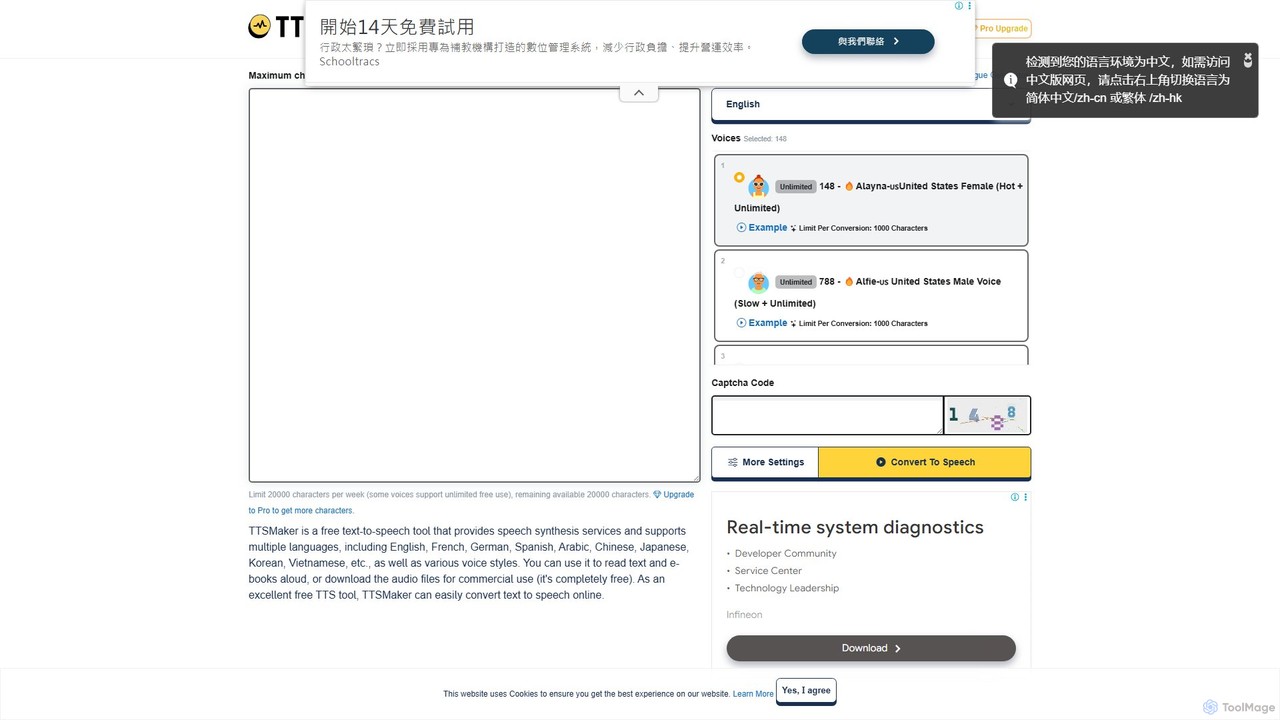
TTSMaker is a powerful, free online text-to-speech tool that converts text into natural-sounding audio. It supports over 100 …

1.5M
Free
text-speech.net

text-speech.net

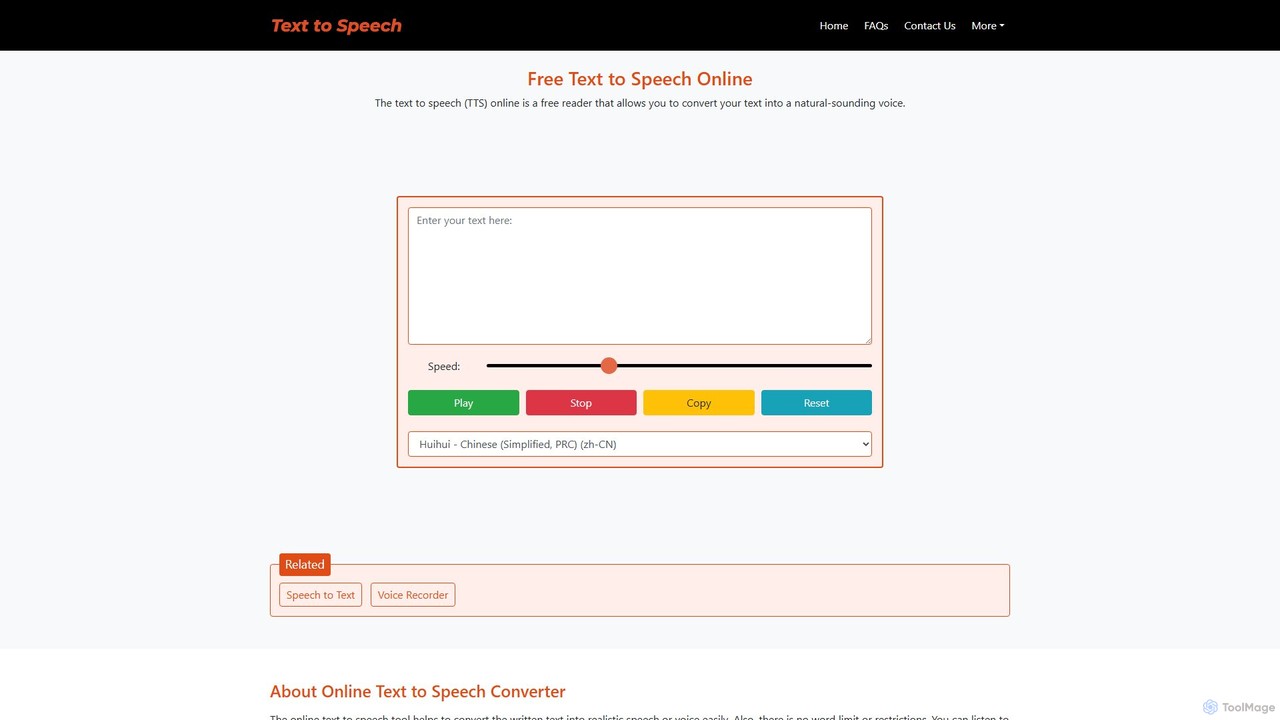
A versatile and free online tool that provides both Text-to-Speech (TTS) and Speech-to-Text (STT) functionalities. Instantly convert written …

4.3K
OpenAI.fm

OpenAI.fm

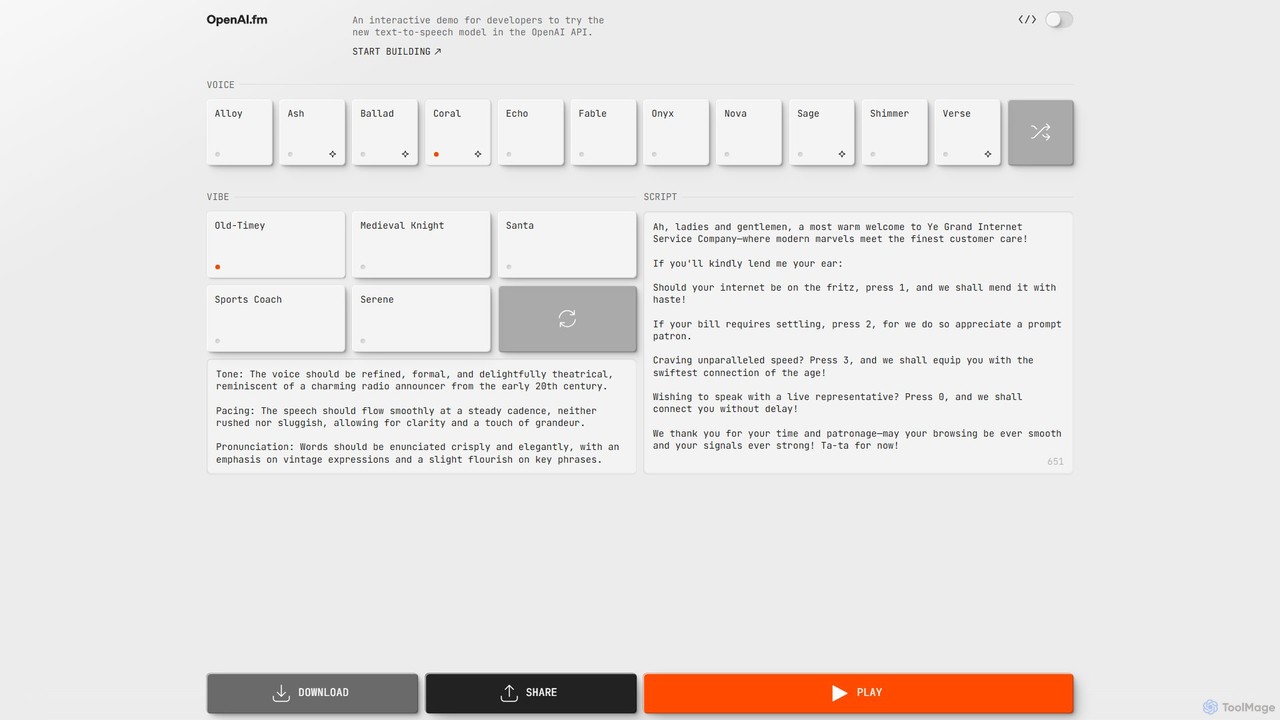
OpenAI.fm is an interactive web-based demo showcasing OpenAI's powerful text-to-speech (TTS) API. It allows developers and creators to …

330.7K

About Voice Generation

Voice Generation tools are AI-powered applications that synthesize human-like speech from written text. Leveraging advanced Text-to-Speech (TTS) technology and deep neural networks, these tools convert digital text into natural-sounding audio. They offer significant value by automating narration, enhancing accessibility, and streamlining content production across various media. This technology enables creators and businesses to produce high-quality audio content efficiently and at scale, contributing to overall productivity.

Core Features

  • Realistic Voice Synthesis: Generates highly natural and expressive voices that mimic human speech patterns and intonation.
  • Multi-language & Accent Support: Offers a wide range of languages, dialects, and regional accents for global content reach.
  • Emotional Tones & Styles: Allows users to infuse generated voices with various emotions like joy, sadness, or professional tones.
  • Custom Voice Cloning: Some advanced tools can create a unique AI voice based on a small audio sample of a real person.
  • SSML Integration: Supports Speech Synthesis Markup Language for fine-grained control over pronunciation, pauses, and emphasis.

Use Cases

Voice Generation tools are indispensable for content creators, educators, and businesses aiming to produce audio content efficiently. They are widely used for creating voiceovers for YouTube videos, narrating e-learning modules, developing accessible audio versions of articles, and powering interactive voice response (IVR) systems for customer service. Their ability to quickly convert text to speech saves significant time and resources compared to traditional voice acting, boosting productivity in content workflows.

How to Choose

When selecting a Voice Generation tool, consider the quality and naturalness of the generated voices, the breadth of supported languages and accents, and the availability of emotional tones. Evaluate customization options like voice cloning and SSML support for fine-tuning output. Also, assess integration capabilities with existing workflows, pricing models, and the ease of use of the platform to ensure it meets your specific project requirements and budget.

Voice GenerationUse Cases

1

Generate Voiceovers for Video Content

Content creators, such as YouTubers or marketers, can use Voice Generation tools to quickly produce professional-sounding voiceovers for their videos. Instead of hiring voice actors or recording themselves, they can input scripts and generate narration in various voices and languages. This significantly reduces production time and costs, allowing for more frequent content uploads and broader audience reach, enhancing overall content creation productivity.

2

Create Narration for E-learning Modules

Educators and corporate trainers can leverage Voice Generation tools to develop engaging narration for online courses, tutorials, and training materials. By converting text-based lessons into clear, consistent audio, they can cater to different learning styles and improve accessibility for students with visual impairments or reading difficulties. This automation streamlines the course development process, allowing for rapid updates and localization into multiple languages without re-recording.

3

Develop Accessible Audio Content for Websites

Webmasters and content publishers can enhance website accessibility by converting articles, blog posts, and other textual content into audio formats using Voice Generation tools. This allows visually impaired users or those who prefer listening to consume information more easily. Providing an audio option expands audience reach and improves user experience, demonstrating a commitment to inclusivity and potentially boosting SEO by offering diverse content formats.

4

Automate Customer Service IVR Systems

Businesses can utilize Voice Generation tools to create natural-sounding voices for Interactive Voice Response (IVR) systems and chatbots. This allows for a more consistent and professional customer experience compared to robotic or generic synthesized voices. By quickly generating responses for common queries, companies can reduce call center load, provide 24/7 support, and offer personalized interactions, significantly improving operational efficiency and customer satisfaction.

5

Produce Audiobooks and Long-Form Narrations

Authors, publishers, and content creators can efficiently convert written books, articles, and reports into audiobooks or narrated versions using Voice Generation tools. This process is significantly faster and more cost-effective than traditional human narration, allowing for quicker market entry and broader distribution. The ability to select from diverse voices and languages also helps in reaching a global audience with high-quality, consistent audio content.

6

Create Voice Prompts for Games and Apps

Game developers and application designers can use Voice Generation tools to create dynamic and localized voice prompts, character dialogues, and instructional audio for their products. This allows for rapid prototyping of audio elements and easy updates or expansions without needing to re-record. The flexibility to generate voices in multiple languages and emotional tones enhances user engagement and provides a more immersive experience for a global user base.

Voice GenerationFrequently Asked Questions