Productivity Best in category 1 results Web Scraping AI Tool

Popular AI tools in the Web Scraping field of Productivity include Airtop, etc., helping you quickly improve efficiency.

Airtop

Airtop

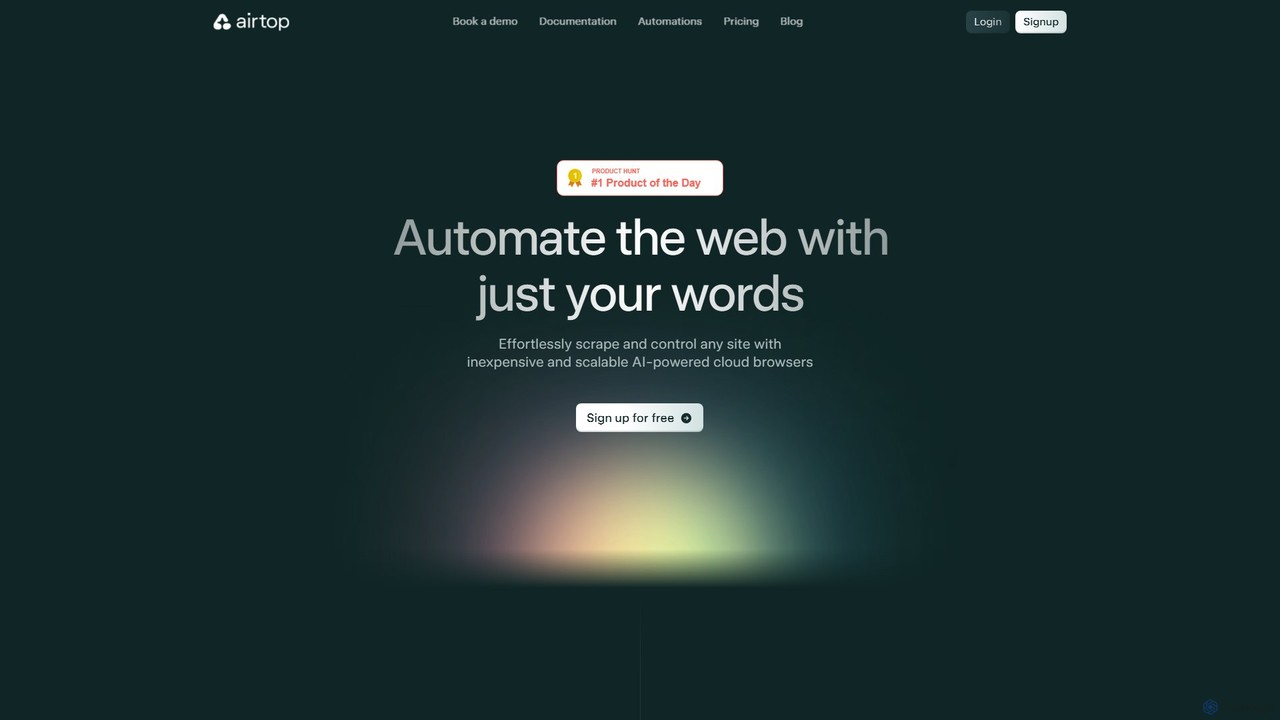
Airtop is a browser automation platform designed for AI agents. It allows developers to control and scrape any …

36.5K

About Web Scraping

Web Scraping tools are a category of AI-powered solutions designed to automatically extract structured and unstructured data from websites. These tools leverage advanced algorithms, often including AI and machine learning, to navigate web pages, parse HTML content, and identify specific data points. They enable users to efficiently collect vast amounts of information for analysis, research, and business intelligence, significantly enhancing data acquisition processes within the broader productivity landscape.

Core Features

  • Automated Data Extraction: Programmatically collects data from specified web pages or entire websites.
  • Dynamic Content Handling: Manages JavaScript-rendered content, AJAX calls, and infinite scrolling pages.
  • Anti-Scraping Bypass: Employs techniques to circumvent CAPTCHAs, IP blocking, and other anti-bot measures.
  • Data Structuring & Export: Organizes extracted data into structured formats like CSV, JSON, or databases.
  • Scheduler & Monitoring: Allows scheduling of scraping tasks and monitors website changes for data updates.

Use Cases

Web scraping tools are essential for businesses and researchers needing large datasets. They are used by market analysts to gather competitor pricing, by e-commerce platforms for product catalog aggregation, and by academic institutions for collecting public research data. These tools streamline the process of turning raw web content into actionable intelligence.

How to Choose

When selecting a web scraping tool, consider its ability to handle dynamic content, its anti-blocking capabilities, and the ease of data structuring and export. Evaluate the tool's scalability for large-volume scraping, its integration options with existing data pipelines, and the level of technical expertise required for setup and maintenance.

Web ScrapingUse Cases

1

Competitor Price Monitoring

E-commerce businesses use web scraping tools to regularly collect pricing data from competitor websites. This allows them to analyze market trends, adjust their own pricing strategies dynamically, and ensure competitive positioning without manual data collection, saving significant time and resources.

2

Market Research & Trend Analysis

Market researchers deploy web scraping to gather public sentiment, product reviews, and news articles from various online sources. This data is then analyzed to identify emerging market trends, consumer preferences, and competitive landscapes, providing valuable insights for strategic decision-making and product development.

3

Lead Generation for Sales Teams

Sales and marketing teams utilize web scraping to extract contact information, company details, and industry-specific data from professional directories and public company websites. This automates the process of building targeted lead lists, enabling sales representatives to focus on outreach rather than manual data compilation.

4

Content Aggregation for News Portals

News aggregators and content platforms employ web scraping to automatically collect articles, headlines, and multimedia content from various news sources. This ensures their platforms are constantly updated with fresh content, providing users with a comprehensive and timely overview of current events from diverse perspectives.

5

Real Estate Market Analysis

Real estate professionals and investors use web scraping to gather property listings, rental prices, and historical sales data from multiple real estate portals. This enables them to perform in-depth market analysis, identify investment opportunities, and track property value fluctuations more efficiently than manual data collection.

6

Academic Research Data Collection

Academics and researchers leverage web scraping to collect publicly available data for studies in social sciences, linguistics, and data science. This includes gathering forum discussions, social media posts, or specific textual content from websites, facilitating large-scale data analysis for scholarly publications and projects.

Web ScrapingFrequently Asked Questions