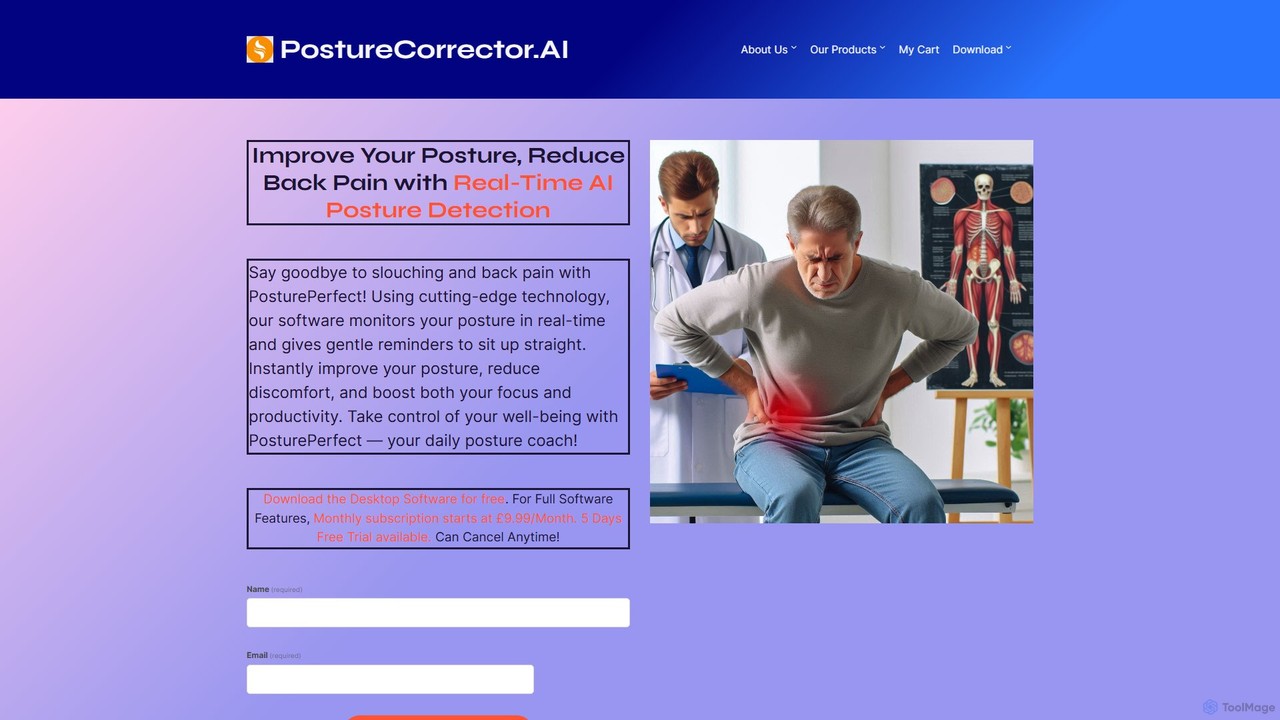
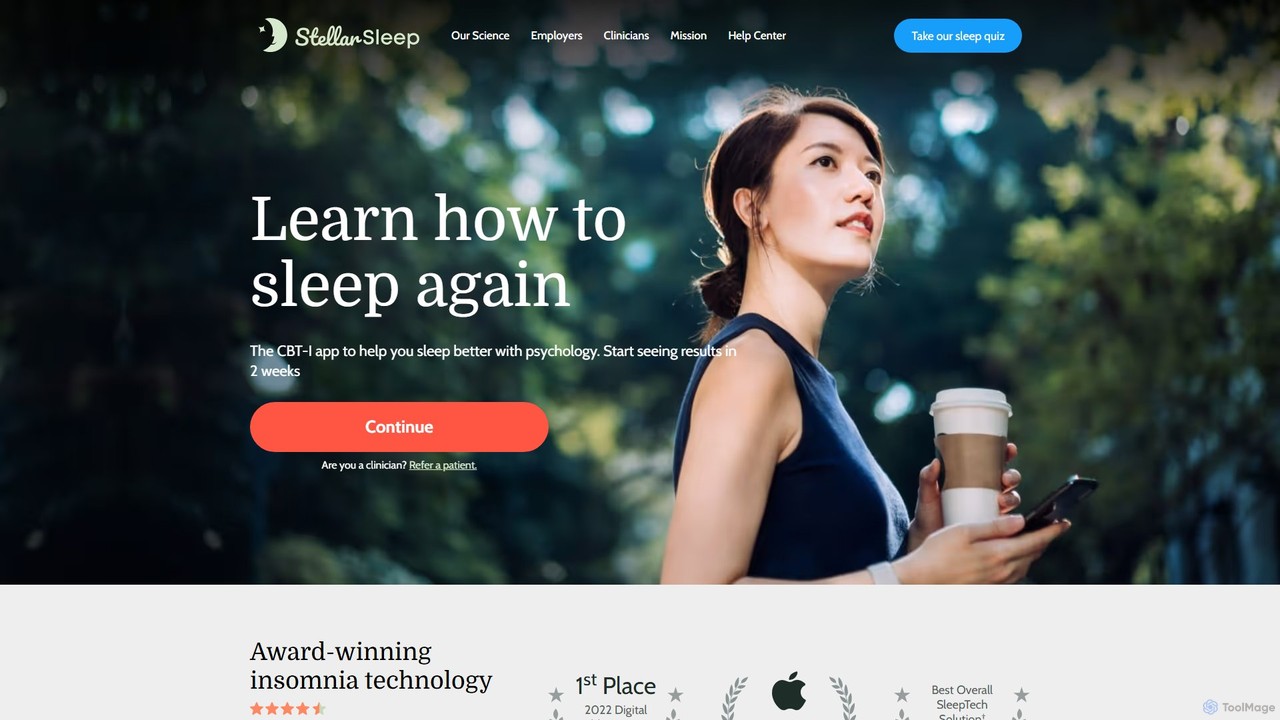
Wellness AI tools are a specialized category of artificial intelligence applications designed to support and enhance an individual's physical, mental, and emotional well-being. Leveraging advanced algorithms, machine learning, and natural language processing, these tools offer personalized insights, guidance, and interventions to help users achieve their health goals. Within the broader context of productivity, Wellness AI tools contribute by optimizing personal health, which in turn boosts focus, energy, and overall performance. They provide data-driven recommendations for areas like sleep, nutrition, fitness, and stress management, empowering users to proactively manage their health.
Core Features
- Personalized Health Tracking: Monitors various health metrics (e.g., sleep patterns, activity levels, mood) and provides tailored feedback.
- AI-Powered Coaching & Guidance: Offers virtual coaching for fitness, mindfulness, or habit formation, adapting to user progress.
- Stress & Mental Well-being Support: Provides guided meditations, journaling prompts, and cognitive behavioral techniques to manage stress and improve mood.
- Nutrition & Meal Planning: Generates customized meal plans and dietary recommendations based on individual health goals and preferences.
- Sleep Optimization: Analyzes sleep data and suggests personalized strategies to improve sleep quality and duration.
Use Cases
Individuals seeking to improve their overall health can utilize Wellness AI tools for personalized fitness routines, mental health support, and dietary planning. For example, a busy professional might use an AI sleep tracker to optimize their rest, ensuring they wake up refreshed and ready for a productive day. Similarly, someone aiming for better nutrition can leverage AI meal planners to create balanced diets tailored to their specific needs and restrictions.
How to Choose
When selecting Wellness AI tools, consider the breadth of features offered, such as tracking capabilities, coaching styles, and integration with other health devices. Evaluate the level of personalization and adaptability to your unique health journey. User interface and ease of use are crucial for consistent engagement. Finally, assess data privacy policies and the scientific backing of the recommendations, ensuring the tool aligns with your personal values and health goals.