Productivity Best in category 1 results Work Management AI Tool

Popular AI tools in the Work Management field of Productivity include VenEx AI, etc., helping you quickly improve efficiency.

VenEx AI

VenEx AI

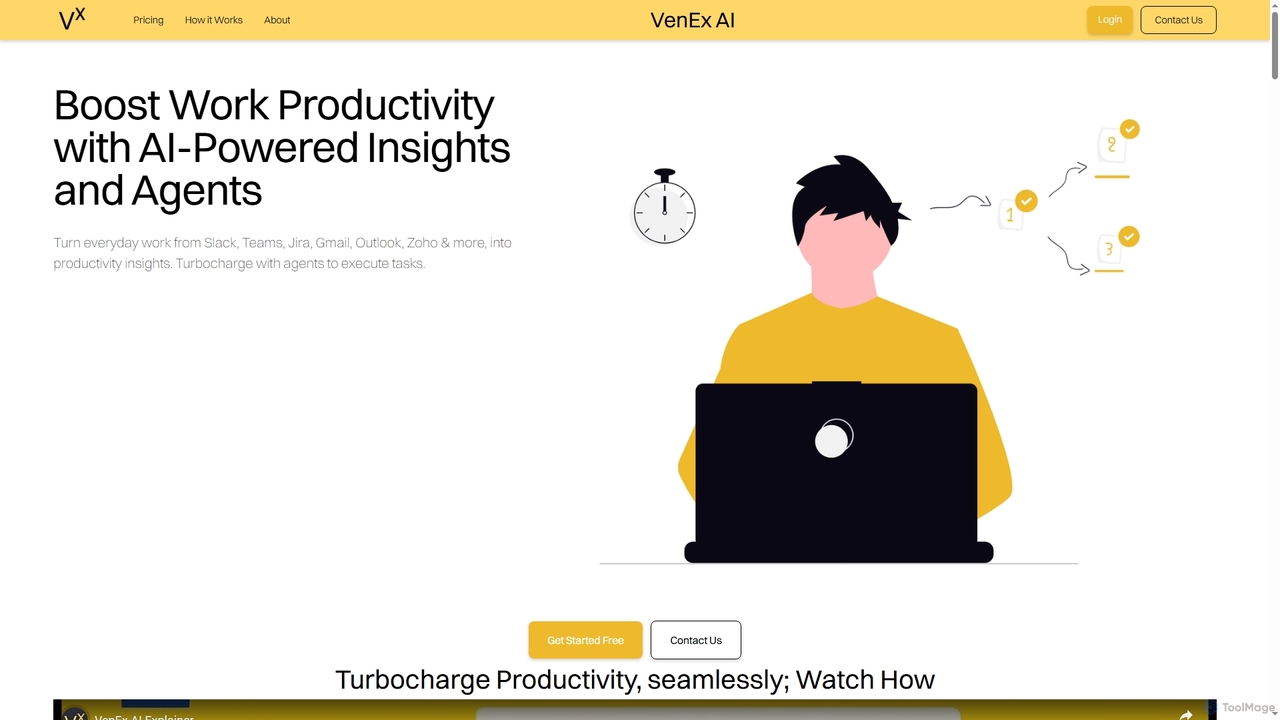
VenEx AI is an advanced AI-powered platform designed to significantly boost workplace productivity and performance. It integrates seamlessly …

2.9K

About Work Management

Work Management tools are platforms designed to help teams organize, track, and execute projects and tasks collaboratively. Infused with AI, these tools automate routine scheduling, predict project timelines, identify potential bottlenecks, and provide intelligent insights from project data. They streamline complex workflows, enhance team collaboration, and offer data-driven visibility into progress, moving beyond simple task lists to become comprehensive project command centers. This intelligent layer helps teams make proactive decisions and optimize resource allocation effectively.

Core Features

  • Intelligent Task Automation: Automatically creates and assigns tasks from communications like emails or meeting notes, and sets priorities based on project goals.
  • Predictive Analytics: Uses historical data to forecast project completion dates, identify at-risk tasks, and suggest resource adjustments to stay on track.
  • Automated Progress Reporting: Generates real-time summaries and dashboards on project status, team performance, and milestone achievement without manual input.
  • Smart Resource Allocation: Recommends the best team member for a task based on their skills, availability, and current workload to ensure balanced distribution.
  • AI-Powered Risk Detection: Proactively scans project data to identify potential risks, dependencies, or conflicts before they impact the timeline.

Use Cases

These tools are widely used by project managers, software development teams, marketing agencies, and remote organizations. They are ideal for managing agile software sprints, coordinating multi-channel marketing campaigns, overseeing complex client projects, and ensuring alignment across distributed teams.

How to Choose

When selecting a Work Management tool, consider its integration capabilities with your existing software stack (e.g., Slack, GitHub, Google Workspace). Evaluate the depth and practicality of its AI features—whether you need simple automation or advanced predictive analytics. Assess its scalability to support your team's growth and the intuitiveness of its user interface to ensure high adoption rates.

Work ManagementUse Cases

1

Automate Agile Sprint Planning

A product manager for a software team uses an AI work management tool to streamline sprint planning. Instead of manually sorting through the backlog, the AI analyzes each user story, estimates effort based on historical data from similar tasks, and suggests priorities aligned with quarterly goals. It then proposes a draft sprint plan, assigning tasks to developers based on their current workload and specific skill sets. This reduces planning meeting times by up to 50% and ensures a more balanced and realistic sprint commitment.

2

Coordinate Multi-Channel Marketing Campaigns

A marketing team at a B2B company coordinates a product launch campaign. The AI work management tool automatically creates a project timeline with dependencies. For example, completing the 'Finalize Key Messaging' task automatically triggers the creation of tasks for 'Write Blog Post,' 'Design Social Media Graphics,' and 'Draft Email Newsletter.' The AI also monitors campaign performance by integrating with analytics platforms, flagging underperforming channels in real-time and suggesting resource reallocation to maximize impact.

3

Streamline Client Project Delivery for Agencies

An account manager at a creative agency uses the tool to manage five client projects simultaneously. The AI provides a unified dashboard showing the health of all projects. It proactively flags tasks that are falling behind schedule and identifies resource conflicts, such as a designer being overbooked across two projects. The system can also automatically generate weekly client-facing status reports by summarizing completed tasks, upcoming milestones, and current project status, saving the manager hours of manual reporting work each week.

4

Optimize Resource Allocation in a Consulting Firm

A resource manager at a large consulting firm needs to staff a new, complex project. Instead of manually reviewing spreadsheets of consultant availability and skills, they use an AI work management tool. The AI analyzes the project requirements and recommends an optimal team by matching them against a database of consultants' skills, experience levels, current utilization rates, and even past project performance feedback. This data-driven approach ensures the best team is assembled, balances workloads, and reduces staffing time from days to hours.

5

Enhance Remote Team Collaboration and Alignment

A fully remote company uses an AI work management tool as its central hub. After a video conference, the tool's AI integration automatically transcribes the meeting, identifies action items, and creates tasks assigned to the correct individuals with due dates. It also summarizes long discussion threads in project channels, highlighting key decisions and outstanding questions. This ensures that all team members, regardless of their time zone, stay informed and aligned on project progress without having to read through every single message or re-watch entire meetings.

6

Forecast and Mitigate Risks in Construction Projects

A project manager for a large-scale construction project uses an AI work management platform to monitor progress. The system integrates data from various sources, including supplier delivery schedules, daily on-site progress reports, and weather forecasts. The AI analyzes this combined data to predict potential delays, such as a late materials shipment coinciding with a week of forecasted rain. This early warning allows the manager to proactively reschedule tasks, arrange for alternative suppliers, or adjust the project timeline, mitigating risks before they escalate into costly problems.

Work ManagementFrequently Asked Questions