Research Best in category 5 results Ai Models AI Tool

Popular AI tools in the Ai Models field of Research include Sesame、LAION、Duckietown、Zuvu、Segment Anything, etc., helping you quickly improve efficiency.

Zuvu

Zuvu

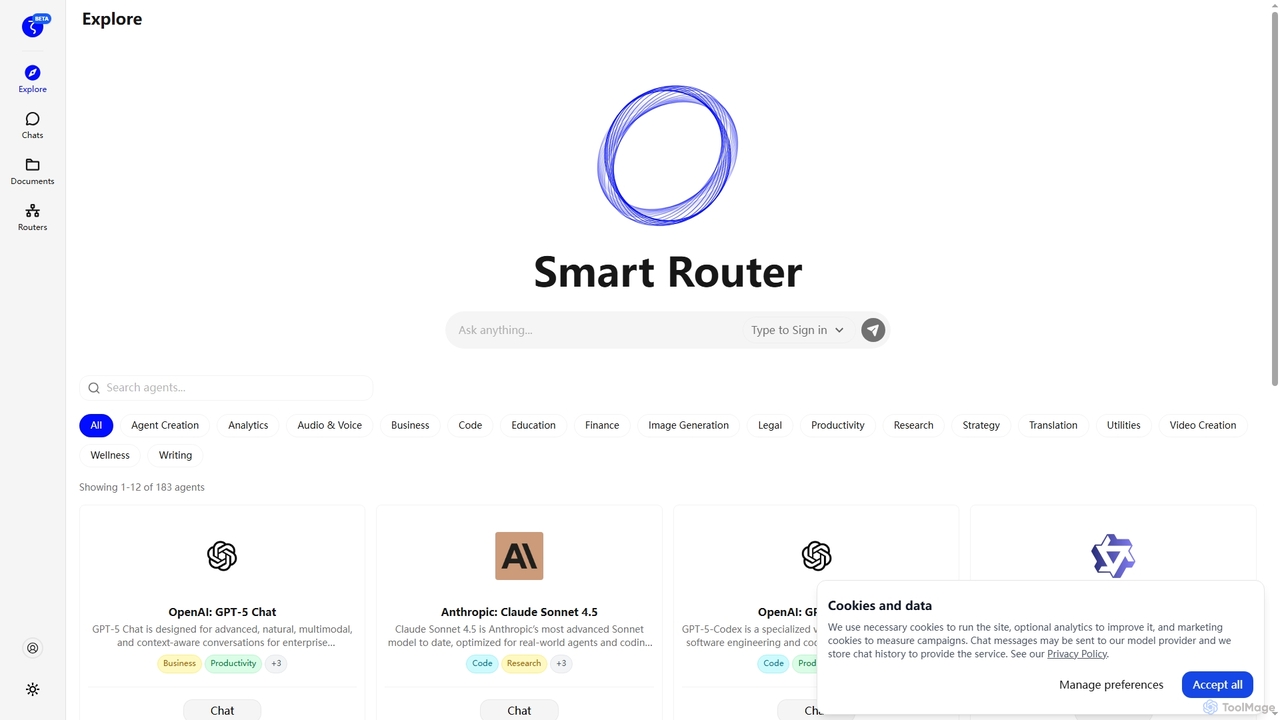
Zuvu is a next-generation AI agents platform that acts as a Smart Router, providing access to a diverse …

16.4K
Free
Segment Anything

Segment Anything

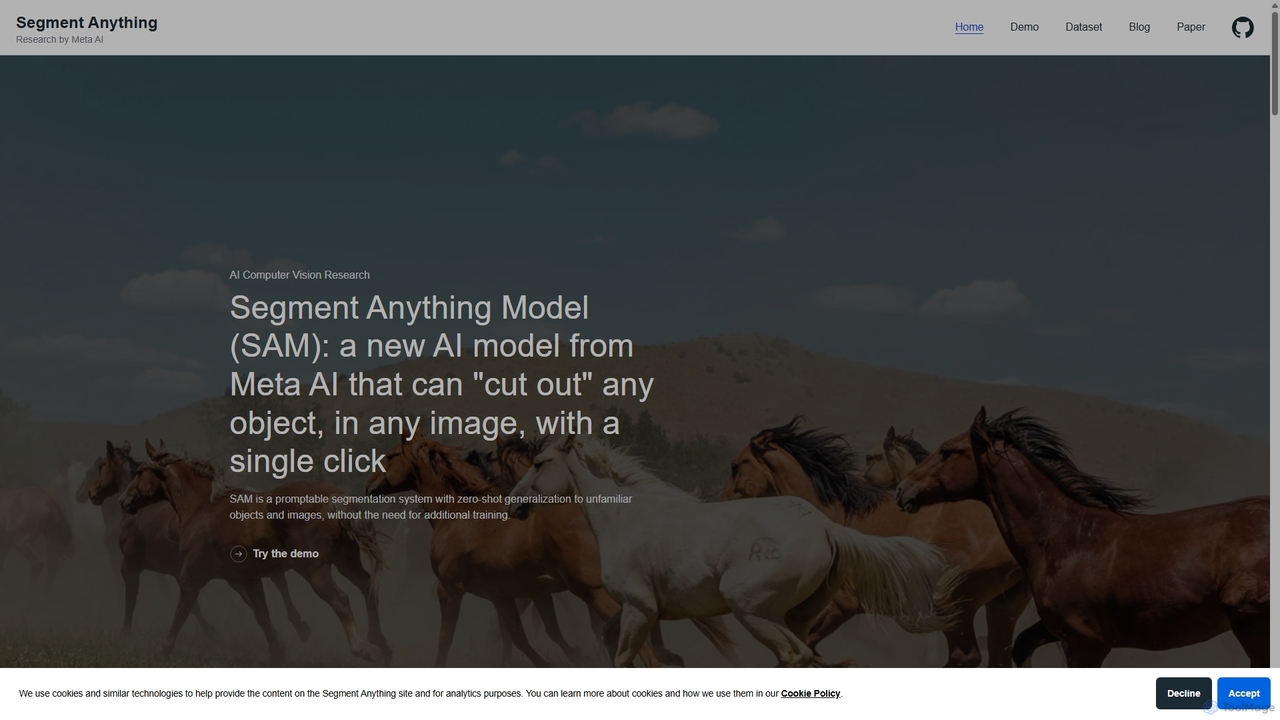
Segment Anything (SAM) is a groundbreaking AI model from Meta AI for image segmentation. It can identify and …

2.8K
Sesame

Sesame

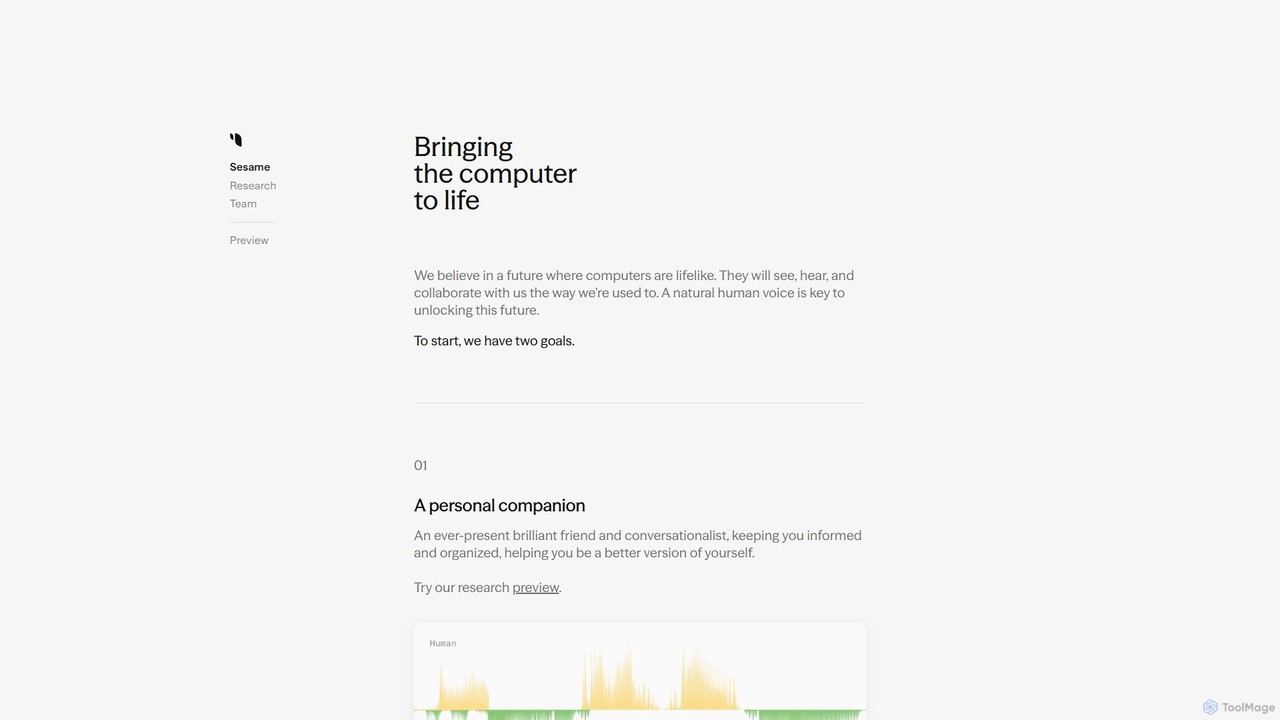
Sesame is developing a lifelike AI personal companion designed to interact through natural, emotionally intelligent conversation. By focusing …

1.1M
Duckietown

Duckietown

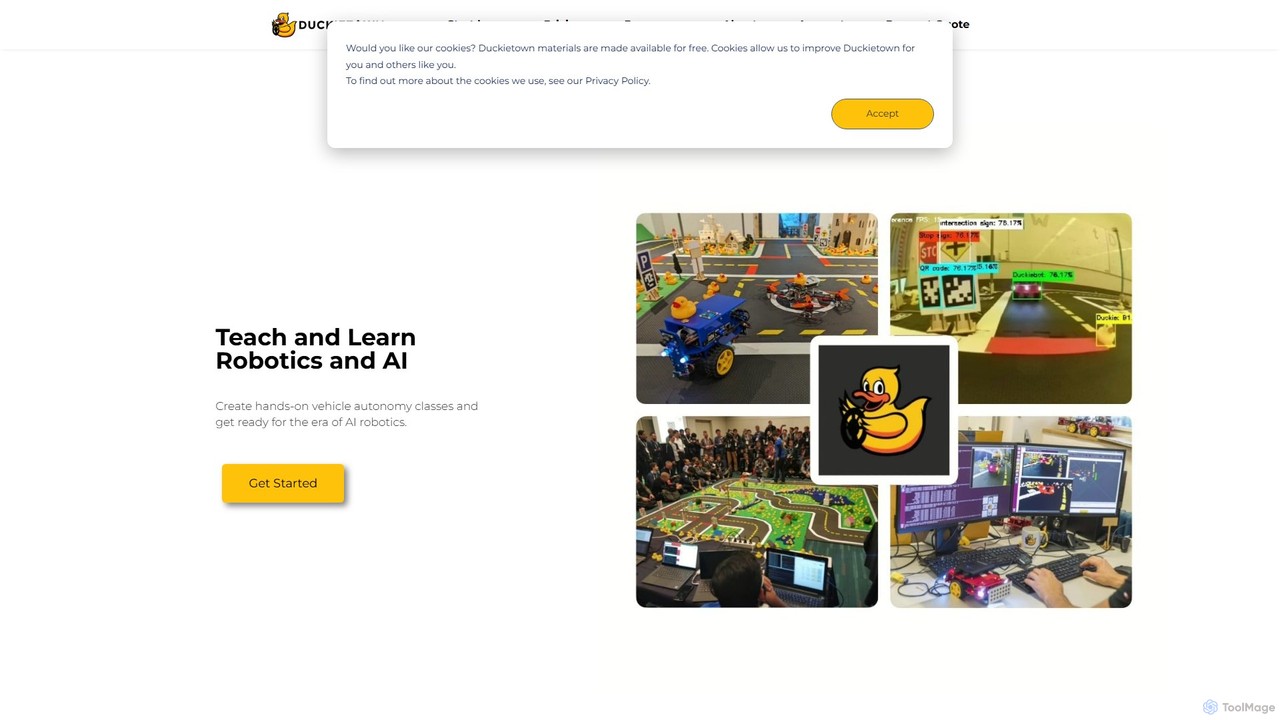
Duckietown is a hands-on educational platform for learning and teaching robotics and AI, originating from MIT. It provides …

27.2K
Free
LAION

LAION

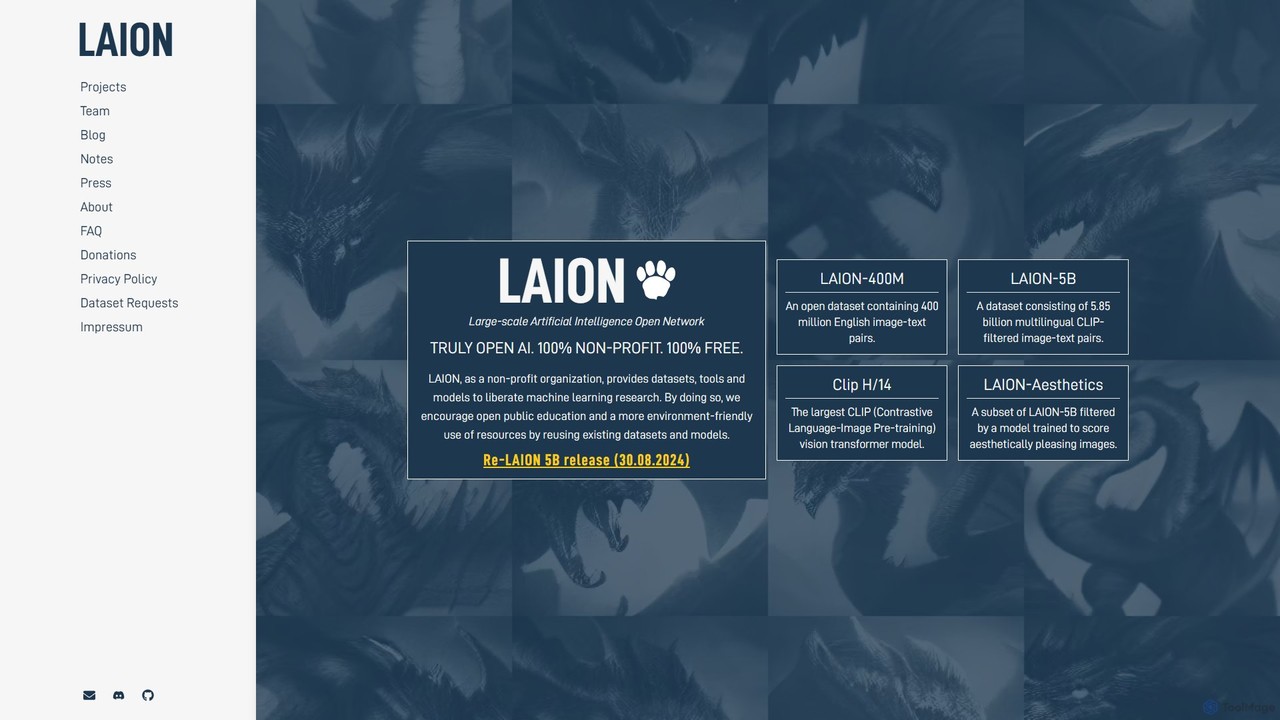
LAION (Large-scale Artificial Intelligence Open Network) is a non-profit organization dedicated to democratizing AI research. It provides massive, …

35.7K

About Ai Models

AI Models are pre-trained computational systems that serve as the core engine for artificial intelligence applications. These models are the result of extensive training on vast datasets, enabling them to recognize patterns, generate content, and make predictions for tasks like language understanding or image creation. Their primary value lies in providing developers and researchers with ready-to-use intelligence, significantly reducing the time and resources needed to build AI-powered features from scratch. By accessing these models, users can integrate advanced capabilities directly into their products and workflows.

Core Features

  • API Access: Provides a standardized interface for developers to integrate model capabilities into applications without managing infrastructure.
  • Model Discovery: Offers searchable catalogs and leaderboards to find models based on task, performance, and size.
  • Fine-Tuning Environments: Allows users to adapt pre-trained models to specific domains using their own data for improved accuracy.
  • Performance Benchmarks: Delivers standardized metrics on speed, accuracy, and resource consumption to aid in model selection.
  • Model Versioning: Manages different iterations of a model, ensuring reproducibility and tracking improvements over time.

Use Cases

AI Models are foundational for developers building new software, researchers testing hypotheses, and businesses automating processes. For instance, a tech startup can use a language model API to power a chatbot, while a data scientist might benchmark several open-source models for a sentiment analysis project. Enterprises also leverage specialized models for tasks like fraud detection or supply chain optimization.

How to Choose

Selecting the right AI Model depends on several factors. First, define your specific task (e.g., text summarization, object detection). Second, evaluate the trade-off between performance and cost, as larger models are often more capable but more expensive to run. Also, consider the model's licensing—whether it's open-source for commercial use or proprietary. Finally, assess the quality of API documentation and ease of integration into your existing tech stack.

Ai ModelsUse Cases

1

Powering a Customer Service Chatbot

A software development team at an e-commerce company is tasked with building an intelligent customer service chatbot. Instead of spending months and significant capital on training a language model from the ground up, they use a platform to access a state-of-the-art Large Language Model (LLM) via an API. They integrate the API into their backend system, allowing them to handle complex user queries about order status, product details, and return policies. This approach accelerates their development timeline from over a year to just a few weeks, enabling a rapid launch of a highly capable AI assistant.

2

Generating Marketing Copy Variations

A marketing team needs to create dozens of ad copy variations for a new campaign across multiple platforms. Manually writing each version is time-consuming and limits creativity. By integrating a text generation model's API into their content management system, they can input a core message and key product features. The model then generates a wide range of creative headlines, body texts, and calls-to-action. This allows the team to A/B test hundreds of variations efficiently, identify the most effective messaging, and optimize campaign performance without a proportional increase in workload.

3

Academic Research on AI Model Behavior

A university researcher is studying the ethical implications and biases of large language models. Accessing a repository of open-source AI models allows them to download and run controlled experiments on various architectures (e.g., Transformer, RNN). They can systematically test how different models respond to sensitive prompts, measure fairness metrics, and analyze their failure modes. This direct access to the models themselves, rather than just their API outputs, is crucial for deep, reproducible scientific inquiry and contributes to the broader academic understanding of AI safety and alignment.

4

Building a Content Moderation System

A social media platform needs to automatically detect and flag harmful content in real-time. Developing this capability in-house is complex and requires specialized expertise. Instead, they utilize a pre-trained text classification model specialized in toxicity detection. By sending user-generated comments and posts to the model's API, they receive a probability score indicating the likelihood of harmful content. This allows their moderation team to prioritize the most severe cases, significantly improving their response time and creating a safer online environment for their users with a fraction of the development effort.

5

Creating an AI-Powered Art Application

An independent developer wants to build a mobile app that allows users to generate unique images from text prompts. Training an image generation model from scratch would be computationally prohibitive. By integrating an API for a diffusion model like Stable Diffusion, the developer can provide this core functionality to users immediately. The app sends the user's text prompt to the model's API and receives a generated image in return. This enables a single developer to create a sophisticated AI art application that would have previously required a large research team and massive computing resources.

6

Fine-Tuning a Model for a Specific Domain

A healthcare technology company needs an AI assistant to accurately summarize doctor-patient conversations. General-purpose language models often struggle with specialized medical terminology. Instead of building a model from scratch, they select a powerful open-source LLM and use a model platform's tools to fine-tune it on their private, anonymized dataset of medical transcripts. This process adapts the model to their specific domain, significantly improving its accuracy in recognizing medical terms and understanding clinical context. The result is a highly specialized and effective tool created in a fraction of the time and cost of traditional model development.

Ai ModelsFrequently Asked Questions