Docalysis
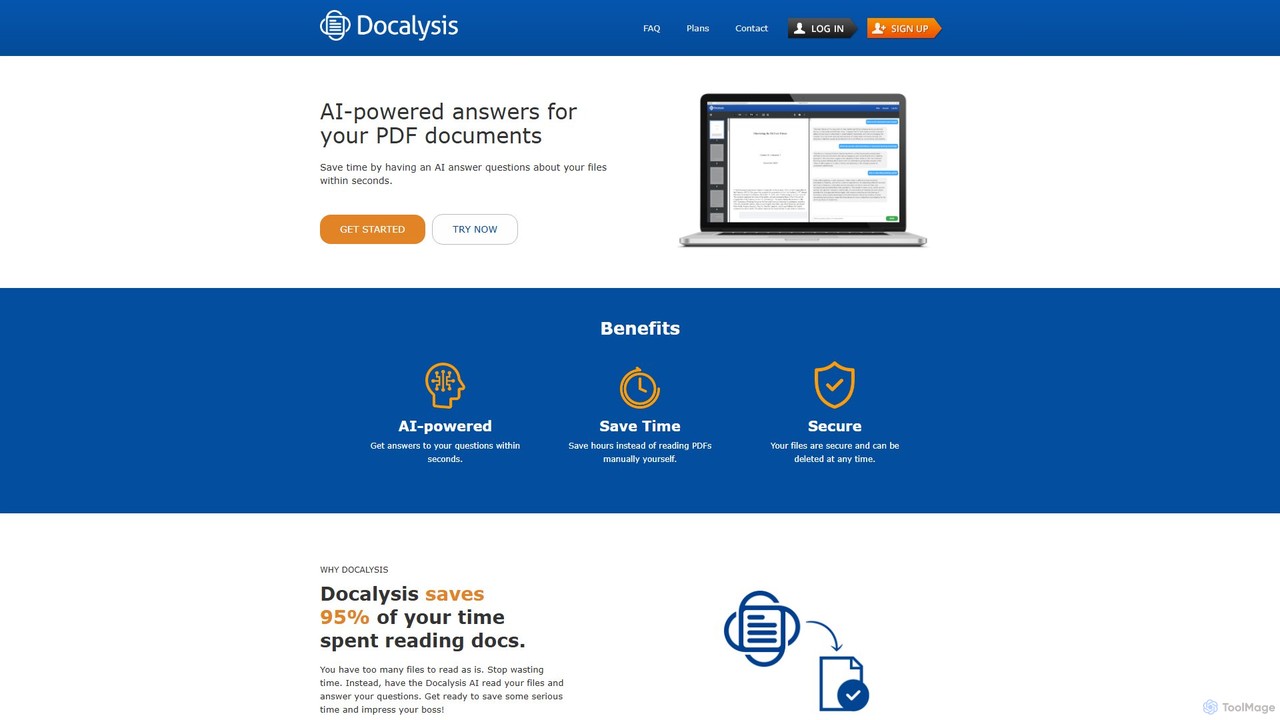
Docalysis is an AI-powered platform that allows you to chat with your PDF documents. Get instant answers, extract …
Docalysis is an AI-powered platform that allows you to chat with your PDF documents. Get instant answers, extract key information, and analyze multiple files at once, saving up to 95% of your reading time. It's designed for researchers, legal professionals, and businesses to enhance productivity and unlock insights from documents securely and efficiently.
Doclink
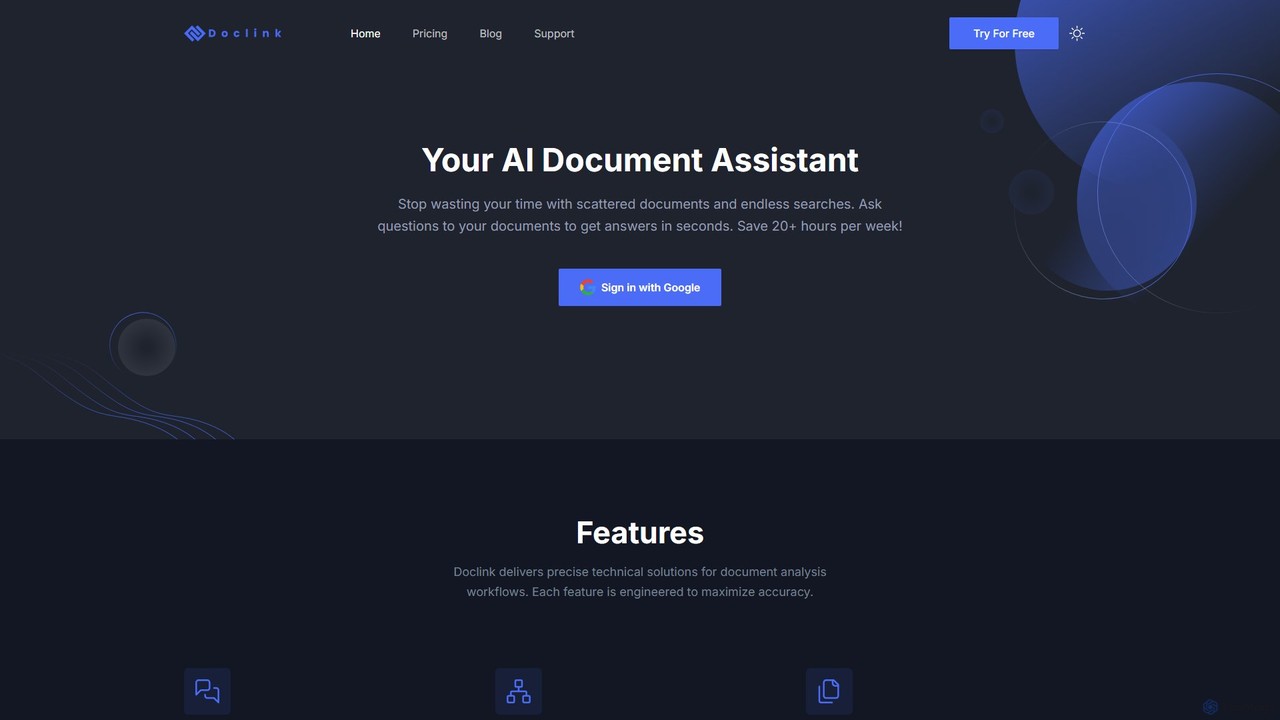
Doclink is an AI-powered document analysis platform that allows you to chat with your documents. Upload PDFs, Word, …
Doclink is an AI-powered document analysis platform that allows you to chat with your documents. Upload PDFs, Word, Excel, or even web URLs, and ask questions in natural language to get precise, source-verified answers instantly. It supports cross-document queries and multilingual analysis, making it a powerful tool for researchers, legal professionals, and businesses to extract insights and streamline workflows securely.
Magic Tool AI
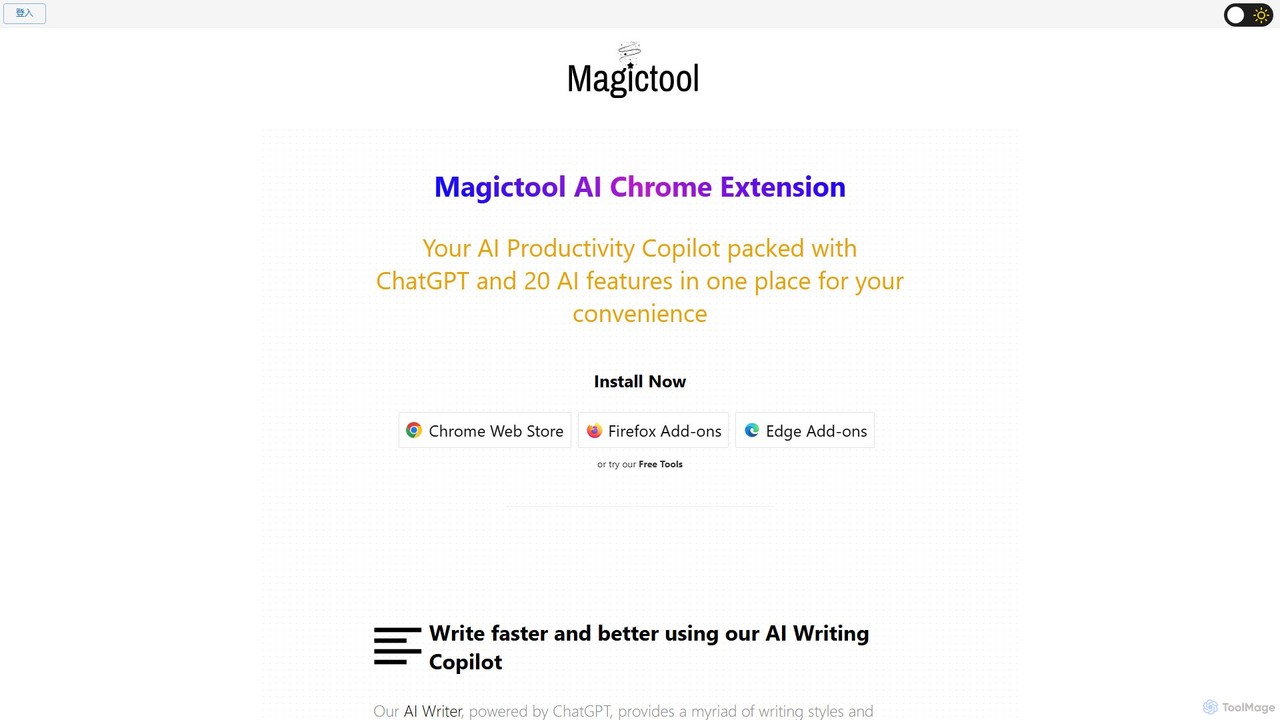
Magic Tool AI is an all-in-one productivity browser extension that integrates ChatGPT and over 20 AI features. It …
Magic Tool AI is an all-in-one productivity browser extension that integrates ChatGPT and over 20 AI features. It acts as your personal copilot, helping you write better and faster, summarize YouTube videos and articles, chat with PDFs, scrape web data, generate images, and much more, all within your browser.
About Data Extraction
Data Extraction tools are AI-powered solutions designed to automatically identify, collect, and structure specific information from diverse sources. Leveraging advanced natural language processing (NLP) and computer vision, these tools transform unstructured or semi-structured data into a clean, usable format. They are crucial for businesses and researchers needing to efficiently gather insights, monitor trends, and populate databases without manual effort. This capability significantly streamlines data-intensive workflows within the broader research domain.
Core Features
- Automated Web Scraping: Systematically collects data from websites, including dynamic content and forms.
- Document Parsing: Extracts specific fields, tables, and text from PDFs, invoices, contracts, and other documents.
- Image & OCR Extraction: Utilizes Optical Character Recognition (OCR) to extract text from images and scanned documents.
- Structured Data Output: Converts extracted information into formats like CSV, JSON, XML, or directly into databases.
- Pattern Recognition: Identifies and extracts data based on predefined patterns or learned structures, even from varying layouts.
Use Cases
These tools are indispensable for market research, competitive analysis, and academic studies, enabling users to gather large datasets for analysis. They also support business intelligence by extracting customer feedback, product reviews, and pricing information from online sources.
How to Choose
When selecting a Data Extraction tool, consider its compatibility with your data sources (web, documents, images), the accuracy of its extraction algorithms, and its ability to handle varying data structures. Evaluate the output formats, integration capabilities with existing systems, and the level of customization offered for complex extraction rules. Scalability for large volumes of data and robust error handling are also critical factors.

Data ExtractionUse Cases
Automating Market Research Data Collection
Market analysts use Data Extraction tools to automatically scrape product prices, customer reviews, and competitor information from e-commerce sites and social media. This enables them to quickly identify market trends, pricing strategies, and consumer sentiment without manual data entry, saving hundreds of hours weekly.
Extracting Financial Data from Reports
Financial professionals leverage these tools to parse quarterly and annual reports, extracting key financial metrics like revenue, profit margins, and balance sheet items from PDF documents. This automates the aggregation of data for comparative analysis and risk assessment, ensuring accuracy and speed in financial modeling.
Populating CRM with Lead Information
Sales and marketing teams utilize Data Extraction to gather contact details, company information, and industry data from business directories, LinkedIn profiles, or event attendee lists. The extracted data is then automatically structured and imported into CRM systems, streamlining lead generation and outreach efforts.
Monitoring News and Media Mentions
PR and brand management specialists employ Data Extraction tools to continuously monitor news websites, blogs, and forums for mentions of their brand, products, or industry keywords. This allows for real-time tracking of public perception, crisis management, and competitive intelligence by aggregating relevant articles and posts.
Academic Research Data Gathering
Researchers in various fields use Data Extraction to collect large datasets from academic journals, government databases, or historical archives. For instance, extracting specific variables from thousands of research papers for meta-analysis, significantly accelerating the literature review and data synthesis process.
E-commerce Product Information Aggregation
E-commerce businesses use Data Extraction to aggregate product specifications, images, and descriptions from supplier websites or competitor catalogs. This helps in quickly populating their own online stores, ensuring up-to-date product listings, and facilitating competitive pricing adjustments.