ToolMage
Sign in

Best 13 Market Analysis AI tools for Research

Popular Market Analysis AI tools in Research include Aicofounder, Goover, Spine AI, boba_ai, Kompas AI, Tools Compare, hai.news, Simpl Labs, Scrap.so, and GlobalSeek, helping you work more efficiently.

CastSpells
Freemium

CastSpells

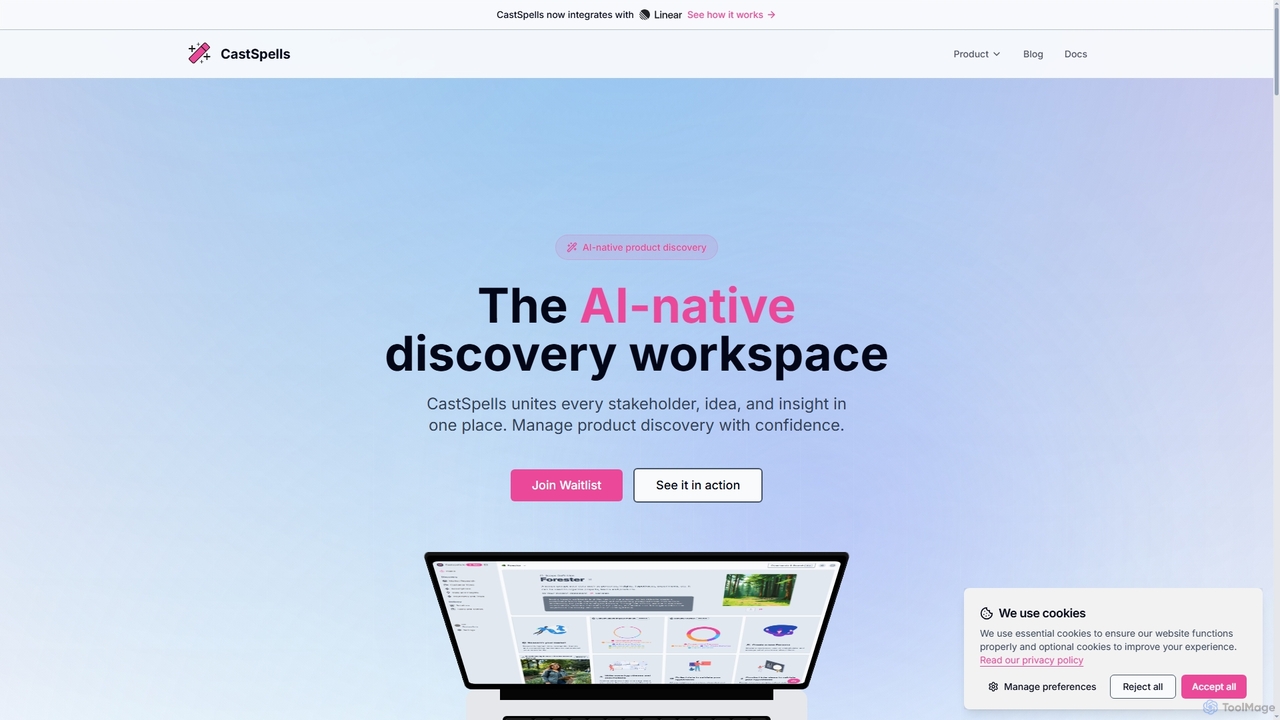
CastSpells is an AI-native product discovery workspace designed to unify stakeholders, ideas, and insights into a single, evidence-linked platform. It empowers product teams to make data-driven decisions by connecting market research, customer voice, hypotheses, and validation directly to planning and delivery. With AI-powered "Spells" for content generation, data analysis, and recommendations, CastSpells transforms chaotic product development into a clear, repeatable, and confident process, ensuring every feature is backed by real customer evidence.

Team Alignment
Visits 5.4KFavorites 47Likes 38
Aicofounder
Freemium

Aicofounder

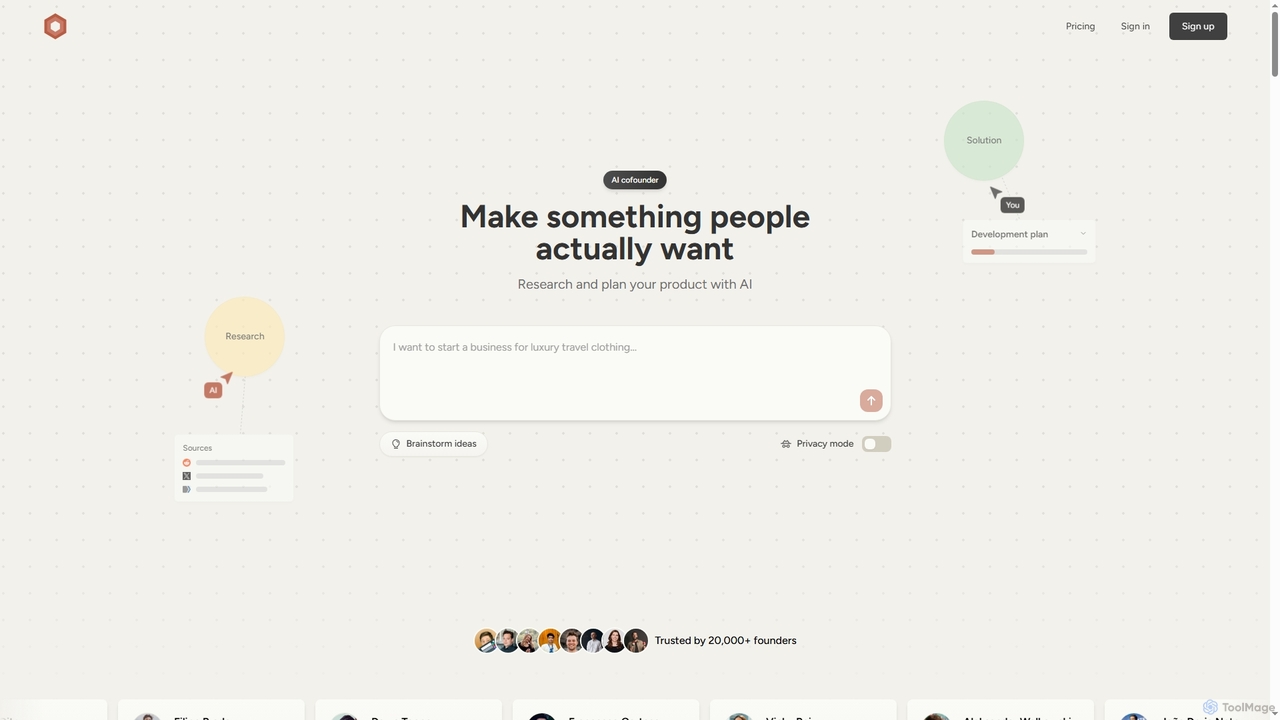
Aicofounder is an AI-powered platform designed to guide founders and entrepreneurs through the entire product development lifecycle, from initial idea generation and market research to validation and structured planning. It acts as an intelligent co-founder, helping users build products people truly want.

Business Assistant
Visits 105.5KFavorites 42Likes 56
Simpl Labs
Freemium

Simpl Labs

Simpl Labs is an AI-powered platform designed for entrepreneurs and innovators to generate, validate, and develop startup ideas. It offers tailored idea generation, deep market research, competitor analysis, and exports code-ready prompts for AI coding tools, streamlining the journey from concept to MVP.

Startup Ideation
Visits 5.5KFavorites 70Likes 72
Tools Compare
Free

Tools Compare

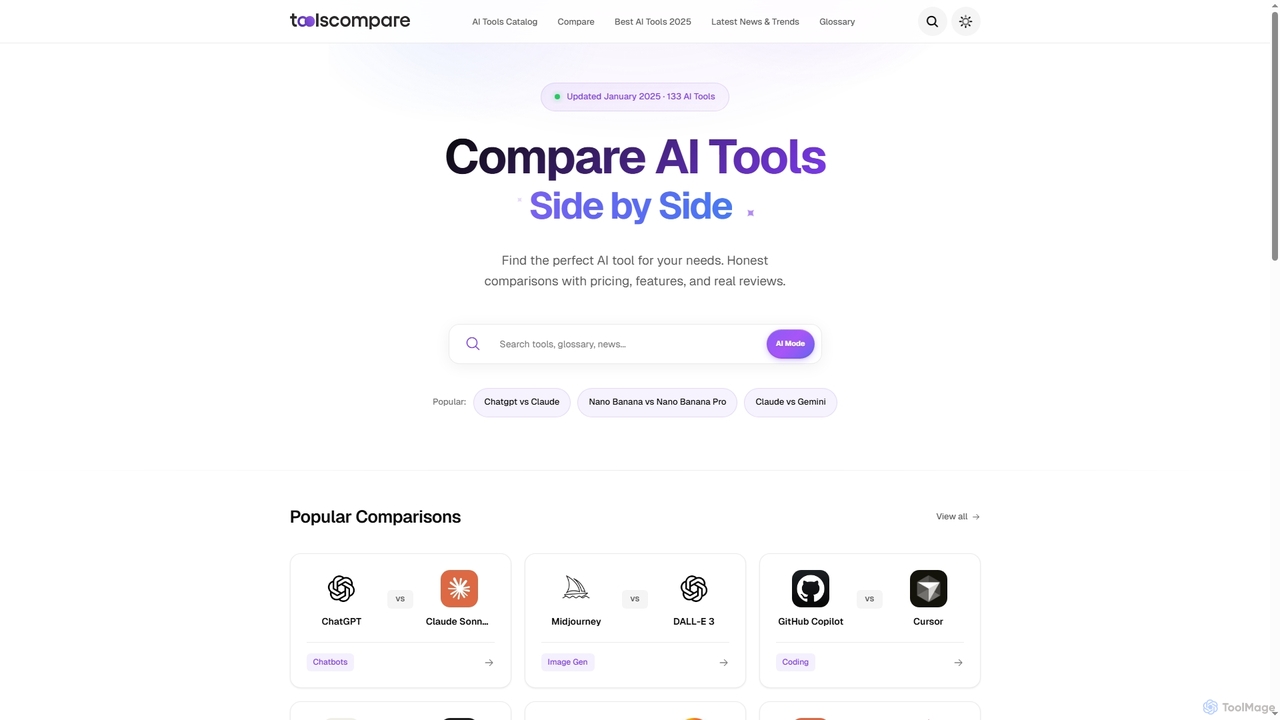
Tools Compare is an independent platform designed to help professionals efficiently discover, evaluate, and choose the best AI tools. It offers honest, data-driven comparisons with detailed features, pricing, and real reviews to simplify decision-making in the rapidly expanding AI landscape.

Comparison
Visits 5.5KFavorites 97Likes 92
Scrap.so
Paid

Scrap.so

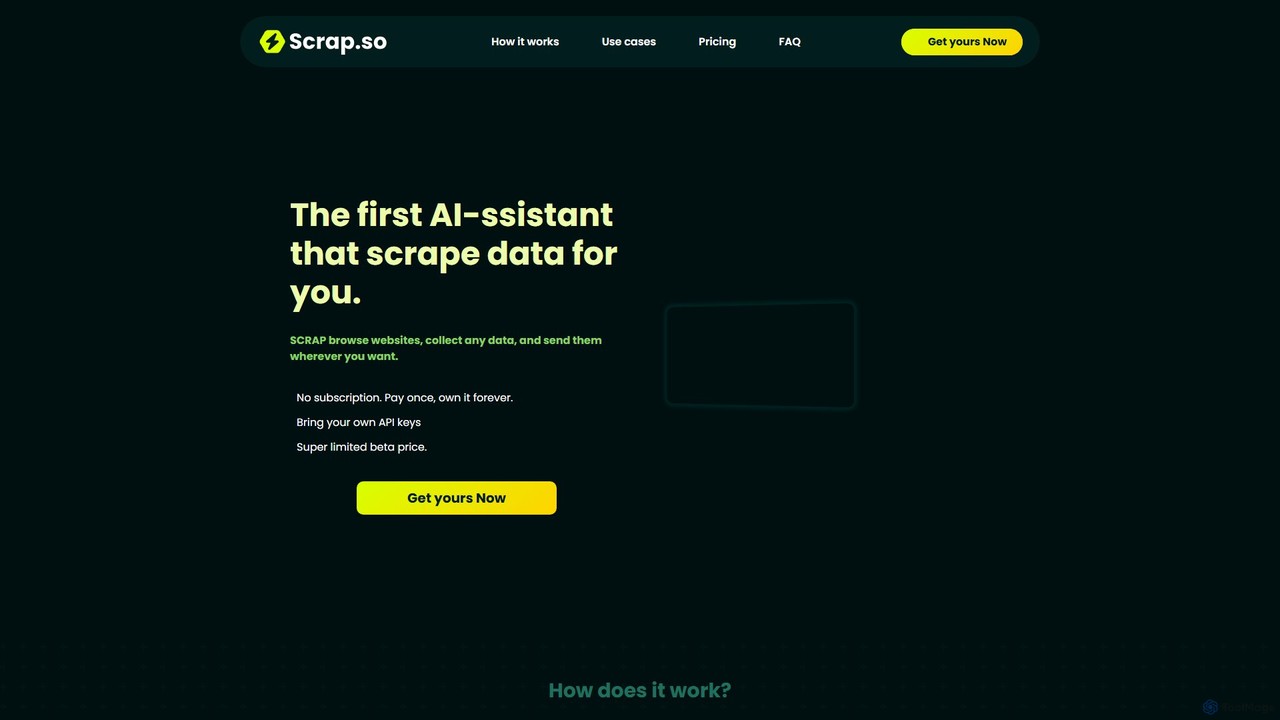
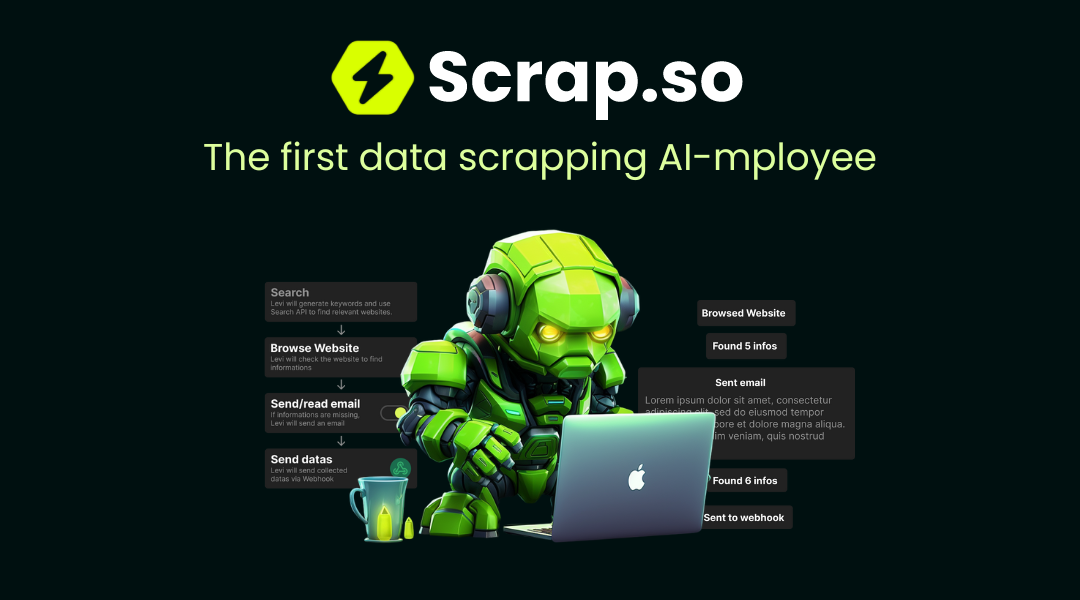
Scrap.so is an AI-powered desktop application designed for automated web scraping and data collection. It acts as a personal AI assistant that browses websites, extracts user-defined data, and delivers it to any destination. Ideal for lead generation, market research, and competitor analysis, it simplifies data extraction by allowing users to describe their needs in natural language, eliminating manual work and complex configurations.

Scraping
Visits 5.5KFavorites 145Likes 129
hai.news
Freemium

hai.news

hai.news is an AI-powered news aggregator and intelligence platform that delivers personalized news feeds, summarizes articles, and analyzes global trends. It helps users cut through the noise, save time, and gain deeper insights from thousands of sources.

Aggregation
Visits 5.5KFavorites 135Likes 142
Verk
Freemium

Verk

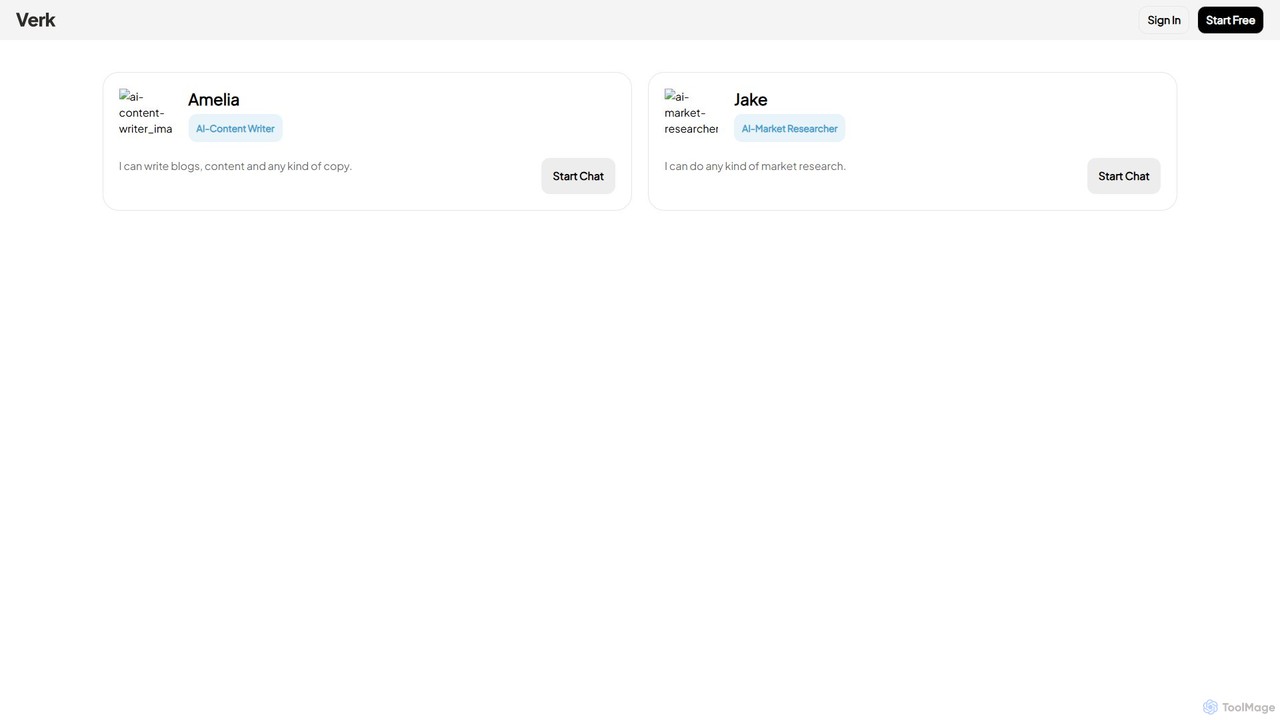
Verk is an AI platform featuring a suite of specialized AI assistants for various professional tasks. Interact with expert personas like Amelia, the AI Content Writer, and Jake, the AI Market Researcher, through an intuitive chat interface to streamline your workflow, generate high-quality content, and conduct in-depth research effortlessly.

Content Creation
Visits 5.3KFavorites 126Likes 129
Goover
Freemium

Goover

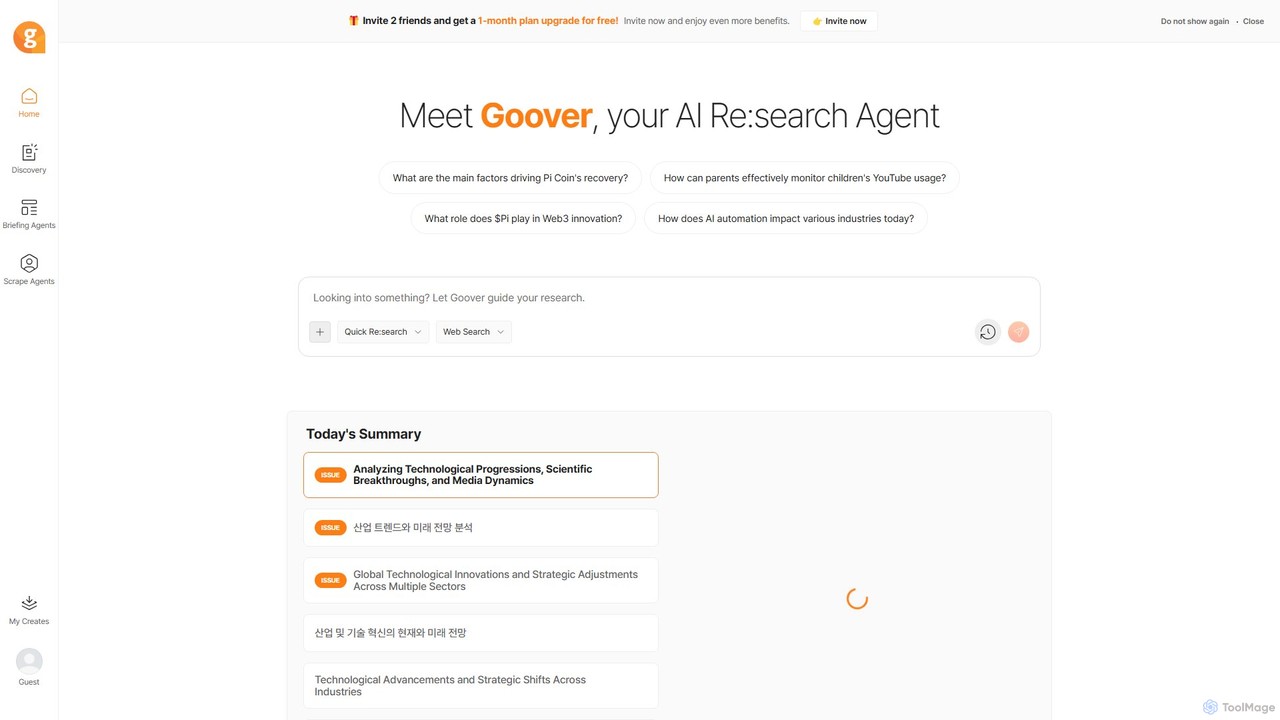
Goover is an advanced AI research agent that automates the entire process of information gathering, analysis, and synthesis. It transforms complex questions and scattered web data into structured, insightful reports and briefings, helping users save time and make informed decisions.

Web Scraping
Visits 76.8KFavorites 153Likes 154
Spine AI
Paid

Spine AI

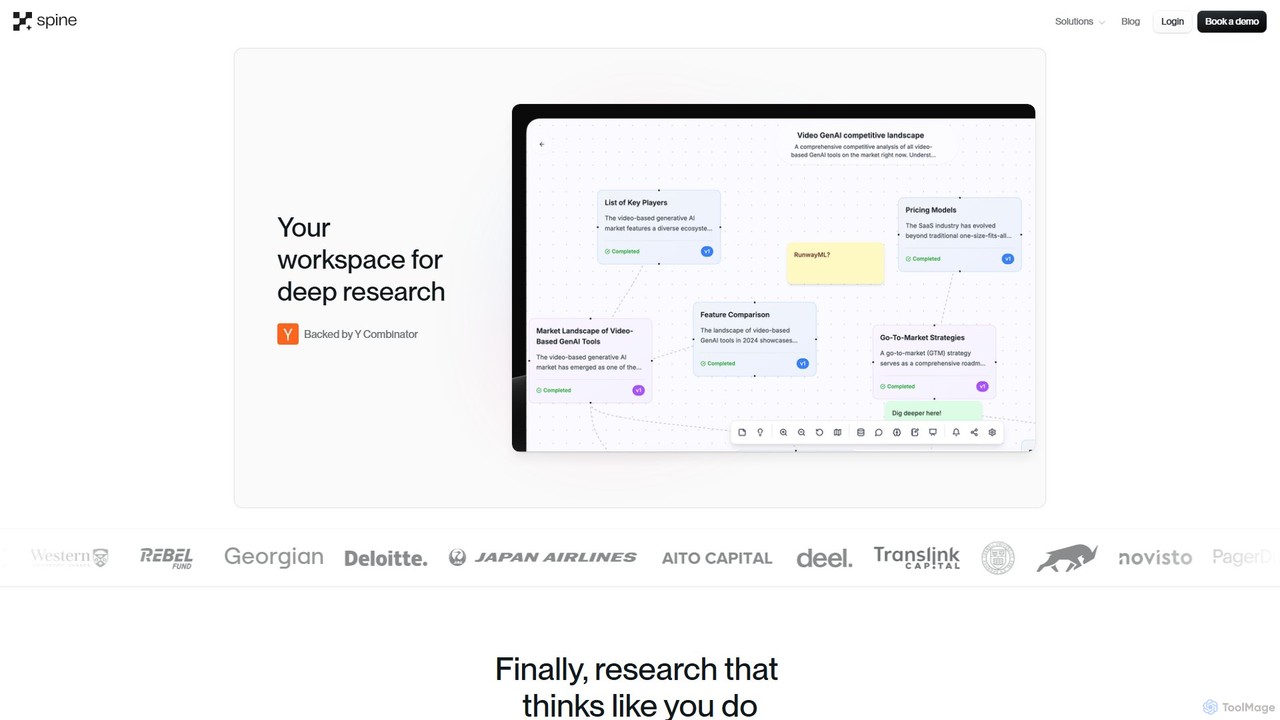
Spine AI is an iterative AI research workspace designed for deep, continuous analysis. It combines your internal knowledge with vast public data sources, allowing teams in venture capital and product marketing to map sectors, track competitors, and generate strategic insights on a collaborative, visual canvas.

Competitive Intelligence
Visits 21.2KFavorites 122Likes 142
GlobalSeek
Free

GlobalSeek

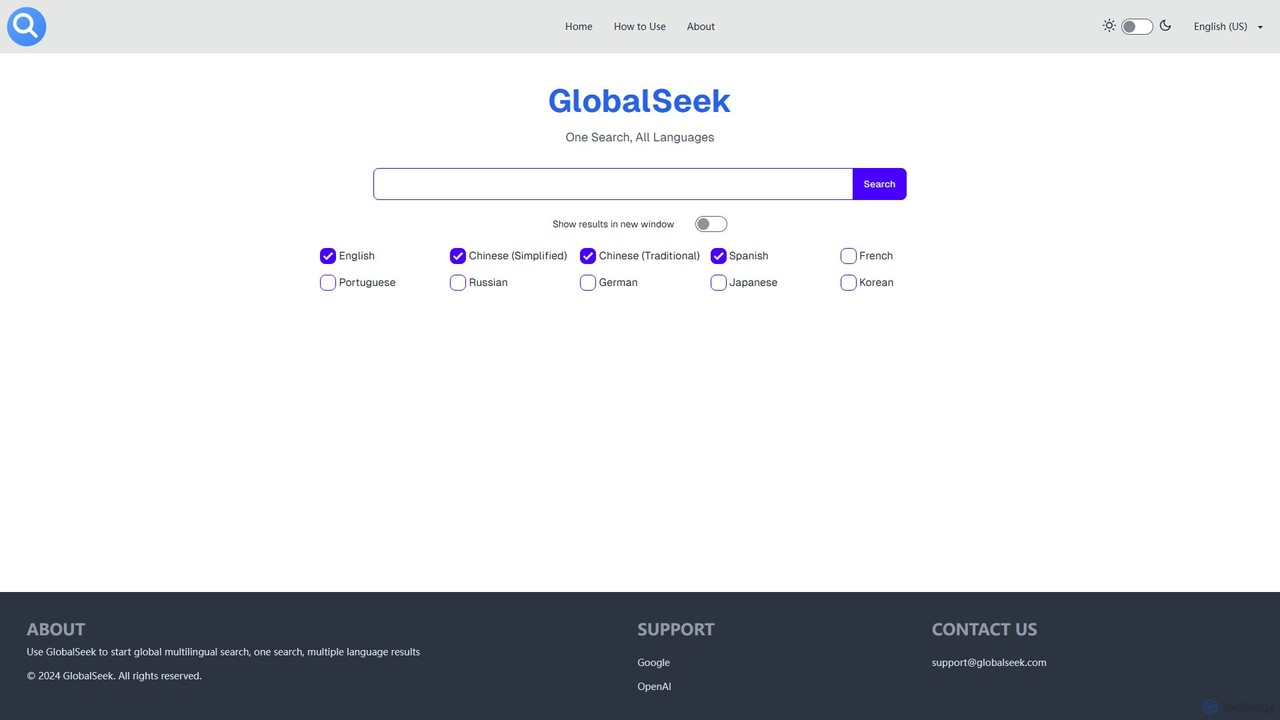
GlobalSeek is an AI-powered multilingual search tool that breaks down language barriers. Enter a search query in one language and instantly get results from multiple languages simultaneously, making it ideal for global market research, academic studies, and international news monitoring.

Seo
Visits 5.4KFavorites 132Likes 134
SticAI Glance
Free

SticAI Glance

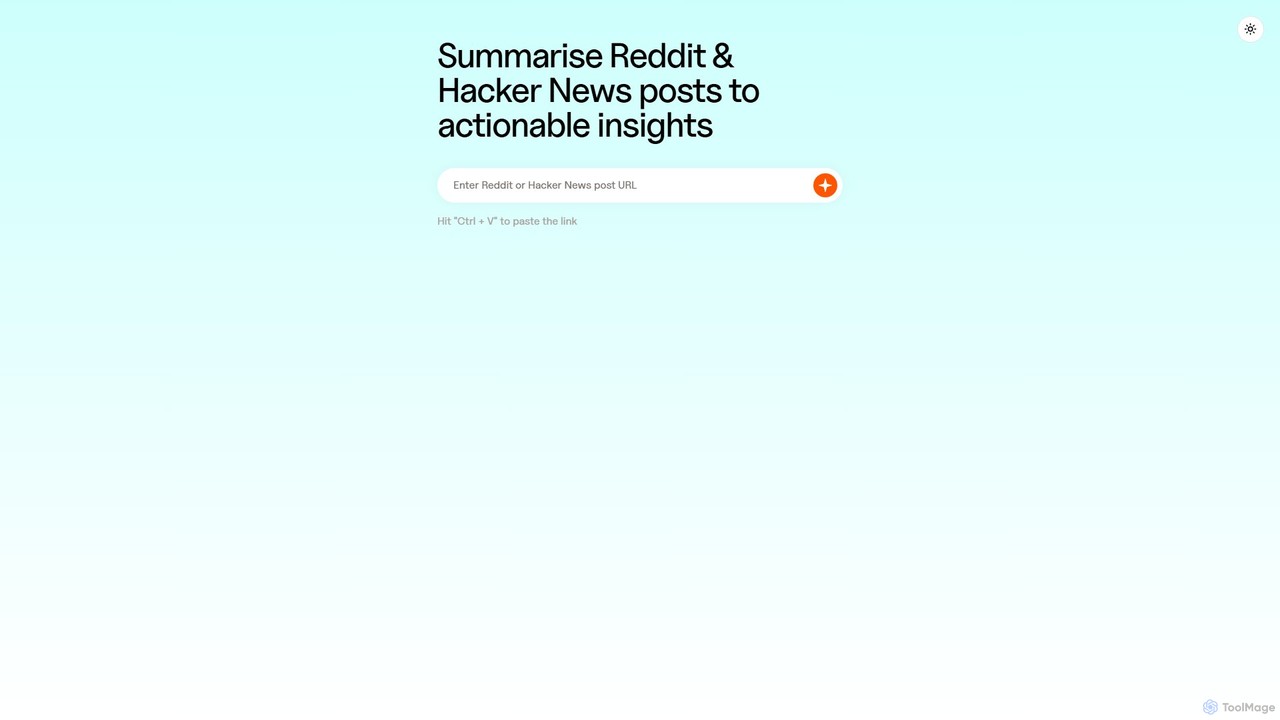
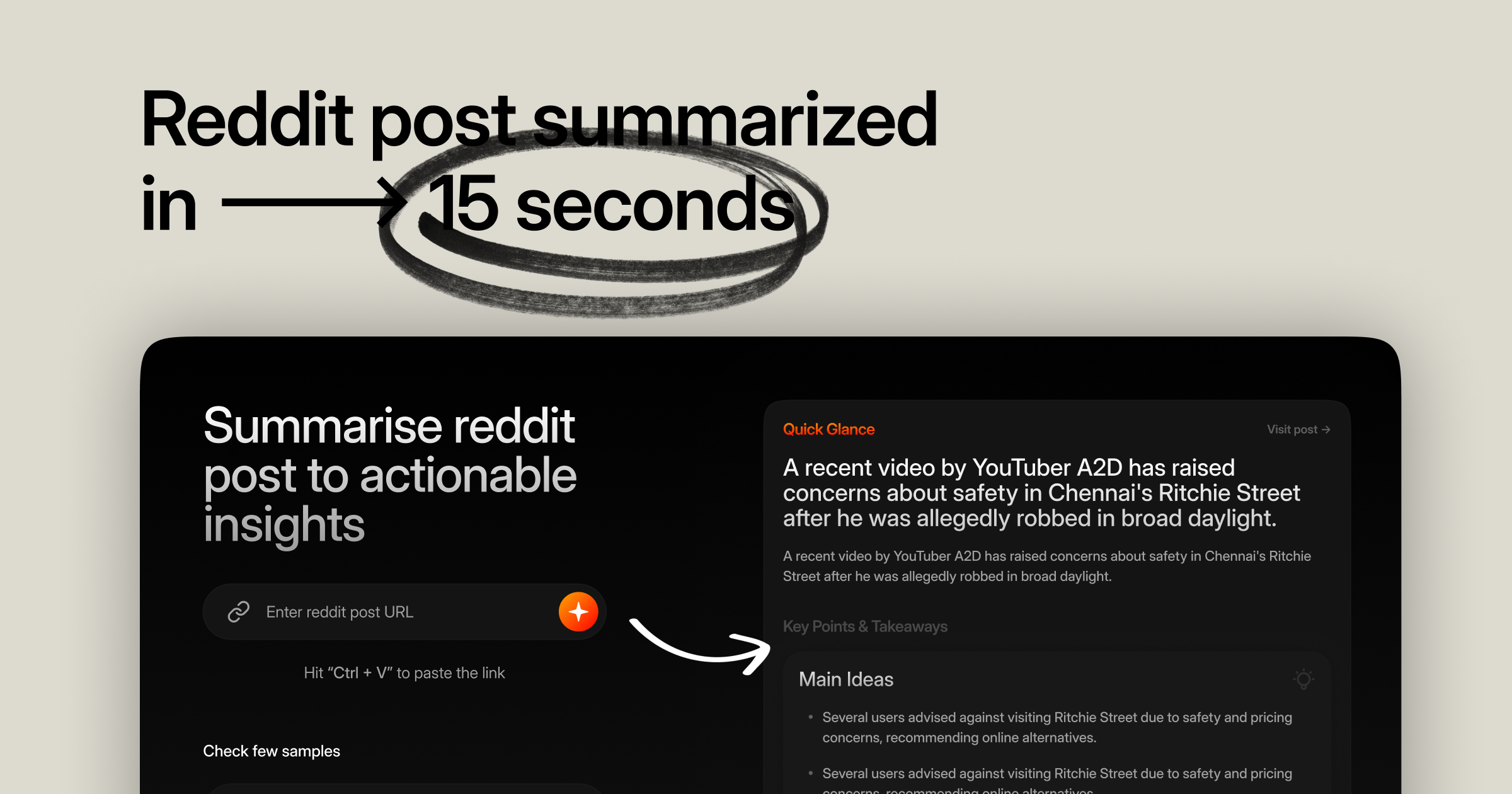
SticAI Glance is an AI-powered tool that summarizes lengthy Reddit and Hacker News threads in seconds. Simply paste a link to get concise summaries, actionable insights, and sentiment analysis, helping you save time and quickly grasp the key points of any online discussion.

Summarizer
Visits 5.3KFavorites 112Likes 109
boba_ai

boba_ai

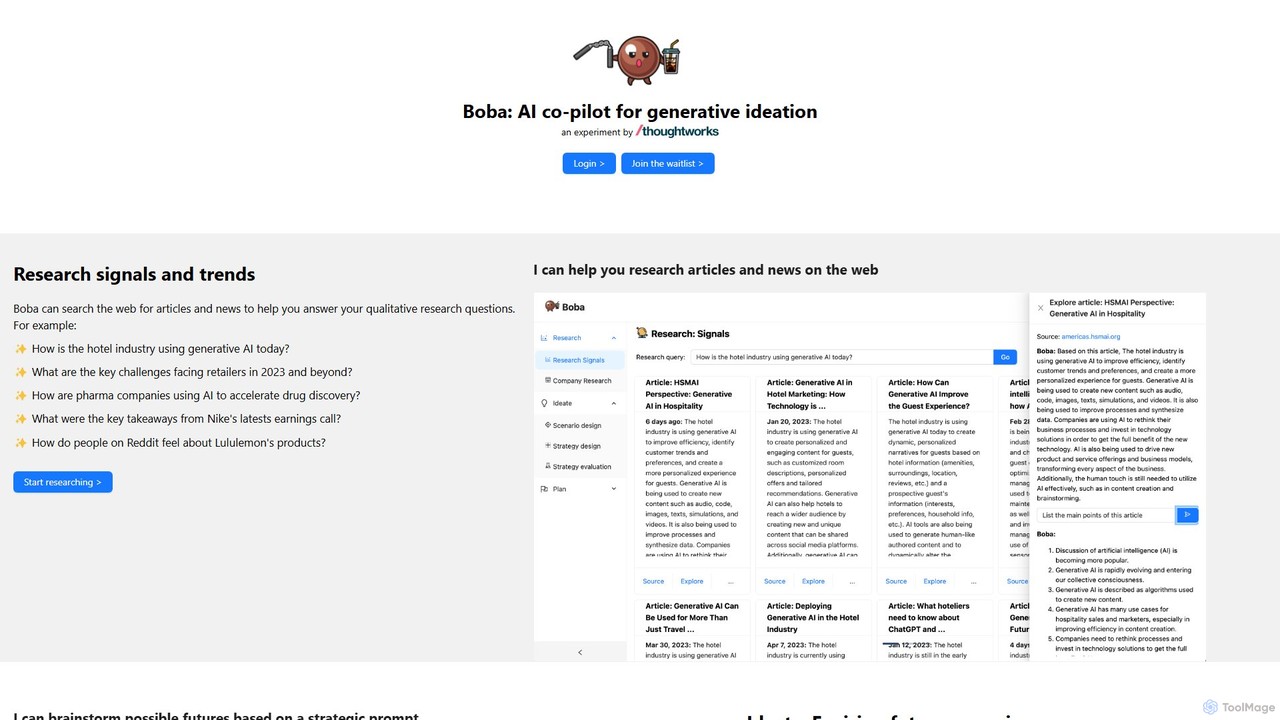
boba_ai is an AI co-pilot for strategic research and generative ideation. It helps users analyze market trends, build future scenarios, brainstorm winning strategies using established frameworks, and create compelling visual storyboards to drive innovation and inform strategic planning.

Strategy
Visits 8.8KFavorites 134Likes 136
Kompas AI
Freemium

Kompas AI

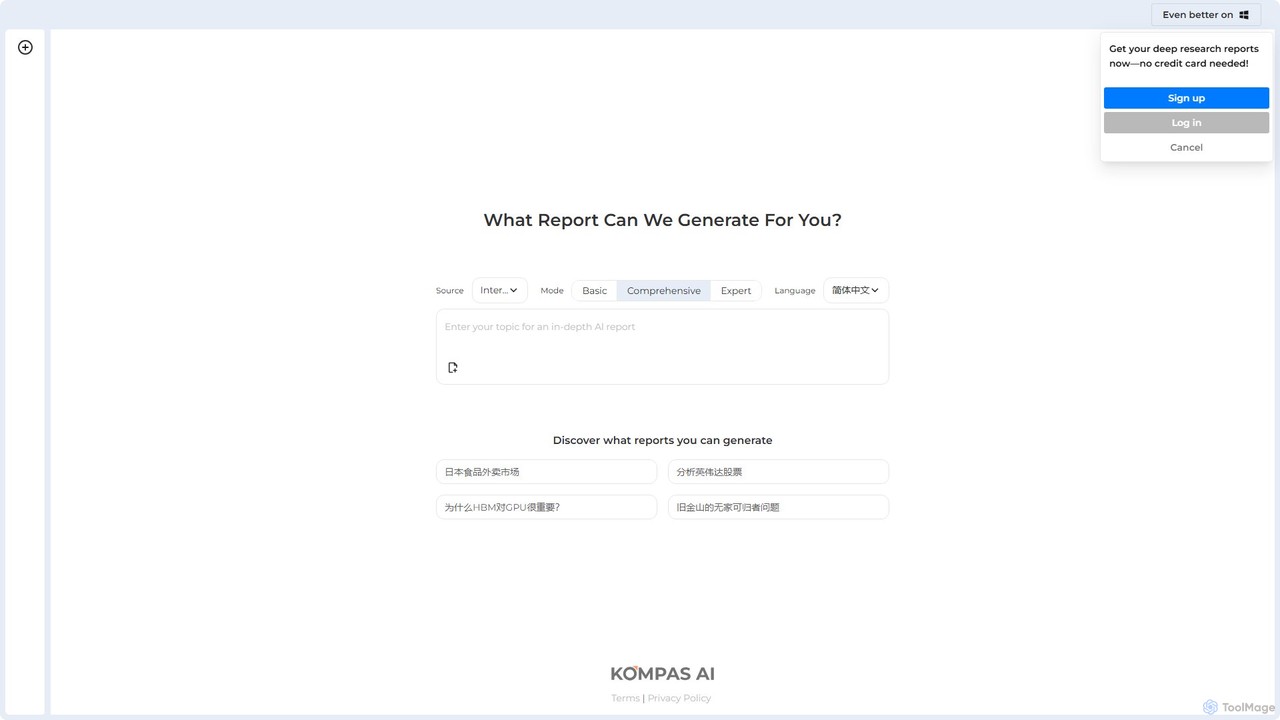
Kompas AI is an AI-powered research assistant that generates in-depth, structured reports on any topic. Simply input a query, and the tool scours the internet to compile comprehensive analyses, available in various modes from basic overviews to expert-level deep dives. It streamlines market research, academic inquiry, and financial analysis.

Stock Analysis
Visits 8.7KFavorites 128Likes 116

About Market Analysis

AI Market Analysis tools are specialized platforms that automatically gather, process, and interpret vast amounts of market data. They leverage machine learning and natural language processing (NLP) to analyze sources like social media, news, industry reports, and customer reviews. This enables businesses to uncover competitive insights, identify emerging trends, and understand consumer sentiment with high accuracy and speed. As a key component of the broader Research category, these tools focus specifically on providing actionable business intelligence for strategic decision-making.

Core Features

  • Trend Forecasting: Utilizes predictive analytics to identify and project future market and consumer trends.
  • Competitor Intelligence: Automatically tracks competitors' activities, product launches, pricing changes, and marketing campaigns.
  • Consumer Sentiment Analysis: Processes text data from reviews and social media to gauge public opinion about brands, products, or topics.
  • Market Sizing & Segmentation: Estimates the total addressable market (TAM) and identifies distinct customer segments based on demographic and behavioral data.
  • Automated Reporting: Generates customizable dashboards and reports summarizing key findings and metrics.

Use Cases

These tools are essential for market researchers, product managers, marketing strategists, and business development teams. They are widely used in industries like retail, technology, finance, and consumer goods for tasks such as validating new product ideas, planning market entry strategies, and optimizing advertising campaigns based on real-time feedback.

How to Choose

When selecting a Market Analysis tool, consider the scope and quality of its data sources (global vs. local, industry-specific). Evaluate the depth of its analytical capabilities, such as predictive modeling and sentiment accuracy. Also, assess its integration options with your existing CRM or BI systems and whether it offers real-time data processing versus periodic reports.

Featured tool rankings

Market Analysis use cases

1

Analyze Competitor Marketing Strategies

A marketing manager at a consumer electronics company uses an AI Market Analysis tool to monitor a key competitor's activities in real-time. By tracking their social media campaigns, press releases, and customer forum discussions, the tool automatically identifies shifts in messaging and promotional tactics. The manager receives a weekly automated report highlighting the competitor's most engaging content and the sentiment around their recent product launch, enabling them to quickly adjust their own campaign strategy to maintain a competitive edge.

2

Validate a New Product Idea

A product manager at a SaaS startup has an idea for a new project management feature. Before committing development resources, they use a market analysis tool to gauge potential demand. They input keywords related to the feature and analyze online conversations, search volume trends, and competitor offerings. The tool generates a report showing a high volume of user complaints about existing solutions and a growing search trend for this specific functionality. This data-driven validation gives the team confidence to proceed with development, armed with insights into the target audience's pain points.

3

Identify Emerging Industry Trends

A corporate strategist for a financial services firm needs to identify future growth areas. They use an AI analysis tool to scan thousands of industry publications, patent filings, and academic papers. The AI identifies a recurring theme around 'decentralized identity verification' and flags it as an emerging trend with high growth potential. The platform provides a summary of key technologies, major players, and consumer sentiment, allowing the strategist to build a comprehensive business case for investing in this new area long before it becomes mainstream knowledge.

4

Monitor Brand Health and Public Sentiment

A brand manager for a global beverage company wants to track public perception following a major rebranding campaign. They set up an AI market analysis tool to continuously monitor mentions of their brand across social media, news sites, and blogs. The tool's sentiment analysis feature categorizes mentions as positive, negative, or neutral and visualizes the data on a dashboard. A sudden spike in negative sentiment is immediately flagged, allowing the PR team to trace the source to a misleading news article and issue a clarification before it escalates into a crisis.

5

Assess a New Geographic Market for Expansion

A retail company is considering expanding into Southeast Asia. A business development analyst uses a market analysis tool to evaluate the viability of several target countries. The tool aggregates and analyzes local demographic data, economic indicators, consumer spending habits, and the competitive landscape. It generates a comparative report that scores each country on market size, growth potential, and cultural fit. This allows the company to prioritize Vietnam as its entry point, based on data showing a rapidly growing middle class with high demand for their product category.

6

Generate Data-Driven SWOT Analysis

A strategic planning team is preparing for their annual review. Instead of relying solely on internal workshops, they use an AI market analysis tool to automate the 'Opportunities' and 'Threats' sections of their SWOT analysis. The tool scans the market for emerging technologies (Opportunities) and rising competitors or negative consumer trends (Threats). It presents the findings in a structured format, complete with supporting data and source links. This provides an objective, external perspective that enriches their strategic discussion and leads to more robust planning.

Market Analysis FAQ

What are AI Market Analysis tools?

AI Market Analysis tools are software platforms that use artificial intelligence, particularly machine learning and NLP, to automate the collection and analysis of market data. They process vast amounts of information from diverse sources like social media, news, and financial reports to identify patterns, trends, and insights. Unlike manual research, these tools can provide real-time competitor tracking, consumer sentiment analysis, and predictive forecasting to support data-driven business strategy.

How to choose the right AI Market Analysis tool?

Choosing the right tool depends on your specific needs. Consider these factors:

  • Data Sources: Does the tool cover the sources most relevant to your industry (e.g., social media, trade journals, financial data)?
  • Analytical Depth: Do you need basic sentiment analysis or advanced predictive forecasting and trend identification?
  • Usability: Is the interface intuitive? Does it offer customizable dashboards and automated reports that are easy to understand?
  • Integration: Can it connect with your existing tools, such as CRM, BI platforms, or data warehouses?
  • Scalability & Pricing: Does the pricing model align with your usage volume and does it support your company's growth?
What is the difference between Market Analysis and Business Intelligence (BI) tools?

The primary difference lies in their data focus. Business Intelligence (BI) tools primarily analyze internal, structured data from your own company (e.g., sales figures, customer data, operational metrics) to report on past performance. AI Market Analysis tools focus on external, often unstructured data from the wider market (e.g., social media, news, competitor websites) to understand future trends, competitive landscapes, and consumer sentiment. In short, BI looks inward and backward, while market analysis looks outward and forward.

What are the key benefits of using AI for market analysis?

Using AI for market analysis offers several key advantages over traditional methods. The primary benefits include:

  • Speed and Scale: AI can process millions of data points from thousands of sources in minutes, a task that would be impossible for human teams.
  • Real-Time Insights: It enables continuous monitoring of the market, allowing businesses to react quickly to changes.
  • Deeper Insights: AI can uncover hidden patterns, correlations, and predictive trends that are not obvious through manual analysis.
  • Reduced Bias: Data-driven analysis can help reduce the impact of human cognitive biases in strategic decision-making.
Who should use AI Market Analysis tools?

AI Market Analysis tools are valuable for a wide range of professionals and teams who rely on market data for decision-making. Key users include:

  • Marketing Teams: To understand customer sentiment, track campaign effectiveness, and monitor competitors.
  • Product Managers: To validate new product ideas, identify feature gaps, and understand user needs.
  • Business Strategists & Analysts: To identify market trends, assess expansion opportunities, and perform SWOT analysis.
  • Investment Firms & Venture Capitalists: To conduct due diligence, evaluate market size, and assess the competitive landscape of potential investments.