Research Best in category 6 results Market Research AI Tool

Popular AI tools in the Market Research field of Research include Rtrvr、buzzabout、Sprites、Suna、Quist AI、Ottogrid, etc., helping you quickly improve efficiency.

Sprites

Sprites

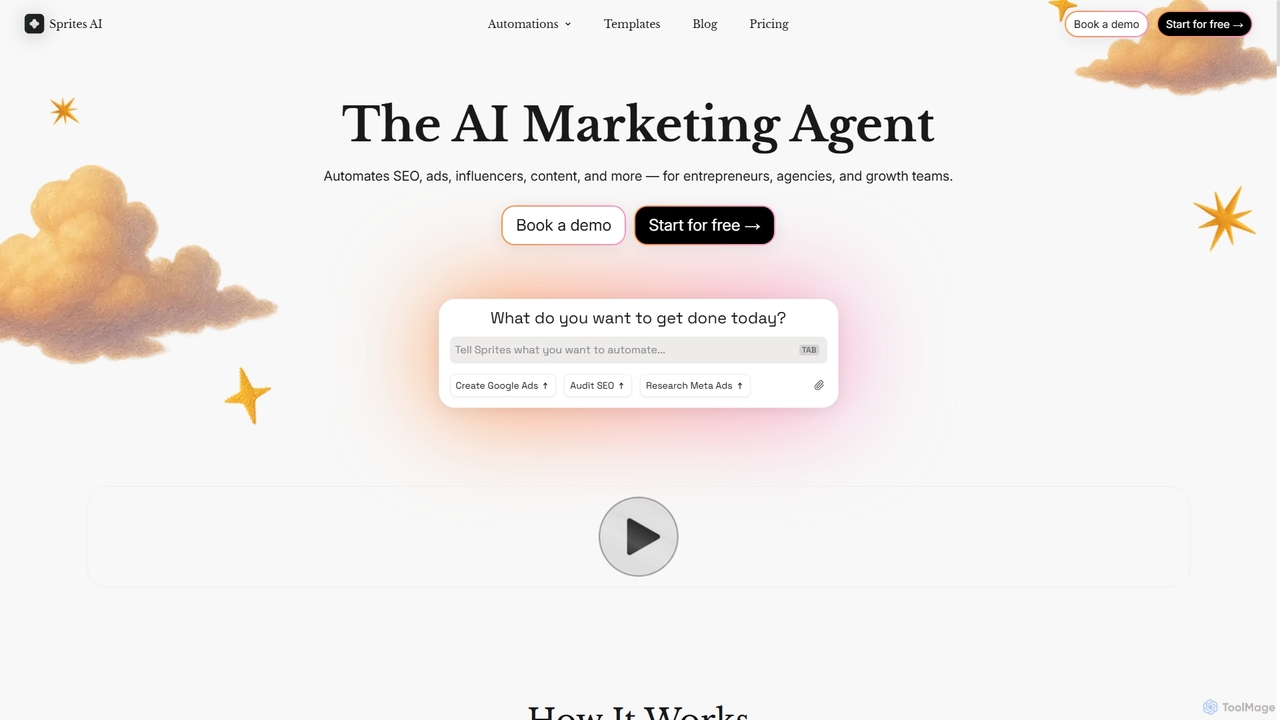
Sprites is an AI marketing agent that automates SEO, advertising, influencer outreach, and content creation for entrepreneurs, SMBs, …

16.0K
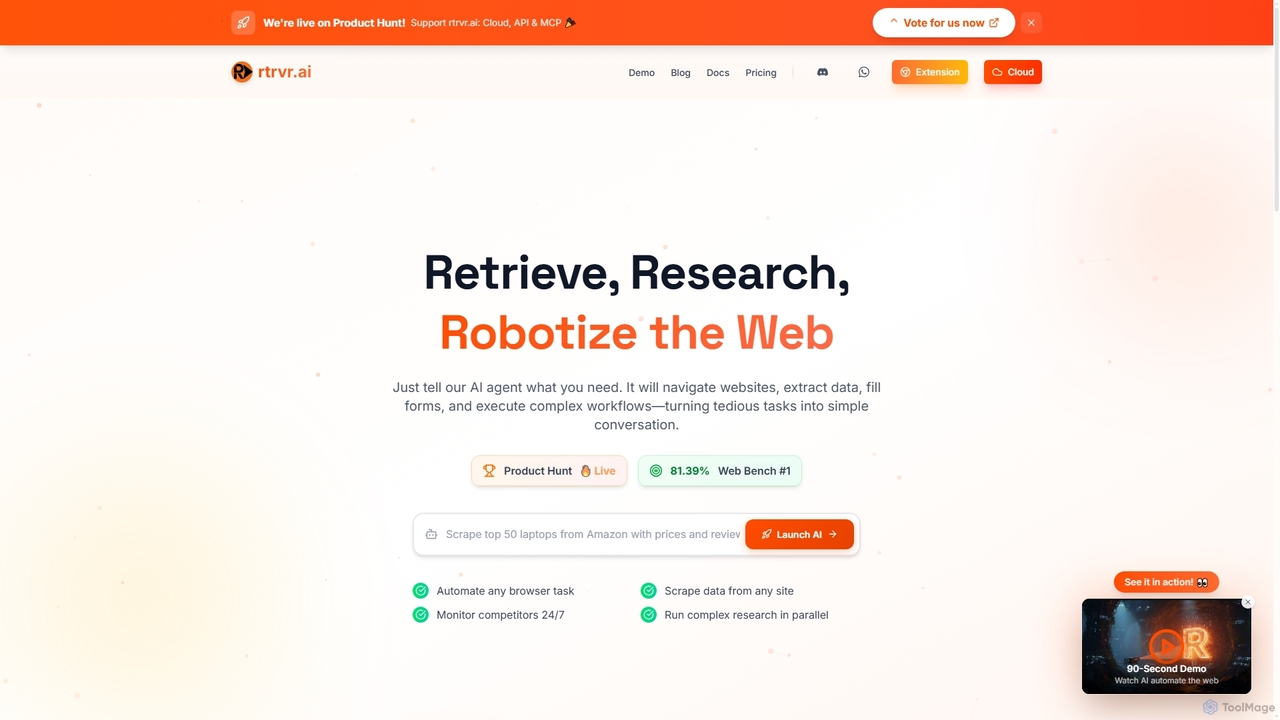
Rtrvr

Rtrvr

Rtrvr is an advanced AI agent designed to automate complex web tasks using natural language. It navigates websites, …

53.4K
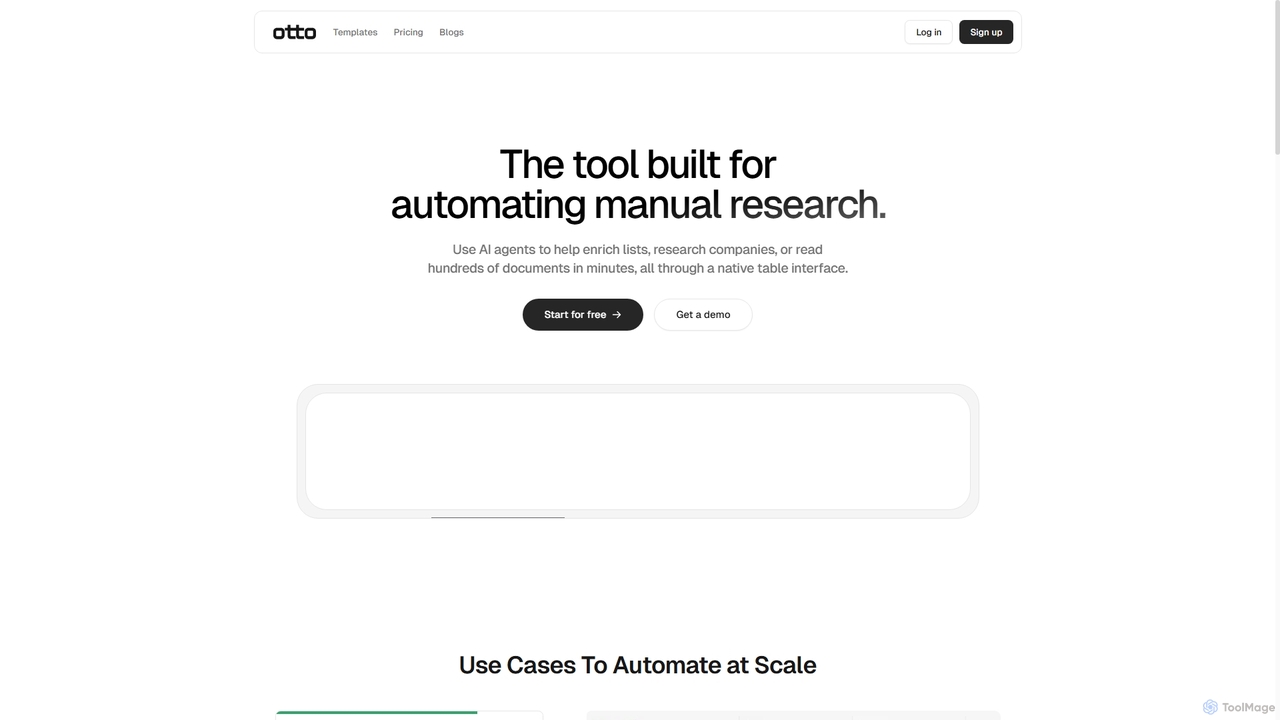
Ottogrid

Ottogrid

Ottogrid is an AI-powered platform designed to automate manual research tasks. Using AI agents within a native table …

14
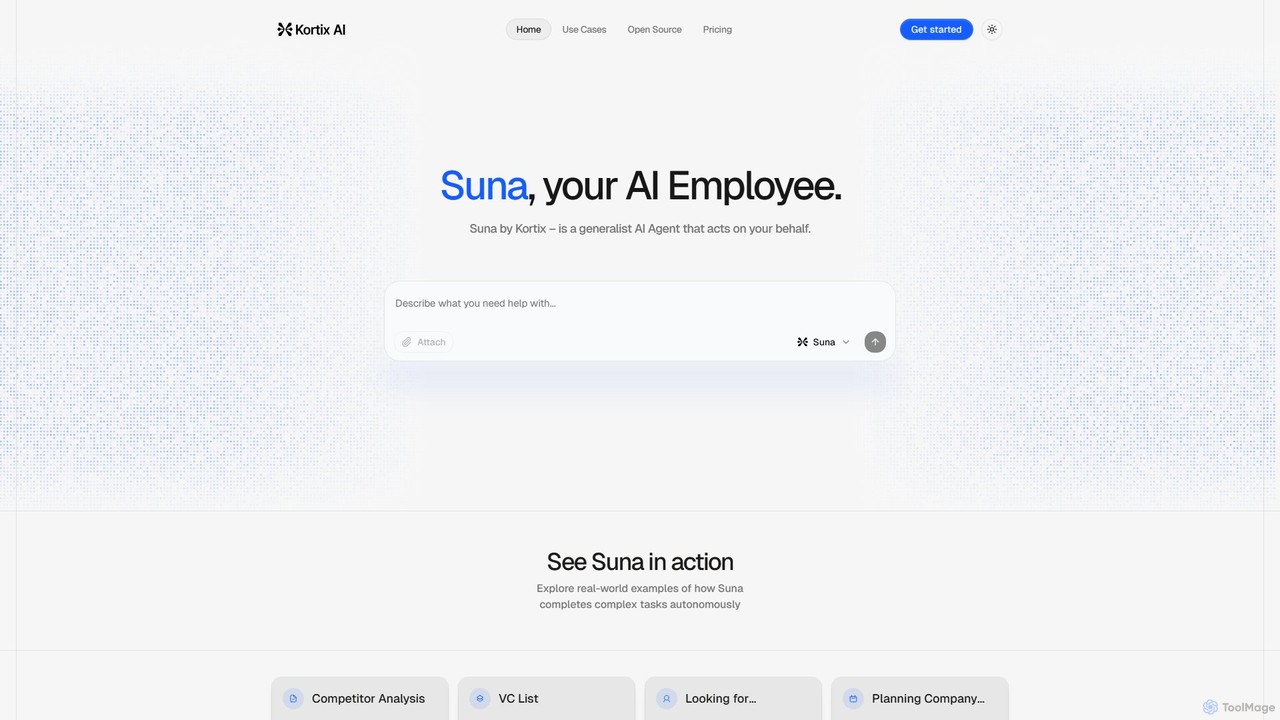
Suna

Suna

Suna is an open-source, generalist AI agent that acts as your AI employee. It autonomously executes complex tasks …

3.9K
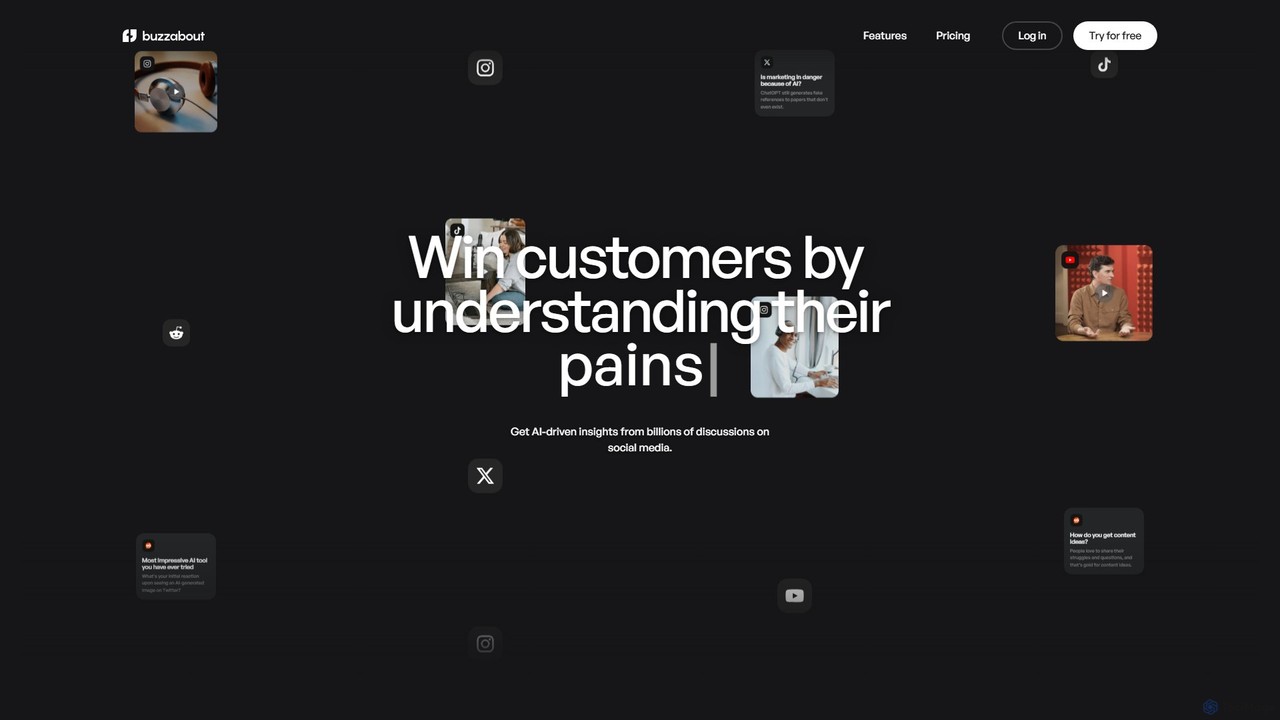
buzzabout

buzzabout

buzzabout is an AI-powered audience insights and social listening tool. It analyzes billions of online discussions from major …

19.0K
Quist AI

Quist AI

Quist AI is an advanced AI-powered research assistant designed for researchers, analysts, and consultants. It automates time-consuming desk …

3.1K

About Market Research

Market Research AI tools are a specialized category within AI-powered research solutions, designed to automate and enhance the process of gathering, analyzing, and interpreting market data. These tools leverage advanced machine learning, natural language processing, and predictive analytics to uncover deep consumer insights, identify market trends, and assess competitive landscapes with unprecedented speed and accuracy. They empower businesses to make data-driven decisions, optimize strategies, and stay ahead in dynamic markets.

Core Features

  • Automated Data Collection: Efficiently gathers data from diverse sources like social media, news, forums, and public databases.
  • Sentiment Analysis: Analyzes text data to gauge public opinion, brand perception, and customer emotions at scale.
  • Predictive Analytics: Forecasts market trends, consumer behavior, and sales performance based on historical data patterns.
  • Competitor Intelligence: Monitors competitor activities, product launches, pricing strategies, and market positioning.
  • Audience Segmentation: Identifies and segments target audiences based on demographic, psychographic, and behavioral data.

Use Cases

Market Research AI tools are invaluable for businesses seeking to understand their environment better. Marketing teams use them to identify new campaign opportunities and measure brand perception. Product developers leverage them to validate new product ideas and gather feedback for iterative improvements. Strategic planners rely on these tools to anticipate market shifts and inform long-term business growth strategies.

How to Choose

When selecting Market Research AI tools, consider the breadth of data sources they can integrate, such as social media, web analytics, or proprietary databases. Evaluate their analytical capabilities, including sentiment analysis, trend prediction, and natural language processing accuracy. Assess the level of customization for reports and dashboards, and ensure the tool offers robust data privacy and compliance features. Finally, consider scalability to match your evolving research needs and budget.

Market ResearchUse Cases

1

Analyzing Customer Feedback at Scale

For product managers and marketing teams, AI market research tools can process thousands of customer reviews, social media comments, and support tickets. By applying natural language processing and sentiment analysis, these tools automatically extract key themes, identify pain points, and quantify overall sentiment, providing actionable insights for product improvements and communication strategies, saving hundreds of hours of manual review.

2

Identifying Emerging Market Trends

Business strategists and market analysts utilize AI tools to continuously scan vast amounts of online data, including news articles, industry reports, and social media discussions. The AI identifies subtle patterns and anomalies that signal nascent trends, allowing companies to proactively adapt their offerings or explore new market opportunities before competitors, gaining a significant first-mover advantage.

3

Competitive Landscape Monitoring

Business intelligence teams deploy AI market research tools to track competitors' product launches, pricing changes, marketing campaigns, and customer reception in real-time. The AI aggregates and analyzes this data, providing comprehensive competitive intelligence reports that highlight strengths, weaknesses, and strategic shifts, enabling informed counter-strategies and market positioning adjustments.

4

Optimizing Survey Design and Analysis

Researchers can leverage AI to refine survey questions for clarity and bias reduction, and to analyze open-ended responses more effectively. AI tools can automatically categorize free-text answers, identify common themes, and even suggest follow-up questions, transforming raw qualitative data into structured, quantifiable insights, significantly reducing manual coding time and improving data quality.

5

Predicting Consumer Behavior and Demand

Marketing and sales teams use AI market research tools to analyze historical purchasing data, demographic information, and external market factors to predict future consumer behavior and product demand. This predictive capability allows for more accurate inventory management, targeted advertising campaigns, and personalized customer experiences, leading to increased sales and reduced waste.

6

Refining Target Audience Segmentation

Advertisers and campaign managers employ AI to analyze diverse datasets, including website interactions, social media profiles, and purchase histories, to create highly granular and dynamic audience segments. The AI identifies subtle correlations and clusters that human analysis might miss, enabling hyper-targeted marketing messages and more efficient ad spend, boosting campaign ROI.

Market ResearchFrequently Asked Questions