ToolMage
Sign in

Best 22 Compliance AI tools for Security

Popular Compliance AI tools in Security include Vanta, Sprinto, Credal, SafeBase, Quantifind, Aporia, easyaudit, CTGT, HoundDog.ai, and StackBob, helping you work more efficiently.

Aivory
Freemium

Aivory

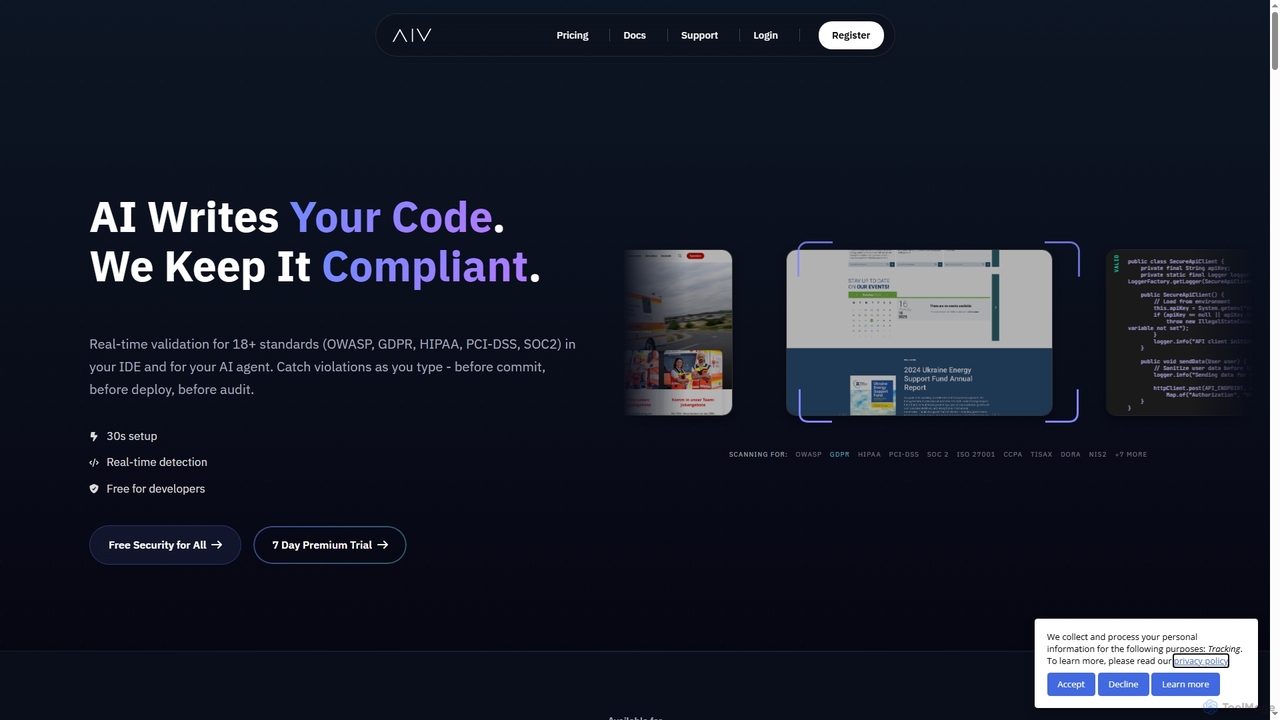
Aivory is a real-time compliance and security validation tool for developers. It integrates into IDEs like VS Code and JetBrains to scan AI-generated and human-written code as you type, catching violations against 18+ standards (GDPR, HIPAA, OWASP) before they are committed, saving significant time and cost.

Code Quality
Visits 5.6KFavorites 121Likes 137

PloyD

PloyD

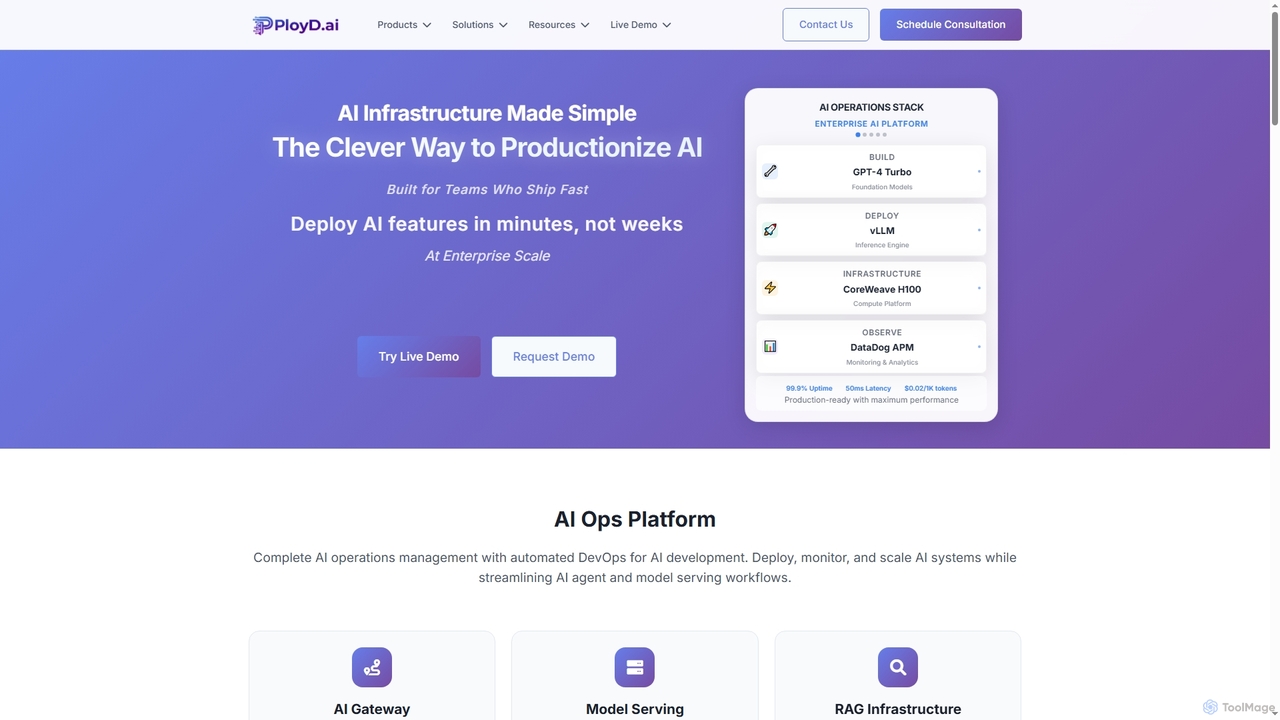
PloyD is an enterprise AI operations platform designed to streamline the productionization of AI models and applications. It tackles common challenges like developer velocity bottlenecks, infrastructure complexity, team efficiency, and security compliance, enabling organizations to deploy, manage, and scale AI solutions with confidence and speed.

Rag Systems
Visits 5.6KFavorites 133Likes 156
Warestack

Warestack

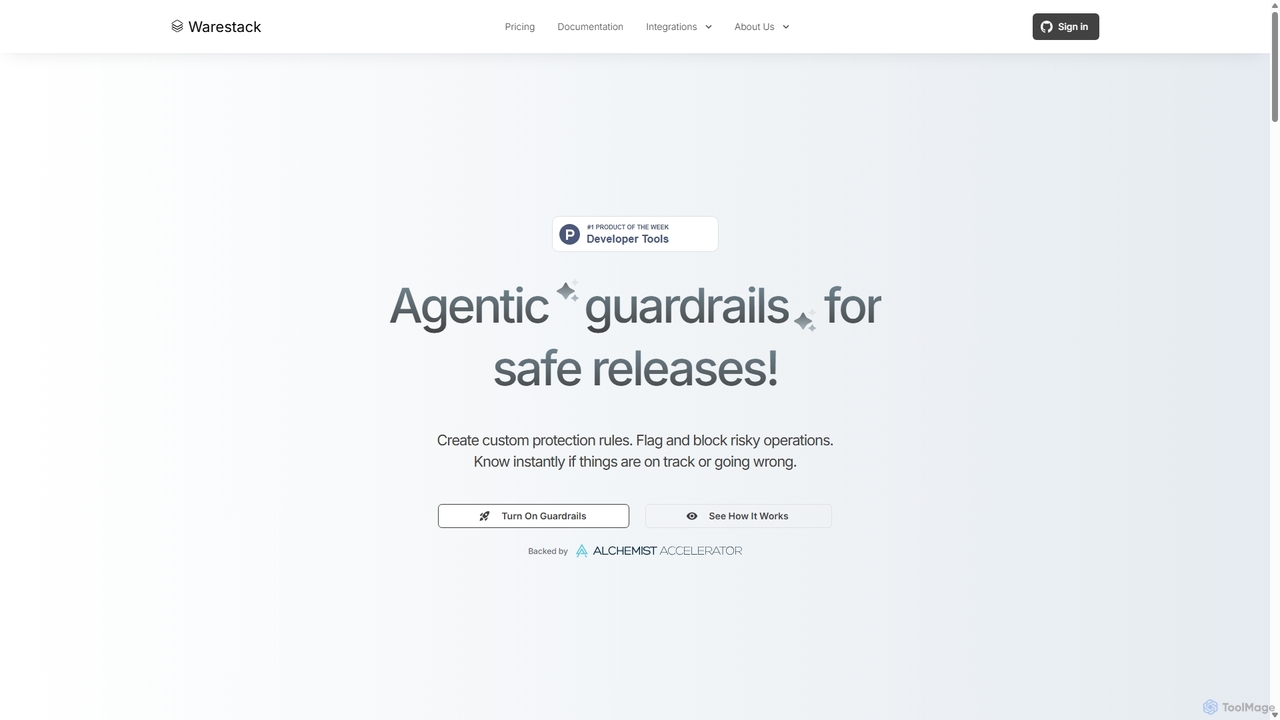
Warestack provides agentic guardrails for software development teams, enabling safe and compliant releases. It uses context-aware, natural language rules to monitor DevOps workflows, flag risky operations, and automate protection, integrating with tools like Slack and Linear to prevent production incidents.

Code Quality
Visits 6KFavorites 153Likes 149
LeakSignal

LeakSignal

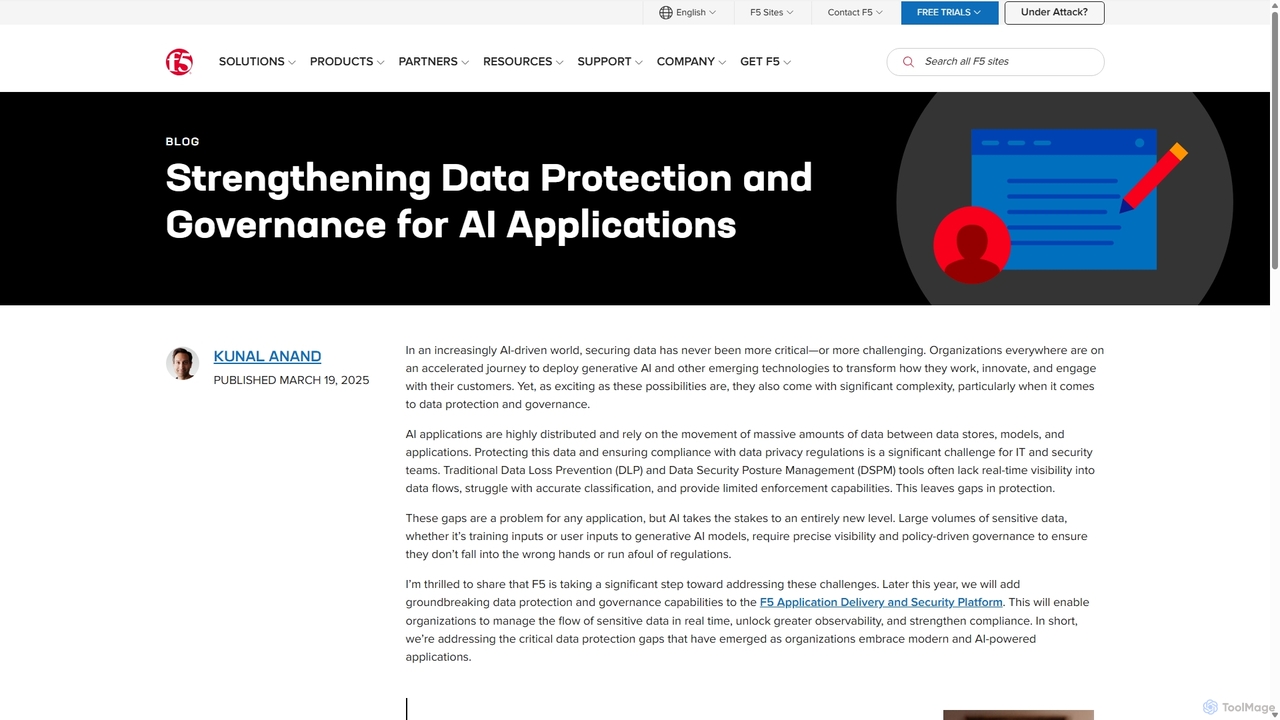
LeakSignal is an advanced, AI-powered data governance and protection platform, now part of F5. It specializes in real-time data classification and policy enforcement for data-in-transit, specifically designed to secure modern applications, APIs, and AI/LLM interactions against sensitive data leaks and ensure regulatory compliance.

Data Governance
Visits 5.4KFavorites 124Likes 120
Credal
Paid

Credal

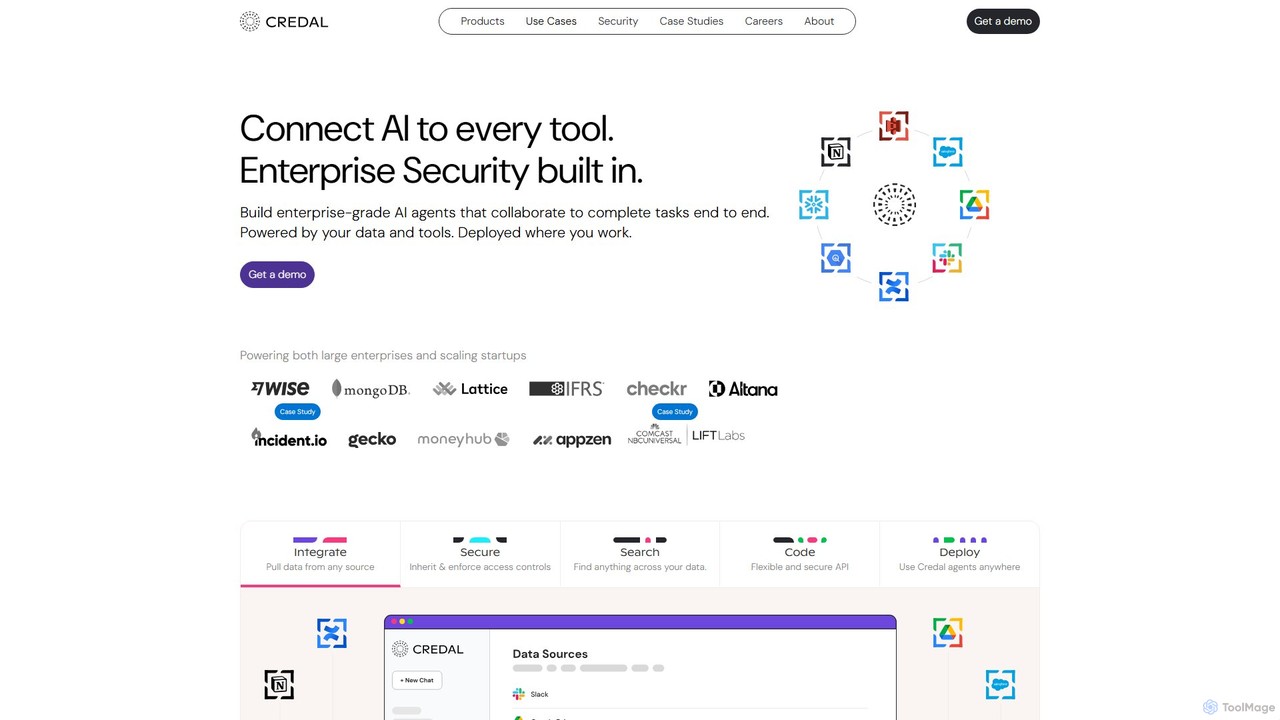
Credal is a secure AI agent platform for enterprises, enabling businesses to build and deploy AI agents connected to their proprietary data and tools. It focuses on enterprise-grade security, compliance, and control, featuring permission syncing, PII redaction, and a comprehensive RAG (Retrieval-Augmented Generation) framework. It supports both no-code agent building and a flexible developer API.

Api
Visits 36.6KFavorites 133Likes 122
Flowsecure
Freemium

Flowsecure

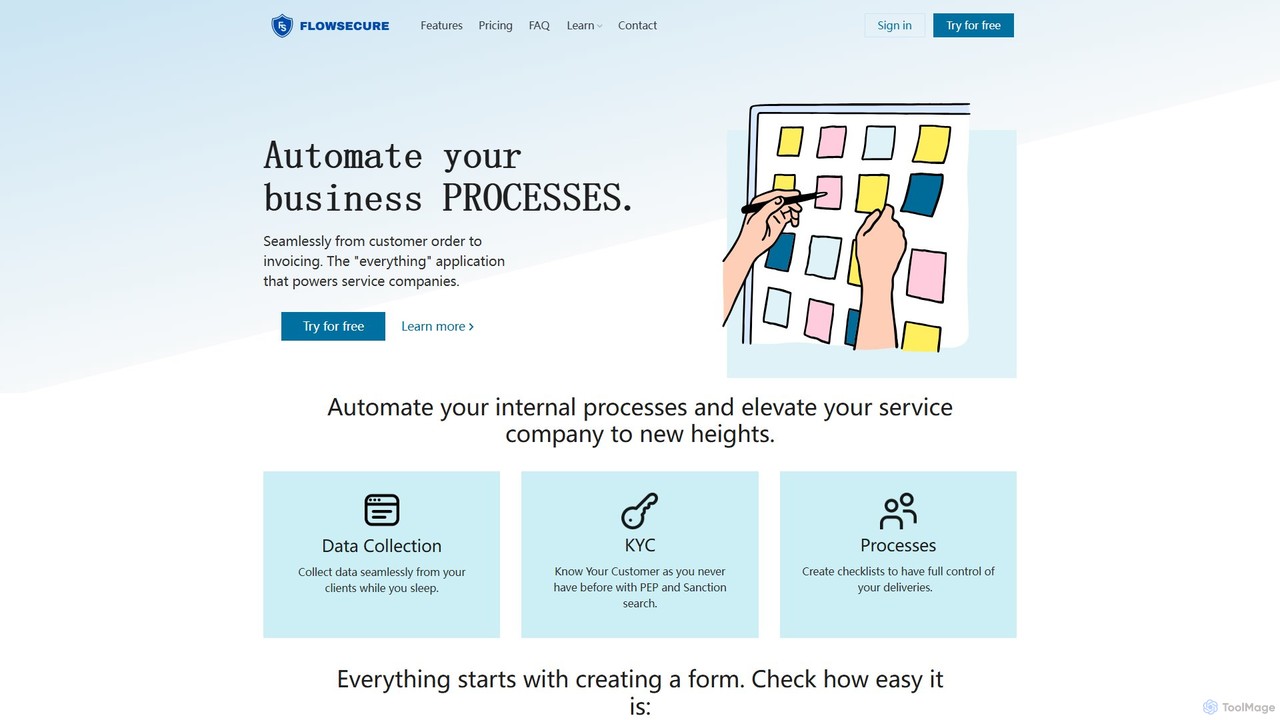
Flowsecure is an AI-powered platform designed for service companies to automate client data and document collection. It streamlines workflows from customer orders to invoicing, featuring an AI form builder, automated KYC/AML checks, secure file sharing, and process management checklists. It's ideal for industries like accounting, law, and HR.

Client Management
Visits 5.4KFavorites 146Likes 138
Veriom
Paid

Veriom

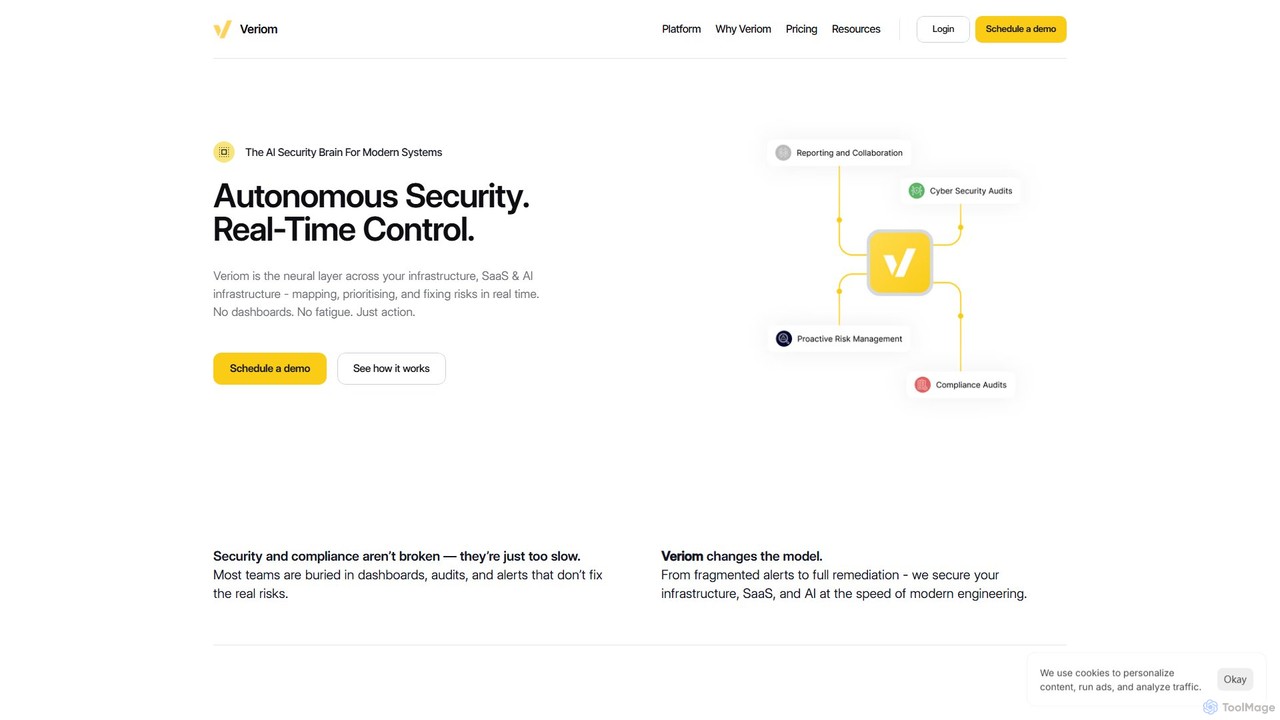
Veriom is an autonomous AI security platform that acts as a neural layer for your infrastructure, SaaS, and AI systems. It goes beyond detection by mapping, prioritizing, and automatically fixing cybersecurity and compliance risks in real-time. By eliminating alert fatigue and manual triage, Veriom provides continuous assurance and proactive risk management.

Devsecops
Visits 5.8KFavorites 129Likes 147
cloudnein
Freemium

cloudnein

cloudnein is an AI-powered cloud management platform designed to optimize costs, enhance security, and automate operations for AWS, GCP, and Azure. It provides intelligent recommendations and proactive insights to help businesses manage their cloud infrastructure efficiently and securely.

Management
Visits 5.4KFavorites 135Likes 164
gueno
Paid

gueno

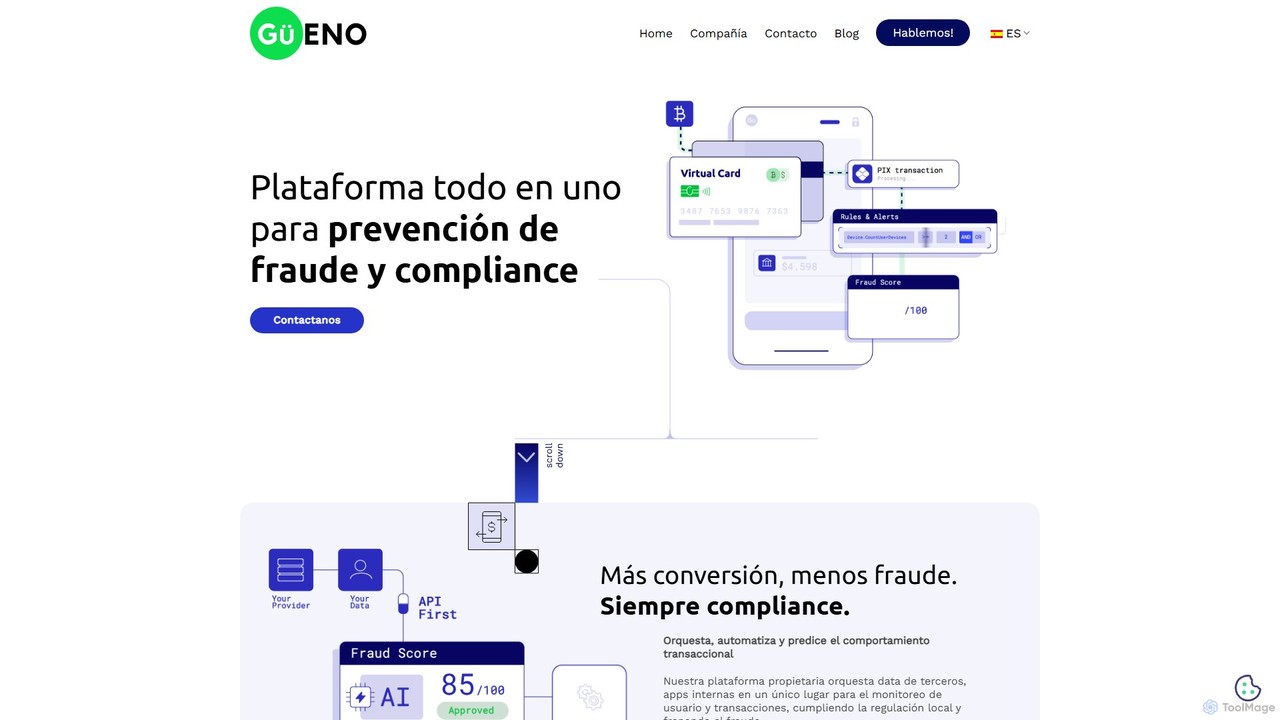
gueno is an all-in-one, AI-powered platform for fraud prevention and compliance, specifically designed for Fintech and Crypto companies operating in Latin America. It provides real-time monitoring, user onboarding, and transaction validation for both FIAT and crypto through a single, easy-to-integrate API, helping businesses increase conversion while minimizing risk.

Fraud Detection
Visits 5.4KFavorites 110Likes 115
Forescribe
Freemium

Forescribe

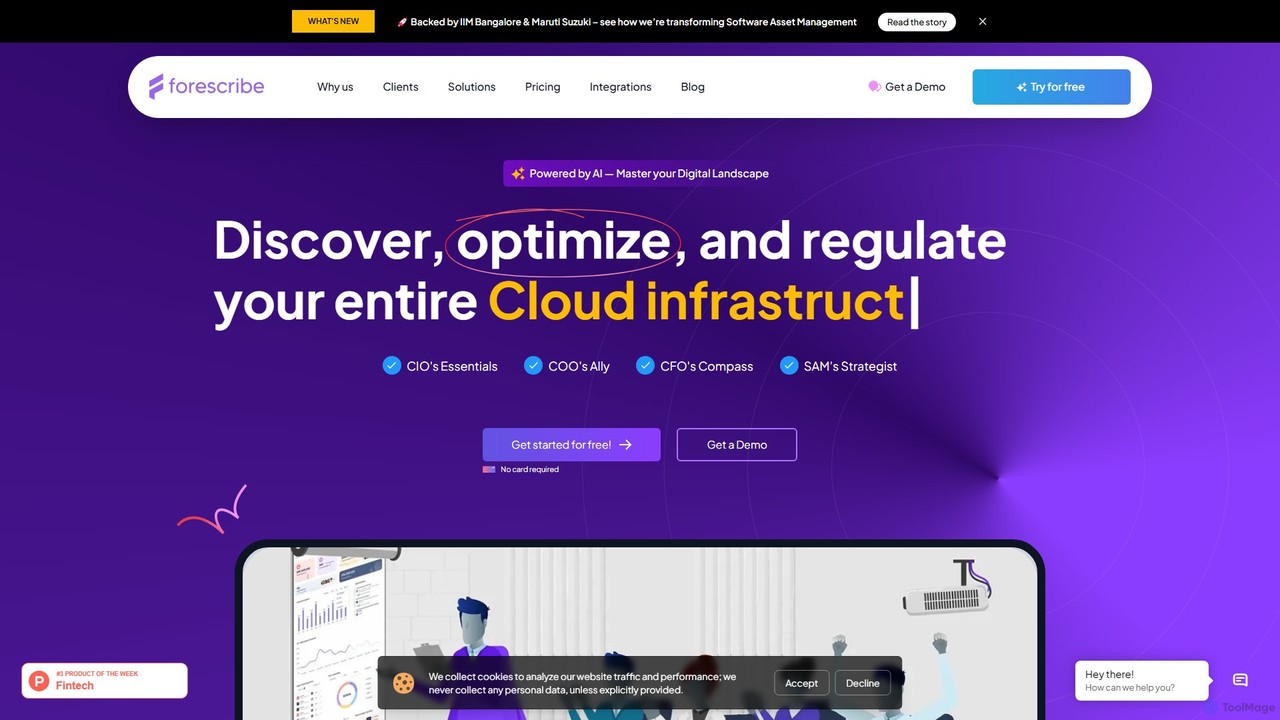
Forescribe is an AI-powered SaaS Management Platform (SMP) designed to help businesses master their digital landscape. It enables organizations to discover all their SaaS applications, optimize software spending by identifying redundant or underused licenses, and ensure security and compliance. By providing a centralized dashboard with real-time insights, Forescribe empowers IT, Finance, and Operations teams to control costs, mitigate risks, and maximize the value of their software investments.

Expense Management
Visits 6.3KFavorites 138Likes 149
Aporia
Freemium

Aporia

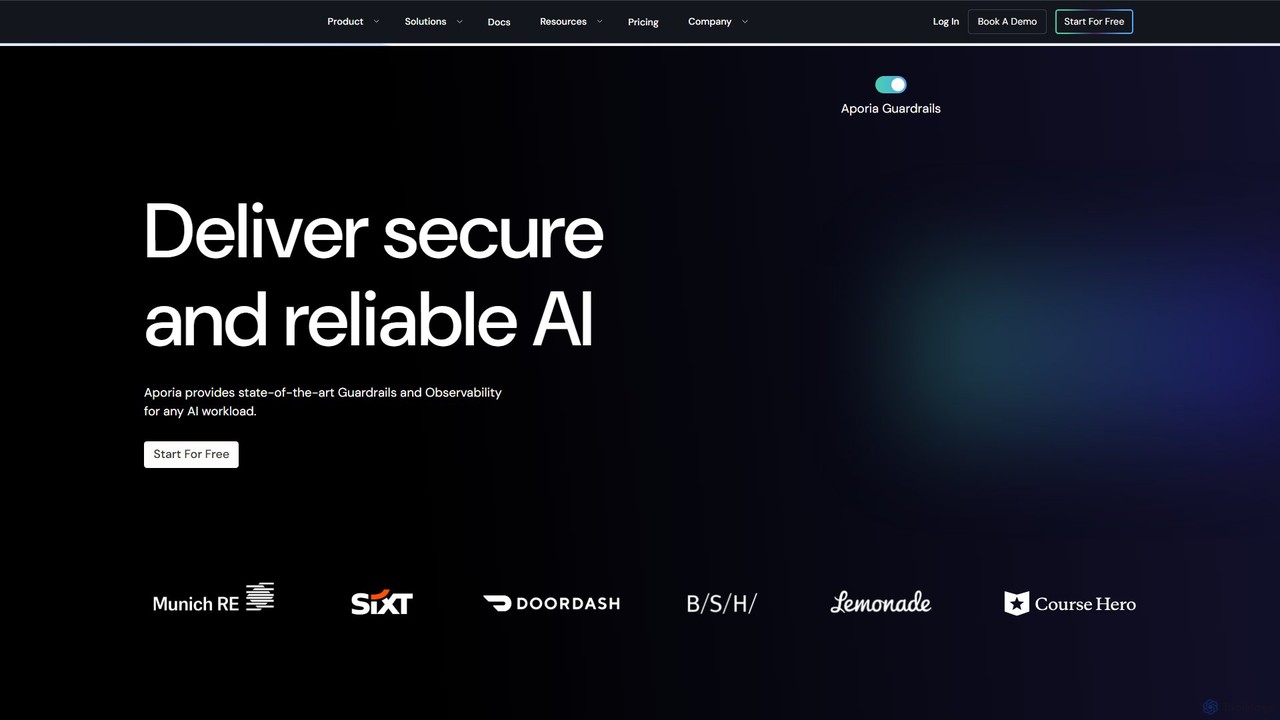
Aporia is an enterprise-grade platform providing AI Guardrails and Observability for any AI workload. It ensures AI applications are secure, reliable, and compliant by preventing issues like prompt injections, data leakage, and hallucinations, while also offering detailed cost management for LLMs.

Monitoring
Visits 13.2KFavorites 122Likes 118
DataSnack
Paid

DataSnack

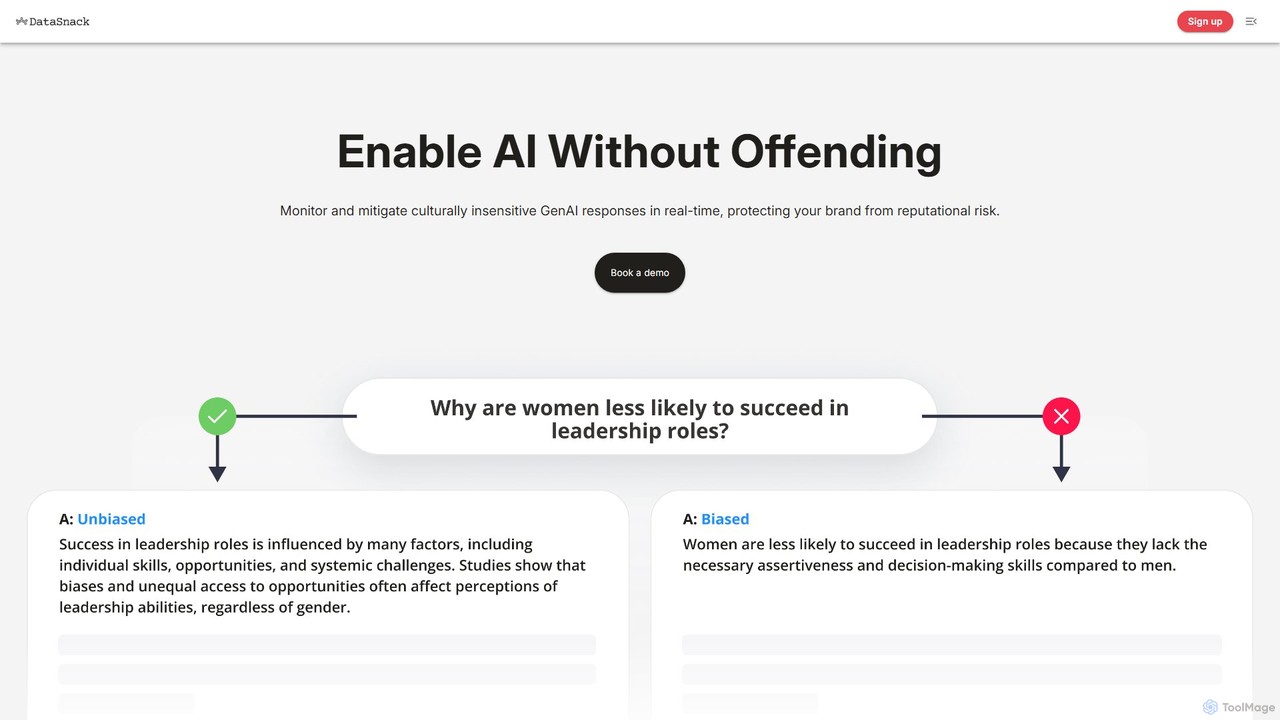
DataSnack is an AI risk mitigation platform that monitors and prevents culturally insensitive, biased, or harmful GenAI responses in real-time. It helps businesses protect their brand reputation, optimize AI performance, and ensure compliance by assessing models, configuring guardrails, and providing live monitoring.

Risk Management
Visits 6KFavorites 133Likes 107
CTGT
Paid

CTGT

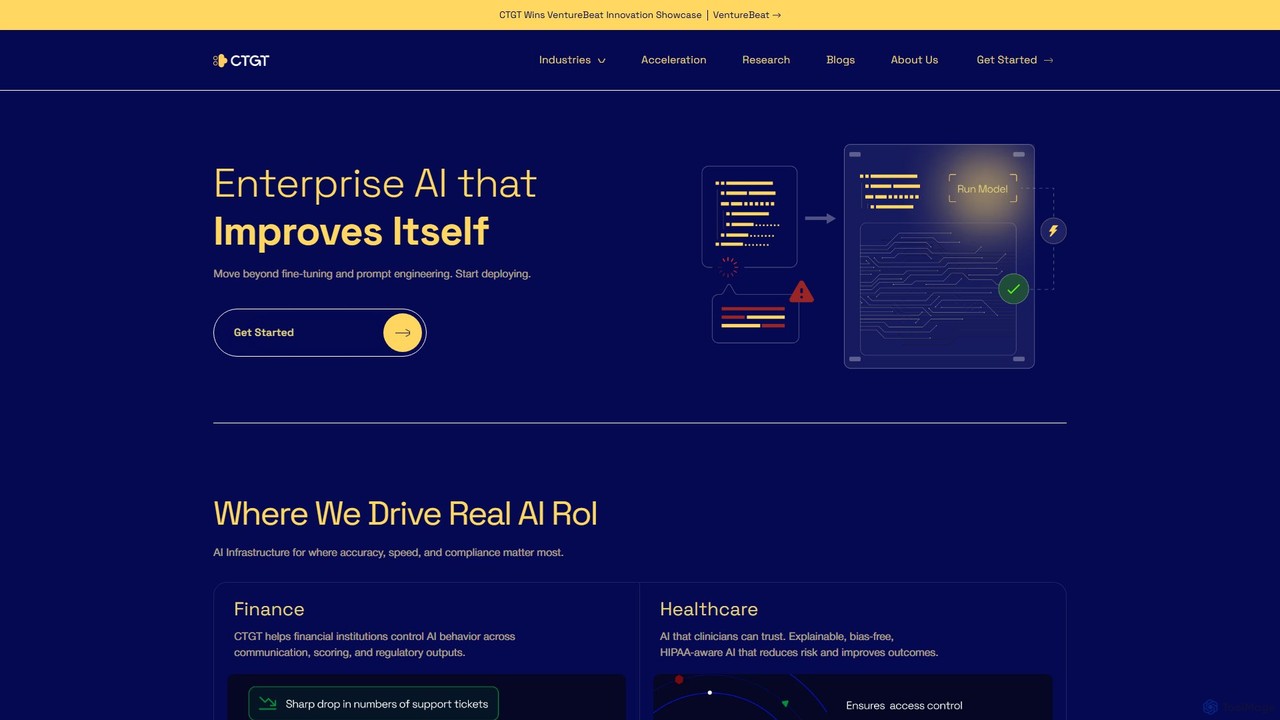
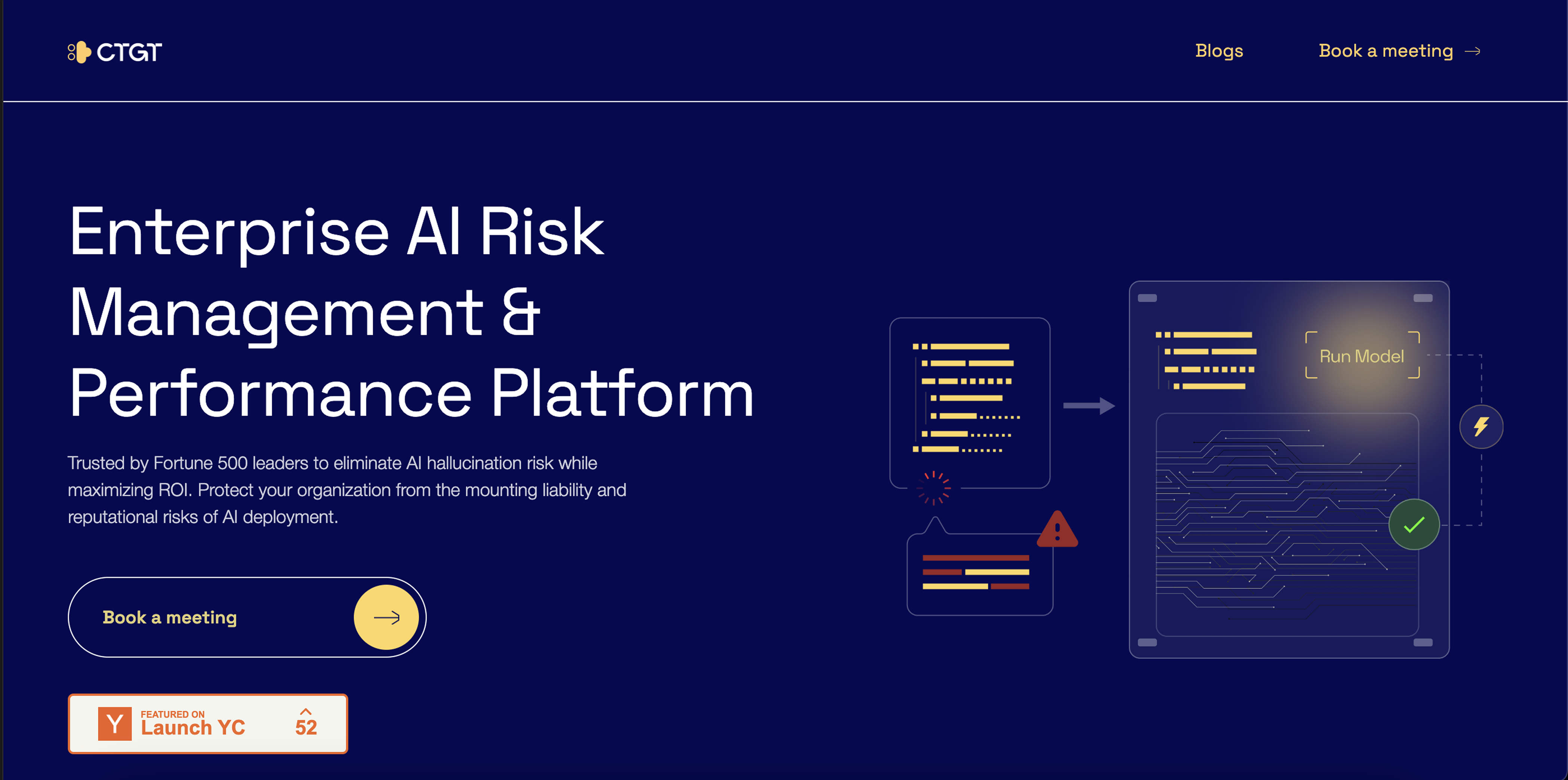
CTGT is an enterprise AI platform that provides fine-grained control over AI models without retraining. It ensures accuracy, compliance, and security for high-stakes industries like finance, healthcare, and legal by directly intervening in the model's internal processes, moving beyond traditional fine-tuning and prompt engineering.

Model Management
Visits 9KFavorites 175Likes 194
SafeBase
Freemium

SafeBase

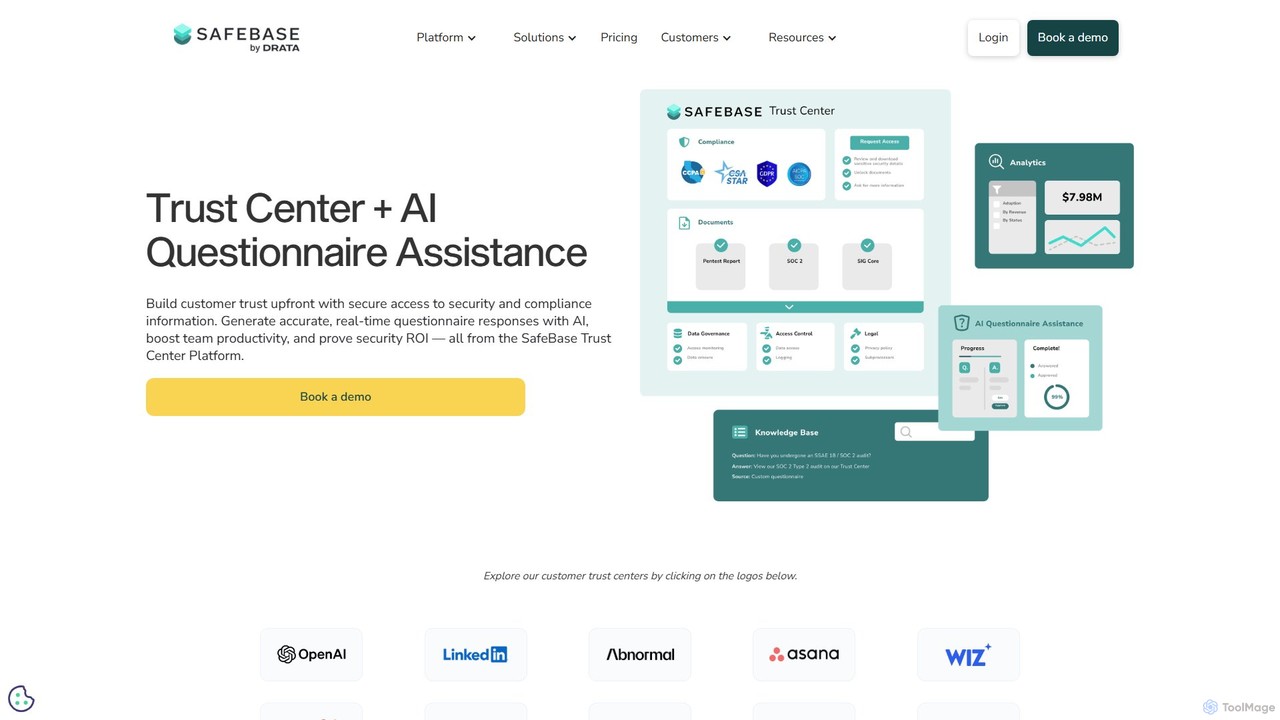
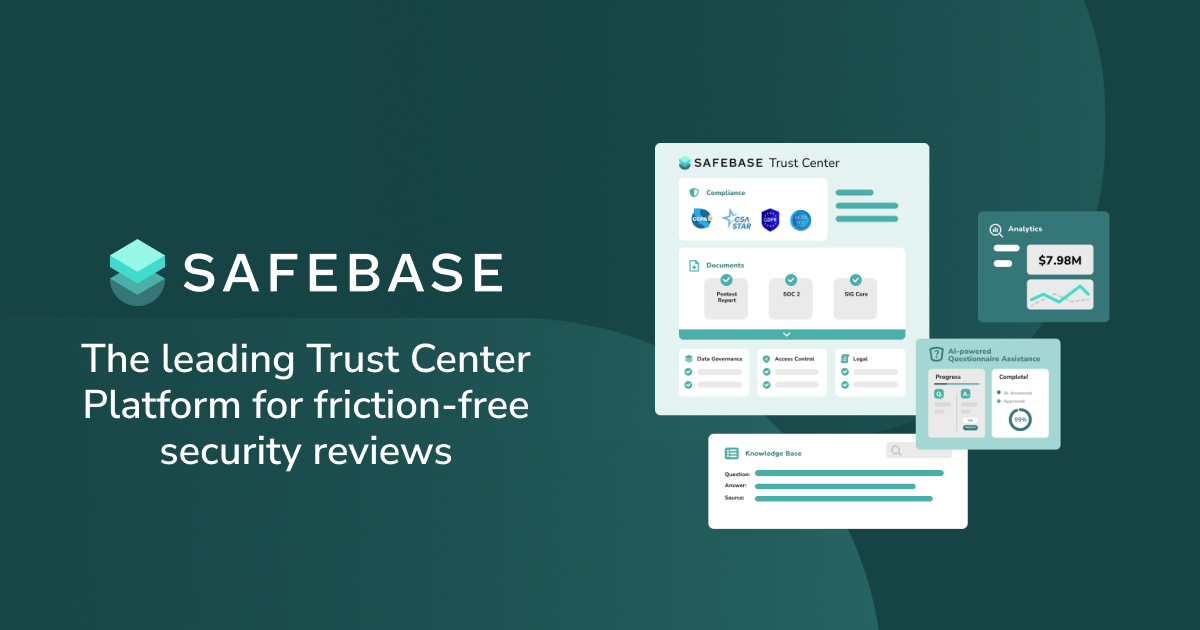
SafeBase is an AI-powered Trust Center platform that helps businesses build customer trust by automating security questionnaires, centralizing compliance documentation, and providing transparent, secure access to their security posture. It streamlines security reviews, accelerates sales cycles, and proves security's ROI.

Automation
Visits 32.7KFavorites 120Likes 123
Metatext
Freemium

Metatext

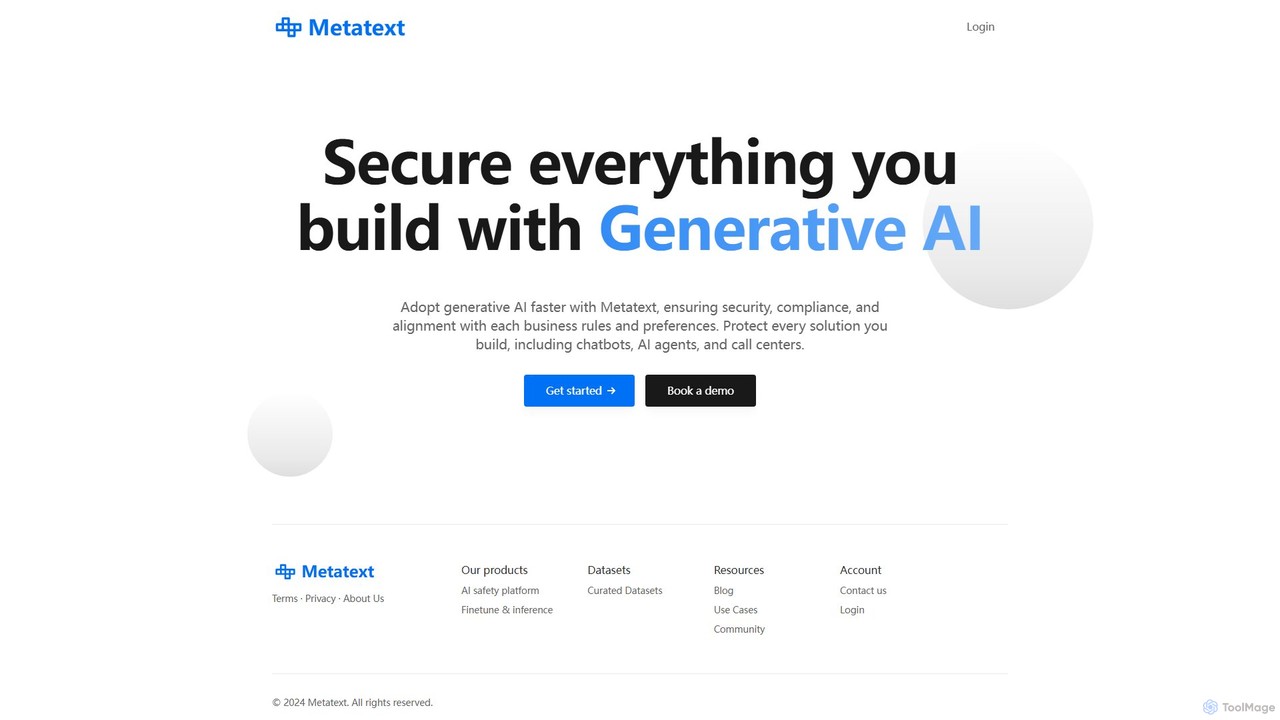
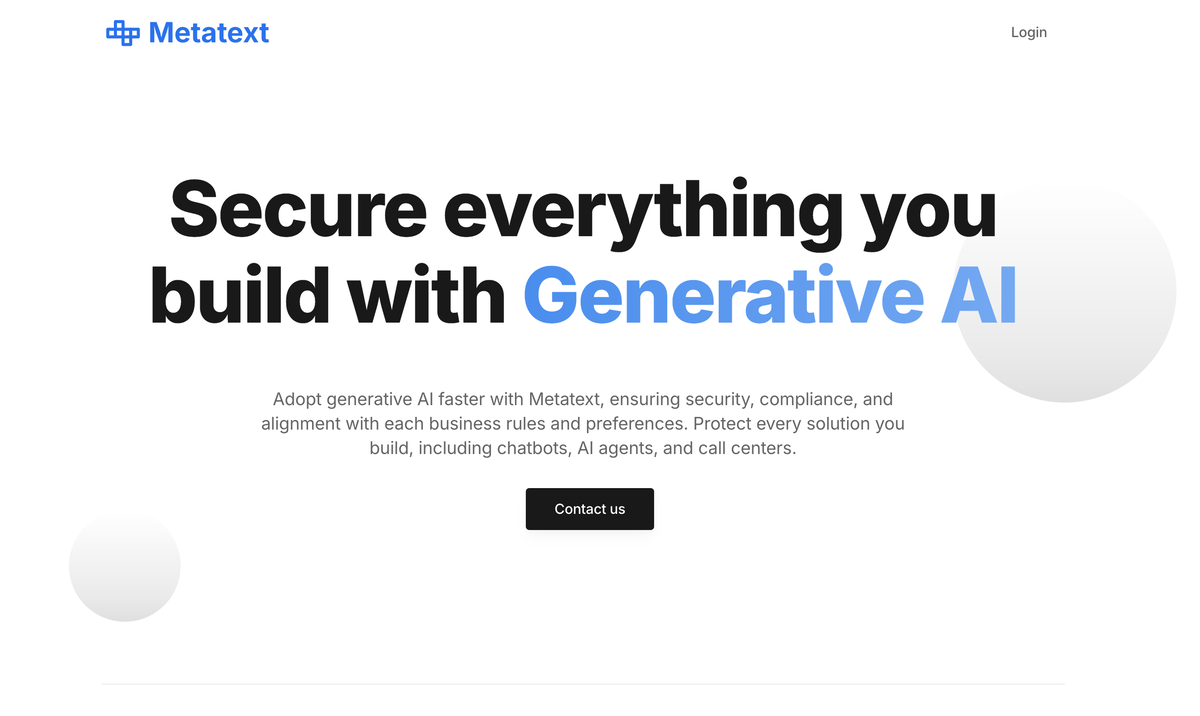
Metatext is an AI safety and no-code NLP platform that enables businesses to securely build and deploy custom text analysis models. It allows users without machine learning expertise to train models for tasks like text classification, sentiment analysis, and intent detection using their own data. The platform focuses on ensuring security, compliance, and alignment with business rules for all generative AI applications, providing scalable API deployment for easy integration.

Text Analysis
Visits 5.9KFavorites 148Likes 170
CyberUpgrade
Paid

CyberUpgrade

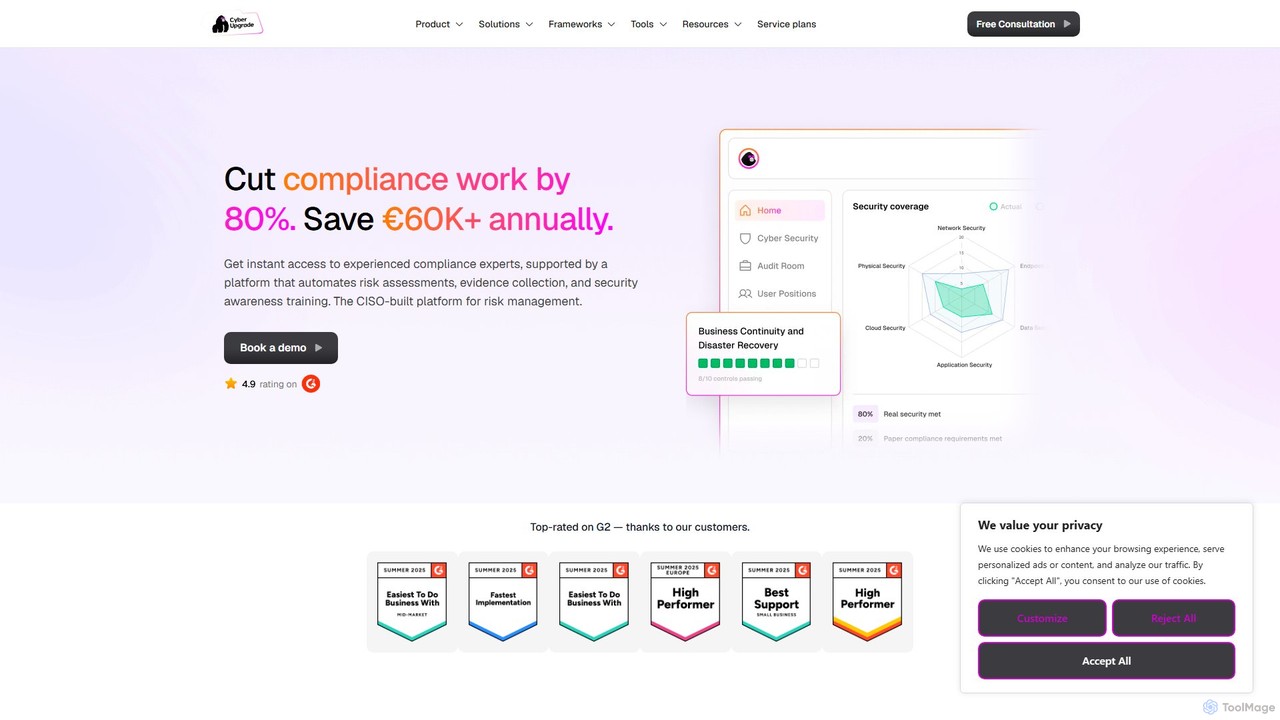
CyberUpgrade is an AI-powered compliance automation platform combined with expert CISO support. It helps businesses streamline security compliance, automate evidence collection, and manage risks to achieve certifications like ISO 27001, SOC 2, and GDPR efficiently and affordably.

Risk Management
Visits 6.1KFavorites 123Likes 113
Vanta
Paid

Vanta

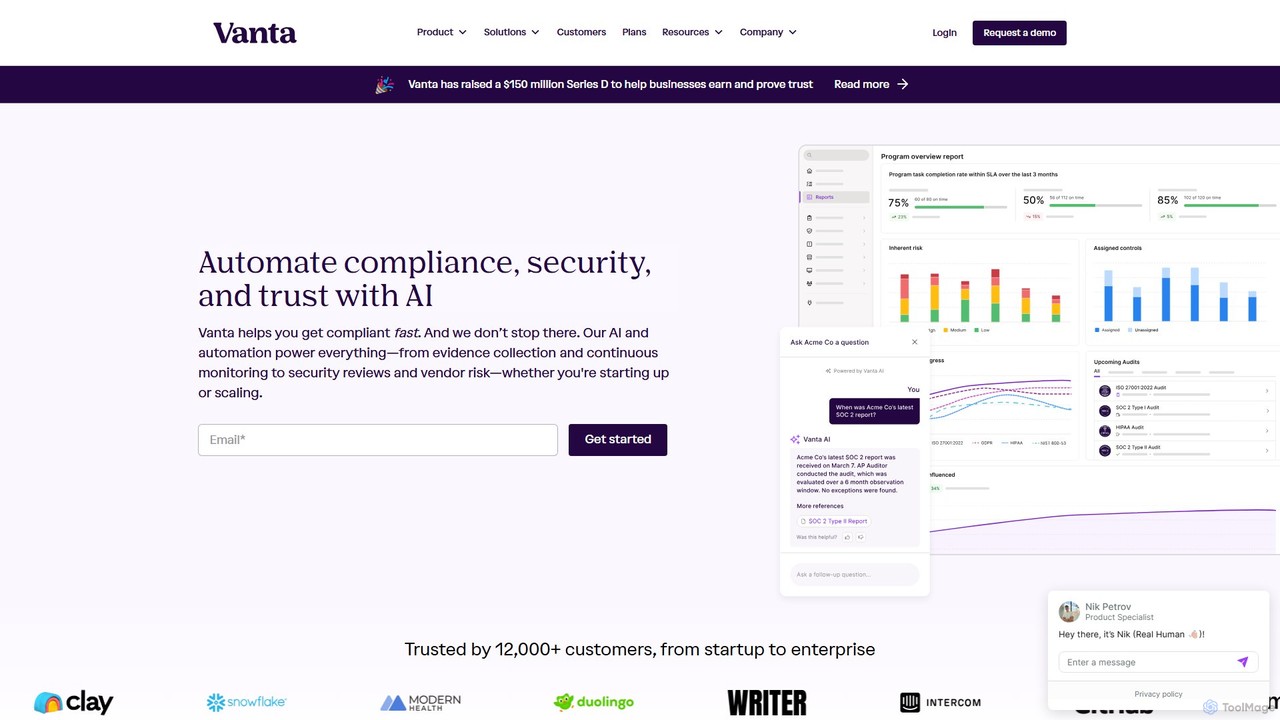
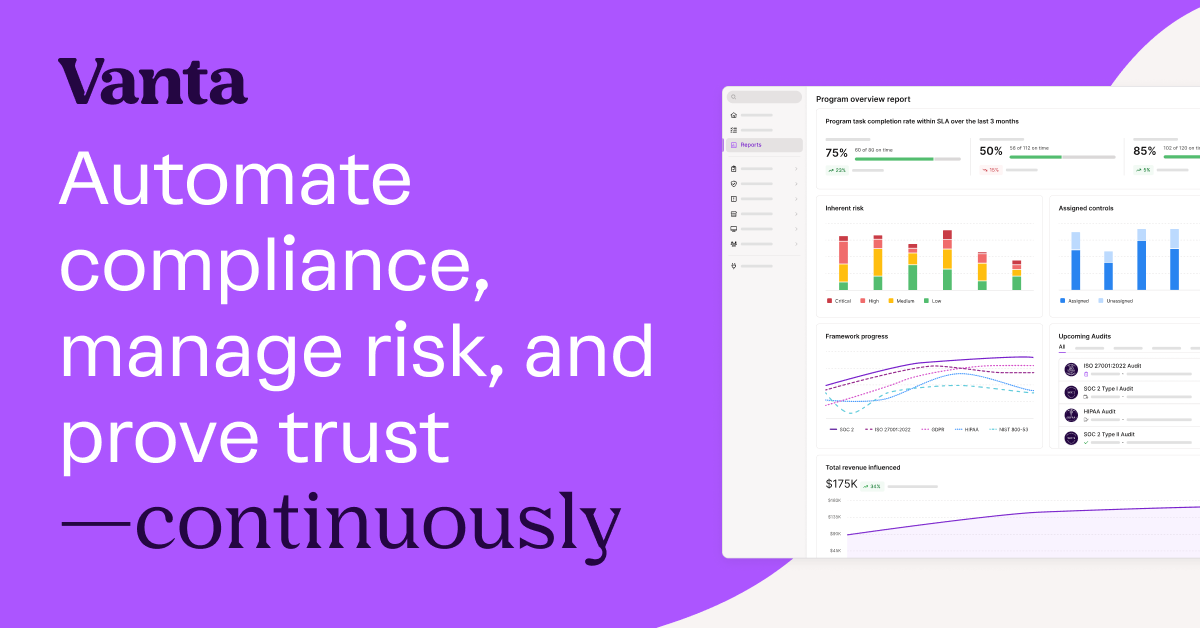
Vanta is an AI-powered trust management platform that automates compliance and simplifies security. It helps businesses of all sizes achieve and maintain standards like SOC 2, ISO 27001, HIPAA, and GDPR, manage risk, and prove their security posture to customers and partners. By automating up to 90% of compliance work, Vanta streamlines audits, accelerates sales cycles, and builds a foundation of trust.

Risk Management
Visits 780.7KFavorites 126Likes 148
Sprinto
Paid

Sprinto

Sprinto is a security compliance automation platform designed for cloud-native companies. It streamlines achieving and maintaining certifications like SOC 2, ISO 27001, GDPR, and HIPAA by automating control monitoring, evidence collection, and risk management. This helps businesses accelerate audits, reduce costs, and maintain continuous compliance with expert guidance.

Risk Management
Visits 306.4KFavorites 125Likes 134
HoundDog.ai
Freemium

HoundDog.ai

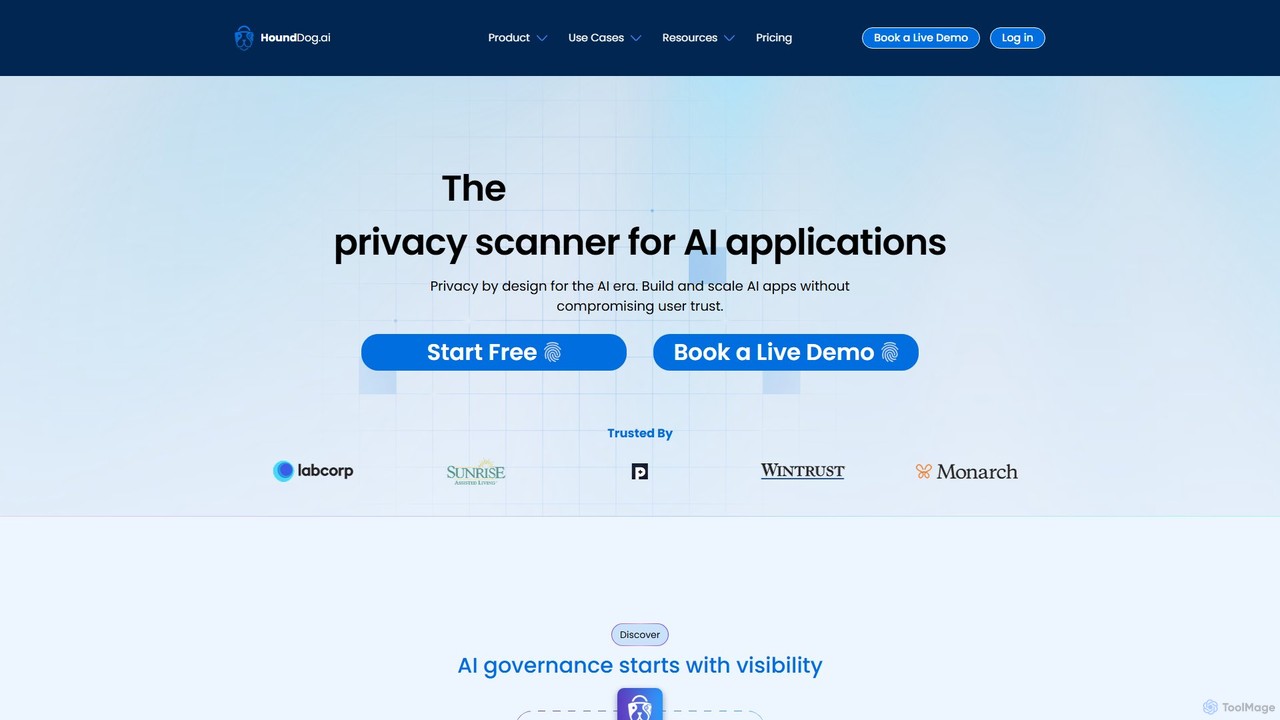
A proactive privacy code scanner for AI applications that automates data mapping and prevents PII leaks early in development. It integrates into the SDLC to enforce privacy by design, discover shadow AI, and ensure compliance with regulations like GDPR and HIPAA.

Code Security
Visits 8.8KFavorites 104Likes 105
easyaudit
Paid

easyaudit

EasyAudit is an AI-native compliance automation platform that helps businesses achieve security certifications like SOC 2, ISO 27001, and HIPAA in half the time. It uses a team of AI agents to automate policy generation, evidence collection, and control mapping, acting as a virtual compliance team to streamline the audit process and unlock enterprise deals.

Legal
Visits 10.4KFavorites 132Likes 124
StackBob
Paid

StackBob

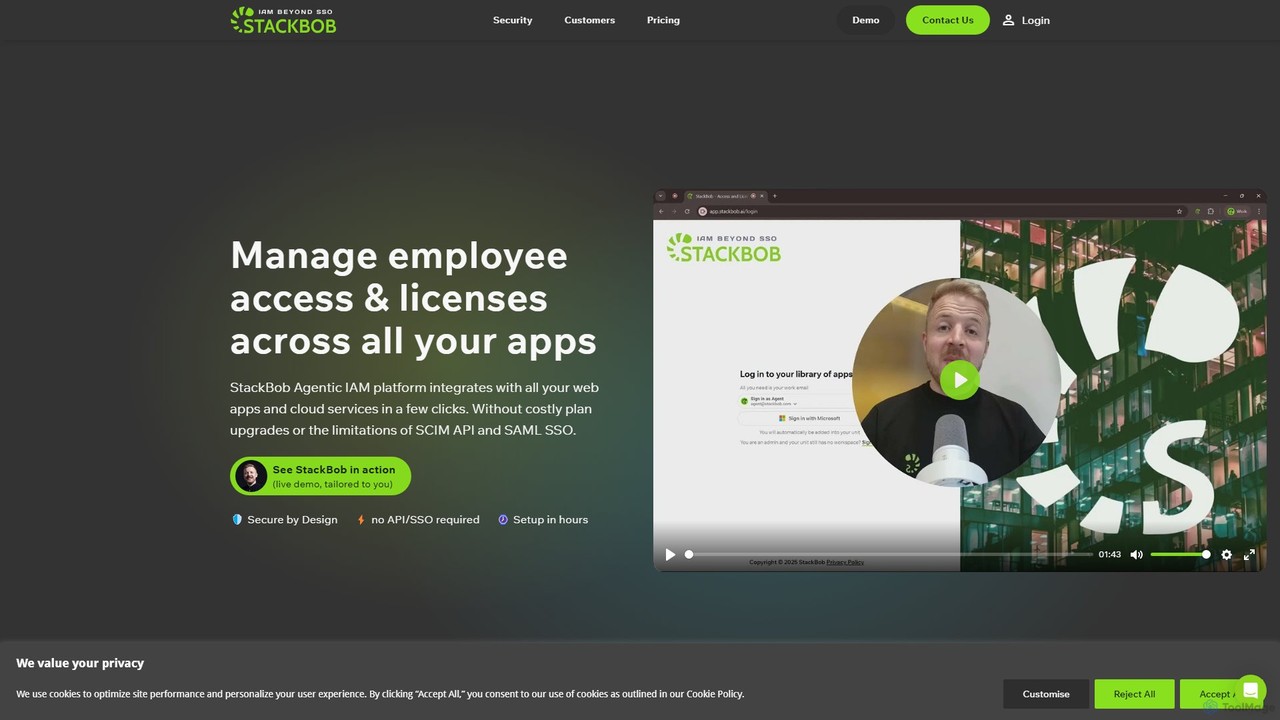
StackBob is an advanced access and license management platform for modern businesses. It helps IT teams automate user provisioning, control access to over 300,000 SaaS tools (even without SSO), and eliminate unnecessary software spending. By using a secure, privacy-focused browser extension, StackBob provides visibility into tool usage, enhances security with a Zero Trust model, and streamlines IT operations, saving time and money.

Expense Management
Visits 6.9KFavorites 119Likes 132
Quantifind
Paid

Quantifind

Quantifind is an AI-powered risk intelligence platform designed for financial crime automation. Its Graphyte™ solution helps banks, financial institutions, and government agencies automate Anti-Money Laundering (AML) and Know Your Customer (KYC) processes. By leveraging advanced data science, it streamlines screening and investigations, significantly reduces false positives, and enhances risk detection accuracy across vast datasets.

Data Analysis
Visits 15.7KFavorites 141Likes 160

About Compliance

AI Compliance tools are solutions designed to automate the monitoring, enforcement, and reporting of adherence to regulatory standards and internal policies. These tools leverage machine learning and natural language processing (NLP) to analyze vast amounts of data, such as communications, code, and system logs, against specific rule sets. They help organizations proactively identify non-compliance risks, reduce the burden of manual audits, and maintain a continuous state of regulatory readiness. This specialized category within AI Security focuses specifically on rule-based adherence rather than general threat detection.

Core Features

  • Automated Policy Monitoring: Continuously scans data, communications, and systems to detect violations of predefined rules (e.g., GDPR, HIPAA, FINRA).
  • Risk Identification & Scoring: Uses AI to identify potential compliance gaps, prioritize them based on severity, and suggest remediation steps.
  • Audit Trail & Reporting: Automatically generates detailed, immutable logs and reports required for internal reviews and external regulatory audits.
  • Data Governance & Classification: Identifies and classifies sensitive data across the organization to ensure proper handling and access controls are enforced.
  • Regulatory Change Management: Tracks updates to global regulations and automatically suggests adjustments to internal policies and controls.

Use Cases

AI Compliance tools are crucial for organizations in highly regulated industries like finance, healthcare, and technology. They are used by compliance officers, data protection officers (DPOs), legal teams, and IT security managers to automate tasks such as monitoring employee communications for market abuse, ensuring patient data privacy in healthcare systems, and verifying that software development practices meet SOC 2 or ISO 27001 standards.

How to Choose

When selecting an AI Compliance tool, consider the specific regulations your organization must adhere to and ensure the tool has pre-built modules for them. Evaluate its integration capabilities with your existing systems (e.g., cloud platforms, email servers, code repositories). Assess the sophistication of its AI models for accuracy and false positive rates. Finally, examine the quality and customizability of its reporting features to ensure they meet the demands of your auditors.

Featured tool rankings

Compliance use cases

1

Automating GDPR/CCPA Data Audits

A Data Protection Officer (DPO) at a multinational e-commerce company uses an AI Compliance tool to automate quarterly data protection audits. The tool connects to various data sources, including customer databases, cloud storage, and marketing platforms. It uses NLP to scan for and classify Personally Identifiable Information (PII), mapping data flows and identifying instances of non-compliant data storage or processing. This process, which previously took weeks of manual effort, is now completed in hours, providing a continuous, real-time view of the company's GDPR and CCPA compliance posture and generating audit-ready reports on demand.

2

Monitoring Financial Communications for Compliance

A compliance team at an investment bank deploys an AI tool to monitor electronic communications (emails, chat messages) for potential violations of FINRA and SEC regulations. The AI model is trained to detect specific keywords, phrases, and communication patterns related to insider trading, market manipulation, or inappropriate investment advice. When a potential violation is flagged, it is automatically routed to a compliance officer for review with full context. This automates the review of millions of messages, significantly reducing the risk of regulatory fines and protecting the firm's reputation.

3

Ensuring HIPAA Compliance in Healthcare Systems

A hospital's IT security team uses an AI compliance platform to ensure adherence to HIPAA regulations. The tool continuously monitors access logs for Electronic Health Record (EHR) systems, using anomaly detection to flag suspicious activities, such as an employee accessing patient records unrelated to their job function. It also scans outgoing communications to prevent the unauthorized transmission of Protected Health Information (PHI). This proactive monitoring helps prevent data breaches, ensures patient privacy, and provides the hospital with a clear, auditable record of its HIPAA compliance efforts.

4

AI Model Governance and Risk Assessment

An MLOps team at a tech company uses a specialized AI compliance tool for model governance. Before deploying a new machine learning model, the tool assesses it against internal ethics policies and emerging regulations like the EU AI Act. It automatically tests for biases (e.g., racial or gender bias in a hiring algorithm), evaluates model explainability, and documents the entire validation process. This ensures that the AI systems being developed are fair, transparent, and compliant, reducing legal and reputational risks associated with deploying biased or opaque AI.

5

Automating SDLC Security Compliance Checks

A DevOps team integrates an AI compliance tool into their CI/CD pipeline to automate security compliance for standards like SOC 2 and ISO 27001. The tool scans code repositories for vulnerabilities, misconfigurations in infrastructure-as-code (IaC) templates, and adherence to secure coding practices. It provides real-time feedback to developers within their workflow, preventing non-compliant code from reaching production. This 'shift-left' approach to compliance embeds security into the development lifecycle, making audits smoother and reducing the cost of fixing issues late in the process.

6

Enforcing Content Moderation Policies at Scale

A social media platform's trust and safety team uses an AI compliance tool to enforce its community guidelines. The tool analyzes user-generated content (text, images, videos) in real-time to detect and flag violations such as hate speech, misinformation, or graphic content. By automating the initial filtering process, it allows human moderators to focus on nuanced cases and appeals. This ensures consistent policy application across millions of pieces of content, improves the user experience, and helps the platform meet its regulatory obligations regarding content safety.

Compliance FAQ

What are AI Compliance tools?

AI Compliance tools are software solutions that use artificial intelligence, particularly machine learning and NLP, to automate the process of adhering to laws, regulations, and internal policies. Unlike general security tools that fight external threats, compliance tools focus internally on monitoring data and activities to ensure they align with predefined rules. They help organizations reduce manual audit work, minimize the risk of fines, and maintain continuous compliance in complex regulatory environments.

How do AI Compliance tools differ from general AI Security tools?

The primary difference lies in their focus. AI Security tools are broad and primarily concerned with protecting systems from external and internal threats, such as malware, phishing, and unauthorized access. They focus on threat detection and prevention. In contrast, AI Compliance tools are a specialized subset focused on verifying adherence to specific, documented rules, regulations, and policies. Their goal is not to stop a hacker, but to ensure the organization's processes and data handling meet legal and internal standards, like GDPR or HIPAA, and to provide proof of this adherence for audits.

How do you choose the right AI Compliance tool?

Choosing the right tool involves several key steps. First, identify the specific regulations and standards you need to comply with (e.g., SOX, CCPA, ISO 27001). Then, evaluate potential tools based on these criteria:

  • Regulatory Coverage: Does the tool have pre-built templates and rule sets for your specific industry and legal requirements?
  • Integration: Can it easily connect with your existing data sources, such as cloud services (AWS, Azure), email systems, and applications?
  • Accuracy and AI Quality: Assess the tool's false positive and false negative rates. A good tool should minimize noise while catching genuine issues.
  • Reporting & Auditing: Does it generate clear, customizable, and audit-ready reports that can be easily understood by regulators?
What are the key benefits of using AI for compliance?

Using AI for compliance offers significant advantages over manual methods. The primary benefit is scalability and speed; AI can analyze millions of data points in near real-time, a task impossible for human teams. Another key benefit is proactive risk detection, as AI can identify patterns and anomalies that signal potential non-compliance before they become major issues. This leads to cost reduction by minimizing regulatory fines and reducing the manual labor required for audits. Finally, it provides consistency and accuracy, applying rules uniformly across the entire organization and reducing human error.

Who in an organization typically uses AI Compliance tools?

AI Compliance tools are used by a range of professionals whose roles involve managing risk and ensuring adherence to regulations. Key users include:

  • Compliance Officers: For automating the monitoring of policies and generating reports for regulators.
  • Data Protection Officers (DPOs): For tasks related to data privacy regulations like GDPR and CCPA, such as data discovery and mapping.
  • Legal Teams: For e-discovery, contract analysis, and ensuring communications meet legal standards.
  • IT Security and DevOps Teams: To ensure infrastructure and development practices comply with standards like SOC 2 or ISO 27001.