Utilities Best in category 3 results Scanner AI Tool

Popular AI tools in the Scanner field of Utilities include ScannerGo、olocr、CalendarScan, etc., helping you quickly improve efficiency.

CalendarScan

CalendarScan

CalendarScan is an AI-powered mobile app that lets you scan any physical calendar, schedule, or event list from …

2.5K
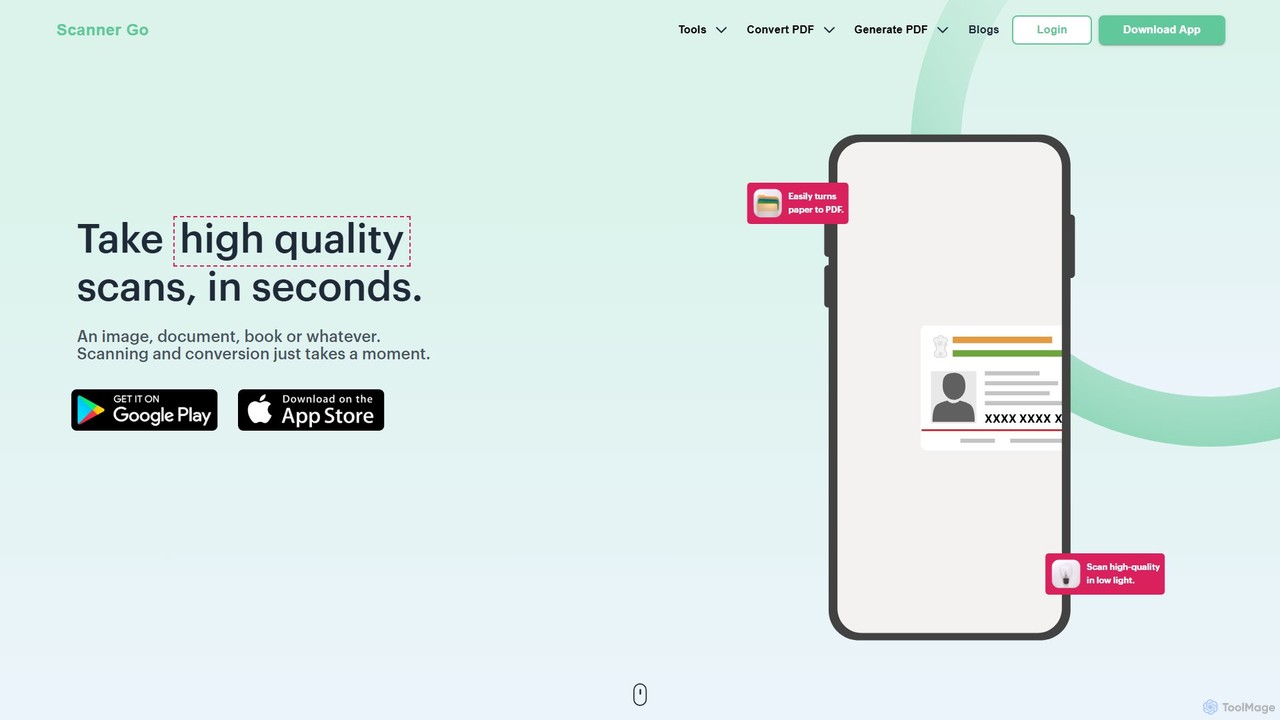
ScannerGo

ScannerGo

ScannerGo is an all-in-one productivity tool that combines a powerful mobile document scanner with a comprehensive suite of …

84.2K
Free
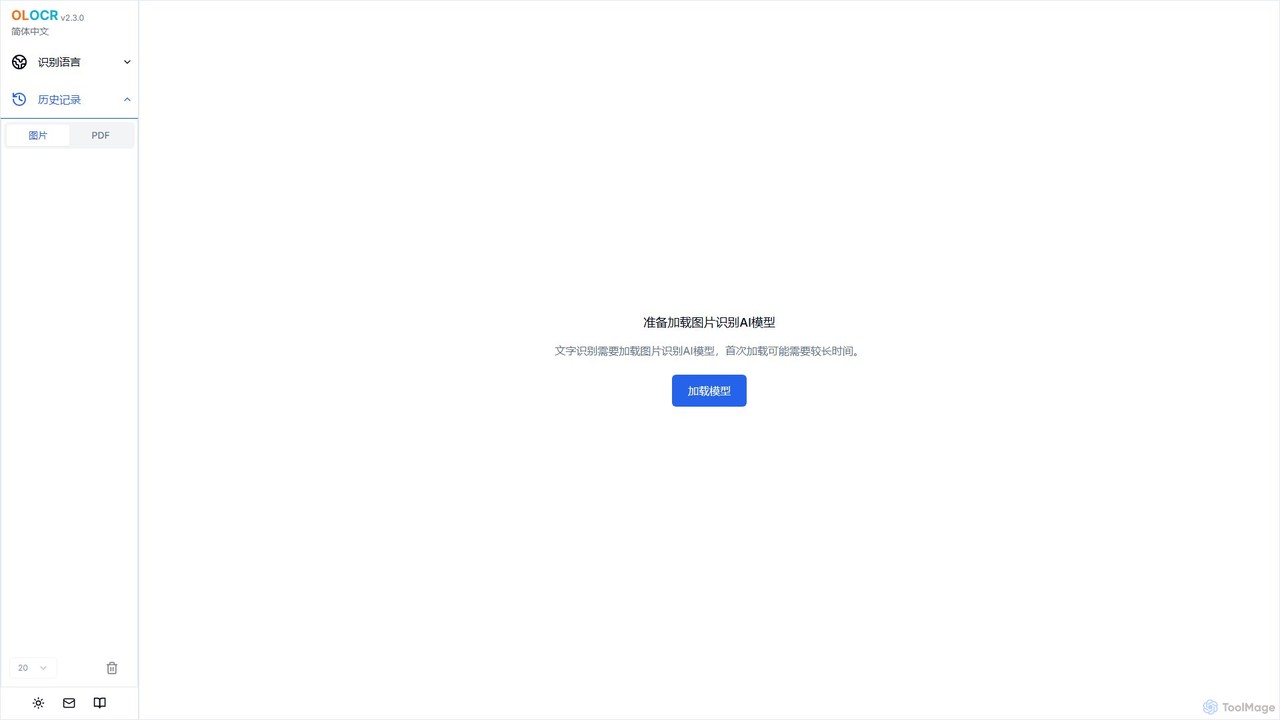
olocr

olocr

olocr is a free, privacy-focused AI OCR tool that extracts text from images and PDFs directly in your …

18.3K

About Scanner

AI Scanner tools are designed to intelligently analyze and extract information from various digital inputs, ranging from documents and images to code and network traffic. Leveraging advanced AI models like computer vision and natural language processing, they automate the identification of patterns, anomalies, and specific data points. These tools significantly enhance efficiency and accuracy in data processing, security, and compliance, making them indispensable utilities for modern digital workflows.

Core Features

  • Intelligent Data Extraction: Automatically identifies and extracts specific information (e.g., names, dates, values) from unstructured or semi-structured documents and images.
  • Pattern & Anomaly Detection: Utilizes machine learning to recognize unusual patterns or deviations in data, crucial for security, fraud detection, and quality control.
  • Content Analysis & Categorization: Processes text and visual content to understand context, categorize information, and tag relevant elements for easier retrieval.
  • Vulnerability & Compliance Scanning: Scans codebases, networks, or documents for security weaknesses, policy violations, or regulatory non-compliance.
  • OCR & Document Digitization: Converts scanned images of text into machine-readable formats, often with enhanced accuracy and layout preservation compared to traditional OCR.

Applicable Scenarios

AI Scanners are vital across industries for automating data-intensive tasks. Financial institutions use them for fraud detection and processing loan applications. Legal firms leverage them for e-discovery and contract analysis. Software development teams integrate them for continuous code quality and security checks.

How to Choose

When selecting an AI Scanner, consider its specific analytical capabilities (e.g., OCR, vulnerability, anomaly detection), integration with existing systems, and scalability for your data volume. Evaluate the accuracy of its AI models, customization options for specific data types, and the vendor's support for ongoing model training and updates. Pricing models, data privacy, and compliance certifications are also crucial factors.

ScannerUse Cases

1

Automated Invoice and Receipt Processing

Finance departments and small business owners can use AI Scanners to automatically extract key data like vendor names, amounts, dates, and line items from scanned invoices and receipts. This eliminates manual data entry, reduces errors, and accelerates expense reporting and reconciliation processes, saving significant time and improving accuracy for hundreds of documents daily.

2

Cybersecurity Vulnerability Detection

Security teams and developers deploy AI-powered network and code scanners to proactively identify vulnerabilities in software applications and IT infrastructure. These tools analyze code for common weaknesses (e.g., SQL injection, XSS) and monitor network traffic for suspicious activities or misconfigurations, significantly reducing the attack surface and ensuring compliance with security standards before deployment.

3

Fraud Detection in Financial Transactions

Banks and credit card companies utilize AI Scanners to monitor vast volumes of transaction data in real-time. These scanners identify subtle anomalies and patterns indicative of fraudulent activities, such as unusual spending habits, geographical discrepancies, or rapid successive transactions. This proactive detection helps prevent financial losses and protects customer accounts by flagging suspicious transactions for immediate review.

4

Legal Document Review and E-Discovery

Legal professionals and paralegals use AI Scanners to efficiently review vast collections of legal documents, contracts, and emails during litigation or due diligence. These tools can identify and extract relevant clauses, entities, dates, and PII, as well as flag privileged or sensitive information, drastically reducing the time and cost associated with manual document review and improving compliance with discovery requests.

5

Quality Control in Manufacturing

Manufacturers can deploy AI Scanners with computer vision capabilities to inspect products on assembly lines for defects, inconsistencies, or deviations from quality standards. These scanners can rapidly analyze images or videos of items, identifying flaws that might be missed by the human eye or traditional sensors, ensuring higher product quality and reducing waste by catching issues early in the production process.

6

Compliance Monitoring for Data Privacy

Data privacy officers and compliance teams use AI Scanners to automatically identify and redact Personally Identifiable Information (PII) or other sensitive data across documents, emails, and databases. These tools ensure adherence to regulations like GDPR, HIPAA, or CCPA by flagging non-compliant data handling practices and providing automated redaction capabilities, minimizing legal risks and protecting sensitive information at scale.

ScannerFrequently Asked Questions