ToolMage
Sign in

Best 34 Music Production AI tools for Audio

Popular Music Production AI tools in Audio include BandLab, Splice, LANDR, Fadr, Samplab, Co-producer, Beatstorapon, Music AI, Splitter.ai, and LANDR Studio, helping you work more efficiently.

OmMuse
Freemium

OmMuse

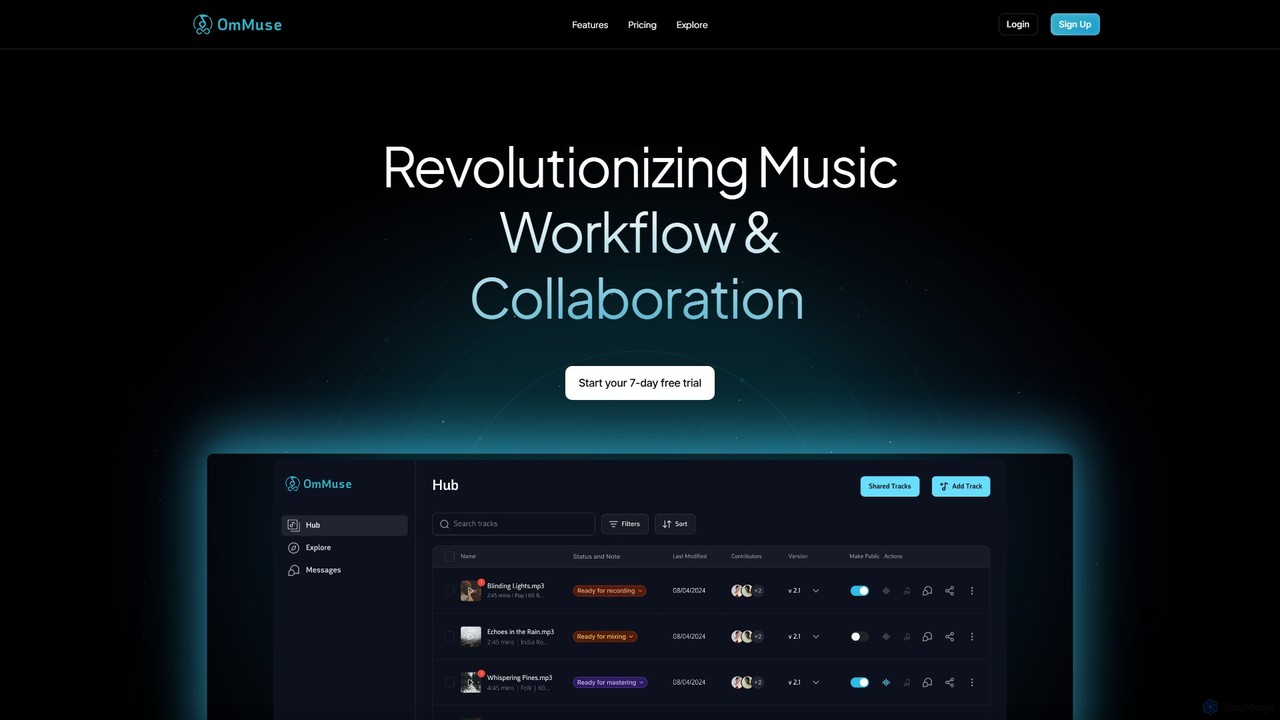
A comprehensive AI-powered platform for musicians and music companies. OmMuse revolutionizes music workflow with centralized storage, global collaboration tools, AI-based organization, integrated mastering, and future-ready distribution and royalty management. It's designed to help artists store, create, collaborate, and share their music seamlessly.

Music Production
Visits 22.3KFavorites 116Likes 118
99beats
Freemium

99beats

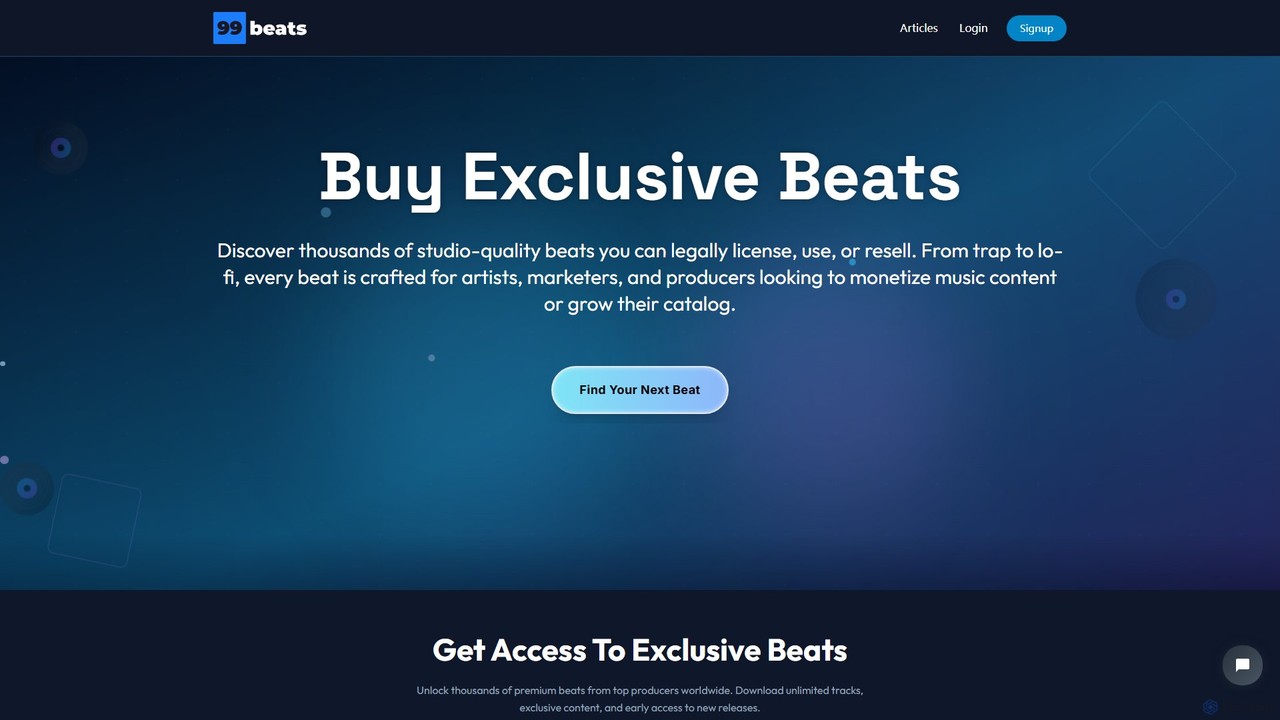
99beats is a premier marketplace offering thousands of exclusive, studio-quality beats for artists, producers, and content creators. Discover and legally license music across diverse genres like Hip Hop, Drill, Trap, and Lo-fi to monetize your content or expand your music catalog.

Music Production
Visits 9.3KFavorites 107Likes 119
BandLab
Freemium

BandLab

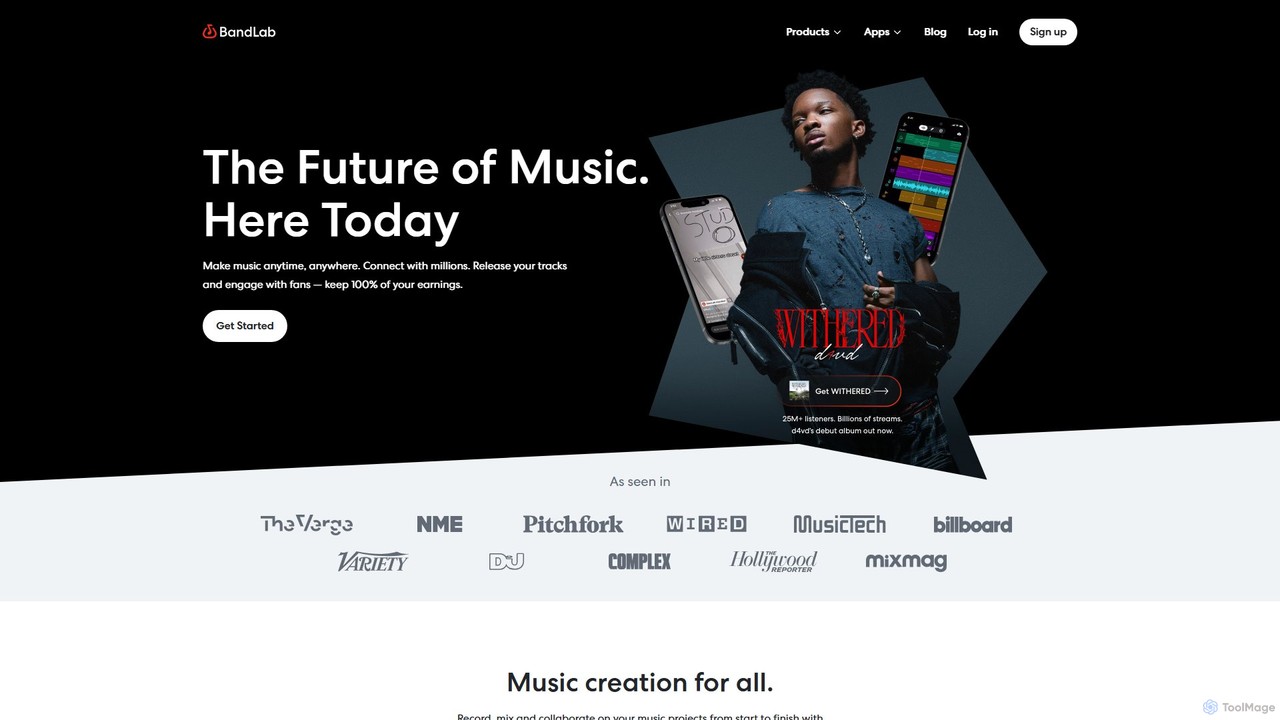
BandLab is an all-in-one, free social music creation platform. It offers a powerful online Digital Audio Workstation (DAW), AI-powered mastering, a vast library of royalty-free samples, and robust collaboration tools. It empowers musicians of all levels to create, share, and distribute their music from any device, fostering a global community of over 100 million creators.

Audio Editing
Visits 16.6MFavorites 158Likes 155
octavee
Freemium

octavee

Octavee is an AI-powered MIDI generator for musicians and producers. It allows users to create unique melodies and chord progressions using simple text prompts. Export your creations as MIDI files and drag them into any DAW like FL Studio or Ableton. Octavee helps overcome creative blocks, speeds up workflow, and offers features like in-browser editing, detailed music analysis, and a library of popular prompts to inspire your next hit.

Music Production
Visits 5.9KFavorites 123Likes 117
beatopia
Freemium

beatopia

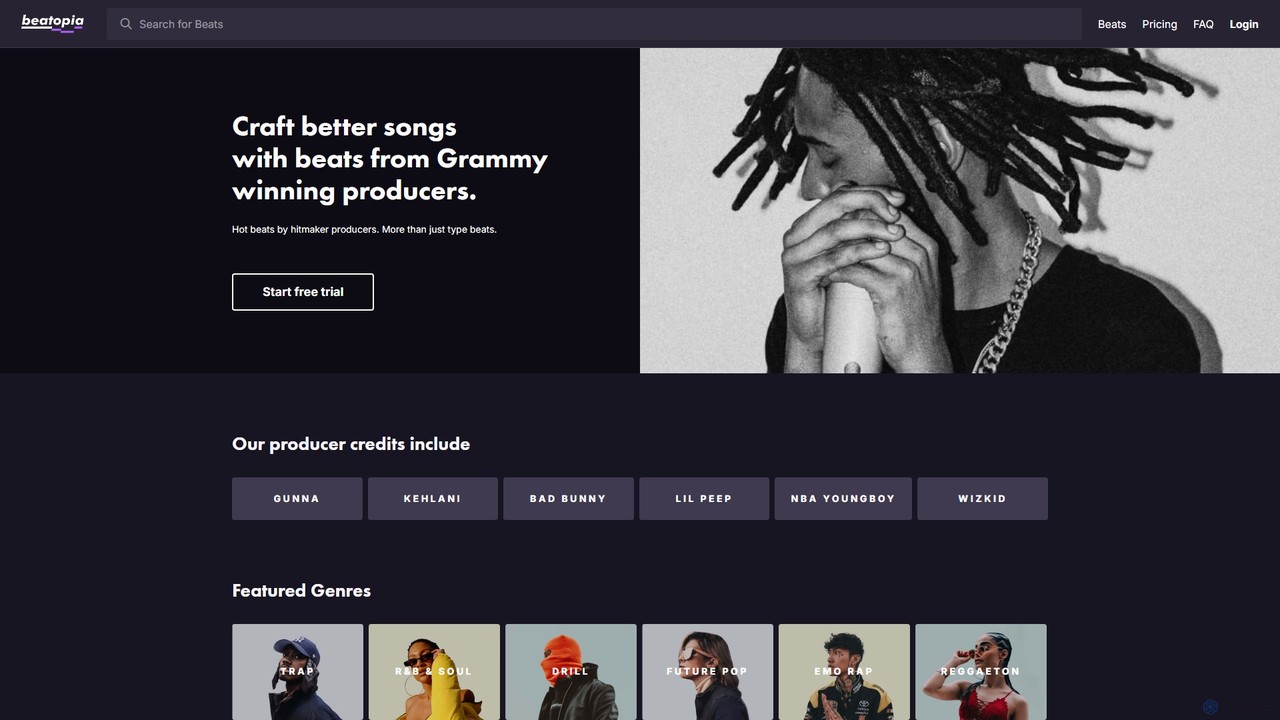
beatopia is a subscription-based music platform offering unlimited access to exclusive, high-quality beats from Grammy-winning producers. Designed for rappers, vocalists, and creators, it provides unlimited rights licenses, WAV files, and stems for every track, empowering artists to create without limits.

Music Production
Visits 15.3KFavorites 137Likes 129
Co-producer
Freemium

Co-producer

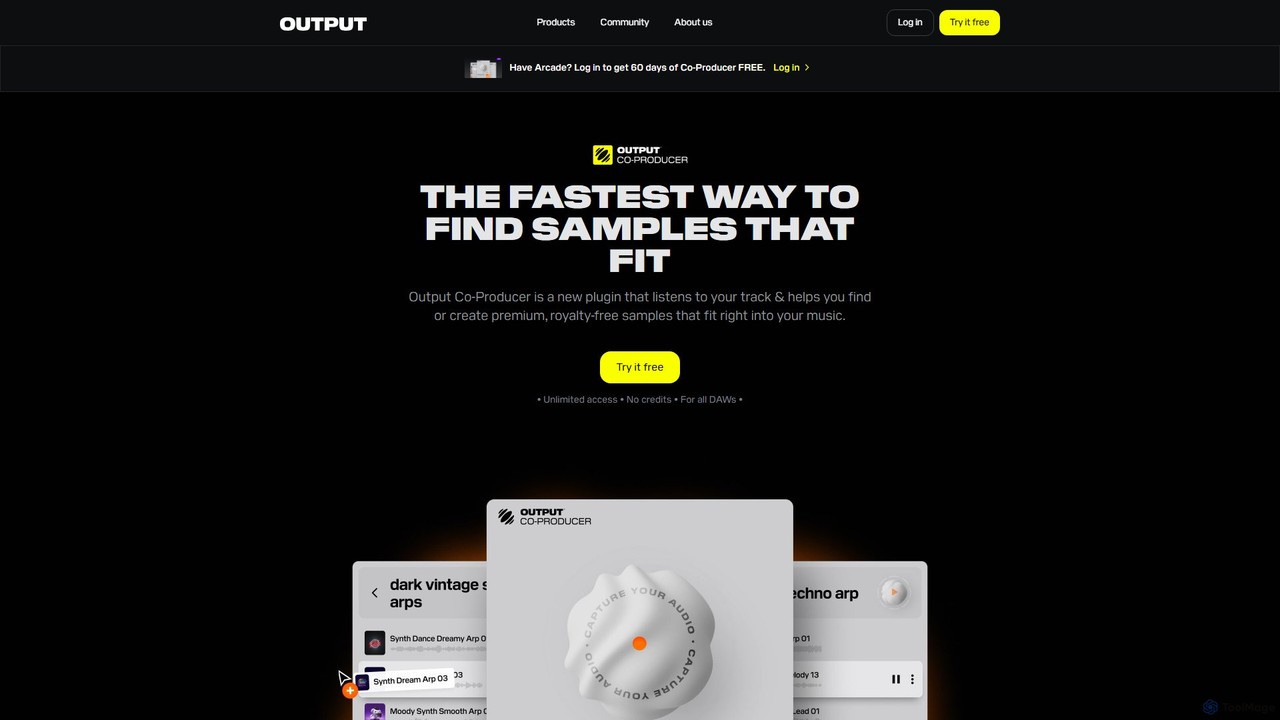
Co-producer by Output is an AI-powered sample finder that revolutionizes music production. It intelligently analyzes your existing track, audio files, or text prompts to suggest perfectly fitting loops and one-shots from Output's extensive library. This streamlines the creative process, helping producers find the right sounds in seconds, overcome creative blocks, and finish tracks faster.

Music Production
Visits 393KFavorites 137Likes 142
LANDR Studio
Paid

LANDR Studio

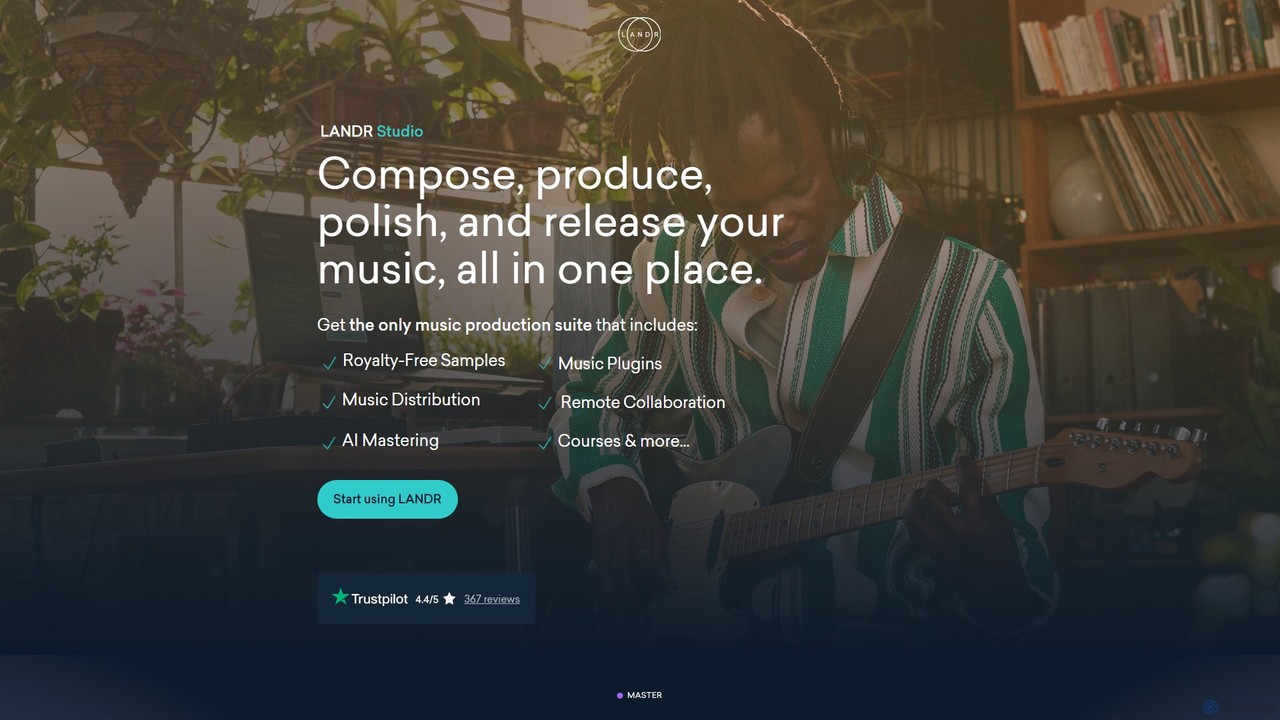
LANDR Studio is an all-in-one, AI-powered music production platform. It integrates AI mastering, a vast library of royalty-free samples, premium plugins, and music distribution to over 150 platforms. Designed for artists and producers, it streamlines the entire creative workflow from composition and production to polishing and release, all within a single subscription.

Mastering
Visits 120KFavorites 168Likes 165
Forte
Freemium

Forte

Forte is an AI-powered automation tool for audio engineers and music producers using Pro Tools and Logic Pro. It streamlines the entire workflow by automating tedious mix preparation and batch exporting tasks, saving hours of manual work and allowing creators to focus on the creative aspects of music production.

Mixing & Mastering
Visits 17.5KFavorites 134Likes 138
LyricLab
Freemium

LyricLab

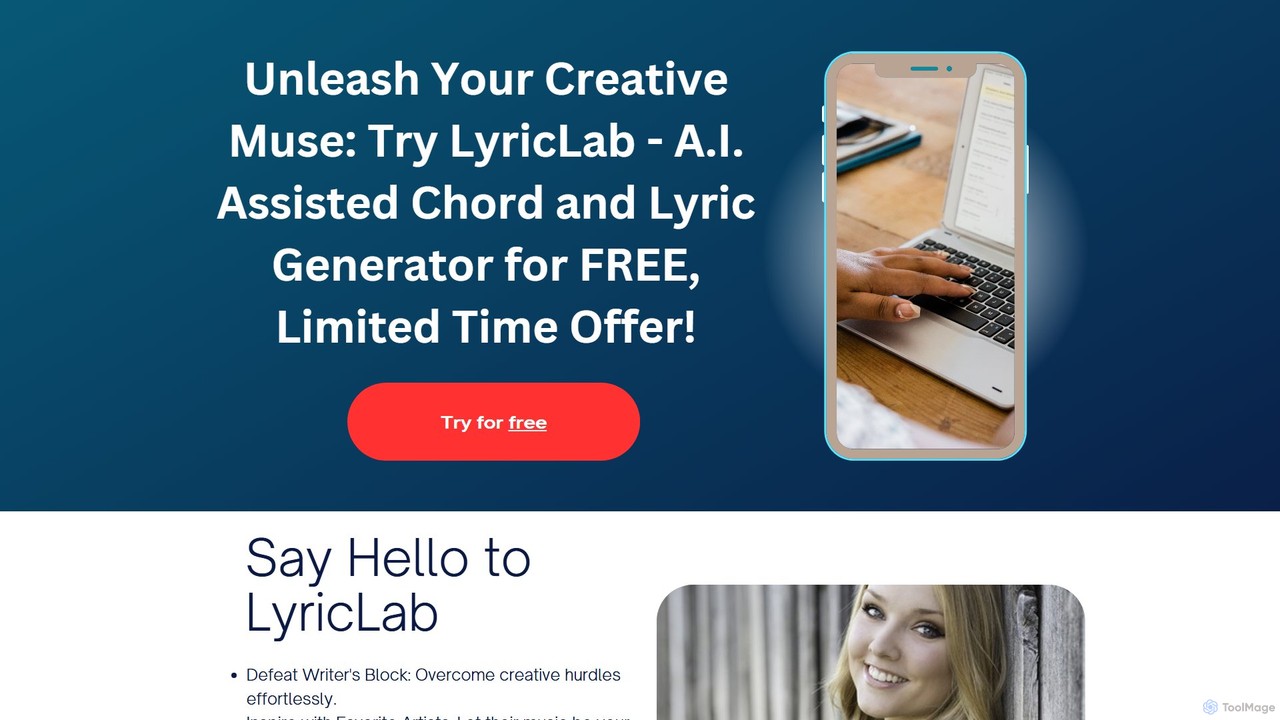
LyricLab is an AI-powered songwriting assistant designed to help musicians and songwriters overcome writer's block. It generates creative lyrics, chord progressions, and even parodies based on your ideas. Get inspired by the styles of famous artists, craft personal stories into songs, and tailor the music to your preferred key. It's the perfect tool for sparking creativity and bringing your musical ideas to life.

Music Production
Visits 5.9KFavorites 102Likes 106
Music Made Pro
Paid

Music Made Pro

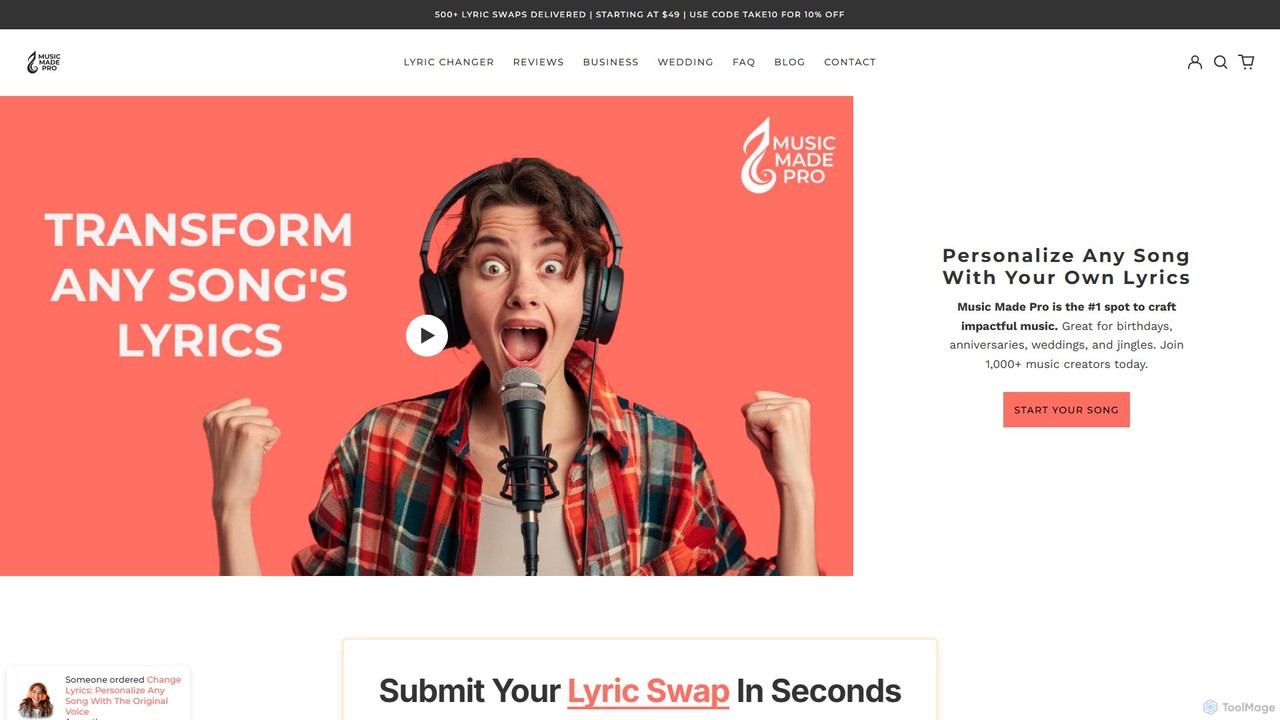
Music Made Pro is a unique service that combines AI technology with professional music producers to create personalized songs. It allows you to change the lyrics of any song to craft impactful music for birthdays, weddings, corporate events, or artistic projects, all with a human touch for revisions.

Music Production
Visits 6KFavorites 138Likes 142

About Music Production

AI Music Production tools are applications that leverage artificial intelligence to assist in or automate the creation, arrangement, and finalization of music. These tools utilize machine learning models trained on vast datasets of musical compositions to generate melodies, harmonies, rhythms, and even complete song structures. They serve as powerful creative partners, enabling users to quickly prototype ideas, overcome creative blocks, and streamline technical processes like mixing and mastering. This technology significantly lowers the barrier to entry for music creation and accelerates the workflow for seasoned professionals.

Core Features

  • Melody & Chord Generation: Creates original musical phrases, chord progressions, and basslines based on genre, mood, or user-defined parameters.
  • Stem Separation: Isolates individual elements like vocals, drums, bass, and instruments from a single mixed audio track.
  • AI-Powered Mixing & Mastering: Analyzes audio and automatically applies equalization, compression, and limiting to achieve a professional, balanced sound.
  • Sound Synthesis & Sample Creation: Generates unique instrument sounds, textures, and royalty-free samples from text prompts or acoustic analysis.
  • Automated Arrangement: Constructs song structures and drum patterns, providing a foundational layout for further development.

Use Cases

These tools are widely used by independent musicians and producers to spark new ideas and speed up production. Content creators and filmmakers utilize them to generate custom, royalty-free background music for videos and projects. DJs and remix artists rely on stem separation features to create acapellas and instrumentals for their sets and productions.

How to Choose

When selecting an AI Music Production tool, consider its primary function: is it for composition, mastering, or stem separation? Evaluate the quality of the audio output and the level of user control provided. Also, check for integration capabilities with your existing Digital Audio Workstation (DAW) and consider the pricing model, whether it's a subscription or a one-time purchase.

Featured tool rankings

Music Production use cases

1

Overcoming Songwriter's Block with AI

An independent musician is struggling to start a new track. They feel uninspired and can't find a compelling chord progression. Using an AI music production tool, they input a genre (e.g., 'lo-fi hip hop') and a mood ('chill'). The AI instantly generates several unique chord progressions and melody ideas. The musician selects one progression, exports it as a MIDI file, and imports it into their DAW. This AI-generated starting point breaks their creative block, providing a solid foundation to build upon with their own drums, bassline, and instrumentation, saving hours of fruitless experimentation.

2

Generating Custom Royalty-Free Background Music

A content creator for YouTube needs unique background music for their weekly videos to avoid copyright strikes and repetitive stock music. They use an AI music generator, specifying the desired length (e.g., 3 minutes), genre ('upbeat corporate'), and key instruments ('piano, light drums'). The tool produces a complete, high-quality track that matches the video's tone. This allows the creator to have a custom soundtrack for every video without any musical knowledge or licensing fees, enhancing the production value and brand identity of their channel.

3

Creating Acapellas and Instrumentals for Remixes

A DJ and remix producer wants to create a remix of a popular song but doesn't have access to the official multitracks. They use an AI stem separation tool to upload the original song file. Within minutes, the AI processes the track and provides separate high-quality audio files for the vocals (acapella), drums, bass, and other instruments. The producer can then import the acapella into their DAW to build a completely new instrumental around it, or use the instrumental track to create a mashup. This process unlocks creative possibilities that were previously only available to industry insiders.

4

Rapidly Prototyping Soundtrack Ideas

A composer for a short film needs to quickly generate several musical concepts for a chase scene to present to the director. Instead of spending days manually composing different options, they use an AI music tool. They input parameters like 'high-tempo', 'orchestral', 'tense mood', and a duration of 90 seconds. The AI generates five distinct musical cues in this style. The composer can then review these options with the director, select a direction, and use the AI-generated piece as a detailed starting point for their final, human-refined composition, drastically shortening the feedback loop.

5

Automating the Mastering Process

A music producer has just finished mixing a track and needs to prepare it for release on streaming platforms. They use an AI mastering service, upload their final mix, and select a reference track or a desired genre profile. The AI analyzes the audio's frequency balance, dynamics, and loudness, then applies professional-grade processing to optimize it for commercial standards. It provides an instantly mastered version that is loud, clear, and competitive. This saves the producer significant time and money compared to hiring a mastering engineer, making professional-sounding releases more accessible.

6

Crafting Unique Drum Patterns and Samples

A hip-hop producer is looking for a unique drum loop that stands out from standard sample packs. They use an AI beat maker to generate new patterns. By providing a simple text prompt like 'a trap beat with a syncopated hi-hat and a deep 808 kick', the AI creates dozens of variations. The producer can then audition these loops, select the most interesting elements, and export them as MIDI or audio to further manipulate in their DAW. This approach allows for the creation of truly original rhythmic foundations without manually programming every note, blending AI speed with human curation.

Music Production FAQ

What are AI Music Production tools?

AI Music Production tools are software applications that use artificial intelligence to generate, analyze, or transform musical content. Unlike traditional audio software, they can perform creative tasks autonomously, such as composing melodies, creating drum patterns, or separating instruments from a finished song. Key functions include melody generation, stem separation, and automated mastering. They act as creative assistants, helping artists overcome writer's block, speed up tedious tasks, and explore new musical possibilities that would be difficult to achieve manually.

How to choose the right AI Music Production tool?

Choosing the right tool depends on your specific needs. Consider these factors:

  • Primary Goal: Are you looking for inspiration (melody/chord generators), technical assistance (stem separators), or finishing touches (AI mastering)? Focus on tools that excel in your target area.
  • Workflow Integration: Does the tool work as a standalone application or as a plugin (VST, AU) within your Digital Audio Workstation (DAW)? Plugins offer a more seamless workflow.
  • Level of Control: Some tools are fully automated, while others offer deep customization. Decide if you want a quick solution or a flexible creative partner.
  • Audio Quality: Listen to demos and read reviews to assess the quality of the output. This is especially critical for mastering and stem separation tools.
  • Pricing Model: Compare subscription-based services with one-time purchases to find what fits your budget and usage frequency.
What's the difference between AI Music Production tools and traditional DAWs?

AI Music Production tools and Digital Audio Workstations (DAWs) serve different but complementary roles. A DAW (like Ableton Live, Logic Pro, or FL Studio) is a comprehensive environment for recording, editing, mixing, and arranging audio and MIDI. It's the central workspace for a producer.

AI Music Production tools are often more specialized. They are designed to perform specific, intelligent tasks like generating a chord progression or mastering a track. Many function as plugins within a DAW, augmenting its capabilities. In essence, a DAW is the canvas and a full set of brushes, while an AI tool is like an intelligent assistant that can paint a specific element for you with remarkable speed and creativity.

Can AI tools replace human musicians and producers?

AI tools are best viewed as powerful collaborators rather than replacements. While they can generate technically proficient music and perform complex tasks with incredible speed, they currently lack the genuine emotion, cultural context, and personal experience that are central to human artistry. A human producer guides the creative vision, makes subjective decisions, and infuses a track with a unique story and feeling. AI excels at augmenting this process by handling repetitive work, providing novel ideas, and democratizing access to high-quality production techniques. The future of music production is likely a hybrid model where human creativity directs and refines AI-generated content.

What are the main functions of AI Music Production software?

AI Music Production software covers a range of functions across the creative lifecycle. The most common capabilities include:

  • Composition and Idea Generation: Creating melodies, chord progressions, basslines, and drum patterns from scratch based on user prompts like genre or mood.
  • Stem Separation: De-mixing a stereo audio file into its constituent parts, such as vocals, drums, bass, and other instruments. This is useful for remixing, sampling, and educational purposes.
  • Automated Mixing and Mastering: Analyzing a track's audio characteristics and applying processing like EQ, compression, and limiting to achieve a polished, commercially viable sound.
  • Sound Design and Synthesis: Generating novel instrument sounds or audio samples based on text descriptions or by analyzing and transforming existing audio.