Data Best in category 6 results Data Collection AI Tool

Popular AI tools in the Data Collection field of Data include Fillout、Tavily、newscatcherapi、signs_ai、Crawl AI、form_assist, etc., helping you quickly improve efficiency.

Fillout

Fillout

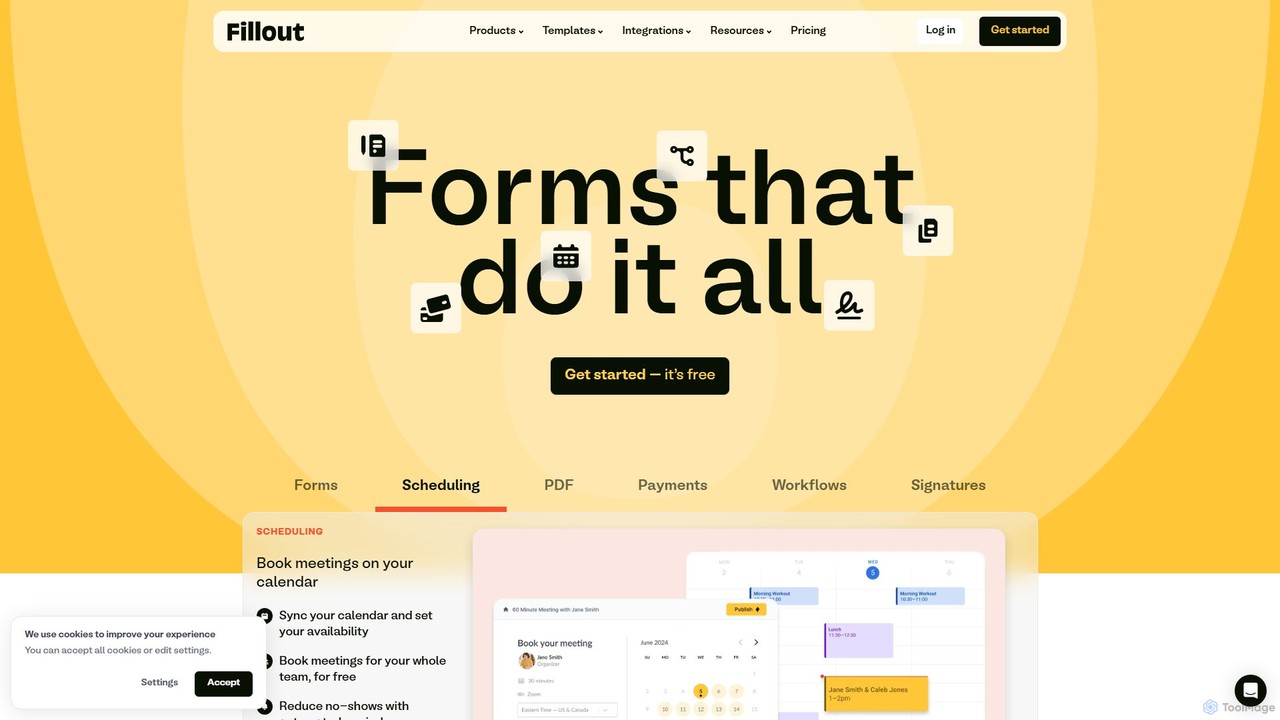
Fillout is a powerful, modern form builder designed to create highly customizable and brand-aligned forms, surveys, and quizzes. …

4.2M
Crawl AI

Crawl AI

Crawl AI is a no-code platform that enables users to build custom AI assistants by automatically crawling web …

4.2K
form_assist

form_assist

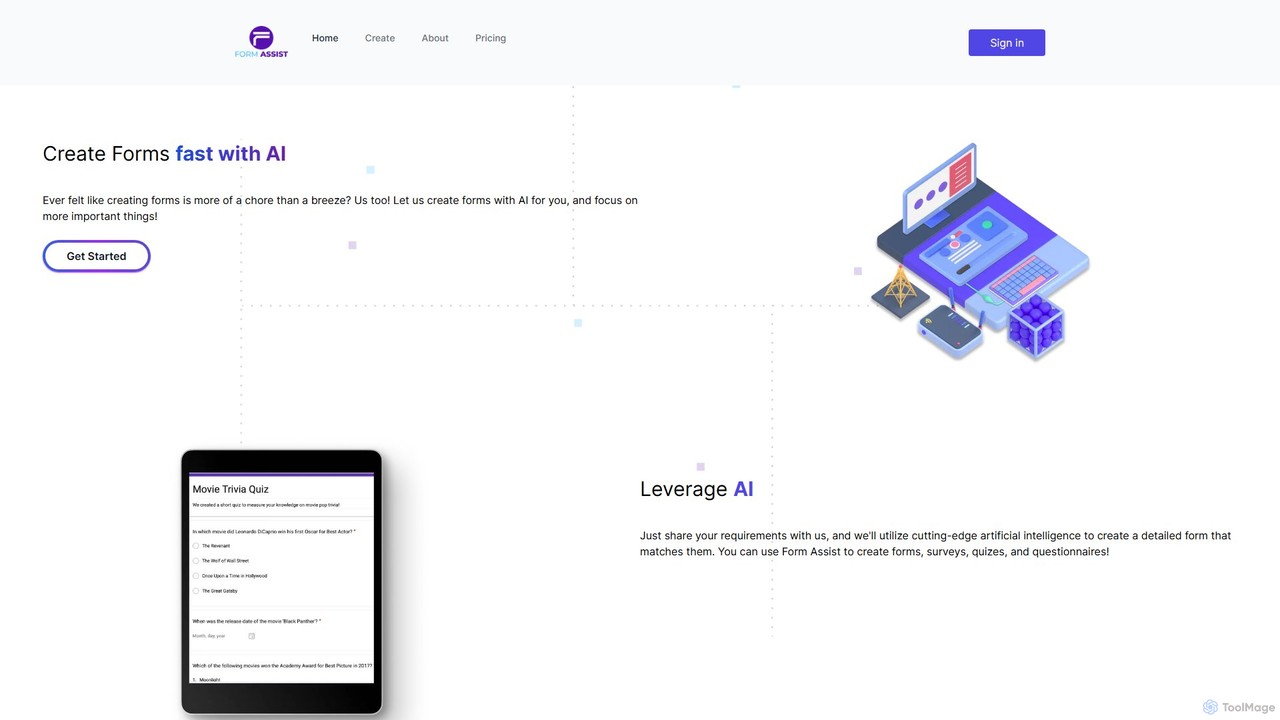
form_assist is an AI-powered tool that simplifies the creation of forms, surveys, quizzes, and questionnaires. Simply describe your …

3.3K
Free
signs_ai

signs_ai

signs_ai is a community-driven AI project by NVIDIA to create a comprehensive American Sign Language (ASL) dataset. By …

8.2K
newscatcherapi

newscatcherapi

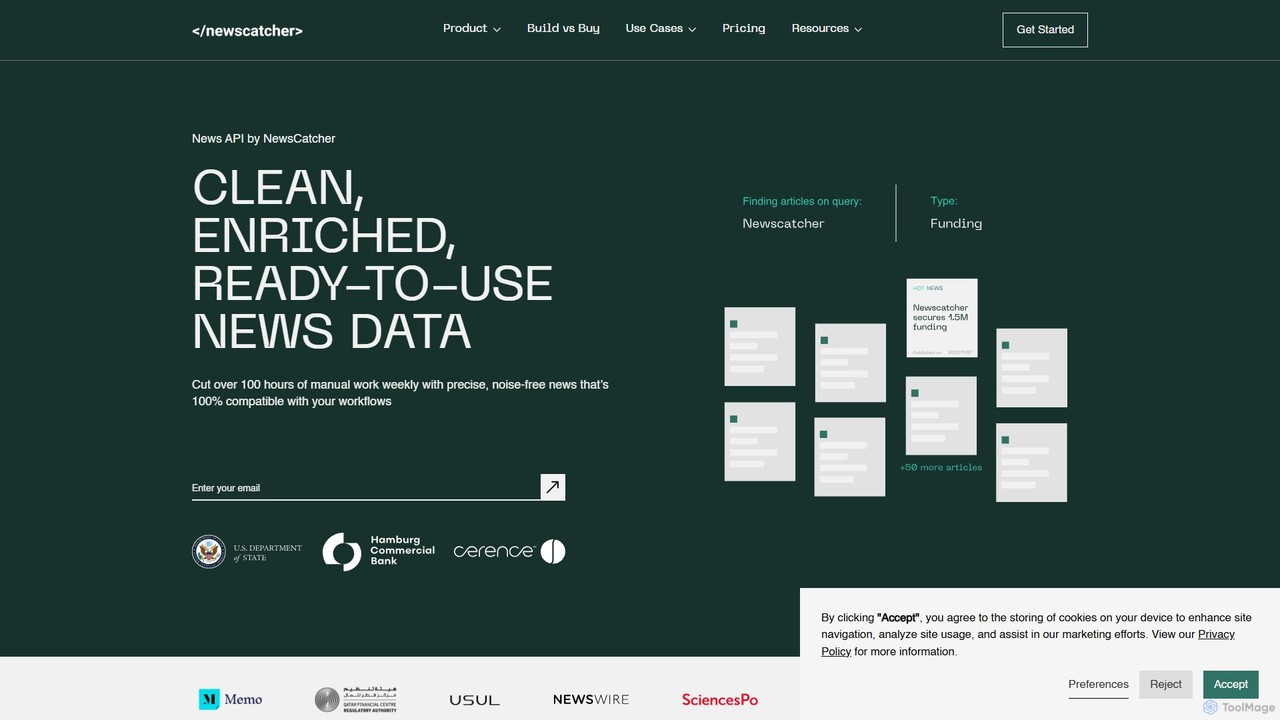
A powerful News API providing clean, enriched, and ready-to-use global news data from over 90,000 sources. It enables …

32.5K
Tavily

Tavily

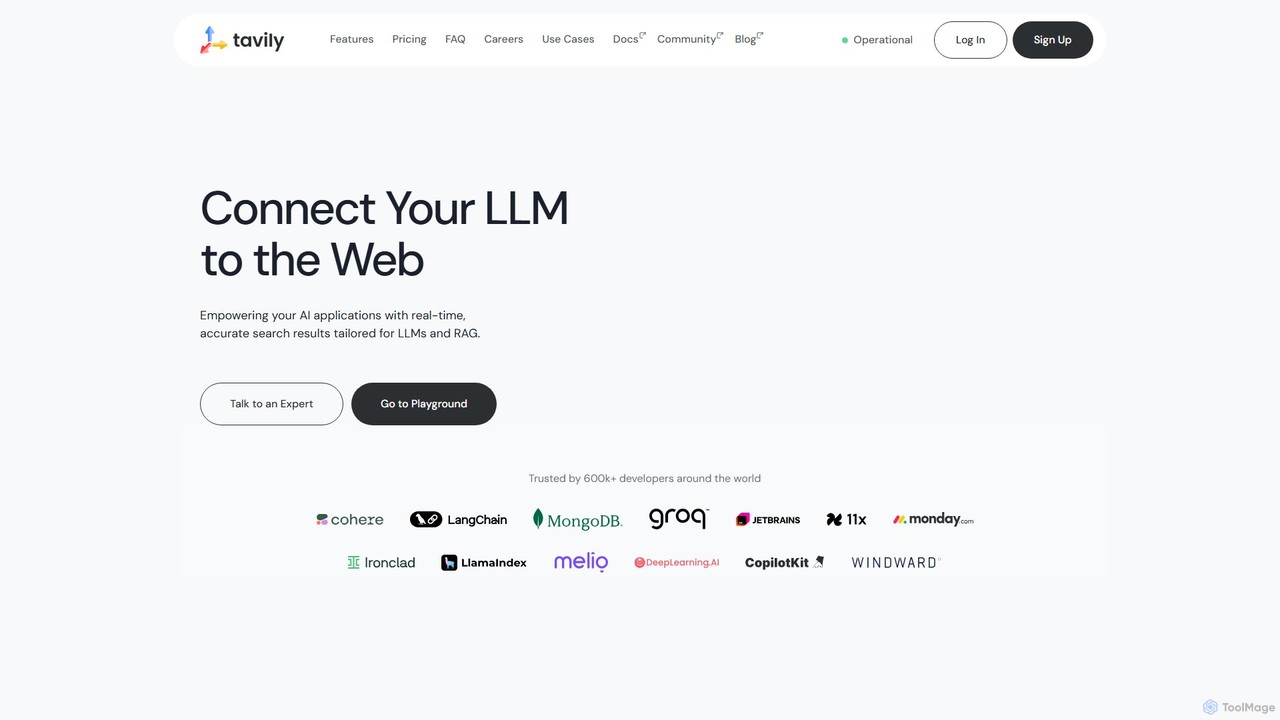
Tavily is a specialized search API designed for Large Language Models (LLMs) and AI agents. It provides real-time, …

1.3M

About Data Collection

AI Data Collection tools are a specialized category of software designed to automate the process of gathering information from various online sources. They leverage machine learning and natural language processing to intelligently identify, extract, and structure data from websites, documents, and social media, even from complex or dynamic pages. These tools are crucial for businesses and researchers who need to acquire large-scale, high-quality datasets for market analysis, lead generation, and training machine learning models. They go beyond traditional scrapers by adapting to website changes and understanding data context.

Core Features

  • Intelligent Web Scraping: Automatically extracts data from web pages, adapting to layout changes without manual reconfiguration.
  • Unstructured Data Extraction: Uses NLP to pull specific information like names, prices, and locations from text blocks, PDFs, and emails.
  • Data Structuring & Cleansing: Organizes extracted information into structured formats like CSV or JSON and performs initial cleaning.
  • Scheduled Automation: Allows users to set up recurring tasks to gather fresh data at specific intervals.
  • Anti-Scraping Measures: Manages different IP addresses and solves CAPTCHAs to ensure uninterrupted data gathering.

Use Cases

These tools are widely used in e-commerce for competitor price monitoring, in marketing for lead generation from professional networks, and in finance for aggregating market news. Data scientists also rely on them to build custom datasets for training AI models, making them a foundational element of the data lifecycle.

How to Choose

When selecting an AI Data Collection tool, consider the types of data sources you need (websites, documents, APIs), the required scale of collection, and the tool's ease of use (no-code vs. developer-focused). Also, evaluate its capabilities for handling anti-scraping measures, data export formats, and integration with other platforms.

Data CollectionUse Cases

1

Automated Competitor Price Monitoring

An e-commerce manager needs to track the pricing of hundreds of competing products across multiple online stores daily. Using an AI Data Collection tool, they set up automated crawlers that visit competitor websites every few hours. The AI identifies product names, prices, and stock availability, even if the page layout changes. This data is automatically exported to a dashboard, allowing the manager to make dynamic pricing adjustments and maintain a competitive edge without spending hours on manual checks.

2

Building a Sales Lead Database

A sales team aims to build a targeted list of potential leads in the software industry. They use an AI Data Collection tool to scan professional networking sites, industry news portals, and company websites. The tool is configured to extract contact details such as names, job titles, company names, and email addresses. This automates a previously manual and time-consuming process, providing the sales team with a constantly updated, high-quality lead database to fuel their outreach campaigns.

3

Aggregating Real Estate Market Data

A real estate analyst needs to understand market trends in a specific city. They deploy an AI Data Collection tool to gather data from various property listing websites. The tool extracts details for each listing, including price, location, square footage, number of bedrooms, and days on the market. This aggregated dataset is then used to perform in-depth market analysis, identify investment opportunities, and create comprehensive reports for clients, providing insights that would be impossible to gather manually.

4

Social Media Sentiment Analysis

A brand manager wants to monitor public perception of a new product launch. They use an AI Data Collection tool to gather mentions of the product across Twitter, Reddit, and news blogs. The tool's NLP capabilities help extract not just the mention but also the surrounding context. This raw data is then fed into a sentiment analysis model to gauge public opinion, identify common complaints or praises, and quickly respond to customer feedback, protecting and managing the brand's reputation in real-time.

5

Creating Datasets for AI Model Training

A machine learning engineer is developing a computer vision model to identify specific types of clothing. They need a large dataset of thousands of images. Using an AI Data Collection tool, they scrape e-commerce sites and fashion blogs for relevant product images. The tool can be configured to download images that meet certain criteria (e.g., 'red dress,' 'men's sneakers') and their associated labels, dramatically accelerating the process of creating a robust training dataset for the AI model.

6

Academic Research and Content Aggregation

A university researcher is studying the evolution of a specific topic in scientific journals over the past decade. They use an AI Data Collection tool to crawl academic databases and online archives. The tool extracts article titles, authors, abstracts, and publication dates. This creates a structured database that allows the researcher to analyze trends, identify key contributors, and perform large-scale literature reviews far more efficiently than traditional manual search methods.

Data CollectionFrequently Asked Questions