Octoparse
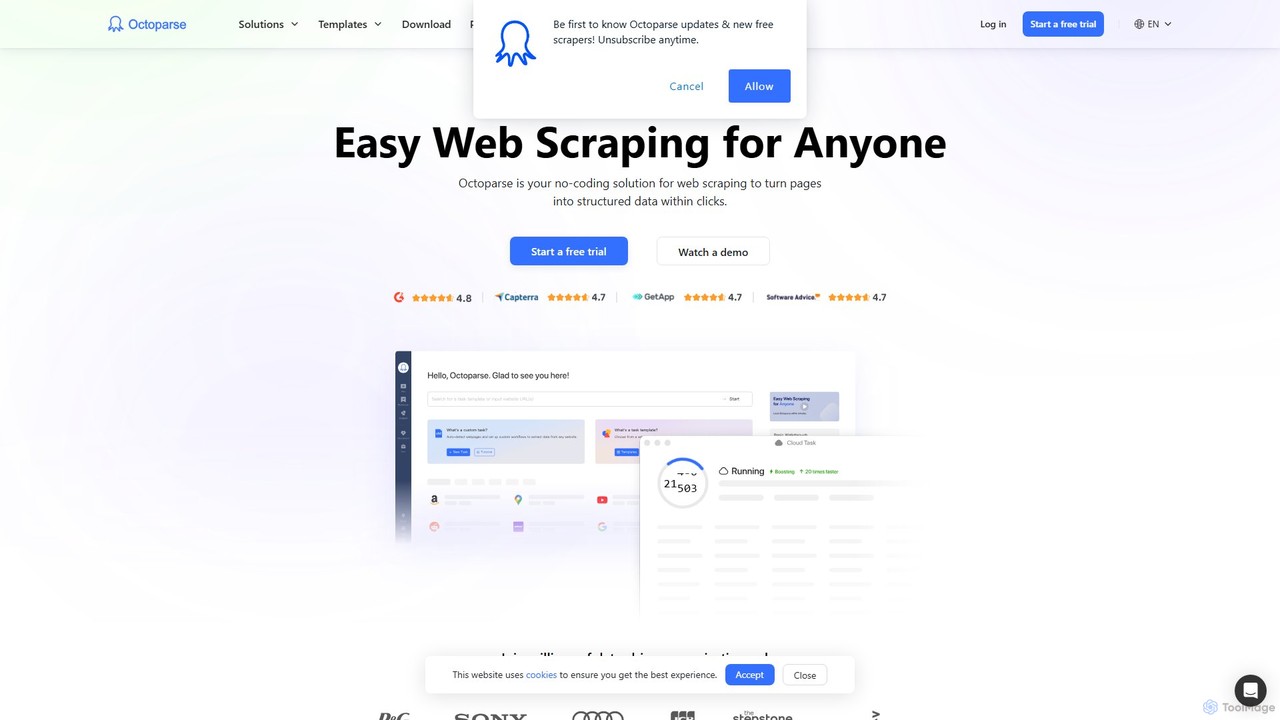
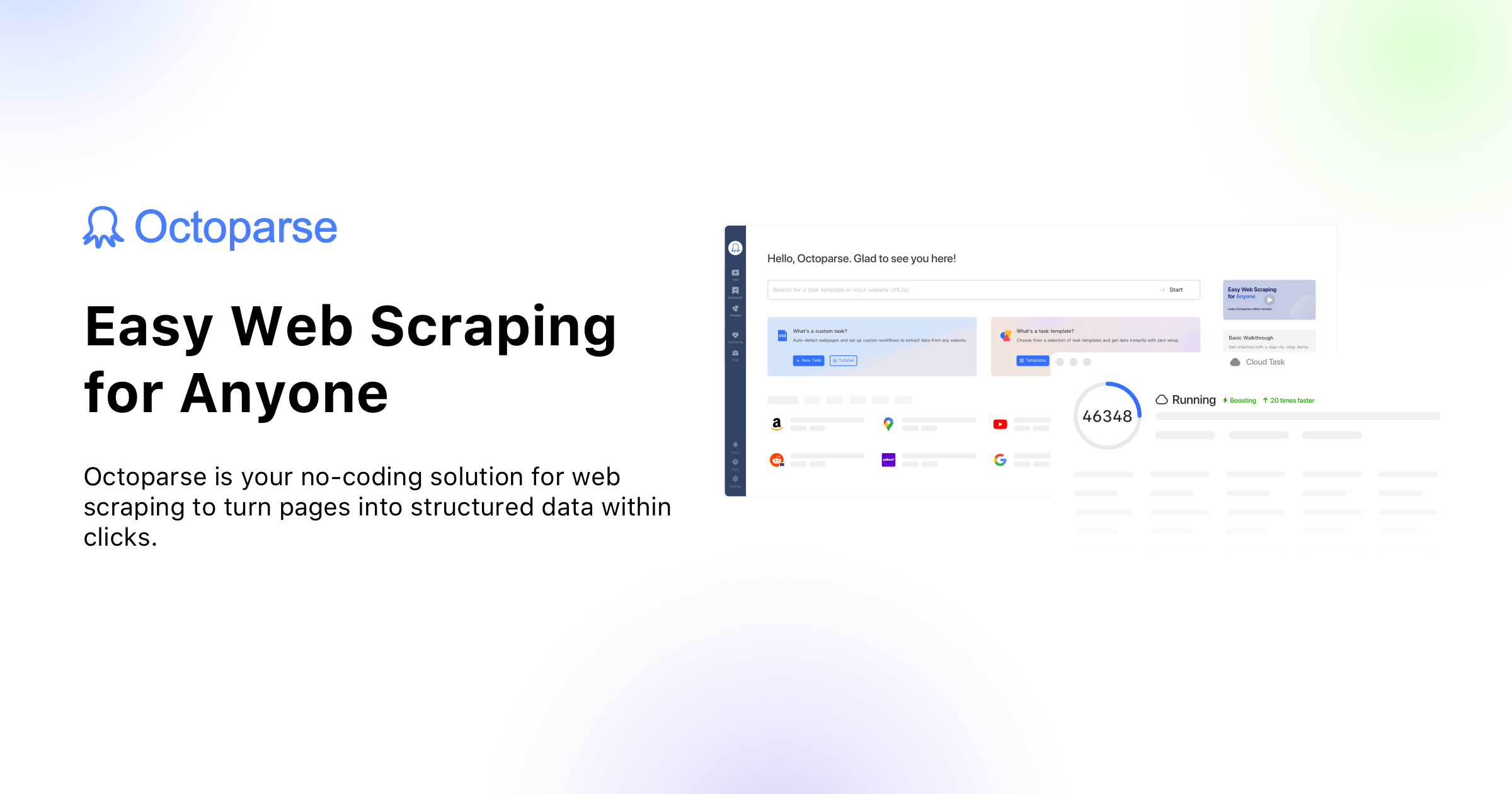
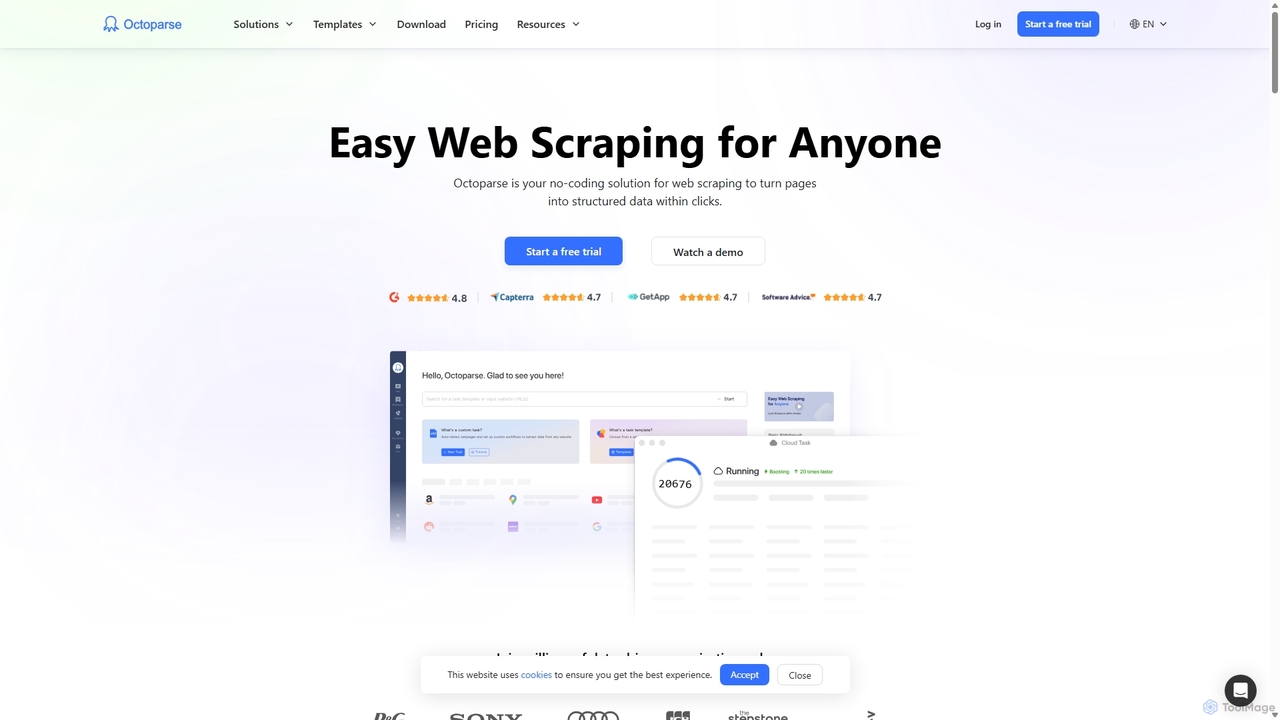
Octoparse is a powerful no-code web scraping tool that allows anyone to extract data from websites without programming. …
Octoparse is a powerful no-code web scraping tool that allows anyone to extract data from websites without programming. It features a visual workflow designer, an AI-powered assistant for easy setup, and hundreds of pre-built templates for popular sites. With cloud-based automation, IP rotation, and CAPTCHA solving, Octoparse handles complex scraping tasks efficiently, turning web pages into structured data for lead generation, market research, and more.
Strawberry Browser
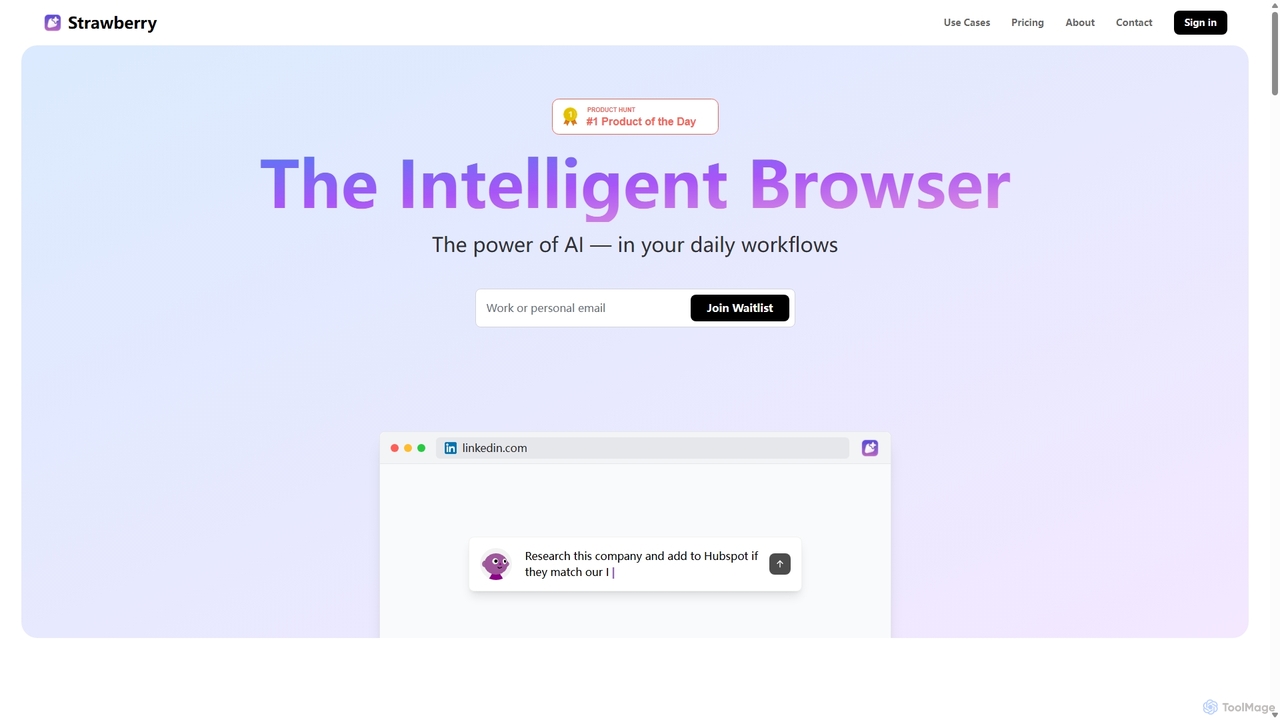
Strawberry Browser is an intelligent, AI-powered browser designed to automate your daily workflows. It allows you to build …
Strawberry Browser is an intelligent, AI-powered browser designed to automate your daily workflows. It allows you to build a team of customizable AI assistants that handle repetitive tasks like research, data extraction, and lead generation directly within your browser. Eliminate grunt work, stay focused, and enhance your productivity.
Octoparse AI
Octoparse AI is a no-code platform for building custom AI-powered workflows and RPA bots. It enables users to …
Octoparse AI is a no-code platform for building custom AI-powered workflows and RPA bots. It enables users to automate tasks, scrape web data, and integrate with various applications without writing any code. With a rich library of ready-to-use automation apps, it streamlines processes for sales, marketing, and data management, boosting productivity for individuals and teams.
ParseHub
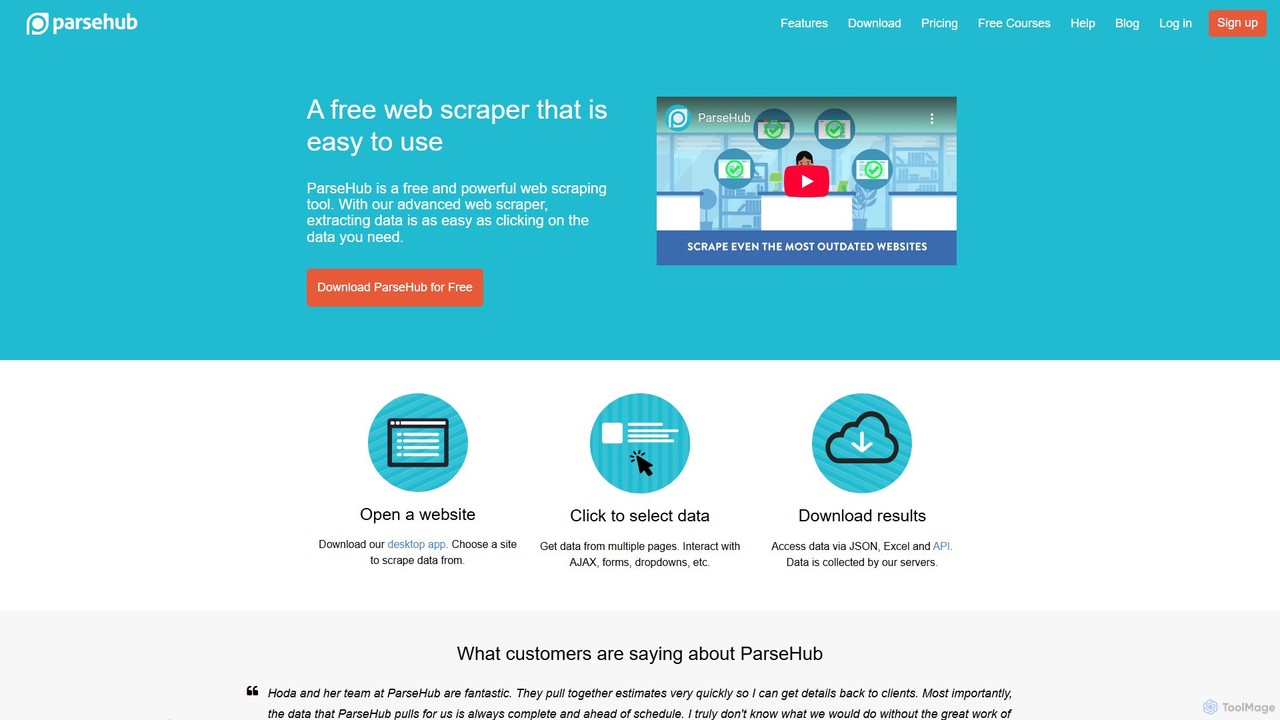
ParseHub is a powerful, no-code web scraping tool that allows users to extract data from any website with …
ParseHub is a powerful, no-code web scraping tool that allows users to extract data from any website with a simple point-and-click interface. It's designed to handle complex, dynamic sites with JavaScript, AJAX, forms, and infinite scroll. Data can be collected on a schedule, exported as JSON/Excel, or accessed via API, making it ideal for lead generation, market research, and data aggregation.
About Web Scraping
AI Web Scraping tools are applications designed to automatically extract large volumes of data from websites. They leverage AI to navigate complex site structures, handle anti-scraping measures like CAPTCHAs, and parse unstructured HTML into structured formats such as JSON or CSV. This enables businesses and researchers to gather real-time market data, monitor competitors, and aggregate information without manual intervention. AI enhances traditional scraping by adapting to website changes and interpreting visual layouts for more robust data collection.
Core Features
- Automated Data Extraction: Automatically harvests text, images, prices, and other specified data points from web pages at scale.
- AI-Powered Parsing: Intelligently identifies and structures data fields from complex layouts, even when HTML structures change.
- Anti-Bot Bypass: Employs techniques like proxy rotation, user-agent simulation, and CAPTCHA solving to avoid detection and blocking.
- Scheduled Scraping: Allows users to set up recurring jobs to collect fresh data at regular intervals (e.g., daily, hourly).
- Data Export & Integration: Exports collected data into various formats (CSV, JSON, Excel) and integrates with other applications via APIs or webhooks.
Use Cases
These tools are widely used in e-commerce for price monitoring, marketing for lead generation, finance for alternative data collection, and real estate for market analysis. For instance, a retail analyst can use an AI web scraper to track competitor pricing and stock levels across hundreds of products daily, feeding this data directly into their pricing models.
How to Choose
When selecting a tool, consider its ability to handle dynamic, JavaScript-heavy websites and its resilience against anti-scraping technologies. Evaluate the user interface—whether you need a no-code, point-and-click solution or a more powerful developer-focused API. Also, assess its scalability for large-volume data extraction and the pricing model's alignment with your usage frequency and data needs.
Web ScrapingUse Cases
E-commerce Price and Stock Monitoring
An e-commerce manager needs to maintain competitive pricing for thousands of products. They use an AI web scraping tool to automatically scan competitor websites every few hours. The tool identifies product pages, extracts current prices, stock availability, and promotional offers, then structures this data into a dashboard. This automated process replaces hours of manual checking, allowing the manager to adjust their own pricing strategy in near real-time, respond to stock-outs, and maximize sales opportunities.
Sales Lead Generation from Online Directories
A sales development representative (SDR) is tasked with building a list of potential clients in a specific industry. Instead of manually browsing online business directories or professional networks, the SDR configures a web scraping tool to target these sites. The tool extracts company names, contact emails, phone numbers, and job titles of key decision-makers. The resulting structured list can be directly imported into a CRM, saving the SDR over 80% of their prospecting time and allowing them to focus on outreach and engagement.
Market Research and Sentiment Analysis
A market analyst for a consumer electronics brand wants to understand public sentiment about a new product launch. They use a web scraping tool to collect thousands of customer reviews from retail sites, tech blogs, and social media platforms. The AI capabilities of the tool help parse unstructured text to identify key topics (e.g., 'battery life', 'screen quality') and associated sentiment (positive, negative, neutral). This aggregated data provides a comprehensive market overview, highlighting product strengths and weaknesses far more quickly than manual analysis or surveys.
Real Estate Market Data Aggregation
A real estate investment firm needs up-to-date information on property listings across multiple cities. They deploy a web scraping agent to aggregate data from various real estate portals like Zillow, Redfin, and local agency sites. The scraper extracts details such as property address, price, square footage, number of bedrooms, and days on the market. This data is compiled into a central database, allowing analysts to identify undervalued properties, track market trends, and make data-driven investment decisions without manually checking dozens of websites.
Financial Alternative Data Collection
A quantitative analyst at a hedge fund seeks alternative data sources to gain a trading edge. They use a web scraping tool to monitor and extract information from financial news sites, regulatory filings, and social media for mentions of specific stocks. The tool is scheduled to run continuously, capturing breaking news and shifts in public sentiment in real-time. This data stream is then fed into algorithmic trading models to identify correlations and predict market movements, providing insights that are not available through traditional financial data feeds.
Academic Research Data Aggregation
A university researcher is conducting a meta-analysis that requires data from hundreds of published scientific studies. Manually finding and extracting data points from each paper's abstract or tables would be extremely time-consuming. The researcher uses a web scraping tool to automatically crawl academic databases (like PubMed or Google Scholar), identify relevant papers based on keywords, and extract specific information such as sample sizes, methodologies, and key findings. This automates the creation of a comprehensive dataset, enabling large-scale analysis that would otherwise be impractical.